

Do you ever find yourself wondering when it’s time to replace those trusty reusable items? Whether it’s your go-to stainless steel water bottle or those cute bamboo utensils, it can be tough to know. It’s all about being aware of a few key signs, like cracks, odd smells, or any discoloration on the seals.
If you notice your lids just aren’t sealing the way they used to, that’s a pretty clear signal that it’s swap-out time. You can try to keep things clean, but let’s face it: some materials hold up better than others.
Stainless steel tends to last much longer than plastic, so it really pays off to invest in quality. Plus, keeping these items in good shape not only helps you reduce waste but also keeps your food and drinks safe.
Here’s the trick: regularly check your reusable products. Look for:
- Cracks or chips in the material
- Strange odors from non-porous items
- Discoloration or wear-and-tear on seals
- Lids that don’t close properly
So, why does this matter? Every time we replace something with a new, durable item, we’re doing our part to cut down on waste. Honestly, staying on top of your reusable products helps you keep your environmental impact low and ensures you always have items that function well.
In short, keeping an eye on your reusable essentials is key. Have you noticed any tell-tale signs in your favorite items? Let’s keep our waste down together!
Key Takeaways
- Look for cracks, dents, or scratches, especially around seals, as they may compromise performance and hygiene.
- Discoloration, unusual smells, or odd tastes indicate material breakdown and potential contamination.
- If lids no longer seal properly, they can lead to leaks and unsafe conditions inside the product.
- Regular cleaning and maintenance are essential to extend the lifespan and functionality of reusable items.
- When disposing of old products, recycle properly to minimize environmental impact and promote sustainability.
Signs It’s Time to Replace Your Reusable Products
When was the last time you took a good look at your reusable products? It’s easy to ignore the signs that it’s time for an upgrade, but overlooking them can lead to some serious issues. Start by checking for any cracks, dents, or scratches, especially around seals. These can compromise safety, and nobody wants that!
Have you ever noticed a weird smell or odd taste coming from your water bottle? That’s a major red flag. It probably means it’s time to part ways with it. Discoloration on seals or lids is another telltale sign that your product is breaking down and could pose health risks.
Also, if you find a lid that just won’t seal properly, leaks can occur. Leaks not only mess up your bag but also risk contamination. It’s crucial to keep an eye on how long you’ve been using these items. Over time, old materials can become unsafe. For items like reusable razors, following proper maintenance and cleaning practices can extend their usability and ensure safety.
How Material Affects the Longevity of Your Reusable Items
Ever thought about how the material of your reusable items can actually affect how long they last? It’s a bigger deal than you might think! Take stainless steel, for example. It’s super durable and often lasts way longer than plastics, which can wear down over time.
Sure, glass bottles are trendy and eco-friendly, but they can be a bit fragile if you’re not paying attention. You don’t want to end up with a shattered bottle during your hike! On the flip side, plastic can degrade when it gets exposed to water and acids. This isn’t just a minor issue—it can lead to structural problems or worse, chemical leaching into your drinks. So, how do you choose wisely?
Here’s the trick: opt for materials that offer durability! Think about what you’re using these items for. If you’re like many people who love camping or spending time outdoors, stainless steel or sturdy silicone options might be your best bet. They can take a beating without falling apart.
The best part is that choosing the right material means you won’t have to keep replacing your items. Fewer replacements mean less waste and more money in your pocket! For example, reusable silicone bags are designed to be temperature resistant and durable enough to handle microwave, oven, and freezer use.
So, next time you grab that reusable cup or bottle, consider the material carefully. Does it fit your lifestyle?
The Impact of Wear and Tear on Reusable Product Performance
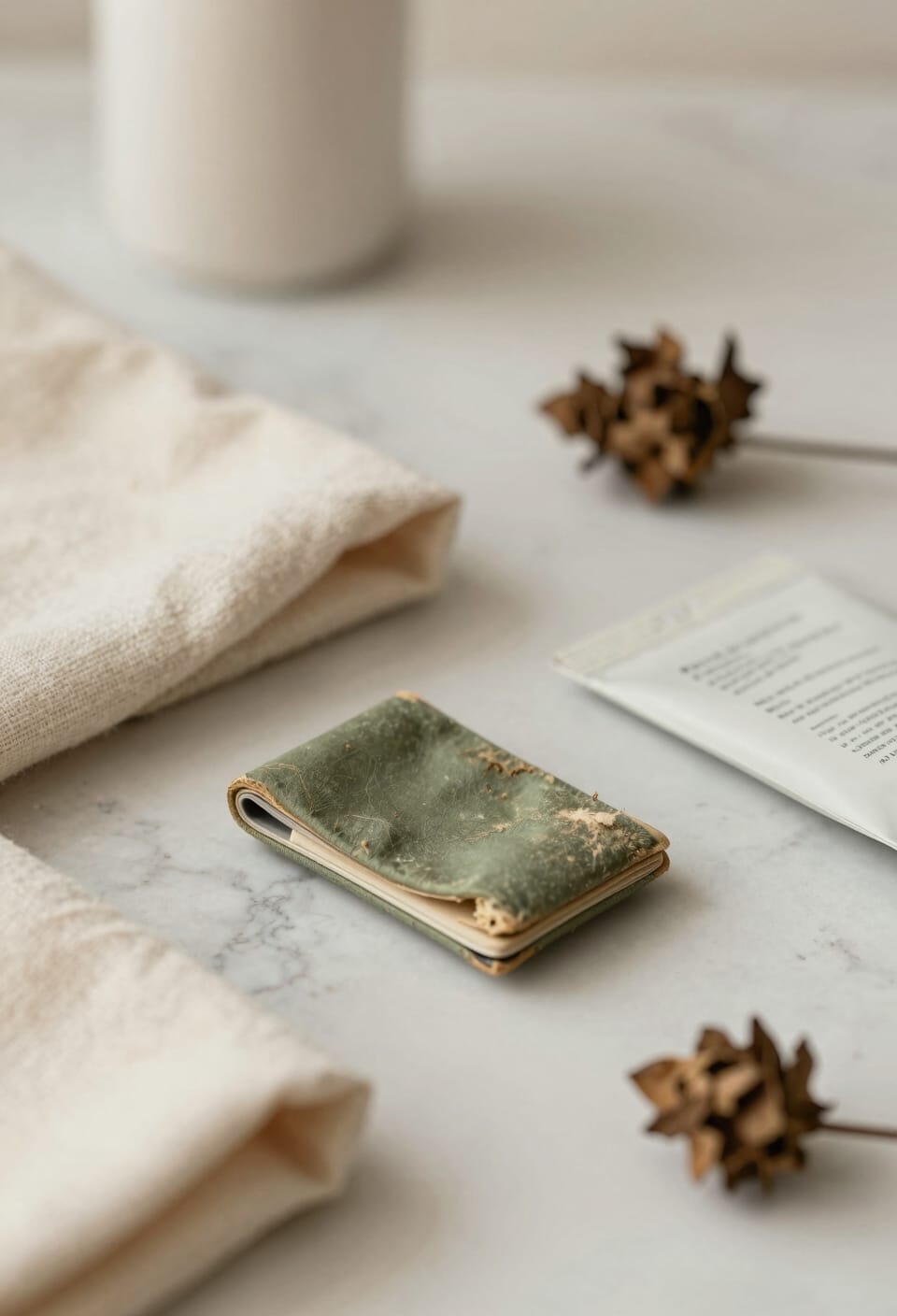
Have you ever noticed your favorite reusable water bottle starting to look a little worn out? It’s easy to forget that even the most reliable products can get a bit shabby over time. Cracks and scratches, especially around the seals, can happen. When that starts to happen, you might find that it’s not just a cosmetic issue—it can affect performance and hygiene too.
If your bottle’s developing a funky smell or it’s got a strange taste, don’t ignore it! Discoloration on the inside could mean the materials are breaking down, which is definitely something you want to avoid. And let’s talk about biofilm; it can form in those nooks and crannies and lead to a whole mess of microbial growth you definitely don’t want in your drink. Honestly, who wants a health risk along with their smoothie? So, what’s the solution?
- Regularly check your reusable products for:
- Cracks or scratches
- Unusual smells or tastes
- Discoloration
- Signs of biofilm
To keep everything safe and clean, make a habit of inspecting your items every so often. Trust me, replacing worn-out reusable products is a small price to pay for your health. After all, you want your beloved containers to be working for you, not against you!
In addition to replacing worn items, choosing products made from certified sustainable materials can reduce environmental impact and enhance safety.
In the end, staying cautious about these little signs can save you from bigger problems down the line. How often do you check your reusable items for wear and tear?
How Regular Cleaning Extends the Life of Reusable Products
Have you ever wondered why some of your favorite reusable items don’t last as long as they should? Regular cleaning might just be the answer to keeping them functional and safe. When you wash things like glass containers or stainless-steel straws, you’re not just tidying up; you’re getting rid of biofilm, that sneaky build-up of germs!
Following the manufacturer’s cleaning instructions is way more important than it seems. Trust me, you don’t want to scrub away your health along with those leftover pasta bits. Consistent cleaning not only helps extend the lifespan of these products but also cuts down on waste. So, why does this matter? It’s all about supporting our sustainability efforts, which we can all get behind.
If you notice something starting to smell weird or taste off, it might be your clue that you’ve let it slide for too long. You should ask yourself: have I really been keeping my reusable products clean and happy? Remember, a little effort can go a long way in being eco-friendly.
One great way to enhance your cleaning routine is by choosing plastic-free dish soaps, which are gentle on your products and safe for the environment.
Here’s the trick: try setting a regular cleaning schedule. Make it a routine, just like doing laundry or washing the dishes. It’ll help keep your things in tip-top shape and ready for your next adventure.
In short, maintaining your reusable products will not only serve you better but also contribute to our planet’s health. So, what’s your next step towards cleaner, happier reuse?
When Should You Replace Your Reusable Products?
Have you ever found yourself staring at your old reusable water bottle, wondering if it’s time to get a new one? We all have that trusty item we’ve held on to a little too long. If you see visible cracks or dents, especially around the seal, it might be time to let it go. Those could lead to leaks or worse, contamination.
An unusual smell or odd taste? That’s probably a sign that some nasty microbes are hiding inside. And what about discoloration? If your bottle has rust or strange stains, that’s definitely a reason to toss it. Don’t forget about the lid either—if it won’t close properly, you’re just asking for spills. Honestly, it’s better to replace these bottles when you start noticing issues; it’s a safe choice for everyone involved.
So, what are the signs you should really look out for? Here’s a quick list to keep in mind:
- Cracks or dents near the seal
- Strange smells or tastes
- Discoloration like rust or stains
- A lid that won’t seal properly
Truth is, keeping your reusable products in check is important for your health and safety. Maintaining them gives you peace of mind about what you’re drinking. Next time you notice something off with your bottle, consider taking the plunge and investing in a new one. After all, you deserve to stay hydrated without any worries. What’s the oldest reusable item you still have in your kitchen? Regular cleaning and proper maintenance tips can also help extend your bottle’s usability and keep it safe.
Sustainable Practices for Replacing Reusable Products
When it comes to replacing your reusable products, how do you ensure it’s done in a way that’s good for the planet? Regularly checking your items for signs of wear is a must—think cracks or unpleasant smells. Not only does proper cleaning keep your products fresh, but it can also help you catch when it’s time for a replacement. For example, if your reusable water bottle starts to look discolored or struggles to seal, that’s a strong signal it’s time to get a new one.
Think about this: choosing high-quality materials can really make a difference. Opt for stainless steel instead of flimsy plastics when you can. This not only boosts durability but also cuts down on how often you have to replace things. Plus, you’ll feel better knowing your choices are more environmentally friendly!
And when it’s finally time to part ways with a product, remember to recycle it properly. This simple step can lessen your environmental impact and keep those single-use plastics from creeping back into our lives. Additionally, selecting bottles made from BPA-free plastics or glass can ensure safer, longer-lasting use before needing replacement.
Making Informed Choices for Eco-Friendly Replacements
Isn’t it frustrating when you’re trying to be eco-friendly but don’t know what to do with your old reusable products? Once you’ve decided to replace them, making smart choices is key for finding eco-friendly alternatives. Take reusable bags or containers, for instance. Stainless steel is a solid option because it lasts much longer than plastic.
It’s important to keep an eye on your reusable items. Look for any cracks, stains, or signs of wear and tear. Damage like that can lead to spills and waste, which is the opposite of what we want. When it comes to utensils, options made from biodegradable materials often don’t last as long, so you might find yourself needing to replace them more regularly.
Try this: Seek out durable replacements that are crafted from sustainable materials. Bamboo cooking utensils, for example, are eco-friendly, durable choices that resist warping and cracking. The best part is, making these thoughtful choices means your efforts can directly contribute to a healthier planet.
Let’s face it, it’s not just about saving money; it’s about making sure what you use daily works towards a greater good. By being mindful about our choices, we can ensure that our eco-friendly habits truly make a difference. So next time you’re shopping, consider what you’re really bringing home. Are you doing your part for the planet?
Frequently Asked Questions
When to Throw Out a Reusable Water Bottle?
We should toss our reusable water bottle if we spot signs of wear like cracks or odors. Regular checks prevent mold growth. Let’s explore eco-friendly alternatives and effective cleaning methods to keep ourselves safe!
When to Replace a Reusable Water Bottle?
We should replace our reusable water bottles when we notice replacement indicators like visible wear, material degradation, or leaking issues. If there’s a strange water taste or hygiene concerns, it’s definitely time for a change.
Why Is Gen Z Obsessed With Water Bottles?
Gen Z’s obsession with water bottles stems from our eco-friendly habits, hydration trends, stylish designs, and brand loyalty. Influencer impact fuels our health consciousness and sustainable choices, making these bottles essential for our daily lives.
What Is the Lifespan of a Reusable Water Bottle?
Our reusable water bottles can last from one to several years, depending on material durability and user habits. Neglecting cleaning practices might shorten their lifespan, bringing health concerns. Let’s choose wisely, folks! Environmentally friendly options abound!


