


Have you ever thought about the real environmental impact of that reusable bag you carry everywhere? It’s easy to assume that using a cotton tote is better for the planet, but the truth is a little more complicated. To really understand, we need to look at the entire journey of the bag—from how it’s made to what happens when you’re done with it.
First off, let’s dive into production. Cotton bags are often touted as the eco-friendly choice, but they require a big commitment to sustainability. For example, studies show that a cotton bag should be used at least 7,100 times to make up for the carbon and water emissions produced during manufacturing. That’s a lot of trips to the grocery store!
And let’s not forget about transportation. Getting that cotton from field to factory, and then to your hands, adds even more emissions to the tally.
So, why does this matter? Because if we’re not mindful about how we’re using these bags, we can unintentionally create more harm than good.
Here’s a tip: If you’re going to invest in a reusable bag, make sure you’re ready to really use it. Think about ways to incorporate it into your daily routine, like keeping it in your car or on your front door handle so you don’t forget. Every little bit counts when it comes to reducing our environmental impact!
Frankly, we often focus on single-use plastics, but reusable bags have their own footprint, and it’s important we acknowledge that.
The best part is that learning the full story helps you make better choices moving forward.
In the end, whether you choose a cotton tote or another type of reusable bag, the key is commitment. Are you ready to make a lasting shift in your habits? It’s worth thinking about!
Key Takeaways
- A reusable bag’s environmental impact varies based on its material, with cotton and polypropylene having distinct carbon footprints during production.
- Frequent use of a reusable bag (50-150 times) is essential to ensure it provides significant sustainability benefits over single-use options.
- Cotton bags need extensive usage (about 7,100 times) to offset their high resource consumption and carbon emissions during manufacturing.
- Transportation emissions from sourcing and shipping reusable bags can be minimized by opting for local manufacturing or making bags at home.
- End-of-life options for reusable bags include recycling, upcycling, or utilizing biodegradable materials to reduce landfill waste and environmental harm.
What Is Lifecycle Assessment (LCA) and Why Does It Matter?

Have you ever stopped to think about the environmental impact of the products you use every day? Lifecycle Assessment (LCA) is a crucial tool that helps us understand this impact, examining a product from its beginning to its end—raw materials all the way to disposal. For example, when it comes to reusable bags, LCA shines a light on important factors like carbon emissions, water usage, and energy consumption.
Here’s the thing: reusable bags really need to be used quite a bit to make a positive impact. For cotton bags, that could mean using them 50 to 150 times just to offset their environmental footprint. This might sound like a lot, but if you’re committed to sustainability, every time you reach for that bag instead of a single-use one, you’re making a better choice for the planet.
So, why does this matter? Frankly, even though reusable bags come with an upfront cost, the longer you use them, the more you’re helping reduce waste. It’s all about making smarter choices over time. Many reusable bags, made from recycled polypropylene, offer durability and eco-friendly advantages that further decrease environmental impact.
Let’s wrap this up: the insights from LCA can guide us in choosing what products to support. Are you ready to take a closer look at your everyday items and the impact they have?
Key Stages in the Lifecycle of a Reusable Bag

Have you ever thought about what goes into making those reusable bags we carry around? They seem simple, right? But trust me, there’s a lot more to the story.
It all begins with raw materials, like cotton or polypropylene. Each of these has its own environmental footprint. Cotton bags might feel great, but they require a boatload of water and chemicals to produce. On the other hand, making polypropylene bags consumes tons of energy and emits carbon dioxide. So, when you choose a bag, think about where it’s coming from!
Once those materials are ready, they’re transformed into the bags we buy at our favorite store. But here’s the catch: to make a real difference, you need to use these bags often—like 50 to 150 times for cotton ones. It’s a bit of a commitment, but those numbers reveal why they matter so much. If you only use them a couple of times, you’re not really beating the convenience of single-use plastic bags.
Now, onto the end-of-life scenario. What happens when your reusable bags have lived their best life? Recycling can be tricky, so you’ll want to understand how to dispose of them properly. The truth is, every step of a bag’s lifecycle matters, from sourcing materials to how you handle it once it’s worn out. Choosing products with biodegradable materials can help reduce environmental impact at disposal.
The Environmental Impact of Raw Material Choices

Selecting the right raw material for reusable bags is a lot like choosing your favorite ice cream flavor—so many choices! But have you ever stopped to think about the environmental impact of those choices? It’s more than just picking something that looks nice; it’s about making a difference.
Take cotton bags, for instance. Sure, they’re soft and stylish, but did you know they can use up to 130 liters of water to make one? Plus, they pump out around 4.0 kg of CO2 in the process. Ouch! Now, polypropylene bags might seem sturdy, but they’re no lightweight on the environment either, with about 2.7 kg of carbon emissions from their energy-hungry production.
Then there’s recycled plastic—this option is definitely better since it gives new life to existing materials. Just keep in mind that it still requires energy to process. If you’re on the hunt for eco-friendly options, look into jute and hemp. They’re great alternatives that tend to have a lower impact overall.
So, why does this matter? Your choice in raw materials can either help reduce or worsen the ecological footprint of your reusable bags. The best part is that you have the power to make a difference through those choices.
In fact, many reusable bags made from recycled non-woven fabric help minimize environmental impact while supporting sustainability through reuse.
In the end, picking what’s right for the planet doesn’t have to be overwhelming. It can actually be pretty fun. Which material will you go for next?
Recommended Products

Personalized Insulated Takeout Bags: Click "Customize Now" to upload your logo and cleverly integrate your branding or restaurant slogan with the insulation function, creating a 24-hour walking advertisement

Personalized Bags with Logo: Our custom print paper bags are perfect for small businesses looking to elevate their branding. With high-quality custom logo prints, these bags will proudly represent your brand to customers and clients.

How Are Reusable Bags Made?
Have you ever thought about where your reusable bags come from? It’s pretty eye-opening to discover the impact they have on the environment.
Take cotton bags, for example. They might seem like a natural choice, but they require a whopping 130 liters of water just to make one bag. Plus, they generate about 4 kg of CO2 emissions. And if you’re leaning towards polypropylene bags, they come with their own footprint—about 2.7 kg of CO2 emissions due to their energy-heavy manufacturing process. So, why does this matter? Well, every little choice adds up, and being aware of these figures can really help guide your purchases.
And then there are synthetic bags, like those made from polyester, which contribute to plastic pollution and rely on fossil fuels. It’s a lot to take in, right? Thankfully, some innovators are stepping up with better options. You might want to look into eco-friendlier materials like algae-based plastics or even mushroom leather!
Think about it: when you’re out shopping, the type of reusable bag you choose doesn’t just make a style statement. It reflects your values. By being mindful of the environmental impact of your choices, you can make a difference. Additionally, opting for bags with durable and washable materials can extend their lifespan and reduce waste in the long run.
Recommended Products

Cleaner Litter Box: The ScoopFree Natural Litter Reusable Tray is a durable plastic tray compatible with ScoopFree Crystal Litter Boxes; the rounded edges prevent litter buildup
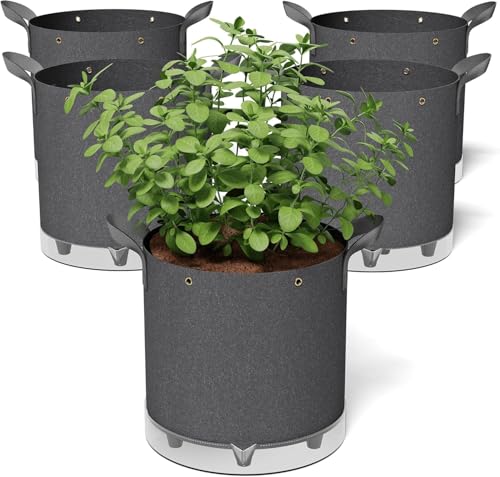
Innovative Self-Watering: A 1.31 gallons reservoir reduces watering frequency while continuously supplying the moisture plants need. The rigid stand keeps soil elevated, preventing waterlogging for a low-maintenance growing experience.

Made in the USA Of 95% Recycled Eco-friendly Polypropylene
Transportation Emissions: The Journey of a Reusable Bag
Have you ever stopped to think about where your reusable bags come from? It’s easy to forget that they don’t just show up magically in stores. Transportation emissions can really add up on their journey from the manufacturer to your home. For example, if a cotton bag is shipped from overseas, that trip is long and creates a huge carbon footprint. Even heavier plastic bags often require energy-intensive transport.
Here’s the trick: By choosing local options, you can help cut down on those emissions. Seriously, every little bit counts! You want to make sure you’re not just trading one problem for another, right? So, let’s talk about what you can do.
- Look for bags made nearby or even better, consider making your own!
- Ask local shops if they have reusable bags that they source locally.
So, why does this matter? It’s all about keeping our planet healthy while still being smart shoppers. Next time you’re at the store, think about the story behind your reusable bag. It’s not just a simple purchase; it has a journey, too.
In the end, shorter distances mean fewer emissions, which is a win for everyone! Have you ever picked up a bag and wondered where it’s been? Just a little thought can lead to better choices for our environment. Also, choosing bags made from BPA-free food-grade silicone ensures safety and sustainability are part of that choice.
How to Maximize Lifespan and Usability of Reusable Bags
Have you ever reached for your reusable bags only to find they’re dirty or crumpled in the corner? Keeping those bags around for the long haul is easier than you might think.
First off, let’s talk about cleaning. It’s so important to wash your bags on a regular basis—no one wants to haul home groceries in a stinky tote! Whether it’s tossing them in the washing machine or giving them a good hand wash, cleanliness is key.
Next, think about where you store them. Try keeping your reusable bags in plain sight—maybe by the front door or in the trunk of your car. That way, you’ll never forget them when you’re out shopping.
Now, here’s a fun idea: when you’re not using your cotton bags, consider repurposing them! They make great gift wrap or can help keep your stuff organized at home. So, why let them sit idle when they can be so handy?
Frankly, it’s also a good idea to get involved in your community. Check if there are bag-sharing programs in your area. It’s a simple way to promote sustainability while making your bags even more useful.
To maximize the lifespan of your bags, look for options made from heavy-duty cotton fabric that can handle repeated use and washing.
Together, we can make a difference in reducing the impact of single-use bags. You’ll find that with a little care and creativity, your reusable bags can be both practical and long-lasting! What’s your favorite way to keep your reusable bags in good shape?
Recommended Products

Bulk Personalized Tote Bag: You can add any design including text, names, dates, symbols, logos, and images. Click "Customize Now" to create your unique tote bags. Custom options are available in bulk packages of 1, 5, 10, 20, 30, 50, 100, 200.

Wholesale Bulk Pack for Businesses – Get 100 custom canvas tote bags perfect for corporate giveaways, trade shows, and retail branding campaigns.

13"W x 15"H x 5"D, 100% Recycled Cotton Canvas Tote Bag with Natural Cotton Handles, Reinforced Stitching. Inside Pocket: Practicality meets convenience with an inside pocket, allowing you to keep your essentials organized. From keys to a small notebook, this added feature enhances the functionality of your tote.
End-of-Life: Recycling and Composting Challenges
Ever find yourself wondering what happens to your reusable bags when they’re worn out? It’s a common dilemma, especially when you care about the planet. Synthetic reusable bags, like those made from polypropylene, are tricky when it comes to recycling. Their complex materials don’t break down easily, and many places just don’t recycle them. That means they end up in landfills where they could linger for a really long time.
Now, biodegradable bags sound great, right? But here’s the catch: when they break down in landfills, they can emit methane, a greenhouse gas that’s not good for our environment. So, what’s the best course of action when your beloved bags have reached the end of their useful life?
Try this: look into upcycling. There are some amazing initiatives out there that creatively repurpose old bags into new things! However, the success of these efforts really hinges on awareness and whether they’re actually feasible for us as consumers. You’re in the driver’s seat!
The best part is, you can also support local recycling programs. Educating yourself and others about proper end-of-life management for reusable bags can boost environmental sustainability in your community. Remember, every little bit helps.
Reusable Bags vs. Single-Use: Which Is Better for the Environment?
Choosing between reusable bags and single-use ones can be tricky, can’t it? It’s essential to think about what happens once those bags have served their purpose. While single-use plastic bags have a smaller carbon footprint per use, they’re notorious for causing long-term pollution problems. On the flip side, reusable bags like cotton or synthetic ones need to see some serious action to really pull their weight.
Did you know that cotton bags use about 130 liters of water and emit 4 kg of CO2 to produce? That’s quite a bit! To make up for their environmental impact, you’ll need to use them at least 50 times. Here’s the kicker: even paper bags need a few trips before they start to minimize their environmental harm. So, the takeaway is to think about how often you’re using those reusable bags. Each time you grab one, you bring your carbon footprint down a bit!
Let’s get practical for a moment. If you’re committed to making those reusable bags work for you, try this: keep them in your car or by your door so you don’t forget them when you head out shopping. Honestly, the more you use them, the better they become for the environment. Reusable options made from food-grade silicone are especially durable and can replace hundreds of single-use bags. So, how many times can you use that cotton bag before it pays off? Every trip counts!
Recommended Products
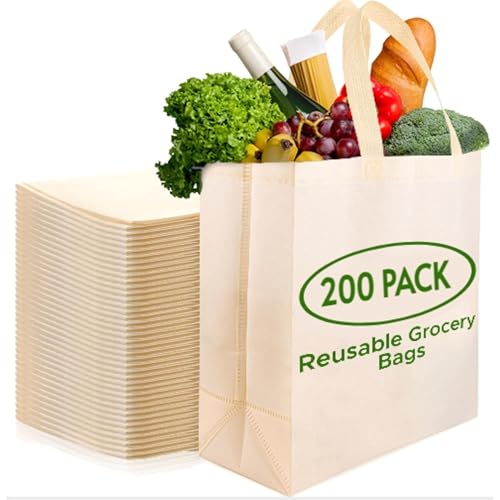
✅ 200 PACK PREMIUM REUSABLE SHOPPING AND GROCERY BAGS: Measuring 14.5" x 14" x 6.6", perfect for shoppers and commercial use Do your part to help the environment by using our premium, reusable shopping bags. With a sturdy and durable design, these eco-friendly bags can be used to carry products, gardening supplies, craft items, groceries, and more. Use them over and over again for all of your shopping needs.

CONTAINS: 3 Stasher Reusable Silicone Bowls in the colors Green, Red, and Blue. Includes 4 Cup (32 Fl Oz), 6 Cup (48 Fl Oz), and 8 Cup (64 Fl Oz) Bowl.

Meal Prep 5p/set (MINI SQUARE 0.85qt*4, Vacuum Sealer)
Future Innovations for Reusable Bags
Are you tired of single-use plastic bags taking over your life? You’re not alone. As we all try to do our part for the environment, it’s uplifting to see some cool innovations in reusable bags that could really make a difference.
For instance, have you heard about bags made from algae-based plastics or even mushroom leather? These materials are breaking new ground in the quest for biodegradable options. They can significantly cut down on plastic waste and reduce our carbon footprints. Plus, there are smart reusable bags equipped with RFID chips that help you keep track of how much you’re using them. That means no more guessing how many bags you need next time you hit the store.
Another fun trend is customizable bags. You can express your personal style and support sustainability at the same time. It’s a win-win! The best part is that these innovations are striking a balance between being durable and eco-friendly, so you don’t have to compromise on quality while caring for the planet.
Truth is, as more people become aware of environmental issues, we’re likely to see a bigger push towards recycling and a circular economy. This means reusable bags could be even more environmentally friendly in the future. So, why does this matter? It goes beyond just carrying groceries; it’s about changing habits and encouraging a more sustainable lifestyle.
Choosing bags made from natural materials like cotton or canvas also helps ensure biodegradability and reduces synthetic waste.
Recommended Products

WHAT IT IS: Biodegradable Eye Masks to Help Visibly Depuff and Hydrate the Delicate Under Eye Area, Leaving You Looking Refreshed and Energized

🛍️ DURABLE AND RELIABLE BAGS - Our EcoRoots reusable produce bags are 100% organic cotton, they feature a drawstring and are the perfect gift. They are superior double-stitched strength, with tare weight on tags and stainless steel cord. Plus, the reusable mesh produce bags are easy to wash and dry. They fold up compactly so you can keep them available every time you shop. And multiple sizes of reusable vegetable bags are a helpful way to make sure you're not carrying around more than you need

Material: Made from 100% cotton for eco-friendliness and durability
Why Do Reusable Bags Matter for the Environment?
Have you ever thought about the impact of all those single-use plastic bags piling up? It’s a real issue for our environment, and that’s where reusable bags come into play! They might seem like just a cool trend, but they actually help us reduce our carbon footprint significantly compared to those plastic ones.
Sure, single-use plastic bags may have a lower carbon impact for each use, but the problem is they stick around forever—yikes! Now consider cotton bags; to make a real dent in eco-friendliness, you need to use them about 7,100 times. That’s a ton of grocery trips! Plus, think about the resources involved—producing them requires around 130 liters of water and contributes to CO2 emissions.
So, why does this matter? The good news is that lifecycle assessments show that with enough uses, reusable bags can actually promote sustainability by cutting emissions over time. Try this: if you start using those reusable bags regularly, you’ll be doing your part to help the planet and reduce waste. The best part is, every time you use them, you know you’re making a difference!
In the end, investing in reusable bags can really pay off—both for you and the environment. So, next time you’re out shopping, think about the impact of your choices. What’s one small change you can make today to help? Choosing products made from BPA-free materials is another way to ensure safety and environmental friendliness.
Frequently Asked Questions
What Impact Can Reusable Packaging Have on the Environment?
Reusable packaging, like bags, offers eco-friendly materials that considerably reduce waste, enhance recycling potential, and lower transportation emissions. By embracing these benefits, we can change consumer behavior, minimize manufacturing impacts, and reduce water usage effectively.
What Are the Environmental Impacts of Single-Use Bags?
As we watch plastic bags drift like lost kites, we realize single-use convenience fuels resource depletion, driving carbon emissions and landfill overflow, contributing to plastic pollution, wildlife hazards, and ocean degradation. Public awareness is essential for change.
What Is a Life Cycle Analysis for Information on Environmental Effects of Products?
A life cycle analysis evaluates sustainability metrics by evaluating resource consumption and manufacturing processes. It informs consumer behavior, focusing on product longevity, waste reduction, and overall ecological footprint, ultimately guiding us towards better environmental assessments.
What Is the Carbon Footprint of a Reusable Bag?
Sure, we’ll save the planet, one reusable bag at a time! But, let’s face it, production emissions and transportation footprints matter too. Our usability duration and consumer behavior dictate the recyclability rates. Comparisons made can surprise us!


