


When you’re shopping, have you ever stopped to think about where your products come from? It’s time to dig a little deeper and ask some crucial questions about ethical manufacturing that can lead to better choices for our planet!
Start by checking the source of the materials. Are they sustainably harvested or ethically sourced? Look for certifications that prove the brand takes its environmental impact seriously—things like ISO 14001 can be a good sign.
And don’t forget to investigate the suppliers’ practices. Are they committed to sustainable and fair labor practices?
Another point to consider is product durability. No one wants to buy something that won’t last, right? Think about how you’ll dispose of the item when it’s time to say goodbye. Can it be recycled or composted? Those end-of-life options matter more than you might realize.
Transparency is key in building trust with the brands we choose. When companies show they care about both people and the planet, it makes you feel good about your purchase.
So when you’re browsing, ask yourself: Is this brand doing its part for the Earth?
In short, being a mindful shopper isn’t just a trend; it’s a responsibility. Next time you’re out shopping, take a moment to consider these points and reflect on the impact of your choices. How will you encourage others to think about ethical manufacturing?
Key Takeaways
- Inquire about the sourcing of materials to ensure they are ethically produced and sustainably harvested.
- Ask for certifications like ISO 14001 to verify the supplier’s commitment to environmental standards.
- Check if the manufacturer employs waste reduction strategies and offers take-back recycling programs for products.
- Request transparency regarding labor practices and wages within the supply chain to ensure ethical treatment of workers.
- Verify the longevity and maintenance requirements of products to ensure durability and support sustainable consumption.
Why Is Material Sourcing Vital for Ethical Manufacturing?

Ever thought about where the materials for your products come from? It’s something we often overlook, but material sourcing is a huge part of ethical manufacturing. When you choose local materials, you’re not just creating your products; you’re also reducing the carbon footprint. Shorter travel distances mean less pollution in our air, which is something we can all get behind.
So, why does this matter? Knowing the origin of your materials is key. It ensures they’re sourced ethically, which builds trust with your customers. Plus, using recycled or renewable materials helps cut down on waste, sparing our planet’s precious resources.
Here’s the trick: always think about the end of your materials’ life. Can they be recycled or composted? This mindset not only keeps the planet cleaner but also supports a circular economy.
The best part is, making these small choices can lead to big changes for the environment. Additionally, selecting products with organic certification guarantees quality and reduces harmful chemical exposure, aligning with ethical practices. So, take a moment when you’re planning your next project. Are you choosing wisely? It makes a difference, and it’s worth considering!
How to Identify Credible Environmental Certifications?

Ever tried to find credible environmental certifications? It can feel overwhelming with so many options out there. You want to make sure you’re supporting brands that genuinely care about the planet, right? Here’s what to look for.
Start by checking for certifications like SCS Indoor Advantage™ Gold or ISO 14001. These indicate that a product has low emissions and good environmental management. If you’re shopping for furniture, make sure it has BIFMA LEVEL certification. It’s a sign of serious sustainability standards. Now, if you come across Cradle to Cradle certifications, that’s another great find. They evaluate the entire lifecycle of a product to ensure it’s eco-friendly and safe.
Also, take note of Declare Labels. Think of them like an ingredient list, but for environmental impact. They help you see exactly what a product is made from and its potential effects on the planet. And don’t overlook LEED and WELL certifications; if you see these on products, it means they contribute to healthier spaces, which is something we can all appreciate.
When choosing products, consider those made from eco-friendly materials like stainless steel, known for its durability and sustainability.
Recommended Products

【 DUAL-PURPOSE CHAIR CART & COAT RACK 】 Transforms from a high-capacity folding chair cart into a coat rack with removable bars—ideal for events, lobbies, and multipurpose rooms. Holds up to 84 standard folding chairs or 60+ coats for flexible, space-efficient storage and transport.

ERGONOMIC DESIGN: The Soji ergonomic office chair blends comfort with flexible mesh back support to keep you focused and energized. Whether you need a computer chair for work or a desk chair for study, it adapts to home or office use.

【 EXTRA-LARGE FOLDING CHAIR CART 】 Transport up to 50 folding chairs in one trip with this extended-capacity chair dolly, ideal for schools, rental centers, auditoriums, and event venues that require high-volume, efficient storage and movement. Great for daily facility use or fast event setup and breakdown.
How Can I Find Out Where My Materials Come From?

Ever wonder where your materials really come from? It’s a valid question, especially as we become more conscious of what we consume. To get the lowdown on raw materials, you need to dig a little deeper. Start by asking suppliers for transparency in their supply chains. If they can show third-party certifications like ISO 14001, that’s a solid indicator of their commitment to sustainability.
Don’t forget to check for traceability documentation. This helps you understand the journey your materials take—from extraction to production. It’s key to know where everything is coming from.
And here’s something to consider: try to prioritize manufacturers who use locally sourced materials. This not only supports your local economy but also cuts down on transportation emissions, which is a big win for the planet!
Honestly, it helps to do some research into the environmental regulations and labor practices in the regions where materials are sourced. So, why does this matter? Well, it’s all about making informed and ethical choices.
In short, being aware of where your materials come from can make a real difference. Next time you’re shopping, think about what you really want to support with your purchases. What steps will you take to ensure your materials are food-grade materials ethically sourced?
Recommended Products

PREMIUM MATERIALS: Crafted from solid 14K white gold, stamped and hallmarked for authenticity. Both pendant necklace and dangle earrings are made from real, solid precious metal for lasting quality and durability.

PRODUCT DESCRIPTION - An essential for any jewelry collection! A pair of 5mm, all natural emerald gemstones are surrounded by 36 sparkling diamonds. 36 diamonds weigh 1/5 carat in total. The earrings are set on 14K white gold settings. A great pair of gemstone and genuine diamond earrings, perfect for everyday wear!

Product Specification: 10K Rose Gold Diamond Crown Shaped Promise Ring with natural diamonds-1/8CT.TDW with 39 prong set diamonds with high polished finished metal. These diamond rings are approximately 21.00 mm wide, 21.00 mm length & 2.50 mm high. The image has been enlarged to show detail; please refer to the scaler image for actual dimensions.
Identify Sustainable Practices to Look for in Suppliers
Ever wonder where your materials really come from? Digging into the source is just the tip of the iceberg. Now it’s time to take a closer look at how your suppliers are handling their eco-friendly practices. It’s super important to ask the right questions to uncover their commitment to sustainability. For starters, ask if they use post-consumer recycled materials—every little bit adds up, right?
Another easy win is checking for third-party sustainability certifications. Think about ISO 14001 or BIFMA LEVEL; these badges show that a supplier is serious about their environmental impact. You definitely want to prioritize those who source materials from areas with strict environmental regulations; it’s a solid indicator of ethical practices.
And let’s talk end-of-life options for materials. Do they have recyclable or compostable options? Knowing this helps you align with circular economy goals, ensuring that what you buy won’t just end up adding to a landfill. So, why does this matter? It’s about making smarter choices that benefit both your business and the planet.
In short, asking the right questions can guide you to suppliers that truly care about sustainability. Moreover, choosing products with cruelty-free and environmentally conscious attributes supports ethical manufacturing and environmental stewardship. It’s a small effort for a bigger impact, don’t you think?
Recommended Products

RECLAIM dividers can be cleaned with up to 75% isopropyl alcoholRated to absorb 85% of ambient noise (NRC 0.85)Made from recycled eco-friendly materialsFabric: 100% PETCore Ma
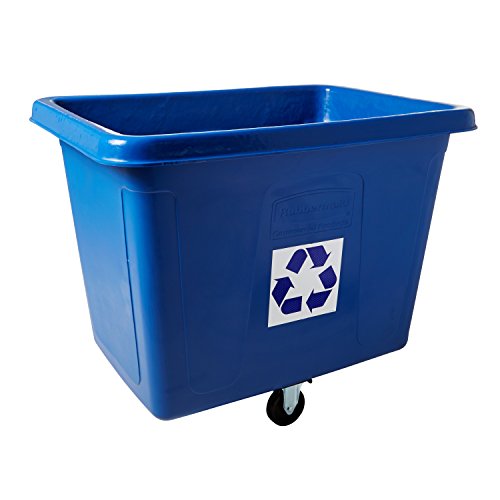
Polyethylene bin is lightweight and durable, resists cracking, and helps form a barrier to gases, vapors, and moisture.

ERGONOMIC KNEELING CHAIR - Multi tips your hips into an open angle so you sit tall and engage your core instead of slouching, a comfortable alternative to a standard desk chair.
Best Practices for Evaluating Waste Management Strategies in Manufacturers
Have you ever stopped to think about what happens to all the waste produced by manufacturers? It’s pretty eye-opening when you consider the impact on our environment. One approach you can explore is whether these companies are using circular solutions—things like reusing and recycling their waste. This can really help reduce the overall waste they generate.
Consider asking manufacturers about how they track their production waste. Are there specific waste reduction targets in place? Do they conduct quarterly waste audits to measure their progress? Those details can reveal a lot about a company’s commitment to waste management. Oh, and if they have recycling or take-back programs, that’s something to look for too! These initiatives encourage people to dispose of products responsibly, which is crucial for sustainability.
When diving deeper, don’t forget to seek out documented data on their waste reduction achievements. It can provide you with tangible insights into how effective their strategies are. Truth is, certifications like ISO 14001 can signal that a manufacturer takes waste management seriously. If you spot this, it’s often a good indicator that they’re committed to sustainable practices. Also, checking if manufacturers utilize renewable resources in their materials can further demonstrate their dedication to environmental responsibility.
Recommended Products

Rubber Top - Better Choice for Home Gym: You will like the rubber top because the common EVA foam mats are too soft or flimsy for your home gym and all rubber fitness mats were too expensive. This double-layer mat is the perfect solution for working out at home, you will get the softness and affordability of the EVA foam with the sturdiness of the rubber layer on top

𝐕𝐀𝐋𝐔𝐄 𝐏𝐀𝐂𝐊 𝐃𝐈𝐍𝐍𝐄𝐑𝐖𝐀𝐑𝐄 - It includes 200 Cases of 50-count of 10-inch and 7-inch square plates. Make this your one-stop shop for all your dinnerware. They are available in multiple sizes and shapes for you to choose from on your special occasion. Being portable, they are best used for Birthday parties, weddings, picnics, camping, and outdoors too.

Outdoor Patio Dining Set: Environmentally friendly and durable poly bar-height table and four swivel bar chairs perfect for any balcony, patio or pool side.
How Do I Evaluate Material Durability?
When you’re shopping for products, do you ever stop to think about the materials behind them? It’s not just about what they look like; understanding their durability can make a huge difference. Look for materials with a longer lifespan. After all, the longer something lasts, the less waste you’ll generate and the fewer times you’ll need to replace it.
Consider how well materials hold up against wear and tear, the weather, and other elements that can affect their performance over time. If a product is going to sit outside in the rain or get a lot of traffic from your family, it needs to be tough enough to handle it. So, what’s a good way to gauge durability? Check out warranties. If a company stands behind its products enough to offer a solid warranty, that’s often a sign they believe in their durability.
Maintenance matters, too. No one wants to spend hours cleaning or fixing a product. Aim for materials that require minimal upkeep. That way, you can spend more time enjoying your purchase and less time worrying about repairs.
Don’t forget to look into the source of the raw materials and consider their environmental impacts. Choosing durable options often aligns with our sustainability goals, helping you make choices that are good for the planet as well as your home. For example, choosing BPA-free 304 stainless steel helps ensure both durability and safety in daily use.
In short, evaluating material durability is about digging a little deeper. Next time you shop, ask yourself: are these materials going to stand the test of time?
Recommended Products
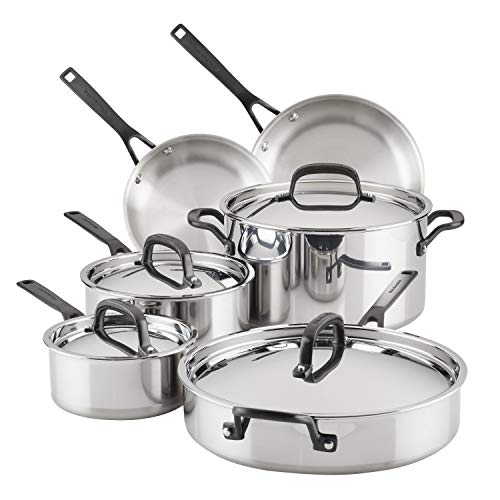
FIVE-PLY HEAT CONDUCTION: 5 ply stainless steel cookware with three layers of extra thick, heat conducting aluminum between two layers of stainless steel holds optimum heat from base to rim for intense sears to low and slow braises

5-PLY STAINLESS STEEL COOKWARE HEATS EVENLY – Five layers of steel and aluminum spread heat evenly and retain heat. No hot spots. Food cooks perfectly edge to center.

5-Ply Professional Construction – Even Heating, No Hot Spots – Crafted with premium 5-layer clad technology (304 + 1050 + 3003 + 1050 + 430 steel), this 17-piece set delivers even heating across every surface. The Dual aluminum core ensures 30% faster heating with superior retention – no hot spots or burnt food, just professional-grade searing. The magnetic 430 steel exterior makes it induction compatible on gas, electric, ceramic, and glass. Securely riveted handles provide lasting durability. Restaurant-quality for your home kitchen.
End-of-Life Options for My Products
Have you ever thought about what really happens to the products you use when they’re all used up? It’s one of those things that can seem boring, but thinking about the end-of-life options for our items is actually super important.
Start by checking if a product is designed for disassembly. If it can be taken apart easily, that usually means it’s simpler to recycle. Try looking for brands that offer take-back programs. These initiatives can really help you get rid of your used products without just tossing them in the trash.
And what about the materials? Some items can be recycled, while others can’t, so it’s good to know what you’re dealing with. If composting is an option for any product, that’s a win for reducing landfill waste. Plus, it doesn’t hurt to see if brands give guidelines for proper disposal. Compostable products that are BPI Certified ensure they will break down properly in composting facilities, making disposal easier and more environmentally friendly.
How Can Transparency in the Supply Chain Foster Trust?
Have you ever thought about what happens to your favorite products when they’re no longer useful? It’s easy to focus on picking the right stuff, but knowing what happens at the end of that product’s life is super important too. When companies are open about their supply chains, it allows you to track where materials, like rapidly renewable resources, actually come from. This transparency builds trust because you can see they stick to fair wages and responsible practices.
Look for brands that share their sourcing details. Many of them get certified by organizations like the Forest Stewardship Council, which can really boost your confidence in their practices! And honestly, it’s refreshing when a company provides clear documentation that shows they care about the environment and the communities they operate in.
When you choose to support brands that value transparency, you’re not just buying something; you’re making a choice that contributes to positive change around the globe. So, the next time you’re shopping, consider asking yourself: “Am I supporting a company that’s clear about where its products are coming from?” Considering products with an eco-friendly design also ensures less plastic waste and aligns with sustainable choices.
Frequently Asked Questions
What Are the Ethical Considerations in Manufacturing?
In manufacturing, we should prioritize sustainable materials and advocate for labor rights, ensuring fair wages and safe conditions. It’s essential to minimize environmental impact, implementing practices that protect our planet and support workers’ well-being.
What Are the Questions You Can Ask Before Buying Anything?
Before buying, we can ask brands about fair trade practices, confirm their commitment to sustainable sourcing, and inquire how they uphold labor rights throughout their supply chains. Transparency in these areas is essential for informed choices.
What Questions Should You Ask a Manufacturer?
When we talk to manufacturers, let’s ask about their sustainability practices, transparency in the supply chain, and labor conditions. It’s essential we guarantee they’re doing the right thing for both people and the planet.
How to Know if a Manufacturer Is Ethical?
To know if a manufacturer is ethical, we should seek supply chain transparency, verify worker rights, and assess their environmental impact. Asking about their practices and certifications helps guarantee they’re committed to responsible production standards.


