

Ever picked up a product that claims to be eco-friendly and wondered if it really is? You’re not alone. Greenwashing has become a big issue, and it can be tricky to separate real sustainability from clever marketing.
Start by being cautious of terms that sound nice but don’t mean much. Look for words like “natural” or “eco-friendly” on the package—these can often be misleading unless they’re backed by real evidence.
Instead, check for third-party certifications such as USDA Organic or Cradle to Cradle. These labels can give you confidence in a product’s claims.
Do some sleuthing on the brands you’re considering. Just because a product looks good on the shelf doesn’t mean it’s environmentally friendly. Take a moment to dive into the brand’s practices and claims.
If you come across something that sounds too good to be true—like “carbon-neutral air travel”—you might want to dig a little deeper.
Here’s the trick: trust your instincts. If a product sounds overly perfect, it could be a sign of greenwashing. Being informed is key in making better choices.
Remember to keep your eyes peeled for transparency and accountability in eco-friendly products.
In short, know what to look for and don’t be afraid to question a product’s claims. Have you come across products that seemed green but didn’t stack up?
Key Takeaways
- Look for specific third-party certifications like USDA Organic or Cradle to Cradle to validate eco-friendly claims.
- Avoid vague buzzwords like “eco-friendly” or “natural,” as they often lack clear definitions and can be misleading.
- Check for transparency in a brand’s practices; credible companies will provide detailed information about their sustainability efforts.
- Be cautious of claims that highlight minor achievements while ignoring larger negative impacts on the environment.
- Research the brand’s background and past practices to identify any history of exaggerated or misleading environmental claims.
Understanding Greenwashing: What It Is and Why It Matters

Ever felt good about buying eco-friendly products? It’s a nice thought, but there’s something you need to know: greenwashing. This sly trick is where companies use misleading marketing to make their environmental claims sound way better than they actually are. Believe it or not, a recent study revealed that 42% of these claims are exaggerated! Why’s that a big deal? Because only 34% of folks like you and me trust brands when they tout sustainability.
So, how do we navigate this tricky landscape? First things first, keep your eyes open. In 2010, a shocking 95% of green products made false claims! That alone should make you think twice before jumping on any “green” bandwagon.
Here’s the trick: always scrutinize the labels. Look for specific certifications instead of vague terms like “eco-friendly.” Familiarizing yourself with what these labels mean can save you from falling victim to slick marketing.
Also, knowing the importance of plastic-free packaging can help you distinguish truly sustainable options from greenwashed ones.
And don’t hesitate to ask questions! If a brand makes an impressive sustainability promise, dig deeper and find out what it really means. Transparency is key.
At the end of the day, staying informed helps us all make better choices. So, the next time you’re shopping and see that shiny green label, remember to pause and think critically. Are you really buying into something that’s good for the planet? Let’s keep each other accountable!
Common Tactics Used in Greenwashing
Ever get that feeling of being an eco-warrior while shopping for green products, only to wonder if you’re getting duped? It’s super frustrating, right? Companies often throw around buzzwords like “eco-friendly” or “natural,” but what do they really mean? It can be tough to figure it out.
Take Keurig, for example. They say their pods are recyclable, but only in specific places that most of us never even see! And just because a package has beautiful nature scenes, it doesn’t guarantee the product is friendly to our planet. Sometimes, brands focus on small victories while completely ignoring much larger issues, like how Shell talks about clean energy but still digs for fossil fuels.
And let’s talk about those labels that look fancy but aren’t backed by any third-party certification. Do they really mean anything? You might want to think twice before trusting them. Genuine eco-friendly products often feature certifications like OEKO-TEX standards that ensure safety and chemical-free production, which is a detail worth checking before buying.
Recommended Products

【Grade 6A Mulberry Silk Material】This women's pajama set is made of 22 momme 100% mulberry silk and is OEKO-TEX certified to ensure environmental protection and safety. Natural mulberry silk is rich in 18 kinds of amino acids, which can deeply moisturize your skin and provide you with an unprecedented comfort experience.
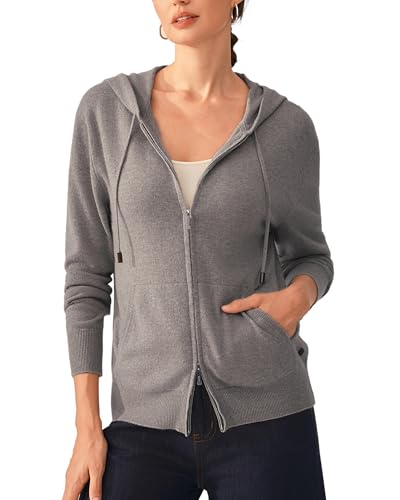
Premium Material: Crafted from 100% pure cashmere, this sweater is knit on a fine 12-gauge machine with twisted yarn, ensuring exceptional softness and lasting durability.

Premium Material: Crafted from 100% pure cashmere, this sweater is knit on a 7-gauge machine with complex twisted yarn, ensuring exceptional softness, resists pilling and lasting durability.
Identifying Common Signs of Greenwashing in Marketing
Identifying signs of greenwashing in marketing can feel overwhelming, but it doesn’t have to be. Have you ever seen a product labeled “eco-friendly” or “natural” and wondered what that really means? If there’s no solid proof to back it up, it might just be a marketing ploy!
Take a closer look at the packaging, too. Products that boast beautiful nature imagery might seem sustainable—until you dig into their actual practices. And if you come across something described as “recyclable,” make sure there are clear recycling guidelines available. Otherwise, that’s a red flag waving right at you!
Third-party certifications are crucial, so keep your eyes peeled for those. If a product claims to be environmentally friendly but lacks independent backing, its credentials are probably questionable. Honestly, it’s worth asking yourself: how much do you trust those claims?
Have you ever come across a claim that sounds a bit out there? For instance, carbon-neutral air travel raises eyebrows. If something seems too good to be true, it often is.
Also, assess if the product uses certified organic ingredients to ensure genuine health and environmental benefits.
So, on your next trip to the store, remember these tips:
- Watch for vague terms like “eco-friendly.”
- Look for certifications.
- Don’t be fooled by pretty pictures.
Staying informed and asking the right questions can help you steer clear of misleading claims. After all, your shopping choices matter! What steps will you take to make more eco-conscious decisions?
Recommended Products

Water Level Window - This Purewell stainless steel filtration system features a transparent window, allowing you to easily monitor the water level without having to open it.

💎 DURABLE STRUCTURE: 10”x 4.5” Transparent Housing Set is proper for high-flow applications. The housing body is made of reinforced polypropylene for strength & resistance to chemicals, the black cap is made of high-flow polypropylene for toughness. Food grade material makes all filtered water is safe & healthy. The cap has 1" inlet / outlet brass ports which allowed better sealed connections to the corresponding pipes. This unit is appropriate for well water, commercial & industrial filtration

32 lbs Potassium Hydroxide (KOH) per container packaged 16 x 2 lbs per container in an HDPE container with a resealable child proof cap.
Researching Eco-Friendly Products Before Buying
How often have you bought something that claimed to be eco-friendly, only to wonder later if it was just clever marketing? It’s frustrating, right? To really make sure you’re picking genuine green products, there are some steps you can take before hitting that “buy” button.
First off, take a peek into the brand’s background. Companies that genuinely care about the environment are usually open about their practices, so if you can’t find any info on their sustainability efforts, that’s a red flag. Next, keep an eye out for third-party certifications like USDA Organic or Cradle to Cradle. These badges of honor can confirm that those eco-claims aren’t just buzzwords.
You might also want to check out credible online resources, such as the Environmental Working Group’s Food Scores, to see what real customers are saying. Don’t be fooled by vague terms like “natural” or “eco-friendly”—they can be slippery and misleading.
Frankly, doing a little research ahead of time can save you from falling into those greenwashing traps. You’ll be making more informed choices, and that feels good, right? So, next time you shop, remember these tips to navigate the world of eco-friendly products confidently. Isn’t it empowering to know you can make a difference with what you buy? Also, considering factors like material composition can help you identify truly sustainable products.
Recommended Products

Safe, Non-Toxic Material - These condiment cups are made from FSC-certified 100% bambo and finished with top-grade natural oil to prevent drying and cracking.

HIGH QUALITY WOODEN SPOON SET - Eco-friendly Wood Spoons for Cooking made of high-quality Bamboo. It's food-safe and non-toxic. 100% Bio-degradable. Designed to last a lifetime, they will not absorb odors and will not crack under heat. Mill Bamboo Spoons - Set of 8 Spoons
Importance of Transparency in Green Marketing
When you’re on the hunt for eco-friendly products, it’s not enough to just grab something with a cute leaf logo. You want to dig a bit deeper and understand what that logo really means! Transparency in green marketing is crucial, and nobody likes vague claims that make you go, “What does that even mean?”
The Federal Trade Commission (FTC) Green Guides make it clear: companies need to back up their environmental claims or they risk misleading us. If you stumble upon a brand that doesn’t have clear information about its sustainability practices, it’s possible they’re trying to pull a fast one on you (hi there, greenwashing!). So, here’s the trick: always look for third-party certifications. Those little stamps of approval? They can really help you feel more confident in your purchasing choices.
Being open about sustainability efforts not only helps companies build trust, but it also protects them from backlash. Customers genuinely appreciate brands that keep it real. So, why does this matter? Transparency makes it easier for you to make informed decisions that align with your values.
Remember, a green label without substance means nothing. Keep an eye out for companies that share their eco-journey transparently. In the end, it’s all about feeling good about what you buy and supporting brands that are genuinely making a difference.
Honestly, it’s empowering to know we can support better practices just by asking the right questions. One key aspect to consider is whether a product uses truly effective and safe components like hydroxyapatite to deliver real benefits. What small steps can you take today to make more informed choices?
Decoding Vague Claims: What to Look For
Have you ever noticed how tricky it can be to find a truly eco-friendly product? Companies are masters at using vague claims to grab our attention, making it hard to figure out what’s real. Terms like “natural,” “sustainable,” or even “eco-friendly” can sound appealing but often lack actual definitions. It’s a bit like calling a fast-food burger gourmet!
To avoid getting tripped up by greenwashing, keep an eye out for credible third-party certifications. Look for labels like USDA Organic, which back up those environmental promises. And be wary of clever packaging—just because something has ocean-blue colors doesn’t mean it’s good for the ocean.
It’s also worth questioning products that make big claims but don’t seem to add up. For instance, what does “carbon-neutral” really mean if the product can’t be recycled locally? Transparency is key here; companies that are genuine about their practices will provide details. So, dig a little deeper before you fill your cart with those so-called green products! Additionally, choosing items made from rapidly renewable resources, like bamboo, can be a truly sustainable decision.
Recommended Products

CRAFTED WITH COLOR: These eye-catching utensils feature a rainbow blend of red, green, orange, blue and natural wood colors

Superior Teak Wood: Crafted from premium teak sourced sustainably, these utensils offer durability and rich colouring.

WHAT’S INCLUDED? The only wooden cooking utensils set with 10 pcs that meet all your cooking needs. This non toxic cooking utensils set includes flat frying spatula, wok spatula, slotted spatula, spaghetti pasta server, serving spoon, mixing spoon, soup ladle spoon, skimmer spoon, seasoning/oil spoon and salad fork.
Examples of Greenwashing in the Real World
Ever wonder if companies really care about the environment or if they’re just trying to sell us more stuff? Greenwashing is a real thing, and it looks like many brands are pulling a fast one on us. Take McDonald’s paper straws, for example. They were marketed as eco-friendly, but guess what? They’re actually non-recyclable. Disappointing, right?
Then there’s Coca-Cola Life. They touted fewer calories, but it still had a hefty amount of sugar. Talk about a letdown! H&M recently entered the sustainable fashion conversation, but a report found that 96% of their claims about fast fashion were misleading. That’s a staggering number! Even Nike got called out for some questionable environmental claims.
And let’s not skip over Lavazza’s coffee pods, which made misleading statements about being compostable. Honestly, it’s crucial to be aware of these greenwashing tactics, as they can easily trick us into making choices we think are better for the planet.
So, how can you avoid falling for these traps?
- Keep an eye out for certifications that are backed by third parties.
- Research brands to see if their claims hold up under scrutiny.
- Don’t just take their word for it—look for transparency in their practices.
For example, choosing products with genuine organic certifications can help you avoid misleading environmental claims.
The best part is, being an informed consumer helps you make choices that truly benefit the environment. Let’s stay sharp and hold these companies accountable! How do you plan on spotting greenwashing in your shopping habits?
The Role of Regulations in Combatting Greenwashing
Ever felt confused by all those green claims companies make? It can be frustrating when you want to make eco-friendly choices, but it seems like some brands are just playing tricks. That’s where regulations come into play. They help us spot and combat greenwashing, which, let’s be real, can be pretty clever.
The Federal Trade Commission (FTC) has created Green Guides to shed light on environmental claims, but don’t get too comfortable. They’re more like friendly suggestions than strict laws. Still, don’t let that discourage you. If you catch a company being misleading, there’s still hope—Section 5 of the FTC Act is there to tackle deceptive practices head-on!
You might have heard about the case against Keurig Dr Pepper for false recycling claims. This kind of accountability is important! When brands get called out, it sends a clear message that consumers won’t stand for greenwashing. So, if you run into any suspicious claims, don’t hesitate to report them. Every little action counts and helps keep those brands in check.
Here’s the trick: staying informed and being proactive is key. You can ask yourself questions like, “Is this claim backed by facts?” or “What evidence do they provide?” Being skeptical can be your best defense against misleading marketing.
In the end, let’s work together to hold brands accountable. It’s about being smart with our choices and supporting companies that genuinely care about the planet. Have you spotted any greenwashing lately? Let’s keep each other informed!
Keep an eye out for products that highlight certifications like BPI or FSC, as they signify genuine eco-friendly commitments worth trusting.
How to Make Informed Sustainable Purchasing Choices
Buying sustainable products can feel tricky, can’t it? With so many brands claiming to be eco-friendly, it’s tough to know what’s real and what’s just clever marketing. To avoid falling for greenwashing, put in a little effort to research brands and their practices. Check how open they are about their supply chains; transparency is key.
When you’re shopping, keep an eye out for certifications like USDA Organic or Fair Trade. These labels indicate that a product meets important environmental and ethical standards. But be cautious—terms like “eco-friendly” or “natural” can be pretty vague and misleading. So, what should you do?
Here are some tips:
- Look for credible third-party certifications.
- Check resources like the Environmental Working Group’s Food Scores to dig deeper into ingredient lists.
- Get involved with organizations that advocate for better practices and don’t hesitate to report companies making misleading claims.
Honestly, making informed choices is empowering. You want to feel good about what you’re buying, right? So, the next time you shop, take a moment to pause and reflect on the choices in front of you. Brands that emphasize biodegradable formulations often demonstrate genuine environmental responsibility.
Recommended Products
![Raj Palm Leaf Plates [50-Pack] 8" Square Plates(40 Cases - 2000 PACK) like Bamboo plates Disposable, Strong, Decorative Compostable Tableware for weddings, Lunch, Dinner, Birthday,Outdoor](https://m.media-amazon.com/images/I/51vuSk0rVGL._SL500_.jpg)
𝐕𝐀𝐋𝐔𝐄 𝐏𝐀𝐂𝐊 𝐃𝐈𝐍𝐍𝐄𝐑𝐖𝐀𝐑𝐄 - It includes 40 Cases of 50-count of 8-inch square plates. Make this your one-stop shop for all your dinnerware. They are available in multiple sizes and shapes for you to choose from on your special occasion. Being portable, they are best used for Birthday parties, weddings, picnics, camping, and outdoors too.
![Raj Palm Leaf Plates Bulk [50-Pack] 10" Square Plates (40 CASES - 2000 PACK) like Bamboo plates Disposable, Strong, Decorative Compostable Tableware for weddings, Lunch, Dinner, Birthday](https://m.media-amazon.com/images/I/51pkYIbkFRL._SL500_.jpg)
𝐕𝐀𝐋𝐔𝐄 𝐏𝐀𝐂𝐊 𝐃𝐈𝐍𝐍𝐄𝐑𝐖𝐀𝐑𝐄 - It includes 40 Cases of 50-count 10-inch square plates. Make this your one-stop shop for all your dinnerware. They are available in multiple sizes and shapes for you to choose from on your special occasion. Being portable, they are best used for Birthday parties, weddings, picnics, camping, and outdoors too.

Ideal for correcting sluggish septic systems, reducing foul odors, and restoring proper system performance.
Frequently Asked Questions
How Can I Report Companies Engaging in Greenwashing?
When it comes to reporting companies engaging in greenwashing, we should gather greenwashing examples, use reporting mechanisms, and raise consumer awareness. Together, we can push for corporate accountability and advocate for stronger regulatory actions!
Are There Certifications That Guarantee a Product Is Truly Eco-Friendly?
Yes, there are certification labels that guarantee a product’s eco-friendliness. We should look for third party verification, ensuring environmental claims align with sustainability standards, and promoting product transparency to confidently support genuinely eco-friendly choices.
What Are the Long-Term Effects of Greenwashing on the Environment?
Ironically, while greenwashing promises sustainability, its long-term impact often erodes consumer trust, leads to environmental degradation, and invites regulatory responses—highlighting the necessity of genuine sustainable practices that truly benefit our planet and future generations.
How Can Businesses Avoid Greenwashing in Their Marketing Strategies?
To avoid greenwashing, we should focus on sustainable marketing, practice transparent communication, embrace ethical branding, educate consumers, and implement accountability measures. This approach fosters trust and guarantees our marketing efforts genuinely reflect our commitment to sustainability.
Is There a Difference Between Greenwashing and Legitimate Eco-Friendly Practices?
Yes, there’s a big difference. Greenwashing examples often lack marketing transparency and accountability, whereas legitimate eco-friendly practices involve thorough eco-friendly audits and a true commitment to corporate responsibility, addressing consumer skepticism head-on.


