
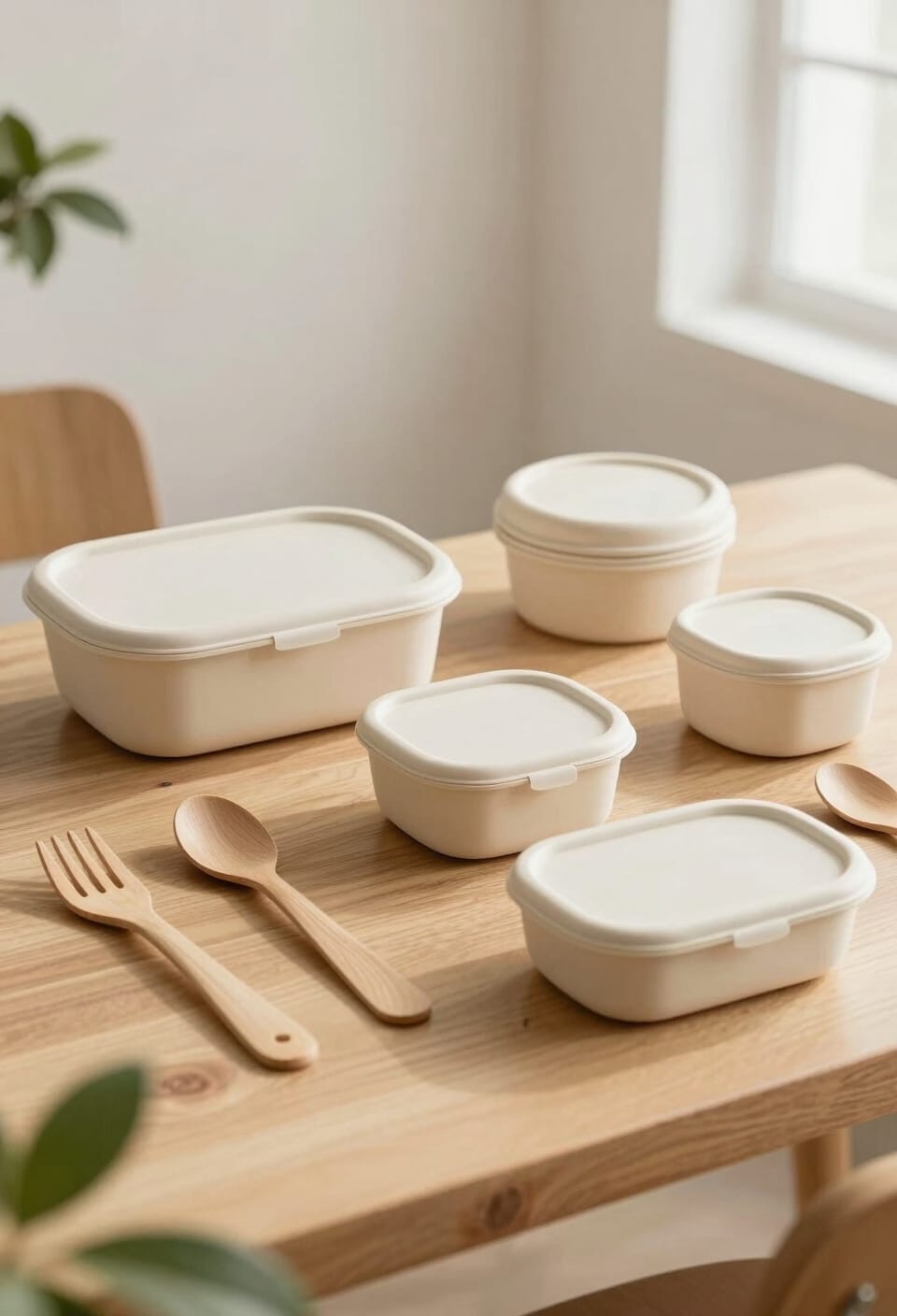

Navigating airport dining can be a bit of a headache, especially when you’re trying to avoid all that waste. If you’re looking to stay eco-friendly while you travel, consider bringing along a reusable kit. It’s not just good for the planet; it can also make your travel experience a lot smoother.
Start by packing some sturdy containers—think Tupperware or any hard-sided lunch box. Having reliable cutlery is equally important, and don’t forget a water bottle! This way, you can bring your own snacks, like filled sandwiches and fresh fruits, without relying on the airport’s offerings, which often come wrapped in plastic.
Ever asked a restaurant if they’d let you use your container? Surprisingly, many places are happy to accommodate eco-friendly choices.
Also, packing a small bottle of travel-size Castile soap makes life easier for quick clean-ups. You never know when you might need to rinse off your hands or your containers after a meal. Plus, it keeps your kit clean for your next adventure.
So why does this matter? It’s all about reducing waste and showing that you care about the environment, even on the go. Honestly, it’s a lifestyle choice that you can easily adapt while traveling.
Remember, by making just a few small changes to how you eat at the airport, you can go green without sacrificing convenience. The best part is, every bit helps!
Next time you travel, think about packing up your reusable kit. What will you include in yours?
Key Takeaways
- Carry sturdy reusable containers to avoid spills and comply with airport security guidelines for solid foods like sandwiches and fruits.
- Present your reusable container upfront at airport restaurants to set expectations and initiate eco-friendly conversations with staff.
- Request meals to be served in your personal container to minimize single-use packaging while demonstrating sustainable practices to other travelers.
- Pack travel-sized Castile soap and a washcloth for quick clean-up of your reusable utensils after meals, ensuring hygiene on your travels.
- Engage restaurant employees and share sustainability tips to inspire broader discussions on eco-friendly dining practices at the airport.
How to Effectively Use a Reusable Kit While Traveling

Traveling can sometimes feel chaotic, right? But if you pack a reusable kit, it can make your airport experience a lot smoother—and better for the environment. Start with some reusable containers for your homemade meals. Why? Not only do they cut down on waste, but they also save you some cash!
When you arrive at the airport, don’t hesitate to let the food staff know you’d like to use your own containers. Most of the time, they’re pretty supportive. And keep in mind, a quick rinse with travel-sized Castile soap and a washcloth will keep your kit clean after meals. That’s as easy as it gets!
If you’re planning on traveling for a longer stretch, consider grabbing two nesting containers. They’re fantastic for saving space while packing multiple meals. Honestly, it makes things so much easier when you’re on the go.
Plus, choosing bags made from BPA-free food-grade silicone ensures your food stays safe and fresh throughout your trip.
Essential Items in Your Reusable Travel Kit

Packing for a trip can be a hassle, right? You might find yourself scrambling for everything you need while trying to keep things eco-friendly. That’s why having a reusable travel kit is such a smart move. It makes airport dining not only convenient but also kinder to the planet.
A sturdy reusable container is key for bringing meals from home. You can save money and cut down on waste at the same time. It’s a win-win! And let’s be real—who wants a flimsy plastic fork that snaps when you try to dig into your pasta? Make sure to pack some reliable reusable cutlery like forks and spoons.
Stay hydrated while on the go by bringing a reusable water bottle. It helps you steer clear of those pricey airport drinks. Also, don’t underestimate the utility of silicone sandwich bags. They’re perfect for snacks or storing leftovers if you don’t finish your meal. If you need to clean up, a small bottle of travel-sized Castile soap can really help out.
Choosing bags made from eco-friendly materials not only supports sustainability but also ensures your kit is durable and easy to maintain.
So, why does this matter? Not only are you making your travel that much easier, but you’re also doing your part for the environment. Packing these essentials can turn a stressful trip into a stress-free one.
In a nutshell, with a little preparation, your travel kit can make all the difference on your next journey. What will you add to your reusable travel kit?
Packing Your Own Meals: What Foods Are Best?
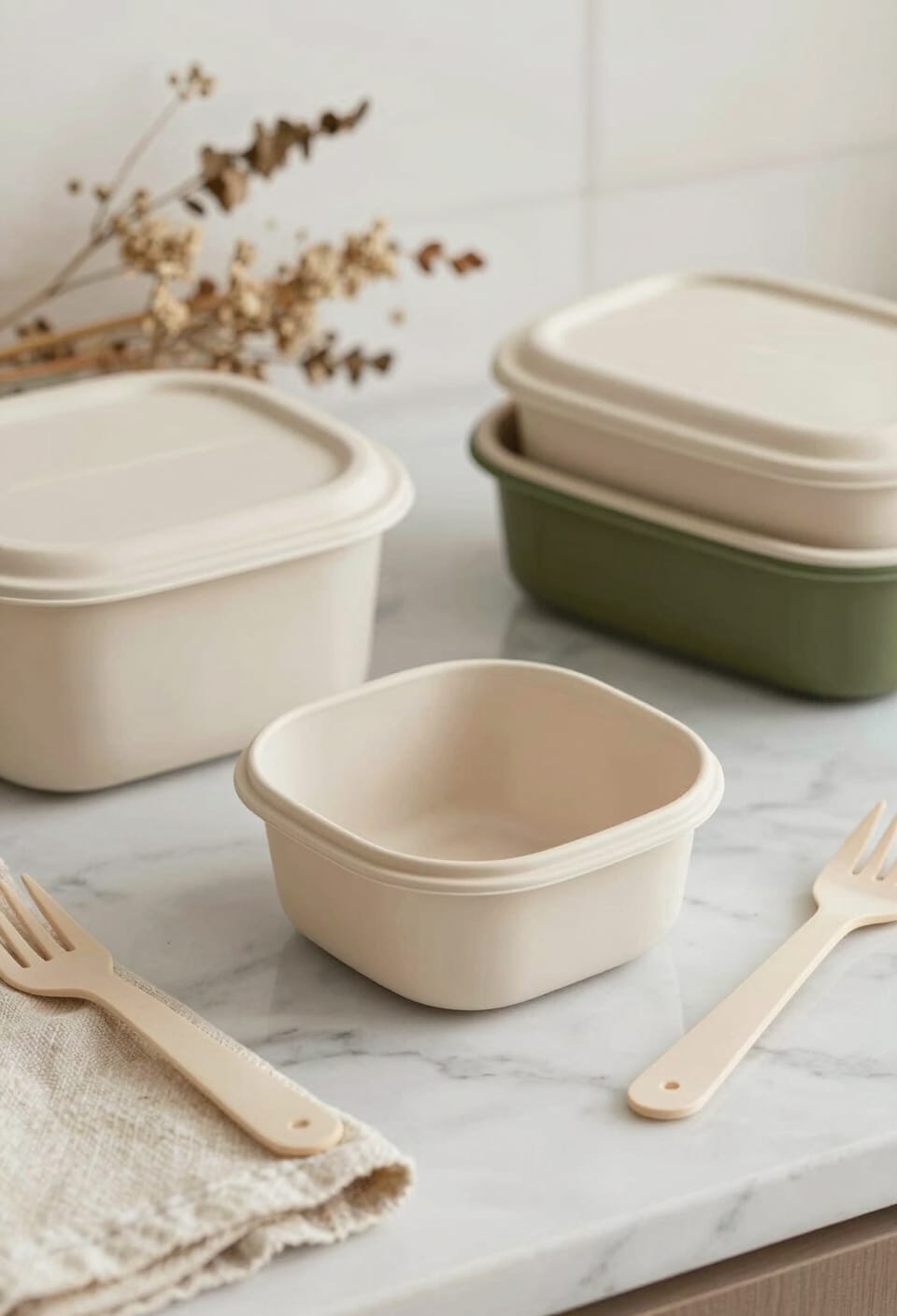
After you’ve packed your trusty reusable travel kit, you might be wondering what tasty and practical meals to bring along. It’s all about keeping it simple. Think about solid foods like sandwiches, bagels, or fresh fruits. Apples and bananas are great, easy choices that travel well. And let’s be real—nobody wants a messy bag. Opt for wraps and pre-cut veggies that won’t spill everywhere.
Here’s the trick: bringing a reusable container filled with snacks, like nuts or granola bars, can really save the day. They’re filling and perfect for those mid-adventure munchies. Plus, homemade meals help save some cash and reduce waste. So, you can customize your food exactly how you like it!
Honestly, traveling doesn’t have to mean settling for bland, unhealthy snacks from gas stations. It can be both tasty and eco-friendly. So grab your travel kit and fill it with your favorites next time you hit the road. What meals do you love to pack for your adventures? You might also consider using leak-proof reusable pouches to keep your snacks mess-free and travel-friendly.
How to Safely Pack Food for Travel?
Packing food for travel can feel daunting, right? But it doesn’t have to be! Start off strong by opting for reusable containers that are easy to clean and can breeze through airport security. Think about sturdy glass or BPA-free plastic—that way, you can avoid the dreaded spills.
When you’re at security, a handy tip is to keep your food items separate from your luggage. This little trick can make the process smoother and quicker. Familiarizing yourself with TSA guidelines is also a must. Did you know solid foods like sandwiches and fruits are good to go? Just remember, liquids are a no-go.
Mix it up when planning your snacks; a variety can save you during those unexpected travel delays. Using clear containers can streamline your security experience even further. So, who wouldn’t want a hassle-free pass through security?
Additionally, choosing reusable snack bags with leak-proof features can keep your food fresh and avoid messes while traveling.
In short, these food safety tips will have you prepared for your journey. Packing doesn’t need to be a headache; it’s all about choosing the right containers and knowing what you can bring. What are some of your go-to travel snacks?
Tips for Using Your Reusable Container at Airport Restaurants
Ever felt frustrated by all the plastic waste piling up at the airport? If you’re like me, it makes you want to scream. Using a reusable container at airport restaurants can be a refreshing change. Not only does it cut down on waste, but it’s a great way to enjoy your meal without the usual plastic containers cluttering your dining experience.
When placing your order, don’t shy away from asking them to serve your meal in your container. It’s a fun conversation starter that might even encourage others to think about their choices. To make things smoother, present your reusable kit before you finalize your payment; this gives the staff a heads-up and helps set the right expectations.
You might wonder, why does this matter? Engaging with restaurant employees about your eco-friendly choices can spark a little inspiration in them and the people around you. Plus, it opens the door for a discussion about sustainability, which can be quite meaningful.
Just a little heads-up: you may encounter extra scrutiny at security, especially if your container has anything like aluminum foil in it. Avoiding potential hassles can save you a lot of time! And to keep your reusable container clean for multiple meals, consider packing a travel-sized bottle of Castile soap and a washcloth. This makes sure your container stays fresh, no matter where you go. Choosing containers made from eco-friendly materials ensures your commitment to sustainability extends beyond just reusability.
Stay Hydrated With Your Reusable Water Bottle
Staying hydrated while traveling can sometimes be a challenge, can’t it? It’s often like a scavenger hunt to find a clean drink of water, especially in crowded airports. Bringing a reusable water bottle definitely makes things easier! Not only does it help you avoid those steep prices for bottled water, but it also helps the environment by cutting down on plastic waste.
Many airports, like BWI and Denver International, have water refill stations after security. So, here’s the trick: just make sure your bottle is empty before you go through the X-ray. Both plastic and metal bottles are generally okay!
When you opt for a reusable bottle, you’re not just saving a bit of cash—you’re also setting an example for fellow travelers to be more eco-conscious. And let’s face it, having water on hand is a lifesaver during those long layovers or summer sightseeing trips. Staying refreshed keeps your energy up, and that’s a win all around. Choosing bottles made from BPA-free materials ensures safe hydration without harmful chemicals.
Minimize Packaging Waste at the Airport
Have you ever found yourself surrounded by crumpled snack wrappers and takeaway boxes while waiting for your flight? It’s frustrating—and it leads to a lot of unnecessary trash. Instead of relying on airport food that’s usually wrapped in plastic, here are some easy ways you can cut down on packaging waste at the airport.
Try this: bring your own reusable container, like a good old Tupperware. It’s perfect for packing homemade meals, like hearty sandwiches or bagels, and you’ll feel great knowing you’re avoiding all that single-use trash. Plus, when you order food, just show your container and ask if they can serve it in there. Most places are more than willing to help you out with that!
Another tip? Pack some utensils from home! This simple act can make a huge difference. With your own spoon, fork, or knife in your bag, you won’t be stuck using those flimsy disposables that end up in the trash as soon as you finish eating.
So, why does this matter? Not only are you doing your part for the planet, but you’re also setting an example for other travelers around you. When they see you sticking to your eco-friendly dining habits, they may just rethink their own choices too.
At the end of the day, reducing waste at the airport can be surprisingly easy. The best part is—it just takes a little planning! Next time you hit the terminal, consider how you can pack your meals and snacks with less waste in mind. What’s one change you can make for your next flight? You might also consider using biodegradable packaging to further minimize environmental impact.
Team up With Airport Staff for Greener Dining Choices
Have you ever noticed how waiting for a flight can turn into a time-suck? It’s easy to let the minutes drag on, but there’s a chance to do something good for the planet right there in the airport. Think about the airport staff as a hidden resource for making greener dining choices. When you approach the register with your reusable container ready, you’re not just thinking ahead—you’re opening the door for a real conversation.
Instead of hesitating and asking if you can use it, try this: show it first! It’s a simple but effective way to kick off a positive interaction. Building rapport with airport employees can really pay off—they might be more inclined to support your eco-friendly efforts if they feel a friendly connection. This isn’t just about your meal; it’s about raising awareness in the airport community.
So, why does this matter? Every little conversation counts. Sharing quick tips about sustainability during your interactions could spark new ideas or even inspire some of the staff to engage in greener practices themselves. If you find a restaurant that goes the extra mile to cater to your eco-needs, don’t hold back! Make sure to share your positive experiences with others, whether it’s in person or online.
Honestly, every step toward encouraging greener dining at the airport adds up. So next time you’re waiting for your flight, why not connect with the staff? Together, you can help promote more sustainable dining choices! Using reusable sandwich bags is a practical step travelers can take to minimize single-use plastic waste during their trips.
Quick Clean-Up Tips for Your Reusable Utensils
Cleaning your reusable utensils while you’re out and about can feel like a balancing act, can’t it? But it doesn’t have to be a hassle! A quick rinse under running water right after meals works wonders. It’s amazing how a little water can keep your utensils fresh until you can give them a proper wash later.
If you’re looking for a handy solution, try carrying a travel-size bottle of Castile soap and a small washcloth. They fit easily in your bag and can tackle any mess without taking up too much room. For drying, consider packing thin baby flannels; they are lightweight and dry your utensils in a pinch.
Don’t forget to use a compact, nesting set of utensils. This way you have everything you need without adding clutter to your bag. And here’s a tip: keep your clean utensils in a dedicated container. This ensures they stay hygienic and ready for your next meal.
For an eco-conscious clean, opt for dish soaps with biodegradable formulations that break down naturally and reduce environmental impact.
Share Your Zero Waste Travel Experience to Inspire Others!
Have you ever stopped to think about how your travel choices affect the planet? It’s something that’s been on my mind a lot lately. By sharing our zero waste travel experiences, we can really inspire fellow adventurers to take a greener approach!
Bringing reusable containers to the airport is a simple way to make a difference. It shows others that sustainable travel can be practical. Plus, it’s a great conversation starter with airport staff about reducing waste. When you document your meals in these containers, it sends a message that zero waste travel is within reach for everyone.
Try this: Instead of grabbing pre-packaged snacks at the terminal, pack your own homemade meals. Not only does it cut down on plastic waste, but it can save you some serious cash too! Encouraging those around you to rethink their food habits can have a big impact. So, why does this matter? Every little change adds up when we all pitch in.
The best part is that sharing your journey can help friends embrace these eco-friendly habits. It can feel pretty rewarding to spread the word about reusable solutions. Honestly, it’s fun, convenient, and our planet will thank us for it.
To wrap it up, shifting to zero waste travel is more doable than it seems. Choosing sustainable tools like wooden utensils can help reduce plastic waste on the go. What small change will you make on your next trip?
Frequently Asked Questions
Can You Take a Reusable Bottle Through Airport Security?
Yes, we can take a reusable bottle through airport security as long as it’s empty. After screening, we can use refill stations to stay hydrated while following security regulations and keeping these hydration tips in mind.
How to Go Through TSA With Snacks?
Maneuvering TSA with snacks can feel like a grand adventure! Let’s pack snacks in clear containers, dodge foil traps, and remember TSA regulations. We’re all about those healthy travel snacks, making our journeys tastier!
How to Navigate an Airport for the First Time?
When traversing an airport for the first time, we should explore essential navigation apps and check airport layout tips. They’ll help us find gates, dining, and amenities quickly, making our travel experience smoother and more enjoyable.
What Happens to Uneaten Airline Meals?
Uneaten airline meals often become food waste, with airlines discarding millions daily. Fortunately, some are adopting policies to partner with organizations, redistributing these meals to those in need and reducing overall waste.


