


Have you ever noticed how your reusable bottle seems to wear down faster when you use tap water? Water quality plays a big role in the longevity of these eco-friendly products!
When you choose clean, filtered water, you keep your bottles in much better shape. Contaminants and mineral buildup can really take a toll, especially if you’re dealing with hard water, which can lead to corrosion and gunk inside.
So, what can you do about it? Regular cleaning is key! Here’s the trick: wash your bottles with soapy water routinely and set aside some time for a good scrub every now and then.
It doesn’t take much, but trust me, it makes a huge difference. The best part is that a little care goes a long way. You’ll find your bottles last much longer!
And let’s be real for a moment: why should you care so much about your water? Because using clean water not only protects your bottles but also ensures you’re drinking fresh, tasty hydration.
In conclusion, simple steps like using filtered water and maintaining a clean bottle can extend its life significantly.
Are you ready to give your reusable bottles the care they deserve?
Key Takeaways
- Clean, filtered water prevents scaling and buildup, enhancing the longevity of reusable bottles.
- Contaminants like chlorine and heavy metals can cause deterioration in plastic and metal bottles.
- Hard water leads to mineral deposits, negatively affecting both appearance and functionality of bottles.
- Regular cleaning and maintenance using mild detergents and proper methods extend product lifespan.
- Choosing durable materials, such as stainless steel or BPA-free plastics, promotes longevity and reduces health risks.
How Water Quality Impacts Reusable Bottle Lifespan

Have you ever wondered how the water you put into your reusable bottle affects its lifespan? It’s something we often overlook, but the truth is, water quality plays a big role in how well our bottles hold up over time. Using clean, treated water can keep your bottle looking great and functioning well.
Contaminants and hard water? They can lead to some gnarly scaling. That buildup not only makes your bottle look like a messy experiment, but it can also shorten its life. Who wants that? And let’s not forget about unfiltered water; it can encourage bacteria to grow, which is both gross and not good for your health.
So, here’s the trick: choose filtered water for your reusable bottles. This simple switch not only helps keep things clean but also gives your bottles a better shot at lasting through all your hydration needs. Plus, you’ll avoid that funky taste and the worry of drinking something questionable.
In short, prioritizing water quality means happier, healthier bottles. Think about it: would you want to drink from something that’s been marinating in bacteria? No thanks! By opting for clean water, you’ll be doing both your bottles and your health a favor. What’s your go-to source for pure water? Regular cleaning and maintenance routines further protect your bottle’s longevity by preventing buildup and contamination.
Effects of Contaminants on Material Durability
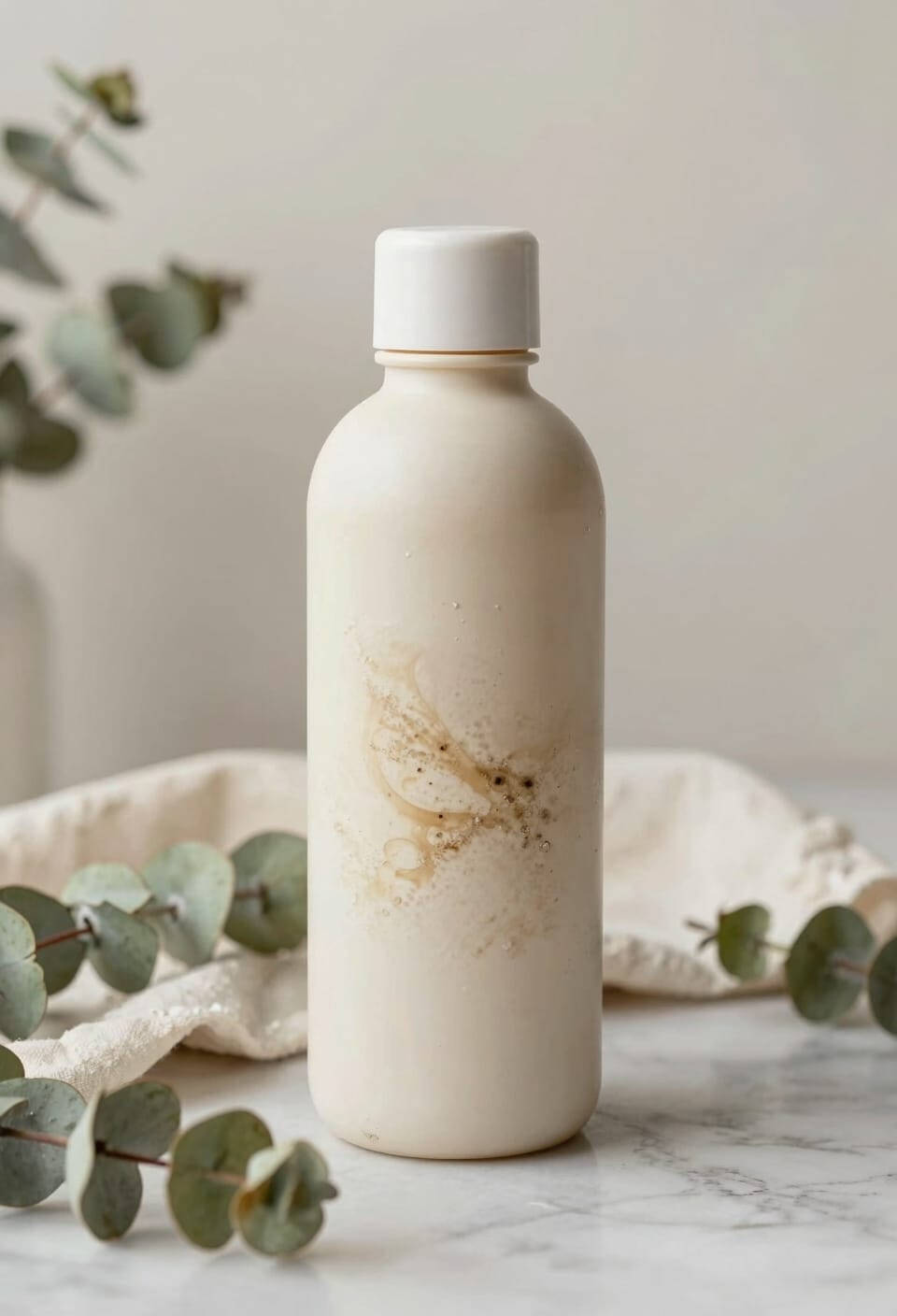
Have you ever thought about what’s really in your tap water? While sticking with clean water is definitely a solid start to keeping your reusable bottles in good shape, the reality is that there might be some not-so-great stuff in that water, too. Chlorine and heavy metals can be tough on materials, especially if your bottle’s made from plastic. Not to mention, if you don’t properly clean your bottles, microorganisms can start to thrive in there, leading to wear and tear over time.
Then there’s the issue of corrosion. If you’re using a metal bottle and your water’s too acidic, rust can creep in before you know it. And let’s not forget the annoying mineral deposits from hard water. They can really make your bottle lose its shine.
So, why does this matter? Every one of these problems can mean you’re replacing your bottles more often than you should, which is definitely not great for sustainability.
Here’s the trick: make sure you’re regularly cleaning your bottles and staying aware of the quality of water you’re using. Using products made with natural ingredients can also help maintain material integrity and reduce chemical exposure. A little diligence can help maintain the life of your bottles while also making a positive impact on the environment.
In short, keep your bottles clean, and remember to be mindful of what you’re putting in them. What steps are you taking to ensure your drinking water and reusable bottles are in top shape?
Hard Water’s Impact on Reusable Bottles and Maintenance

Have you ever noticed how your reusable water bottle goes from sparkling to cloudy after just a few uses? It’s a frustrating problem, and it mostly comes down to hard water. The calcium and magnesium in hard water can lead to mineral buildup that not only makes your bottle look unappealing but also shortens the life of seals and gaskets. That means you might be facing more repairs and replacements, which is just what we don’t need.
So, what can you do? Regular descaling can make a big difference! Try this: mix equal parts vinegar and water for a quick cleanup. Let it sit in your bottle for a few hours before rinsing it out. Alternatively, baking soda is also an effective choice. Just sprinkle some in, add water, and give it a good shake.
Here’s a thought: if you’re using hard water regularly, why not add this little maintenance routine into your schedule? It’s an easy way to keep your drink tasting fresh and your bottle looking sharp. Plus, less wear and tear means it’ll last longer, saving you money in the long run!
Honestly, it doesn’t take much to tackle hard water issues. Just a little bit of routine care can make a huge impact. Also, incorporating materials with quick-drying properties in your reusable products can help reduce moisture-related damage caused by hard water deposits. So, how often do you think you’ll take the time to clean your bottle?
Effective Cleaning Methods for Various Water Qualities
Are your reusable bottles and containers looking a little sad? It could be the water you’re using to clean them. If you’re dealing with hard water, you know the struggle with mineral buildup. Switching to soft water or filtered varieties can really make cleaning easier and protect your bottles in the long run.
Here’s the trick: using hot water with a mild detergent really helps remove stubborn grime and improves hygiene. Also, keep an eye on the quality of your water. Contaminants like chlorine or heavy metals can weaken your beloved bottles and containers.
Regular rinsing with water low in total dissolved solids is key to keeping them fresh. Additionally, choosing aluminum-free products can prevent irritation and damage from harsh chemicals. So, why does this matter? Well, if you’re putting the effort into using reusable containers, it’s worth it to keep them in great condition!
Let’s make cleaning your reusable products a breeze, so they last longer and keep you hydrated for years to come. How do you keep your bottles clean?
Lifespan Comparisons: Bottles From Different Water Sources
When it comes to the lifespan of your reusable bottles, have you ever considered how water quality plays a crucial role? It’s often overlooked, but bottles filled with clean, filtered water tend to last longer than those packed with hard, mineral-rich sources. You’ll usually find that stainless steel bottles outlive plastic ones, especially when faced with contaminants.
If you’re using lower-quality water, washing your bottles regularly is a must—otherwise, you’re just inviting harmful bacteria to move in. And here’s a little tip: don’t use too much hot water, as it can weaken the materials over time.
Frequent inspections are a smart move. Spotting any unusual stains or funky smells early can help you avoid bigger health risks later.
Additionally, choosing bottles made from BPA-free plastics or stainless steel can help ensure better material safety and durability when exposed to different water qualities.
Why Clean Water Matters for Health and Safety
Staying hydrated is more than just sipping water when you’re thirsty; it’s about making sure that what you’re drinking is clean and safe. Have you ever thought about what’s lurking in that bottled water you reach for? Studies have shown that many bottled waters can come with unexpected contaminants like chemicals and microplastics! That’s why opting for clean water is such a smart choice—not just for your health, but for your safety too.
Here’s the trick: when you choose clean water for your daily hydration, you’re also protecting yourself from harmful germs and waterborne diseases. If you’re serious about your health, remember that using clean water in reusable products is not just better for the environment, but it also reduces the risk of microbial contamination. It’s a win-win situation!
The average daily water intake is about 11.5 cups for women and 15.5 cups for men. So, staying on top of your hydration game means you should be reaching for clean drinking water consistently. Honestly, there’s no better way to support your health and longevity than that. Choosing reusable products made from fabrics with protective coatings can also help maintain hygiene by preventing stains and making cleaning easier.
Choosing the Right Reusable Products for Your Water Quality?
How do you choose the best reusable products that keep your water quality top-notch? Let’s dive into the essentials.
Materials matter, and when it comes to durability, stainless steel and glass really shine. They’re not just tough; they resist corrosion, especially if you’re dealing with hard water that loves to leave behind that annoying mineral buildup. Nobody wants to drink from a bottle that’s got that icky residue, right?
Here’s the trick: keeping your bottles clean is crucial. Just some warm, soapy water can do wonders to fend off bacteria and any leftover gunk. Look for bottles with wide-mouth openings—those make scrubbing a breeze!
Also, pay attention to BPA-free options. Why? Because no one wants to worry about chemicals leaching into their drinks. It’s better to be safe than sorry! Honestly, these choices not only protect your health but also help keep our water sources cleaner.
Using products made from BPA-free materials ensures both safety and durability, helping them withstand repeated use over time.
Frequently Asked Questions
Can I Use My Reusable Bottle for Hot Liquids?
Did you know over 40% of consumers use reusable bottles daily? We can safely use ours for hot liquids, ensuring material compatibility like stainless steel’s durability to prevent health risks, flavor transfer, and condensation issues.
What Are the Best Materials for Water Bottle Durability?
For durability, we prefer stainless steel benefits for insulation and longevity, while glass safety and aluminum advantages offer lightweight options. Plus, BPA-free materials and plastic alternatives expand our aesthetic choices while ensuring quality.
How Often Should I Replace My Reusable Bottles?
Like a leaf in the wind, our reusable bottles age gracefully. We should replace them every 1-2 years, watching for signs of wear, material degradation, and odor retention to guarantee peak usage and hygiene.
Does Dishwasher Cleaning Affect Bottle Lifespan?
Dishwasher cleaning can affect our bottles’ lifespan. Knowing bottle material is essential; heat resistance varies. Plastic may degrade faster than stainless steel. We should consider cleaning frequency, bottle shape, and lid design for ideal maintenance.
Are There Eco-Friendly Cleaning Solutions for Reusable Bottles?
Did you know about 60% of common cleaners contain harmful chemicals? For our reusable bottles, we can use eco-friendly products like a baking soda-vinegar solution, citrus-based cleaners, or essential oils to maintain sustainability and safety!


