

Dealing with mold in a humid climate can feel like an uphill battle, can’t it? But there are some straightforward steps you can take to protect your belongings.
First off, give everything a thorough cleaning before you put it away. You’d be surprised how much dirt and moisture can linger on items, just waiting to turn into mold.
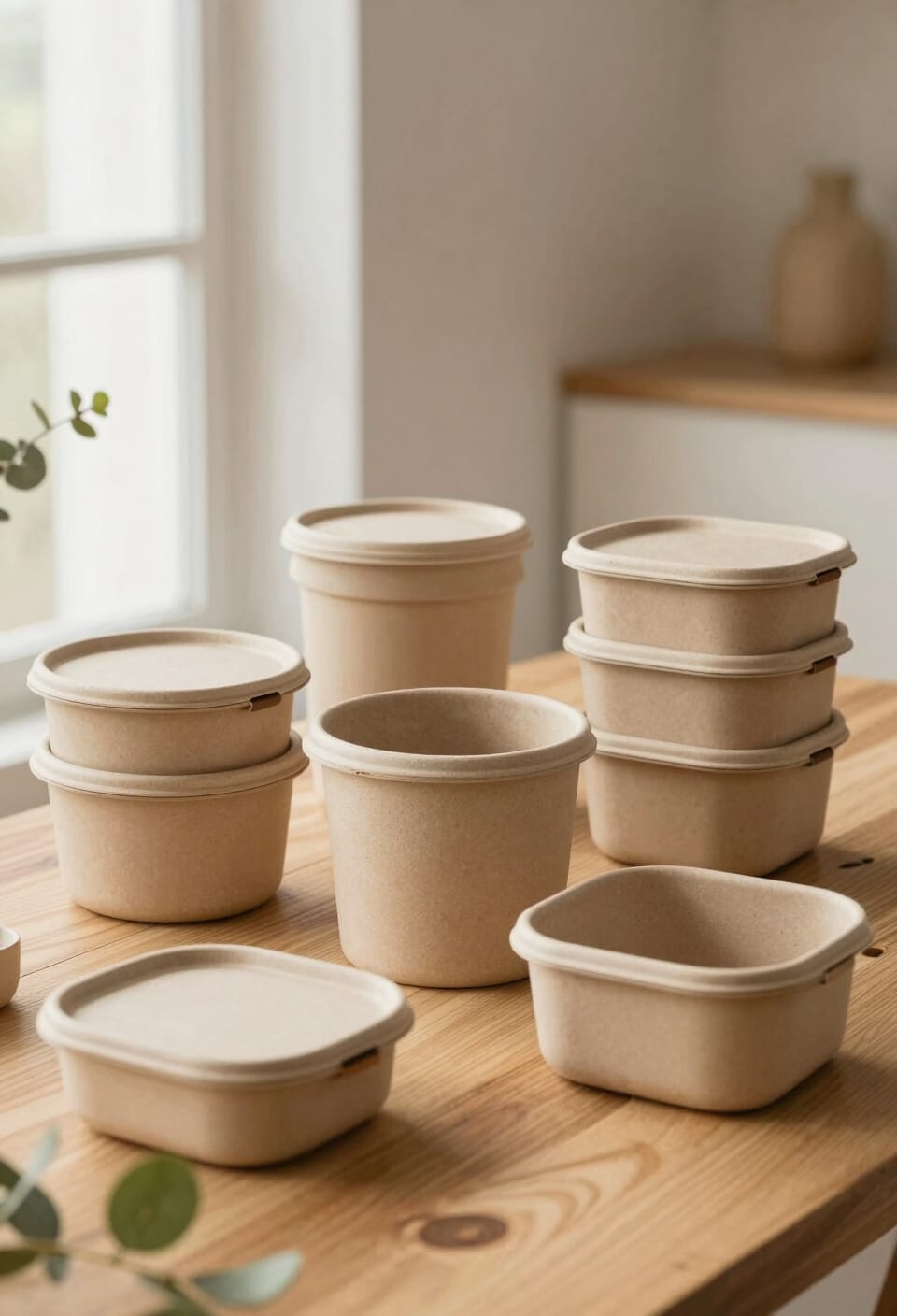
Try this: grab some airtight plastic bins for storage. Throwing in a few silica gel packets can make a big difference. These little guys soak up moisture, keeping your stuff dry.
Elevating items off the floor is another smart move to ensure there’s good airflow, which mold absolutely hates!
Don’t overlook the importance of keeping an eye on humidity levels; it’s super easy with a hygrometer. Honestly, monitoring moisture can keep you ahead of mold growth and save you a lot of headaches down the line.
While you’re at it, consider these quick tips:
- Always store items in a dry, well-ventilated space.
- If things start to feel damp, address it immediately—don’t wait for mold to appear!
- Regularly check on your stored things, just to be safe.
Frankly, taking these proactive steps keeps your belongings safe and saves you money on replacements in the long run.
So, what’s your go-to strategy for keeping mold at bay?
Key Takeaways
- Keep humidity levels between 30% and 50% using hygrometers to track and adjust as needed for optimal storage conditions.
- Clean and dry all items thoroughly before storage to eliminate moisture and prevent mold growth.
- Use airtight containers or vacuum-sealed bags to prevent moisture infiltration; plastic bins are preferable over cardboard.
- Incorporate moisture absorbers like silica gel packets in storage containers and replace them regularly for effective mold prevention.
- Regularly inspect stored items and storage areas for signs of moisture, leaks, or mold to catch issues early.
How to Prevent Mold in Your Storage Unit?

How do you keep your storage unit mold-free? It can be a real challenge, but having the right approach can help a lot. The key is managing humidity and airflow—this creates a cozy, dry environment that your belongings will appreciate. Aim to keep humidity levels between 30% and 50%.
Try this: using moisture absorbers like silica gel packets can make a significant difference. They’re simple, effective, and can fit easily into your storage space. Also, arrange your items with some breathing room between them; keeping things elevated off the floor is a smart move for allowing moisture to circulate properly.
If it’s an option, consider going with a climate-controlled storage unit. They’re designed to maintain temperature and humidity levels, which is a big plus for keeping mold in check. And if you want to take an extra step, look into mold-resistant materials like FRP panels—they can help protect your belongings even further.
Honestly, don’t forget to check in on your unit regularly. Look for leaks or condensation; catching these issues early can prevent bigger problems down the line. Remember, preventing mold is about proactive steps, so why not invest a little time to save yourself a headache later? Using moisture absorbers and ensuring proper airflow can significantly reduce mold risk in humid conditions.
The Importance of Cleaning Before Storage

Is there anything worse than opening up a storage box months later only to find your belongings covered in mold? It can happen if you don’t clean your items before stashing them away. Honestly, that little bit of effort goes a long way in keeping mold at bay. By cleaning thoroughly, you eliminate dirt, food particles, and moisture that attract mold spores.
Remember, it’s super important to check that everything is completely dry before packing it up. Damp items really set the stage for mold growth and potential damage. When it comes to fabrics like upholstery or clothing, make sure you give them a good wash and let them dry completely. You’ll thank yourself later when you pull them out and they’re still in great shape.
Let’s not forget those kitchen appliances. Giving them a solid clean and ensuring they’re completely dry will help prevent moisture buildup—nobody wants a surprise when they go to use them again!
So, here’s the trick: grab some non-abrasive cleaners and get to work. Take some time to tidy up those items before they head into storage. It’s a small step that can save you a ton of trouble down the line!
In a nutshell, cleaning before storage is crucial to keep your items safe from mold. Using plant-based ingredients in your cleaners can help ensure a safe, environmentally friendly approach. What cleaning tips do you swear by for storage?
Choosing the Right Containers for Moisture Control

When it comes to storing our stuff, keeping mold at bay is a real challenge. So, what’s the best way to prevent that pesky issue? Choosing the right containers plays a huge role!
Try this: go for airtight containers or vacuum-sealed bags. These options do wonders for keeping moisture away. And honestly, plastic bins are way better than cardboard boxes. They resist moisture well, which means a lower chance for mold to make itself at home.
To tackle humidity, consider adding moisture absorbers like silica gel packets. They might be small, but they’ve got a big job to do! It’s also smart to think about the containers based on what you’re storing. For example, acid-free boxes are a must for artwork and books. This prevents deterioration and keeps your items in great shape.
One more thing—don’t forget to check those moisture absorbers every so often. Replace them as needed and you’ll be on your way to a mold-free space. A little bit of prevention today can save you from a lot of headaches later. For food storage specifically, using airtight stainless steel containers can greatly reduce moisture buildup and help maintain freshness.
The Benefits of Using Desiccants in Storage Spaces
Have you ever opened a storage unit only to find your belongings damp and musty? It’s a frustrating situation that many of us face, especially in humid areas. That’s where desiccants come in. These little moisture-absorbers, like those silica gel packets you often find in shoe boxes, can make a big difference in keeping your items safe from mold and mildew.
Try this: place those packets in airtight containers and around your storage space. By keeping humidity levels between 30% and 50%, you create an environment that helps protect your valuables. You might ask, “But how do I know if it’s working?” The best part is, you can use hygrometers to keep an eye on those humidity levels effortlessly.
Don’t forget, it’s important to swap out those desiccants regularly. Once they’re saturated, they just can’t work their magic anymore. Honestly, it’s such a simple step that can save you from expensive damage later on. Using products with EPA Safer Choice certification for storage spaces ensures safer ingredients and reduces environmental impact.
Why You Should Choose Climate-Controlled Storage
When you’ve got valuable belongings to store, it’s crucial to keep them in tip-top shape. Have you ever thought about how the environment can affect your stuff? That’s where climate-controlled storage units really shine! These units maintain humidity levels between 30% and 50%, which helps prevent moisture issues and mold growth.
Many facilities use air conditioning and dehumidifiers, making them ideal for fragile items like electronics and leather goods. With better air circulation, you can say goodbye to that stale air that can damage your belongings. And if you live in a humid area where outside moisture can really climb, choosing this type of storage can be a lifesaver.
Here’s the trick: storing in a controlled environment ensures that your cherished possessions are safe from warping, fading, and corrosion. Plus, who doesn’t want to breathe easier knowing their items are well-protected?
For an eco-conscious approach, using eco-friendly storage solutions alongside climate control can further protect your items while reducing environmental impact.
In short, if you’re looking to keep your valuables safe, climate-controlled storage is the way to go. So, why not consider it the next time you need to store your precious items?
Best Practices for Packing and Organizing Your Items
Have you ever pulled out something from storage only to find it damp or musty? It’s frustrating, right? Once you’ve got your valuables safely tucked away in climate-controlled storage, let’s talk about how to pack and organize them better to avoid any mishaps!
Breathable materials like cotton or linen work wonders when wrapping your items. They allow ventilation and keep moisture from building up. When it comes to clothing, using airtight containers or vacuum-sealed bags is a smart move since they help keep humidity levels at bay.
Now, spacing out your storage containers is just as important. Airflow is crucial; stagnant air can invite mold in as if it’s a welcome guest. Tossing in moisture absorbers, like silica gel packets or DampRid, can really help keep things dry. Try this: every few months, make a point to check and rotate your stored items. Moisture can sneak up on you, and it’s better to catch it early. Additionally, incorporating eco-friendly wool dryer balls in your laundry routine can reduce drying time and help keep fabrics fresh before storing.
Monitoring Humidity Levels
Do you ever walk into a room and smell that musty odor? Yikes, that’s a telltale sign of mold, and it often comes from high humidity levels. Keeping an eye on those levels is crucial, especially if you live in a humid area. Mold thrives when humidity hits above 50%, so you want to avoid that at all costs.
Try this: invest in a hygrometer to keep track of your humidity levels. Ideally, you’re aiming for a range between 30% and 50%. Regularly check your dehumidifiers and moisture absorbers to help maintain that sweet spot. And don’t forget, the weather affects things too! After a downpour or during a heatwave, your storage areas might need a little extra attention.
The best part? Setting up a routine to inspect your stored items can be a lifesaver. Catching moisture before it turns into a mold problem is key. Frankly, it’s all about being proactive instead of reactive. So, how are you keeping your spaces dry? Using an airtight seal on storage containers helps prevent moisture intrusion and reduces mold growth.
How to Keep Your Stored Items Safe From Mold?
Have you ever pulled out a box from storage only to find it’s been taken over by mold? It’s frustrating and can ruin your favorite items. Keeping things safe from this sneaky invader is a must, and it starts with how you store them.
Try using airtight containers or vacuum-sealed bags for items that are more sensitive to moisture. These options create a solid barrier against humidity. Adding moisture absorbers like silica gel packets or DampRid can really make a difference, too. They help keep the air in your storage space dry, which is key in preventing mold.
If you’re looking into storage units, consider going for a climate-controlled space. It might cost a bit more, but it’s worth it for the peace of mind knowing your stuff is safe from temperature and humidity changes. Also, it’s a good idea to keep your items elevated off the floor and spaced apart. This promotes airflow and can really help in fighting mold growth.
Checking your storage area regularly is another smart move. It allows you to catch any signs of moisture before they get out of hand. Honestly, who wants to deal with the hassle of mold cleanup?
Using airtight and leak-proof reusable storage bags can also help maintain freshness and reduce moisture exposure during storage.
In short, with a little planning and the right materials, you can keep your treasures safe and sound. What are some of your go-to tips for preventing mold?
Identifying Mold Signs and Prevention Tactics
Ever notice a weird smell in your home or see little black spots on the wall? If you’ve got a mold problem, it can really catch you off guard. To keep your home safe from this sneaky fungus, you need to keep an eye out for certain signs like visible mold growth or that musty odor that just won’t quit.
Making sure your home stays cool and dry is key. Keep the temperature and humidity below 50%—that’s where mold spores love to hang out. If you’re looking for an easy tip, try using moisture absorbers like silica gel packets in places where you store stuff. They can help soak up unwanted moisture and keep things dry.
Regularly checking your belongings is also a smart move. Look for any signs of condensation or leaks; catching these issues early can save you a ton of trouble later. And remember, proper ventilation is a must! Keeping your storage areas aired out helps encourage airflow, which is a simple but effective way to reduce humidity.
Investing in mold-resistant materials can also make a big difference. Options like fiberglass reinforced plastic panels can cut your risk of mold showing up.
Using eco-friendly materials in storage solutions not only helps prevent mold but also supports environmental responsibility.
Long-Term Strategies for Preventing Mold Damage
Are you tired of mold making itself at home in your space? You’re not alone. While we can’t get rid of humidity completely, there are definitely practical steps you can take to keep it from crashing your home party. For starters, aim to keep indoor humidity levels between 30% and 50%. You can achieve this with dehumidifiers or moisture-absorbing products like DampRid and silica gel packets.
If you’ve got a storage unit that isn’t climate-controlled, think about using mold-resistant materials. It’s a smart move! Also, consider storing items off the floor—this gives them a little room to breathe and helps reduce moisture build-up. Regularly inspecting your storage spaces for cracks or leaks is another way to tackle mold at the source. Think of it as a little homework—keeping your belongings safe and mold-free is totally worth it.
So, why does this matter? Mold not only damages your belongings but can also affect your health. Honestly, it’s one of those things that sneaks up on you if you’re not careful.
Compostable and biodegradable materials, when used thoughtfully, can help reduce environmental impact if mold prevention includes proper disposal practices linked to compostability standards.
Let’s recap: keep humidity levels in check, use the right materials, and inspect your spaces regularly. What will you do today to keep that mold at bay?
Frequently Asked Questions
What to Put in a Storage Unit to Prevent Mold?
To prevent mold in our storage units, we should use airtight containers, breathable materials, and protective coverings. Regular inspections and moisture control with dehumidifying solutions enhance air circulation and climate monitoring, keeping our items safe.
How Do Japanese Bathrooms Not Get Mold?
Did you know that Japanese bathrooms often feature 60% less mold than typical spaces? Their innovative design, humidity control techniques, and regular maintenance, like cleaning habits and natural ventilation, guarantee mold-resistance and a minimalist, healthy atmosphere.
How to Prevent Mold in Long Term Storage?
To prevent mold in long-term storage, we should use mold-resistant materials, airtight containers, and moisture absorbers. It is crucial to implement temperature control, ventilation systems, and conduct regular inspections while monitoring climate conditions effectively.
How to Store Things so They Don’t Get Moldy?
We can store items by using mold resistant materials, airtight containers, and silica gel as moisture absorbers. With regular inspections, proper ventilation, temperature control, and rubber sealing, we’ll keep everything safe from mold.


