


When thinking about second-hand reusable containers, have you ever considered how much you could save while also doing something good for the planet? It’s truly a double win! You’ve got so many options out there—whether it’s reliable glass, sleek stainless steel, or even those classic vintage Tupperware pieces that take you back.
Just keep an eye out for chips or cracks and make sure those seals are tight! A thorough wash will set your containers up for success.
So, where can you find these hidden gems? Here are a few places to check out: thrift stores, garage sales, and online marketplaces are all great starting points. You never know what treasures you might uncover!
Honestly, it’s all about being mindful of what you’re buying. By opting for second-hand, you’re not only saving money, but you’re also reducing waste. How cool is that? Remember to check the condition of the items and think about how you can incorporate them into your home.
In the end, digging up durable and stylish containers can be super rewarding. You’ll save cash and help the environment at the same time.
So, where will your next treasure hunt take you?
Key Takeaways
- Buying second-hand containers saves money and supports sustainability by reducing waste and resource consumption.
- Look for durable materials like glass or stainless steel to ensure longevity and safety for food storage.
- Inspect containers for cracks, chips, or wear to guarantee food safety and freshness.
- Clean second-hand containers thoroughly using warm, soapy water and check for odors or stains before use.
- Purchase from thrift shops, online marketplaces, or community events to find unique and eco-friendly options.
Top Second-Hand Food Storage Containers

When it comes to food storage, do you ever find yourself wondering how to keep things fresh without breaking the bank? There are some fantastic second-hand options out there that are not only reliable but can also be pretty stylish!
First off, glass containers are a solid choice. Think repurposed jars or classic Pyrex. Not only are they super durable, but they also keep harmful chemicals away from your food. If you’re packing lunches, stainless steel containers like those from PlanetBox or EcoLunchbox can often be found gently used. That’s a great way to save money while staying eco-friendly.
Now, here’s something you may not have considered—vintage Tupperware! Some pieces are not just functional, but they’re also collectible. You could end up with a piece that’s a conversation starter in your kitchen.
And don’t overlook silicone bags, like Stasher. They’re perfect if you’re aiming for a plastic-free, zero waste lifestyle. You’ll often find them in thrift shops or online marketplaces, just waiting for a new home. These reusable bags are also temperature resistant, making them versatile for microwave, oven, and freezer use.
Frankly, the best part is that you’re saving money while doing your part for the planet—it’s a win-win! So, why not keep an eye out for these treasures on your next shopping trip? You might be surprised at what you can find to elevate your food storage game.
In the end, whether it’s glass, metal, or vintage finds, there are plenty of second-hand food storage options ready to make your life easier. What’s your go-to storage solution?
Why Choose Second-Hand Reusable Containers?
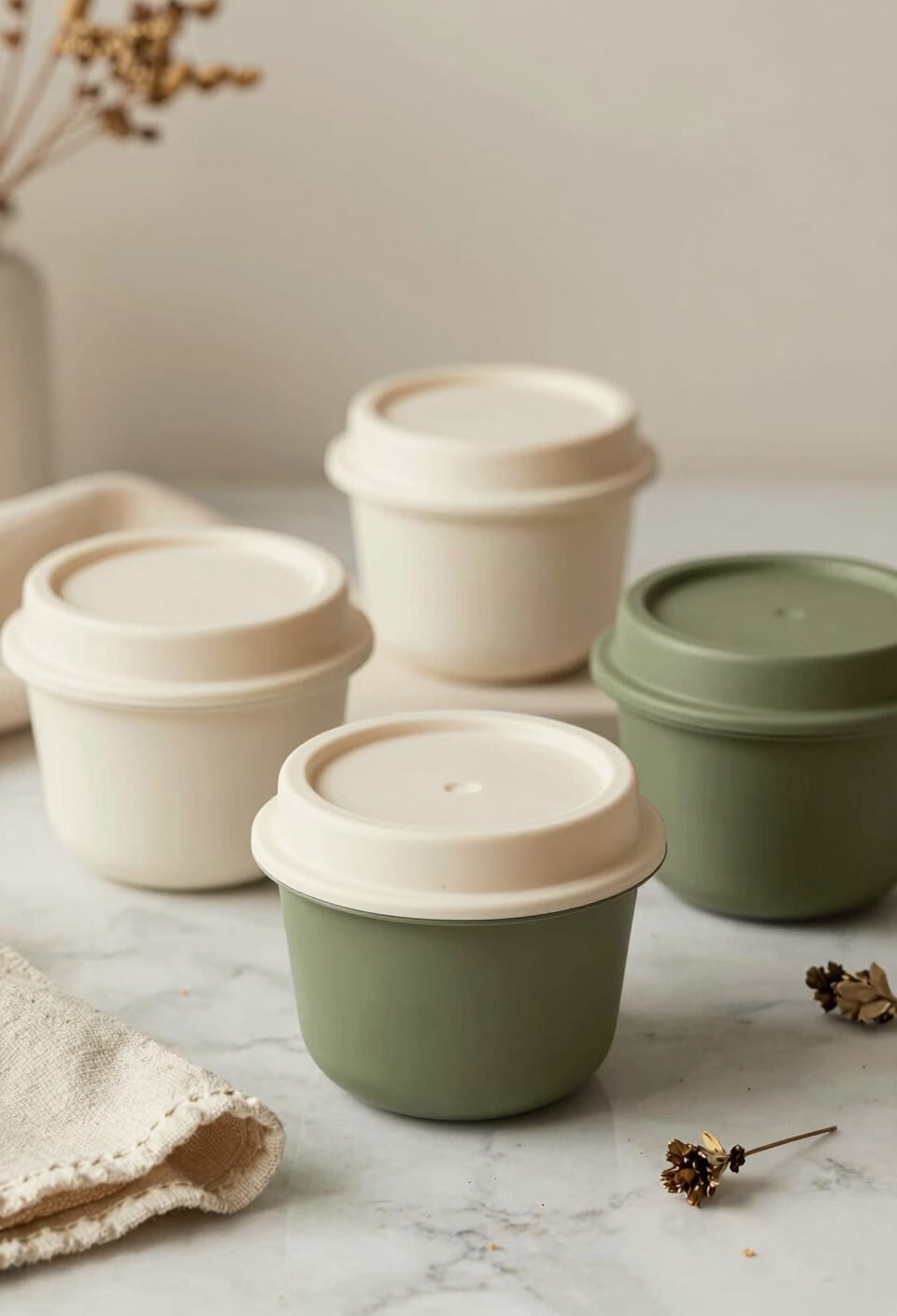
Choosing second-hand reusable containers can save you money while being kind to the environment. You probably have a stack of plastic containers in your kitchen, but have you ever thought about how many of those could have a second life? By opting for quirky glass jars or sturdy stainless steel tiffins, you’re not just reducing waste—you’re also extending the lifespan of items that otherwise might end up in a landfill.
Look at local thrift shops or charity stores. Not only can you find these containers at little to no cost, but you’re also giving back to your community. It’s a win-win! Plus, let’s be honest: some of the unique designs you can find in second-hand shops add real character to your kitchen.
Here’s the trick: When you choose second-hand, you cut down on the resources needed to create new products. This helps lower the overall carbon footprint, which is something we can all feel good about. So why does this matter? Because every small choice can make a big impact on our planet’s health.
Consider this the next time you need storage. Instead of heading to the store for something brand new, see what you can find second-hand. The best part is, you might stumble upon some hidden gems while supporting local charities along the way. It’s a simple step toward embracing eco-friendly practices in our everyday lives. In fact, many reusable containers share the same benefits as machine-washable fabrics, ensuring easy maintenance and long-term use.
Identifying Durable Second-Hand Containers

Finding second-hand reusable containers can feel a bit like a treasure hunt, right? But the last thing you want is to end up with something that’s going to fall apart after just a few uses! One important tip is to focus on glass storage or stainless steel containers. They’re usually way more durable than plastic.
Keep an eye out for signs of wear, like scratches or warped lids, because those can mess with how well the container works. And let’s be honest, it’s worth your time to check if the brand has a good reputation. Look for familiar names like Pyrex or Tupperware – they often have the durability you need.
Inspecting the seals and lids for leak-proof qualities? Definitely a must! You wouldn’t want your soup or salad spilling all over your bag, would you? It’s also worth remembering that newer designs often come with better safety features, so checking out how old the container is can be helpful.
Additionally, choosing containers made from high-quality stainless steel can ensure resistance to rust and corrosion, adding to their lifespan and safety.
The best part is, the more you know what to look for, the better your chances are of scoring high-quality containers. So next time you’re out hunting for those gem reusable containers, you’ll be ready! What other tips do you have for finding durable second-hand items?
Simple Ways to Clean and Care for Your Containers
Cleaning and caring for reusable containers can feel like a bit of a hassle, can’t it? You just want to enjoy your meals without spending ages scrubbing dishes. Luckily, there are simple ways to keep your food containers, whether they’re plastic or reusable silicone, looking and performing their best.
Start with the basics: warm, soapy water can do wonders. Most of the time, that’s all you need. If you’re feeling a bit lazy, just toss them in the dishwasher. For those stubborn stains that just won’t budge, try making a paste of baking soda and water. Smear it on, let it sit for a bit, and watch those marks disappear.
Don’t forget to check your containers regularly for any cracks or signs of warping. Why does this matter? Well, a small crack can compromise food safety. So, a quick inspection can save you from a nasty surprise later.
When it’s time to give your containers a deeper clean, consider a mix of vinegar or a diluted bleach solution for sanitizing. Just remember, abrasive scrubbers are a no-go. They can scratch your containers and make them less effective over time.
For best hygiene, always rinse thoroughly and air dry upside down to prevent bacteria buildup and maintain cleaning and maintenance.
Where to Buy Second-Hand Reusable Containers
Looking for second-hand reusable containers can be both a budget-friendly choice and a way to do your part for the environment. Thrift shops can be a treasure trove for unique finds—imagine stumbling upon colorful lunchboxes or beautifully repurposed glass jars!
Try this: check out online marketplaces like eBay or Facebook Marketplace. These sites connect you with local sellers who often have fantastic deals. And don’t overlook charity shops; every time you purchase, you’re supporting community programs, which is a win-win.
Garage sales are another great spot. There’s something exciting about haggling a price, and you might just find some hidden gems. Honestly, those rare treasures can be perfect for your collection.
Community swap events are also worth exploring. You can bring items you no longer need and exchange them for reusable containers. So, why does this matter? Because it’s a creative way to reduce waste while picking up something useful for free.
Many second-hand options can be made from durable, eco-friendly materials commonly found in reusable shopping bags, enhancing sustainability.
With all these options, you’ll find plenty of fun spots to help you on your sustainable shopping adventure. What’s your favorite place to score second-hand goodies?
Key Considerations for Buying Quality Second-Hand Reusable Containers
Have you ever thought about how much we throw away every day? It’s a bit scary when you realize how much plastic and packaging we go through. That’s where second-hand reusable containers come in handy. But hold on—before you dive in, not all of these containers are created equal!
Start by giving each container a good look. Check for any chips or cracks, especially in glass items. We want to play it safe here, right? Next up, you’ll want to see if the containers have airtight seals. That way, your food stays fresh and you won’t have any unexpected spills on your lunch.
Material matters too! Opt for BPA-free plastics or stainless steel. You really don’t want to take any health risks with your food storage. And when it comes to durability, it’s often true that familiar brands deliver better performance.
Cleaning should also factor into your decision. Let’s be honest—who has time for complicated cleanup? Try to find containers that are dishwasher-safe. It makes life so much easier! Additionally, choosing containers made from food-grade 304 stainless steel can ensure both safety and long-lasting use.
With a little care and attention, you can unearth some fantastic reusable containers that’ll last you for years. So, what do you think—ready to start your search for some solid finds?
How to Make the Most of Your Second-Hand Reusable Containers?
Have you ever grabbed a second-hand container only to discover it’s less reliable than you hoped? Let’s make the most of those second-hand reusable containers you find while shopping.
Start by checking each one for any cracks or chips. This is especially important for plastic containers—nobody wants their leftover spaghetti leaking all over the fridge! After that, give them a good wash. A mix of vinegar and baking soda works great to get out any lingering odors.
When you’re out thrifting, keep an eye out for trustworthy brands like Pyrex or Snapware. They’re known for their sturdy glass containers, and you’d be surprised at what you can find! Also, make sure to look for BPA-free plastic options to keep health concerns at bay.
So, why does this matter? Each of these containers can help you store food sustainably and save money in the long run. You’re not just being eco-friendly; you’re creating a system that works for you. Using containers that are safe and durable ensures long-term usability and reduces waste.
In short, second-hand reusable containers can be a fantastic addition to your home. They’re affordable and sustainable, and with a little care, they can last for years. What’s the best deal you’ve ever found while thrifting?
Frequently Asked Questions
Is 40 Year Old Tupperware Safe to Use?
Like a fine wine, 40-year-old Tupperware’s safety depends on its condition. We’ve got to evaluate BPA concerns, material durability, and modern health regulations. It’s best to explore eco-friendly options for safer food storage.
Which Plastic Containers Should Not Be Reused?
We shouldn’t reuse containers like takeout boxes, yogurt cups, or any with safety ratings below 3. Toxic chemicals and BPA concerns can compromise food safety. Let’s consider eco-friendly alternatives instead, following proper reuse guidelines for safer options.
What Containers Can Mice Not Chew Through?
Mice can’t chew through durable materials like glass and metal, so we should consider those. Choosing pest-resistant options, like high-density plastics or airtight containers, not only enhances container durability but keeps our food eco-friendly and safe.
What Are the 4 Procedures in Cleaning Reusable Containers?
Cleaning reusable containers is like caring for a garden. We’ve got to rinse, scrub with eco-friendly materials, tackle stains, and thoroughly dry. Following these food storage tips guarantees mold prevention and safe washing methods with essential cleaning items.


