
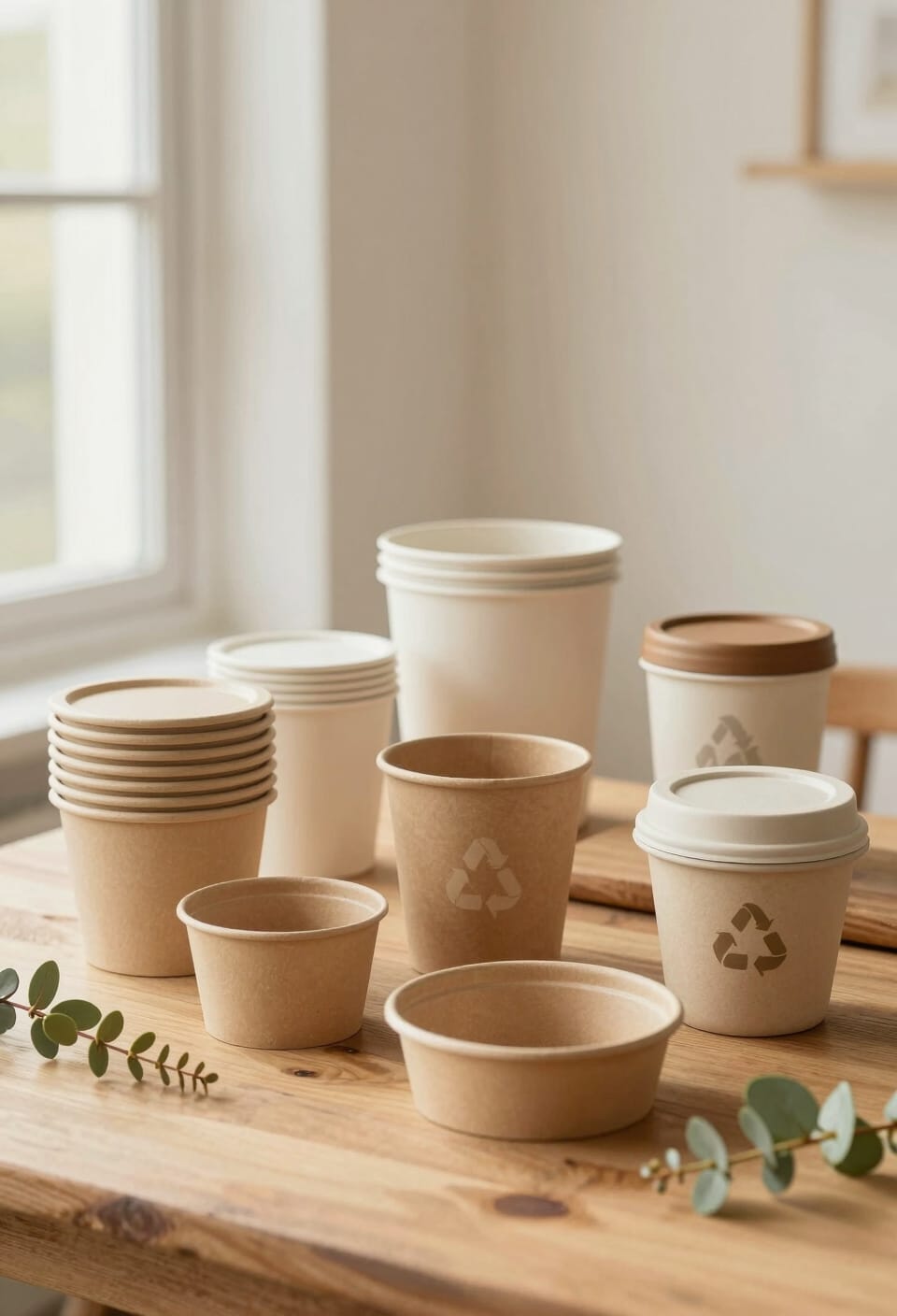

Have you ever thought about how much waste we create every day? It’s a big problem, and guess what? Cities are starting to catch on to a smarter way to handle it: using reusable containers and utensils. This shift not only helps the planet but can also save around $5 billion each year! It’s amazing to think that by making one simple change, we can reduce waste and put our money to better use.
So, why does this matter? Reusables aren’t just better for the environment; they also create jobs and give a boost to local economies. Imagine walking through a cleaner neighborhood, with less litter on the streets, and seeing more funds available for community projects. Sounds pretty appealing, right?
Here’s the trick: take a look at cities that have already implemented useful initiatives. Seattle’s bag law, for example, has had a positive impact, showing that these kinds of programs can lead to even more benefits.
The best part is that you can get involved, too! Small actions matter—consider using a reusable water bottle or shopping bag next time you’re out. These choices may seem small, but when everyone pitches in, the results can be huge.
In short, moving towards reusable items is a win-win. Not only are we helping ourselves financially, but we’re also doing our part for the planet. What changes will you make to reduce waste in your life?
Key Takeaways
- Transitioning to reusables could save cities approximately $5 billion annually, reducing waste management costs and improving local economies.
- Reusable systems significantly cut litter and pollution, preventing around 17 billion pieces of litter from entering the environment.
- Implementing reusables fosters job creation, generating 2.5 jobs for every single-use job lost in local communities.
- Local governments may offer incentives for businesses to adopt reusable systems, facilitating manageable and sustainable implementation.
- Successful initiatives demonstrate that small shifts toward reusables can lead to substantial environmental and economic benefits for cities.
Why Cities Struggle With Waste Management Costs

Why do cities struggle with waste management costs? It’s a real conundrum, akin to trying to juggle while balancing on a tightrope! Municipalities are spending about $6 billion each year just on disposable food packaging. That’s a staggering amount, equivalent to the weight of 25 Empire State Buildings! With solid waste management playing a role in 3-4% of greenhouse gas emissions, those costs can pile up quickly.
A significant part of the problem lies in how many urban areas prioritize housing over amping up waste management infrastructure. Who wouldn’t get overwhelmed in that scenario? That’s why it’s crucial to explore smarter, more efficient solutions.
Try this: if cities shifted towards reusable systems, the savings could reach billions while also reducing litter and benefiting the environment. The best part is that it’s a win-win for both communities and the planet! Incorporating efficient compost bins with odor control can further streamline waste reduction efforts and promote sustainability.
Cost Savings Through Reusable Systems

Imagine how much you could save by switching to reusable systems! By moving to reusable food service items, you could help save roughly $5 billion every year, which is a pretty nice boost for local budgets. Local governments could also trim their expenses by around $5.1 billion just by cutting down on solid waste management costs. Sounds promising, right?
Many restaurants are already adopting these reusable systems without needing extra staff or a complete overhaul of their dishwashing setups. Here’s the trick: some reusable products only have to be used a couple of times to break even. And tougher materials, like steel, can be used thousands of times before they need to be replaced.
So, why does this matter? If cities could manage to switch just 20% of single-use packaging to reusable systems, it could open up a $10 billion business opportunity. On top of that, it could make waste management much cheaper! The best part is, everyone wins here.
In short, rethinking how we use resources can lead to significant savings both for individuals and local governments. Using durable options made from food-grade silicone or PEVA can increase longevity and further reduce waste. What do you think—could this shift to reusable systems be our way to greener living?
Environmental Benefits of Switching to Reusable Systems

Have you ever looked around and thought, “Why does trash seem to be everywhere?” It’s a real concern, and switching to reusable systems can help tackle this issue while also being kinder to our planet. When you use products like glass and steel instead of single-use items, you not only cut down on waste but also reduce pollution and lessen climate impacts.
Here’s a startling fact: by embracing reusables, we could stop about 17 billion pieces of litter from cluttering our streets. That’s no small feat! The best part is, you’re actually being more efficient with resources, since using a dishwasher can consume less water than producing all those disposable products.
So, why does this matter? It’s all about shifting our mindset toward waste management. Think about the mountains of trash we can avoid if we all make this switch. Just picture enjoying your meals with peace of mind, knowing you’re not contributing to overflowing landfills.
Truth is, making small changes in our daily lives can have a big impact on the environment. For example, using reusable dryer sheets significantly reduces landfill waste compared to traditional alternatives. So, why not give it a try? Let’s work together to keep our planet clean and enjoy our food without that nagging guilt. What’s stopping you from making the switch?
Boosting Local Economies With Reusables
Have you ever thought about how much waste we create with single-use products? Honestly, it’s staggering! One simple shift to reusable items could really help our local businesses and communities. By moving away from expensive disposable packaging, businesses can save around $5 billion. Just think about what that could mean for your favorite café or local restaurant!
Here’s the trick: if we could convert just 20% of single-use items to reusables, it opens up a $10 billion chance for improvements. That’s like finding extra cash lying around! When local businesses thrive, they can invest more in their services and even come up with new ideas to stand out.
Not to mention, when local governments save about $5.1 billion on handling waste, they have more resources to improve parks, libraries, and community services. So, why does this matter? It means better local spaces for everyone. Supporting reusables can really skyrocket our local economies. Choosing bags made from recycled non-woven fabric also helps reduce environmental impact while promoting sustainability.
Creating New Jobs Through Reusable Solutions in Waste Management
Have you ever thought about how much waste we create every day? It’s a pretty staggering amount, right? But what if I told you that switching to reusable solutions can not only help the environment but also create a whole bunch of new jobs in your community?
When cities start using things like reusable food containers instead of single-use items, there’s a double payoff. They get to manage waste more effectively, and local economies see a boost. Studies are showing that for every job lost in the single-use sector, we can generate about 2.5 jobs in the reuse market. That’s some serious potential!
Think about it: every dollar spent on waste management can help fund new jobs and opportunities. Plus, these jobs are local, so they can’t just be shipped overseas. By embracing a reuse economy, we’re not just cutting down on waste; we’re building a hopeful future for our neighborhoods.
Here’s the trick: finding ways to encourage reuse can start right in your home or community. Maybe you could team up with friends to start a local reusable container program or support businesses that focus on sustainable practices.
Honestly, the impact of these choices goes far beyond just reducing trash in landfills; it can uplift entire communities. So, why does this matter? Because every small step counts and can spark larger change. Using durable tools with a long lifespan really amplifies the benefits of sustainable practices.
Collaborative Initiatives for Reuse
Are you tired of seeing single-use items piling up in landfills? You’re not alone. The good news is that creating new jobs with reusable products is just a small part of a much bigger picture. There are exciting initiatives like the World Economic Forum’s Consumers Beyond Waste program, which brings communities together to come up with smart reuse strategies.
Think about it: Partnerships between businesses and local governments, like Loop’s collaboration with the Tokyo Metro Government, are leading us toward better reuse systems that actually reduce waste. Plus, helpful resources like The City Playbook provide guidance on how cities can engage citizens to create successful programs. Want to know the real kicker? There’s potential to turn 20% of single-use packaging into a $10 billion industry.
Reusable silicone food storage bags, made from BPA-free food-grade silicone, offer a safe and durable alternative to single-use plastics, supporting these reuse initiatives.
Here’s the trick: It all comes down to teamwork. The more we collaborate, the more we can make reusable products affordable and easy to use for everyone. So, how can you get involved in this movement?
Keeping the momentum going isn’t just about big players; it’s about everyone working together to make choices that benefit our planet. Just think—could changing your habits around reuse be a win-win for you and the environment?
In short, tackling single-use waste requires community engagement and innovative partnerships. So, what will your next steps be toward a more sustainable lifestyle?
Incentives for Businesses to Adopt Reusable Practices
Have you ever thought about how much waste we generate in the food-service industry? It’s staggering! But what if I told you that businesses can actually save money while helping the planet? Adopting reusable practices can lead to some serious savings—think up to $5 billion a year! That’s right, switching to reusables doesn’t just save cash, it can also make your customers feel good about their choices. And who doesn’t appreciate a little extra love from happy patrons?
When you replace single-use items with reusables, you’re not just cutting back on costs; you’re also boosting your brand’s reputation. People love knowing they’re supporting businesses that care about the environment. So, why does this matter? Because positive customer experiences can lead to loyalty, and we all know how invaluable that is for a business.
Before you start this transition, think about what’s in it for you. Local governments are often on board too—they want to encourage a circular economy. This means you might find some great opportunities for tax incentives or grants just for making the switch to a more sustainable model. That’s a win-win if I ever saw one!
Here’s a quick to-do list if you’re considering the move:
- Start small. Implement reusables in one part of your service first to see how it goes.
- Communicate with your customers about these changes. They’ll appreciate your commitment to sustainability.
- Team up with local organizations for support and resources.
Making this change might feel daunting at first, but the rewards are worth it. You’ll not only be helping reduce waste, but you’ll also create a community-focused vibe in your business. Selecting products made from biodegradable materials ensures your efforts truly benefit the environment.
Breaking Down Barriers: Tackling Waste Management Regulations
Feeling overwhelmed by waste management regulations? You’re not alone. Many cities are stuck with old rules that prioritize traditional disposal methods, and that’s just not financially or environmentally smart. You might even find that you can’t easily collect reusable materials because the right systems aren’t in place. So, why does this matter? It affects not just our planet, but also your wallet!
Regulations often prevent collaboration between public agencies and private companies. Without that teamwork, we miss out on smarter, more effective waste management solutions. Try this: advocate for updated policies that encourage cities to adopt new approaches to waste. It’s time to shift gears and envision a future where we rely less on landfills and lean more towards a circular economy—one that maximizes resources instead of wasting them.
Reusable products like eco-friendly snack bags can drastically reduce single-use plastics, demonstrating practical waste reduction in everyday life.
The best part is, it doesn’t have to be a huge uphill battle. When communities stand together and push for change, it can lead to significant improvements. The question is, are you ready to join the conversation and make a difference?
Examples of Successful Reusable Initiatives
Have you ever thought about how much waste we generate every day? It’s pretty incredible, right? But there are cities out there tackling this problem head-on with some clever solutions. Take San Francisco, for instance. Their reusable container program cut landfill waste by a whopping 25%! That’s like giving a high-five to the environment.
Seattle’s next on the list. They introduced a reusable bag law that slashed disposable bag use by 50 million bags every year. Just think about that! Not only does it mean less trash but also saves on waste management costs. It’s amazing how making a small change can lead to big savings.
Let’s not forget about New York City’s “Reuse Program.” This initiative helps local businesses shift toward reusable foodware, resulting in over $5 million saved each year. When you look at it that way, it’s clear that going reusable can really pay off. And over in the UK, the Refill scheme is doing wonders by dramatically cutting down on single-use plastics.
Reusable solutions such as silicone food covers also promote sustainability by reducing reliance on single-use plastics in everyday food storage.
Frequently Asked Questions
How Do Reusable Systems Impact Public Health in Cities?
Reusable systems greatly enhance public health in cities by improving sanitation benefits and promoting disease prevention. Together, we can create cleaner environments, reduce waste, and minimize health risks related to single-use items.
What Are the Challenges of Implementing Reusable Infrastructure?
We’ve faced formidable challenges in implementing reusable infrastructure, particularly due to cost barriers and the complex nature of infrastructure development. These hurdles hinder progress, yet with persistence, we can pave a promising path forward.
How Can Individuals Support Reusable Initiatives in Their Communities?
We can support reusable initiatives by participating in community initiatives and forming local partnerships. By advocating for recycling programs, attending workshops, and sharing resources, we’ll create a stronger collective impact for sustainable practices in our neighborhoods.
What Role Do Educational Campaigns Play in Promoting Reusables?
Remember when we all thought recycling was enough? Educational outreach and community workshops play an essential role in promoting reusables, informing us about benefits while building a culture of sustainability that everyone can embrace together.
How Do Reusable Systems Affect Consumer Behavior and Choices?
Reusable systems positively influence consumer attitudes and purchase decisions by encouraging sustainable choices. When we have convenient access to reusables, we’re more likely to prioritize eco-friendly options, ultimately shifting our habits towards more responsible consumption.


