


When you’re grabbing those “cheap” single-use items like plastic straws and takeout containers, have you ever stopped to think about the hidden costs? These seemingly insignificant products pile up in landfills, endanger wildlife, and can even leach harmful chemicals into our food.
It’s pretty alarming that taxpayers shell out more than $32 billion each year just to manage plastic waste!
How about making a shift? Try this: switch to reusable bags, stainless steel straws, and compostable containers. Not only do these alternatives cut down on waste, but they’re often better for your health too.
So, why does this matter? Each small choice you make can impact the planet positively.
Here’s the trick: focus on gradual changes instead of trying to overhaul your entire lifestyle overnight. Start by carrying a reusable bag whenever you shop. If you love takeout, ask your favorite restaurants if they offer eco-friendly container options.
Honestly, the best part is that many of these choices can save you money in the long run. Reducing your reliance on single-use products means less frequent shopping trips and lower waste disposal fees.
Plus, you’ll be contributing to a healthier planet for future generations.
To sum it up, every small step counts when it comes to making environmentally friendly choices. What will you do today to reduce single-use plastics in your life?
Key Takeaways
- Cheap single-use products can lead to significant long-term environmental costs, with cleanup and management expenses exceeding $32 billion annually.
- Health risks related to single-use plastics, including hormonal issues and chronic diseases, contribute to rising healthcare costs for individuals and communities.
- The economic burden of plastic waste, including losses in tourism and fishing industries, amounts to approximately $13 billion each year.
- The majority of single-use plastics end up in landfills or polluting ecosystems, with only about 9% being recycled.
- Transitioning to reusable and compostable alternatives promotes sustainability and reduces financial and environmental impacts on communities.
The Hidden Environmental Costs of Cheap Plastics

When you reach for that flimsy plastic fork at a barbecue, have you ever stopped to think about what happens once you’re done with it? Those cheap plastics might seem harmless, but they come with some serious hidden costs that go way beyond what you paid for them. Believe it or not, about 79% of all plastics ever made end up in landfills or cluttering our environment. This isn’t just a statistic; there’s a real environmental toll, estimated at around $13 billion a year due to the damage caused by plastic waste.
Every year, millions of tons of plastic make their way into our oceans. You might wonder, what does this mean for marine wildlife? It’s a tragedy, as countless animals get hurt or even die because of plastic pollution. So, here’s the thing: before you grab another single-use plastic item, think twice. Why not give reusable options a shot? They’re better for the planet and can save you money in the long run.
Truth is, it’s time to be smarter about our choices. By being more mindful and opting for reusable items, we can significantly cut down on the plastic waste that pollutes our world. Choosing products with eco-friendly packaging and refill options further reduces plastic waste and environmental harm. It’s an easy change to make, and every little bit helps. Let’s work together to make a positive impact!
Next time you’re at a party or shopping, ask yourself: “Is there a better option?” The truth is, there’s usually a greener choice available. Let’s start making those choices today!
Recommended Products


【PREMIUM 304 STAINLESS STEEL & NATURAL BAMBOO】 – Crafted with food-grade 304 stainless steel heads and smooth bamboo handles. Rust-resistant, durable, and comfortable to grip. A perfect blend of modern performance and natural elegance.

【120 pieces of silverware set for 12 persons】Elegant design make it a must-have for family or restaurant It is also an irreplaceable dining tool for daily use and gatherings.
The Health Risks Linked to Single-Use Plastics

Have you ever stopped to think about how those single-use plastics in your life could be impacting your health? They may seem convenient, but the risks just might outweigh their usefulness. Toxic chemicals like BPA and phthalates can leach into our food and drinks, which can mess with our hormones and raise the odds of issues like infertility and even cancer. Scary, right?
Here’s the kicker: studies have found that microplastics can actually make their way into our bodies, even turning up in breast milk and organs. So, what does that mean for your health? Exactly what you’re hoping to avoid! And if you’re eating seafood that’s contaminated with these plastics, you might be inadvertently swallowing harmful particles too. It makes you rethink that plastic straws or takeout containers, doesn’t it?
To better protect your health, you could start cutting back on single-use plastic products. Try this: swap out those plastic items for reusable options. It can be simple and really fun to make these changes. Bring your own bags while shopping, use a reusable water bottle, and invest in some stainless steel or glass containers for food. The best part is, you’ll feel good about making a positive impact! Choosing products made from biodegradable materials helps reduce environmental toxins and promotes a healthier lifestyle.
Economic Burdens of Single-Use Plastic Waste

Have you ever thought about how single-use plastic waste affects your wallet? It turns out, managing this waste can cost us over $32 billion each year! That’s a substantial hit to taxpayers. On top of that, we lose around $13 billion annually due to the damage these plastics cause, especially in industries like tourism and fishing. So, why does this matter? The health risks from plastic exposure can escalate into chronic diseases, which also put a strain on our healthcare systems. Guess who bears that cost? You guessed it—us.
Now, let’s talk about the cleanup costs. Communities can spend up to $15 billion every year just to deal with the mess left by plastic waste. That’s a lot of money that could be going to schools, roads, or parks. Every time we reach for that plastic bag or straw, we might be thinking about convenience, but we’re also adding to these economic burdens.
Using compostable trash bags is one way to reduce the environmental and economic impact of single-use plastics by ensuring waste decomposes more naturally.
So, here’s the trick: being mindful of our plastic use can genuinely make a difference. Switching to reusable bags or containers can help stop this cycle and save money in the long run. Honestly, it’s not just about making a small change; it’s about reducing those hefty bills for cleanup and healthcare that we all end up paying.
In short, the next time you’re about to grab something plastic, think twice. How can you make a choice that helps not just you, but your whole community?
Recommended Products

Package Includes: you will receive 30 cardboard trash cans and 50 large white trash bags; These trash cans measure 18 x 18 x 36 inches and can hold about 50 gallons with plenty of capacity; The bags measure 39.37 x 47.24 inches/ 100 x 120 cm inches, making them ideal for trash cans

Securely Attached Lid keeps contents secure while Durable Stainless Steel resists fingerprints for a clean look.

Securely Attached Lid on 32 Gallon Trash Can keeps contents protected while the Rugged Wheels make transportation effortless.
Why Convenience Drives Single-Use Plastic Consumption
Have you ever realized how easy it is to reach for single-use plastics when life gets hectic? Whether it’s that quick coffee with a plastic lid or those lightweight bags at the grocery store, convenience speaks to us. It feels so simple, right? But here’s the problem: while these items may be cheap and handy, they come with a hefty price for our environment.
Single-use plastics account for approximately 36% of all plastics produced. Most of that ends up in landfills or floating in our oceans, and that’s just not okay. Every year, millions of tons make their way into the sea, causing chaos for marine life. So, the next time you’re tempted by those easy-to-grab items, take a moment to think about what happens after you toss them away.
Here’s the trick: you can still enjoy convenience without the guilt! Instead of single-use options, consider carrying a reusable coffee cup or cloth bags when you shop. The best part is, you’ll save money in the long run and do your part for the planet.
Frankly, making small switches can lead to significant changes. It’s all about choosing wisely and being mindful of our choices. Why not give it a shot? You might be surprised at how easy it is!
In a nutshell, our convenience doesn’t have to cost the Earth. Next time you reach for that disposable plastic, think about how a little effort can go a long way. Using eco-friendly alternatives like beeswax wraps helps reduce plastic waste effectively. How will you make a difference today?
Recommended Products

Always ready and brews in under a minute

Café-Style Nitro Cold Brew at Home – Create smooth, creamy nitro cold brew coffee with a stunning cascading pour and ultra-velvety microfoam, just like your favorite specialty café. The NitroPress DS enhances aroma, flavor clarity, and mouthfeel, turning everyday cold brew, iced coffee, tea, and cocktails into rich, nitrogen-infused beverages. Enjoy consistently smooth, barista-quality nitro drinks anytime, made fresh on your own countertop.

COUPONS for Primo water included: $5 OFF a bottle of pre-filled exchange water + a FREE self-service water refill. Redeemable at thousands of retail locations nationwide.
How Plastic Waste Affects Communities
Have you ever stopped to think about where all that plastic trash goes? Plastic bags, straws, and bottles might look harmless at first glance, but they add up and create quite a mess in our communities. It’s surprising—lower-income neighborhoods can have up to six times more plastic litter than wealthier areas! Why should that matter to you? More litter means higher cleanup costs for local governments, running up to $15 billion a year. That’s money that could have gone to schools, parks, or hospitals.
And it doesn’t end with just a dirty street. Living in areas with high plastic waste can raise health risks from toxic chemicals. Doesn’t it make you think twice about that convenience of a single-use plastic cup? Honestly, no one wants to call a plastic-coated world home.
So, what can you do about it? Try this: swap out plastic bottles for reusable ones. You not only help reduce waste but also keep your community cleaner and healthier. Plus, it’s a simple step that can make a big difference. Using reusable sandwich bags is another easy way to reduce plastic waste and avoid single-use bags.
The best part is, when you encourage others in your circle to do the same, you create a ripple effect. Next time you’re about to grab a plastic straw, pause for a moment—there’s likely a reusable alternative handy. Every little bit counts in the fight against plastic waste.
Common Recycling Myths Surrounding Single-Use Plastics
Have you ever tossed a plastic bottle into a recycling bin, feeling proud of your eco-friendly contribution? It might be time to rethink that habit. Many folks are surprised to learn that only about 9% of plastic waste actually gets recycled. Most of it ends up in landfills or contributes to pollution. So, what does this mean for our recycling efforts?
Here’s the trick: contamination is a huge issue. If your recyclables aren’t clean, they can become nearly impossible to process. So, if you think your efforts are all that effective, you might be in for a rude awakening. As the U.S. moves away from exporting recyclables, communities are left to deal with an increasing amount of plastic waste.
So, why does this matter? It’s essential to keep in mind that recycling isn’t the magical fix we often imagine. Instead of relying solely on recycling, consider reducing your plastic use whenever possible.
- Try this: Bring a reusable water bottle with you.
- Here’s a thought: Choose bulk items to cut back on packaging.
- If you do need to use plastic, make sure it’s recyclable and clean.
One effective way to cut down on single-use plastic waste is by switching to reusable silicone food storage bags, which help reduce dependency on disposable options.
The best part is, adopting these habits not only helps the environment but also sets an example for those around you. A small change can lead to a ripple effect in your community.
Innovative Alternatives to Single-Use Plastics
Are you tired of seeing plastic everywhere? It really does feel like single-use plastics have taken over our lives, but don’t worry—there are some cool alternatives that can help you make a difference!
Compostable packaging, for starters, is a solid substitute. Made from materials like cornstarch or sugarcane, it breaks down easily without leaving a trace of plastic behind—definitely a win for the environment. And let’s not forget about those reusable bags, straws, and utensils. We’ve all had that cringe moment when we realize we forgot our reusable fork at home and then end up cursing those takeout containers.
Biodegradable materials are also a step in the right direction. If you’re interested in making a bigger impact, consider getting involved in the circular economy. Supporting companies like Plastic Bank can help shift our plastic habits toward something more sustainable.
Tapes made from water activated eco-friendly materials provide another practical example of sustainable alternatives, offering strong adhesion without plastic waste.
The best part is that making these small switches isn’t just about less plastic. It’s about joining a movement that’s aimed at creating a cleaner, greener planet. So, what are you waiting for? What’s one change you can make today?
Recommended Products
![[Case - 500-Pack] 100% Compostable Paper Plates with 5 Compartments Disposable - School Lunch Tray Natural White - Heavy Duty Quality Disposable Tray - 100% Biodegradable Made of Sugar Cane [8" x 10"]](https://m.media-amazon.com/images/I/515FAC9OMBL._SL500_.jpg)
5-Compartment Trays: Serve Full Meals In Convenient Style Compostable Food Trays. Providing Five Separate Compartments, The 8" x 10" Tray Keeps Food Separated, Perfect For A Main Dish, Three Sides, And A Dessert. The Compostable Food Tray Makes A Great Choice For Restaurants, Food Trucks, To-Go Orders, Special Events, And Other Types Of Food Service.

Case of 400 noodle bowls (50 per pack, 8 packs per case)
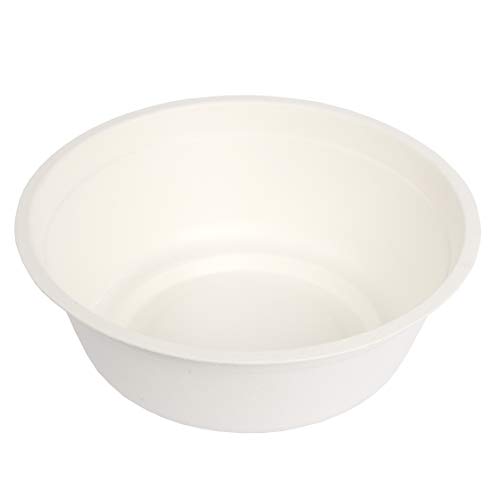
SUSTAINABLE AND COMPOSTABLE - Made from 100% compostable plant fiber, our premium heavy weight tableware is made with no trees or plastic, making it the most functional line of natural plant fiber products in the market.
Strategies for Reducing Your Plastic Footprint
Feeling overwhelmed by plastic waste? You’re not alone. But the good news is, making eco-friendly choices can be pretty simple! One easy way to start is by swapping out those single-use plastics for reusable bags, bottles, and containers. Next time you grab a snack, consider using a reusable container instead of a plastic one. It’s a small change, but every little bit helps!
Here’s the trick: look for compostable options made from organic materials. These can be great alternatives to traditional plastic. Also, keep an eye out for local recycling programs and support Extended Producer Responsibility (EPR) policies. This is all about working together to manage plastic waste better.
I also think it’s cool to get involved in initiatives like those from Plastic Bank. They’re pushing for a circular economy, which is all about reducing waste and reusing materials.
To make your efforts even more effective, consider switching to reusable shopping bags made from recycled non-woven fabric that are not only durable but also easy to clean and carry.
So, why does this matter? By making these changes, you’re not just helping the planet—you’re encouraging others to adopt sustainable practices too. Together, we can take meaningful steps towards a greener future!
In short, every effort counts. What will you do today to reduce your plastic footprint?
Recommended Products

Custom Printing Service: We offer custom printing service, allowing you to personalize your packaging with brand name, logo, and design, making it an ideal choice for businesses looking to create a unique identity and make your products stand out.Click "Customize Now" to create your package.
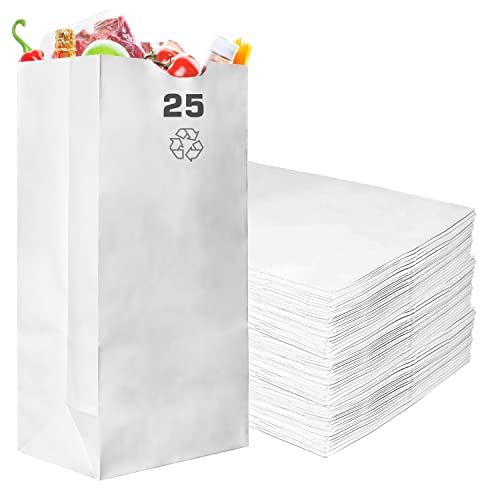
WHITE PAPER LUNCH BAGS SIZE: #25 White Paper Bag | 25LB Capacity (15.8 x 8.2 x 6.1 inches) BULK Value Pack. Made from Recycled Kraft Paper! Perfect to pack your lunch. Sturdy and trendy! Multiple Bag Sizes Available from EcoQuality!
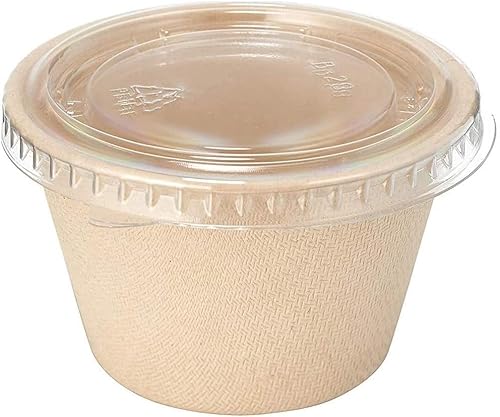
ECO-FRIENDLY AND COMPOSTABLE MATERIAL: Made from renewable sugarcane bagasse fiber, these 4 oz portion cups offer a compostable and biodegradable alternative to traditional plastic sauce containers, helping restaurants, food trucks, and catering services reduce plastic waste while maintaining dependable performance.
Frequently Asked Questions
What Is the True Cost of Single-Use Plastic?
The true cost of single-use plastic lies in its environmental impact, resource depletion, and social implications. We’re not just paying with money; it affects our health, wildlife, and the planet’s future—it’s a price we can’t ignore.
What Are the Hidden Costs of Cheap Food?
Like a hidden iceberg, the true costs of cheap food lie beneath the surface—poor food quality leads to health implications while environmental impact spirals. Let’s explore how our choices affect our health and planet together.
What Does the True Cost of a Product Include?
The true cost of a product includes its supply chain impacts, environmental consequences, and how consumer behavior affects these factors. We must consider these elements to grasp the broader implications of our purchasing decisions.
What Are the Hidden Costs of Convenience?
The hidden costs of convenience include significant environmental impact, serious health consequences from chemical exposure, and an economic burden on communities. Together, we often undervalue these factors while enjoying apparent quick fixes in our daily lives.


