


When you see “biodegradable” on a label, it sounds fantastic, right? But here’s the rub: biodegradable products can break down over time, but they often leave behind those annoying microplastics or some toxic remnants.
Not all biodegradable items are compostable either, which actually helps nourish our soil. So, how do you know what’s safe to use?
You might want to look for specific certifications on the packaging. For instance, the BPI Compostable logo or USDA Certified Biobased labels can give you more confidence in your choices.
It’s worth taking a moment to check these details before making a purchase.
Honestly, understanding what biodegradable really means can make a difference. It’s not just about feeling good about your choices but also making informed ones that are better for the environment.
So next time you’re shopping, consider what you’re bringing home.
In the end, keep yourself informed and you’ll make smarter choices.
What’s one thing you’re curious about when it comes to eco-friendly products?
Key Takeaways
- “Biodegradable” means products can break down over time, but they may leave harmful residues or microplastics in the process.
- Not all biodegradable items are compostable; some require specific conditions for proper breakdown, often not met in landfills.
- Look for certified labels like BPI Compostable or the Seedling logo to ensure compliance with composting standards.
- Misleading biodegradable claims can result in consumer confusion; understanding eco-labels is essential for making informed choices.
- Improper disposal of biodegradable products can harm the environment; research local waste management practices for responsible disposal.
Understanding the Meaning of ‘Biodegradable’

When you hear the term “biodegradable,” what pops into your mind? It might seem like it’s a solution to our waste problems, but it’s worth diving a little deeper. While biodegradable products can break down over time, they can leave behind unwanted residues that aren’t so friendly to the environment. Not every biodegradable material is compostable, which means it won’t enrich the soil or close the loop on recycling safely.
So, what’s the deal with biodegradable plastics? They might sound convenient, but they can potentially create microplastics as they break down, which is a real concern for our planet. The tricky part is that “biodegradable” doesn’t come with strict regulations, so you’ll want to be careful with what you buy.
Here’s a smart tip: Look for third-party certifications when you’re shopping. This can give you a bit of peace of mind that the product meets certain environmental standards. The best part is, if you can, choose items made from renewable agricultural resources rather than ones that rely on synthetic fertilizers. This small change can make your choices much healthier for the environment.
In fact, choosing bags with composting certifications guarantees they will break down properly in compost systems, helping reduce environmental impact.
In the end, being aware of what biodegradable really means can make a difference. So, next time you’re making a purchase, ask yourself: “Is this really a green choice?” It’s all about being mindful of our impact!
Exploring the Science of Biodegradation
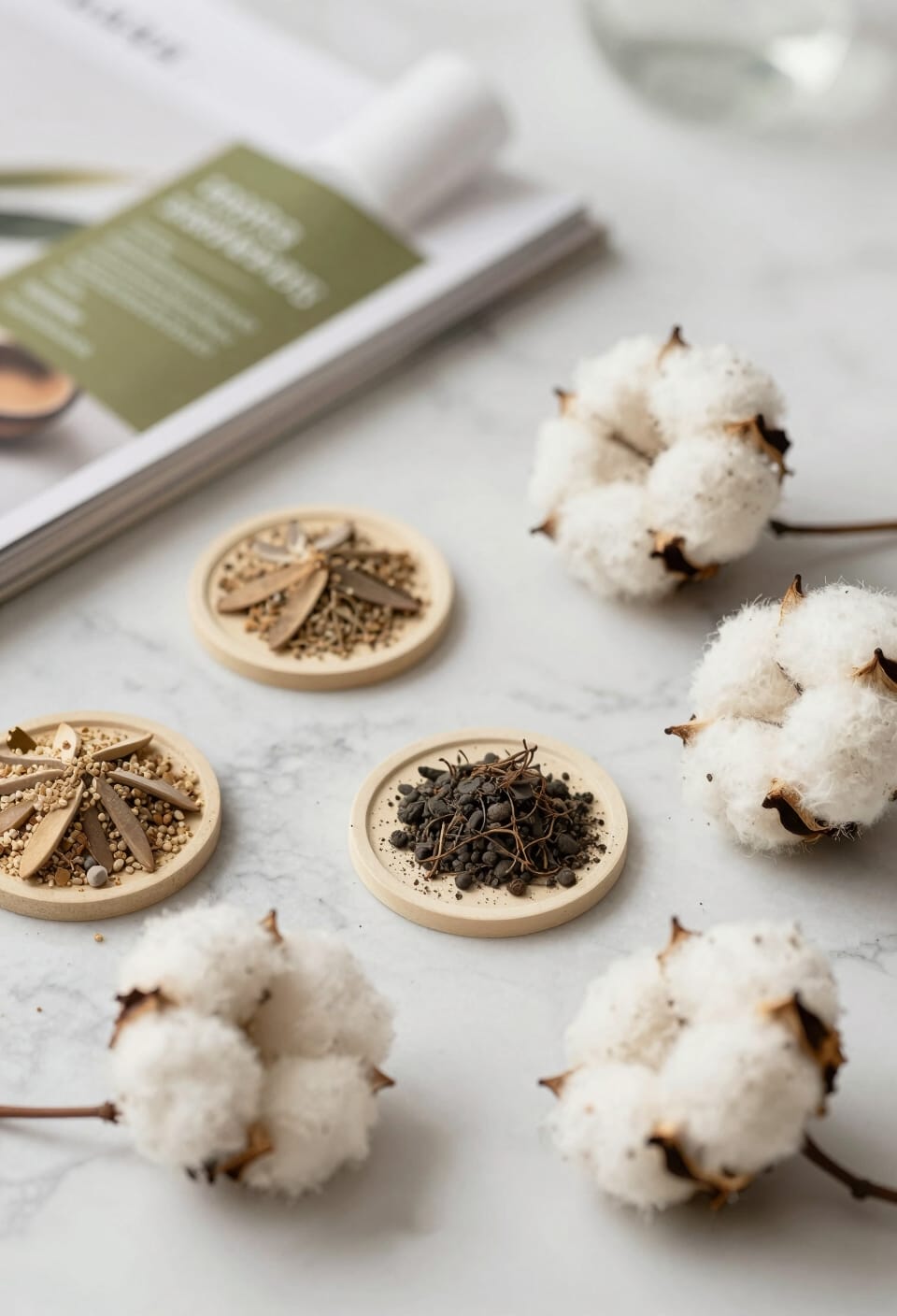
Have you ever wondered why your favorite plastic snack wrapper seems to stick around forever? It turns out not all materials break down in the same way. While biodegradable items like paper or food scraps can decompose thanks to microorganisms—think bacteria and fungi—I’m talking weeks under the right conditions, like warm temperatures and enough moisture. In contrast, some plastics can linger for centuries!
Let’s take a closer look at how this works. You’ve got aerobic and anaerobic decomposition methods. Aerobic decomposition happens with the help of oxygen, which tends to break things down faster. On the flip side, anaerobic decomposition occurs without oxygen and can be slower. And sometimes, toxic components remain after breakdown, so it’s super important to choose the right products to toss. Just because something’s biodegradable doesn’t mean it’ll vanish if you toss it outside!
For truly effective waste reduction, many people opt for compostable trash bags, which are designed to break down safely under the right composting conditions.
Common Misconceptions About Biodegradable Claims
Ever seen a product with the “biodegradable” label and thought, “This has to be better for the planet”? You might want to think twice. The truth is, this label can be pretty misleading.
Some biodegradable products break down into tiny plastic bits called microplastics, which are still incredibly harmful to the environment. And here’s the kicker: their breakdown often depends on specific conditions—like heat and moisture—that aren’t typically found in landfills. So, what does that mean for you?
When you’re shopping, it pays to dig a little deeper into these claims. Many biodegradable items aren’t good for home composting and can even leave behind toxic residues or gases. Try this: before buying, check if the product meets any specific composting standards or certifications.
You might wonder, why should you care? Well, every small choice adds up. By being a more informed consumer, you’re making a positive impact on the environment. Let’s face it, not all biodegradable labels are created equal!
To sum things up, it’s crucial to critically assess biodegradable claims. Next time you’re in the store, keep an eye out and do some quick research—it could really make a difference for our planet. What products have you noticed with that biodegradable label?
For pet owners, choosing bags with compostability certifications ensures the product is truly eco-friendly and breaks down properly in home composting environments.
Tips for Spotting Certified Biodegradable Products
Ever find yourself confused by all those eco-labels while shopping? Trust me, you’re not alone! Understanding what those biodegradable labels actually mean can seriously make a difference in your buying choices.
Start with the BPI Compostable logo. It’s a solid indicator that those products will break down in commercial composting facilities and won’t leave harmful residues behind. Then, keep an eye out for the Seedling logo. This one shows that the product meets European industrial composting standards—pretty neat, right? If you spot “USDA Certified Biobased,” that’s a good sign too. It means the item contains a percentage of renewable content, which boosts how biodegradable it is!
Now, don’t forget that not all biodegradable products are compostable, so a little extra checking of the labels goes a long way. Seriously, it’s worth your time! And let’s talk about products that are simply labeled “biodegradable.” Honestly, it’s a bit like playing a game of chance with your purchases.
Staying informed is key to making better choices for the planet while you shop. It’s all about reducing your environmental impact, one product at a time. So, next time you hit the aisles, remember to check those labels—your efforts make a difference! What eco-friendly tips do you use when shopping? Also, looking for certification standards like ASTM D6400 or EN 13432 can help ensure the products truly break down under proper composting conditions.
What Are the Environmental Impacts and Disposal Practices for Biodegradable Products?
Have you ever thought about what happens to biodegradable products after you toss them out? It turns out, their environmental impact can be a little confusing. Sure, they’re designed to break down, but if you don’t dispose of them properly, they can still leave behind harmful residues and even tiny bits of plastic. That sounds contradictory, doesn’t it? The problem lies in the fact that there aren’t clear guidelines on what “biodegradable” really means.
For these products to effectively break down, many of them actually require industrial composting facilities which maintain higher temperatures. Unfortunately, regular landfills aren’t set up for that kind of decomposition, which can lead to those unwanted byproducts hanging around longer than they should.
So, what can you do? Try checking your local waste management practices. Finding third-party certifications or asking your local recycling facilities what they accept can go a long way toward making sure you’re being environmentally conscious. But keep in mind, even some products labeled as biodegradable may require specific conditions to break down safely, which means your role in disposal is more crucial than you might think.
The best part is that by being informed about how to properly dispose of biodegradable products, you can help reduce any negative environmental impacts. With a little effort, every small action you take can contribute to a healthier planet. It’s really about those smart disposal practices. Are you ready to make a change? For example, many compostable coffee cups meet ASTM D6400 certification standards, ensuring they break down safely in industrial composters.
Biodegradable vs. Compostable: Key Differences Explained
Have you ever wondered what happens to your environmentally friendly products after you toss them away? It turns out, knowing the difference between biodegradable and compostable can make a real difference in how we treat our planet. Biodegradable items break down through microbial action, but here’s the catch: they can leave behind harmful residues and there’s no set timeline for how long it takes to break down.
Compostable materials are a specific type of biodegradable product that decompose into non-toxic components, especially in composting facilities that meet certain criteria. This means they enrich the soil without leaving behind any harmful byproducts—pretty neat, right?
So, how do you tell which is which when you’re shopping? Remember this guideline: while all compostable items are biodegradable, not all biodegradable items are compostable. Next time you’re choosing products, look for that compostable label.
Truth is, making small changes like this can go a long way. Many biodegradable products, such as sponges made from plant-based materials, also offer superior performance and reusability. Let’s work together to keep our planet clean! What small steps will you take to make eco-friendly choices?
How to Properly Dispose of Biodegradable Items
Have you ever thought about what actually happens to biodegradable items after you toss them out? They may seem like a green choice, but if you don’t know how to get rid of them properly, they can still do more harm than good. It’s really important to check your local regulations first—some biodegradable products are just fine for your home composting setup, while others need to go to a commercial composting facility.
Don’t even think about throwing them in your regular trash; they won’t break down properly in a landfill. If you decide to compost at home, be sure that the items are clearly labeled for residential composting. This way, you can avoid contaminating your pile and make sure everything breaks down as it should.
Here’s the trick: compost these items as soon as possible. Delaying could lead to more greenhouse gas emissions, and nobody wants that! Plus, you’ll be promoting nutrient recycling and improving your soil health at the same time. Think of your compost pile as a mini ecosystem, waiting to flourish.
So, why does this matter? It’s all about making mindful choices for our environment. When you take the time to dispose of biodegradable items correctly, you’re not just helping your garden—you’re helping the planet. Many biodegradable utensils come with BPI certifications that verify their compostability and ecological safety.
Frequently Asked Questions
What Does Biodegradable Mean in Simple Terms?
Biodegradable means materials naturally decompose, reducing environmental impact. By choosing eco-friendly products and compostable materials, we promote sustainability practices, enhance waste management, and support marine life safety, while increasing consumer awareness about pollution reduction alternatives.
What Does 100% Biodegradable Mean?
When we say a product’s “100% biodegradable,” it means it’ll break down into natural materials under specific conditions. We should consider its environmental impact, labeling regulations, and seek sustainable alternatives for effective waste management and eco-friendly practices.
What Does It Usually Mean When a Product Is Labelled Biodegradable?
Biodegradable products, often boasting benefits, typically break down through decomposition, but they don’t always meet certification standards. Let’s be aware of their environmental impact, landfill effects, and the recycling misconceptions surrounding compostable plastics.
Are Labels Biodegradable?
Labels aren’t always reliable; biodegradable definitions can confuse us. We should differentiate compostable versus biodegradable, consider environmental impact, and demand transparency. It’s essential to understand disposal methods, product lifespan, and the marketing strategies behind claims.


