
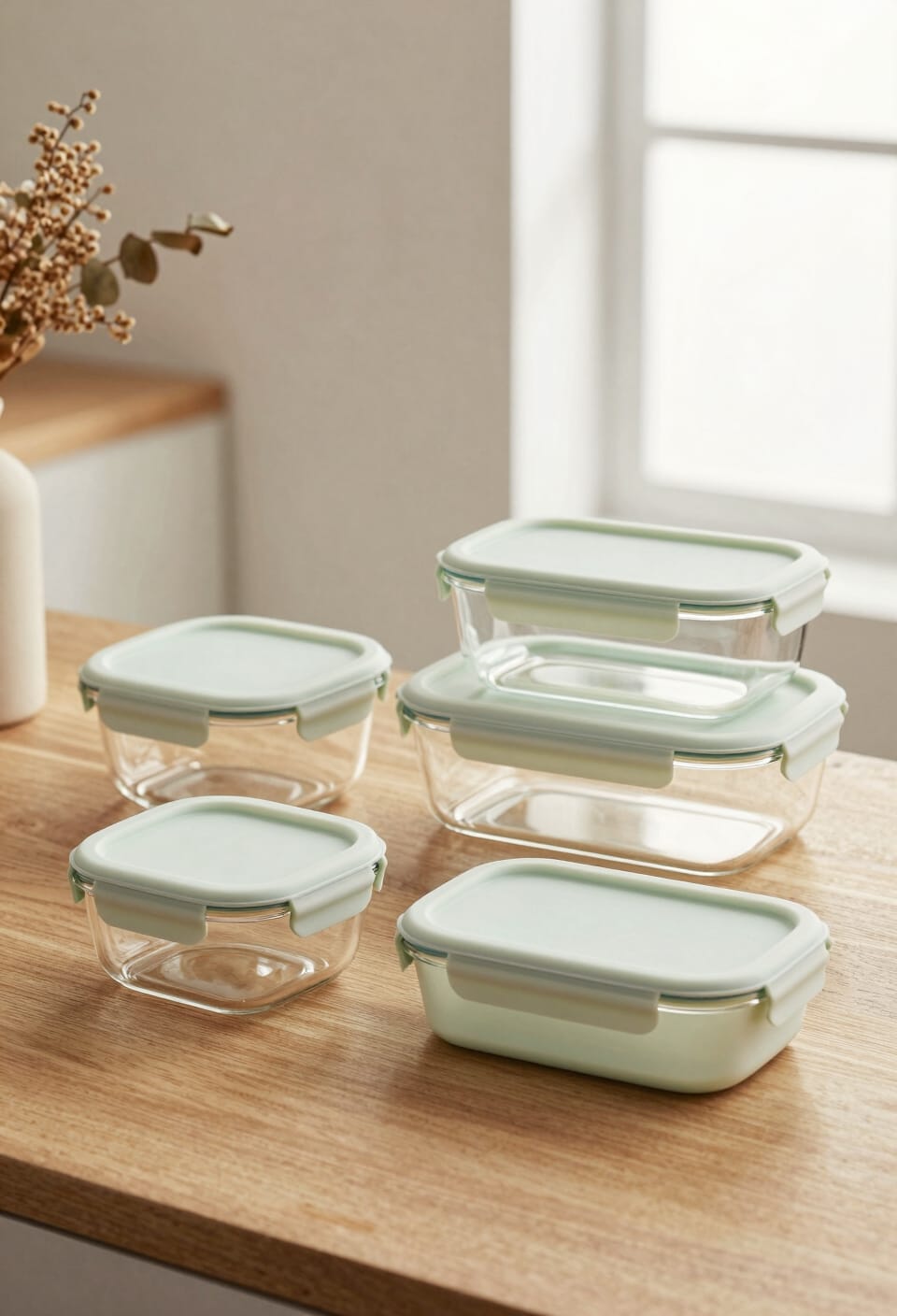

When it comes to kitchen storage, you’re probably wondering which is better: silicone or glass food containers. If you’re like me, you want something that lasts and keeps your food fresh.
Well, glass containers usually have the upper hand in durability. They don’t stain or absorb unpleasant odors like silicone can. Plus, you can pop them in the oven or microwave without worrying about harmful chemicals leaching out.
Here’s the trick: think about how you use these containers. If you’re planning to heat your food often, glass might be your best bet. It can take high temperatures without breaking down, whereas silicone has its limits.
Plus, many people find glass more reliable over time. You wouldn’t want to deal with a situation where your container starts melting or warping, right?
Some things to consider:
- Weight: Silicone is lighter, making it easier to carry around.
- Storage: Silicone containers can often collapse for easy storage, while glass is a bit bulkier.
- Cleaning: Both can typically go in the dishwasher, but glass is less likely to scratch or lose its clarity.
So, why does this matter? If you’re investing in reusable containers, you want something that will stand the test of time and keep your meals looking and smelling good.
In my experience, it helps to have a mix of both types in your kitchen. Use glass for things you’ll heat up and silicone for snacks or items you want to pack lightly.
Truth is, there’s no one-size-fits-all answer here, but understanding the strengths and weaknesses of silicone and glass can help you make the right choice for your needs.
Have you thought about how you’ll use your food containers?
Key Takeaways
- Glass containers are more durable and reliable, often withstanding long-term use without staining or holding odors.
- Silicone containers are lightweight and flexible but may require more frequent replacements, increasing overall costs.
- Glass containers handle high temperatures better, while some silicone options have a maximum heat limit of 400°F.
- Silicone containers can be easily collapsed for portability, but glass containers need careful handling to prevent breakage.
- Although silicone may have a lower upfront cost, glass containers can provide better long-term value due to their longevity.
Comparative Analysis of Silicone and Glass Food Containers
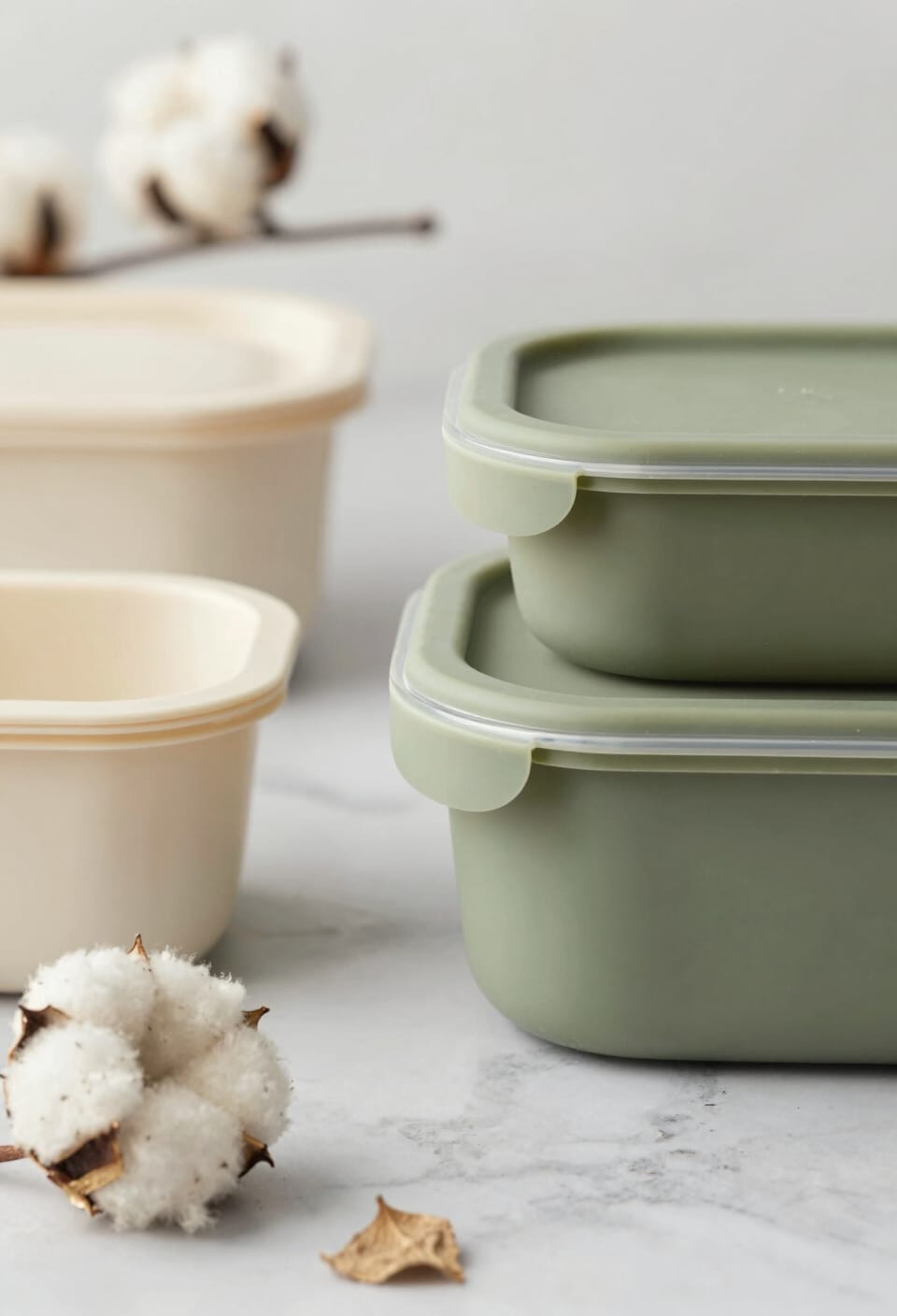
When it comes to food storage, deciding between silicone and glass containers can be a bit of a head-scratcher. You want something reliable, right? Glass containers really shine in this area. They don’t stain or hold onto tough food odors, making cleanup super simple. If you’ve ever dealt with that lingering smell from plastic, you’ll appreciate this!
On the other hand, silicone containers are pretty handy too. They’re lightweight and flexible, which makes them great for meal prep when you’re on the go. But here’s the catch: they might not last as long as glass. It could mean you’ll end up replacing them more often, which can add up over time.
So, what’s the best choice for your wallet? Silicone containers might seem cheaper at first, but think about the long-term. Investing in durable glass can save you money in the end since you won’t have to keep buying replacements. Honestly, it feels worth it.
Both materials have their perks, but if you’re looking for durability and reliability in food storage, glass is the way to go. What’s your go-to for storing food? Additionally, unlike silicone, many premium food containers are made from 18/8 stainless steel, which offers exceptional durability and resistance to stains and odors.
Recommended Products

𝗦𝗰𝗲𝗻𝘁 - 𝗣𝗿𝗼𝗼𝗳, 𝗔𝗶𝗿𝘁𝗶𝗴𝗵𝘁 𝗮𝗻𝗱 𝗟𝗲𝗮𝗸 𝗣𝗿𝗼𝗼𝗳 : Heavy durable ultraviolet glass locks in aroma with airtight BPA free plastic lid. Insurance against the potency of your goods from leaking. Apothecary jars are good for long term storage.Our Sleek design jars come with an airtight seal with a tightly fitting black glass lid.These miron jars have substantive size, and they can easily fit a variety of organic and all-natural products.

VALUE PACKAGE: Contains 1062pcs 12oz plastic juice bottles with tamper-proof lids, size: 2.2 inches x 6.5 inches. It comes with 1062 bottles and 1062 stickers, making it easy to use.

COMPLETE 26-PIECE SET: Includes 10 glass containers with lids, 2 stainless steel scoops, 2 ¼ measuring cups, 2 modular storage bases, and 2 magnetic organizers, creating an all-in-one food storage system for a streamlined, clutter-free pantry.
How Heat Resistance Affects Your Food Storage Choices?
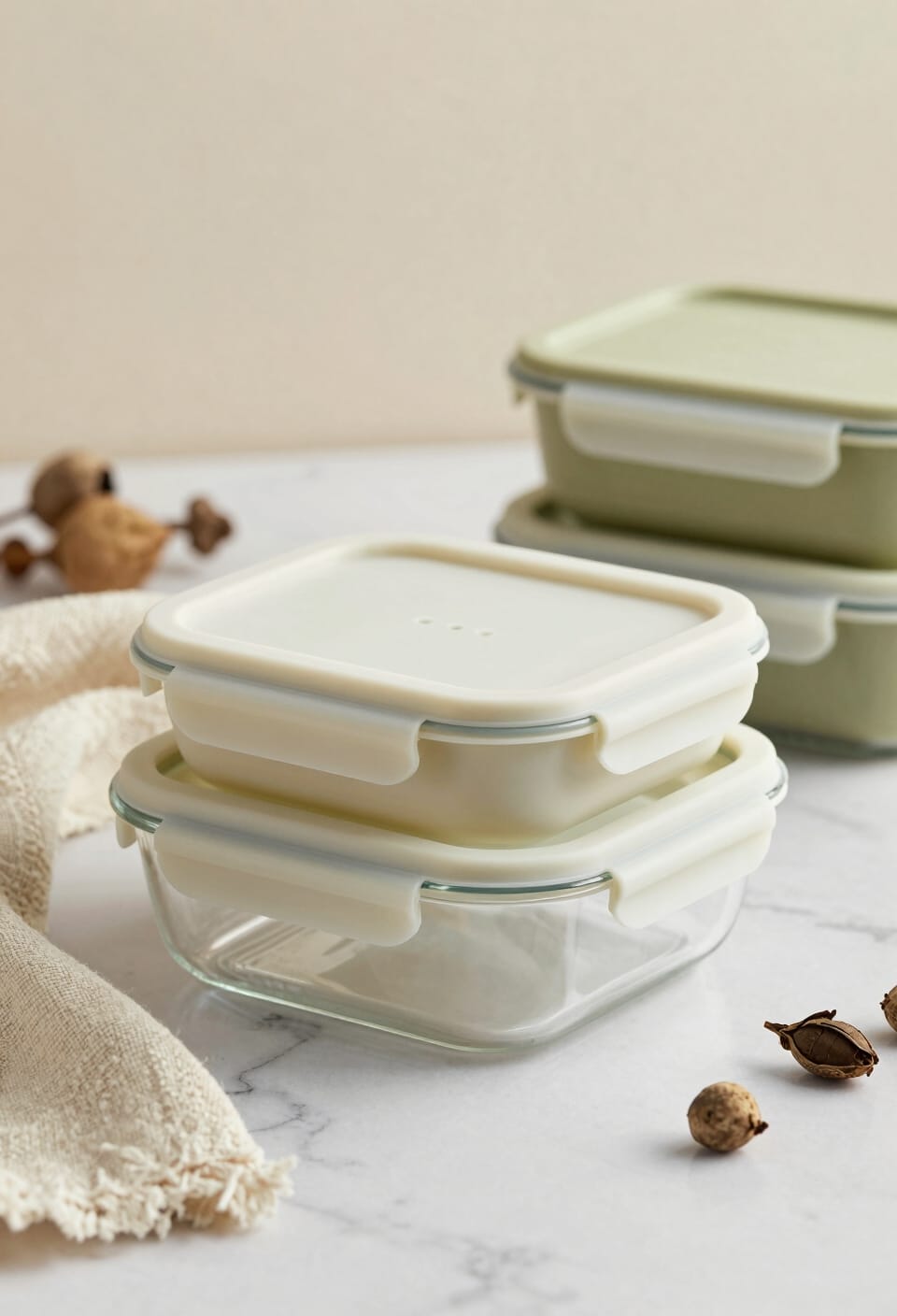
Ever been in a situation where you’re not sure if the container you’re using is safe to heat up? It’s a common worry, especially when you’re just trying to put a quick meal together. Heat resistance plays a big part in the food storage game, so it’s worth knowing what works best.
Glass food storage containers are a solid choice. They’re super heat-resistant, which means they can handle high temperatures without warping or leaching chemicals. You can pop them in the microwave or transfer them straight to the oven without a second thought. That’s a huge bonus for safety!
Now, silicone containers are decent too, but they have their limits. Typically, they max out around 400°F (204°C), and while they’re microwave-safe, repeated high-heat exposure can affect their flexibility over time. So, if you plan on using them for everything from reheating to baking, you might want to think twice.
Many glass containers are made of borosilicate glass, a material known for its exceptional thermal resistance and durability. Here’s the trick: Always aim for durable, heat-resistant materials for your food storage needs. Nobody wants a melted mess when they open the microwave.
To keep your food storage solutions effective, weigh your options carefully. What’s your go-to container for leftovers?
Recommended Products

Neck opening is 5 times larger than on GL45 threaded bottles – much easier to add or remove powders and easier to clean

Bottles are manufactured from Type I borosilicate glass

SAFE, PRECISE, ACCURATE – Our bottle top dispensers can be used to dispense precise amounts of chemicals, reagents, organic and inorganic solvents, oils and more from bottles or other containers. Bottletop dispensers allow you to safely dispense a fixed amount of liquid directly from a bottle to a receiving container. Bottle top dispensers help reduce the loss of reagents, save time, and reduce risk.
Which Material Offers Better Durability: Silicone or Glass?
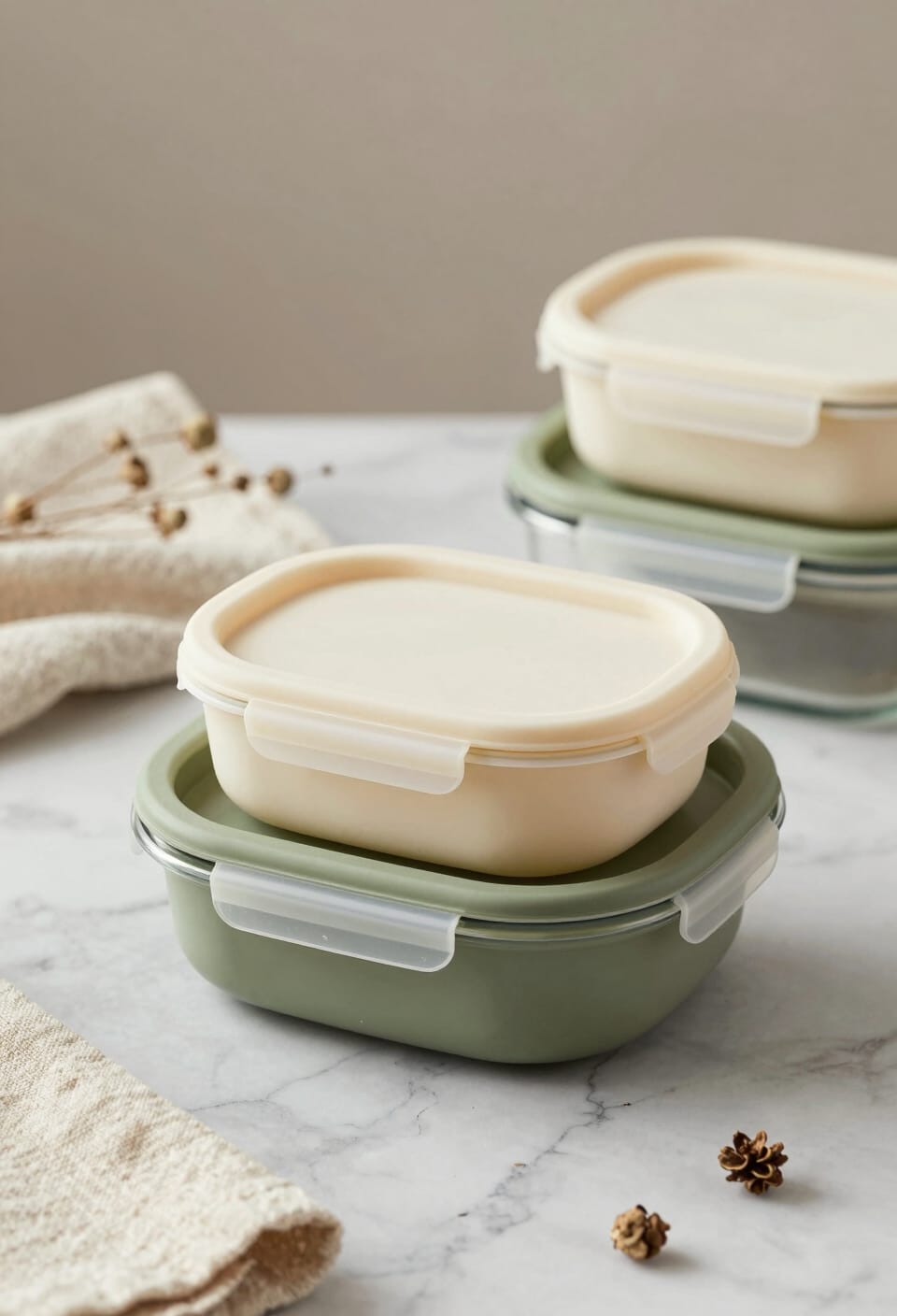
How do you choose the right material for your food storage containers—silicone or glass? Honestly, it can feel like deciding between a rock and a bouncy ball! Glass containers are favored for their heat resistance and long-lasting nature. But let’s be real: they can chip or shatter if you drop them.
Silicone containers, on the other hand, are more flexible and tough against breakage, which can be a real lifesaver if you’re always on the go. They might lose their shape over time, but for everyday use, they often come out on top.
So, why does this matter? If you’re looking for leakproof options that can flex without fear, silicone is a great pick for those unpredictable kitchen moments. In the end, glass may give you a longer lifespan if treated well, but silicone could just be what you need for practicality and ease.
It’s also worth noting that many high-quality food containers now use BPA-free materials to ensure safety and durability.
What do you think: do you prefer the sturdiness of glass or the flexibility of silicone for your storage needs?
Recommended Products

YETI’s fan-favorite LoadOut GoBox 30 Gear Case has been made even better with the addition of an easy-to-carry HeftyHauler Handle and upgraded latches
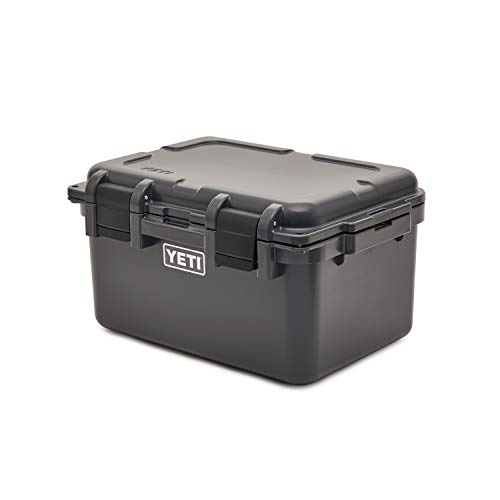
WILDPROOF DESIGN: Waterproof and dustproof to keep the gear inside protected from unwanted wilderness

1. Very Freshness Preservation: 6-Buckle Lock + Silicone Gasket Dual-secured design blocks moisture, oxygen, and odors, extending shelf life of dry goods/pet food by 3X. Leak-proof even when tilted.
Portability and Cleaning: Are Silicone Containers More Convenient?
Have you ever felt overwhelmed by a cluttered kitchen filled with all sorts of containers? It can be such a hassle. This is where silicone containers come into play! They’re incredibly lightweight and can even collapse down, making them great for packing meals when you’re on the move. Cleaning can be a pain, but most silicone options are dishwasher safe. If you find they still hold onto those stubborn food odors, here’s the trick: soak them in a 50/50 vinegar solution for a while.
Their flexibility is another bonus—they can fit into those tight spaces in your drawers and cabinets without a struggle. Compare that to bulkier glass containers, which you have to baby to avoid breaking. Plus, since silicone containers are reusable, they help cut down on waste and outlast plastic ones. So, if you’re looking for convenience and easy cleaning, silicone containers definitely deserve some attention. Their temperature resistance range also makes them suitable for microwave, oven, and freezer use, adding to their versatility.
In short, they make life a little simpler in the kitchen. But what do you find more important in your kitchen essentials—portability or ease of cleaning?
Recommended Products

STURDY & DURABLE: Crafted with premium plastic, these storage containers are designed to withstand daily use and last for a long time. Effortlessly holds hefty foods!


Cost Comparison: Silicone vs Glass Containers
When you’re deciding on kitchen storage options, price can really make or break your choices. If you’ve looked into silicone versus glass food containers, you probably noticed that silicone containers are often the more affordable option. You can snag big sets for about $60, while a high-end glass set, like the Caraway, can skyrocket to $245! So, what’s the deal with these price differences?
On the one hand, glass containers have a higher upfront cost, but they’re known for their durability and longevity. If you take care of them and avoid the dreaded drop, they can outlast their silicone counterparts. Plus, since they last longer, you might find that replacement costs are lower over time. It’s worth considering if you’re planning to use them regularly and want something that will truly stand the test of time.
Now, if you’re all about meal prepping or have a busy family to feed, silicone containers can be a real money-saver. They often come in large sets that you can stock up on without stretching your budget too much. Here’s the trick: find the right balance between your needs and your budget. Are you okay with spending a bit more upfront for durability, or is a lower cost per unit more important right now?
Honestly, it all comes down to what works best for you. Are you looking for stylish storage that can survive a few drops, or are you focused on stocking up on the basics at a lower price? Think about how you plan to use your containers, and that’ll help guide your decision. Stainless steel containers, for example, offer high-grade durability that can resist rust and corrosion, providing another long-lasting option beyond glass or silicone.
Recommended Products
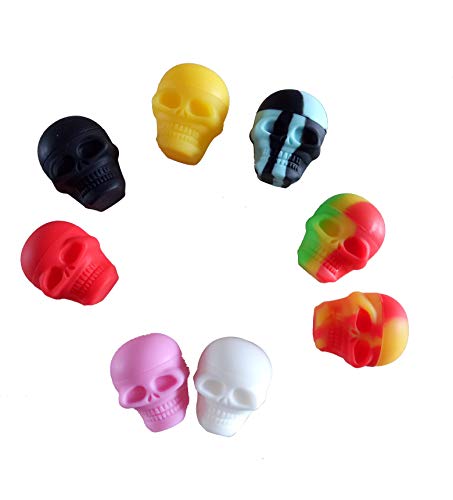
100% Skull Silicone Containers ,You Can Choose The Count Capacity:3ML Size:Diameter 25mm*ID13mm* H30mm
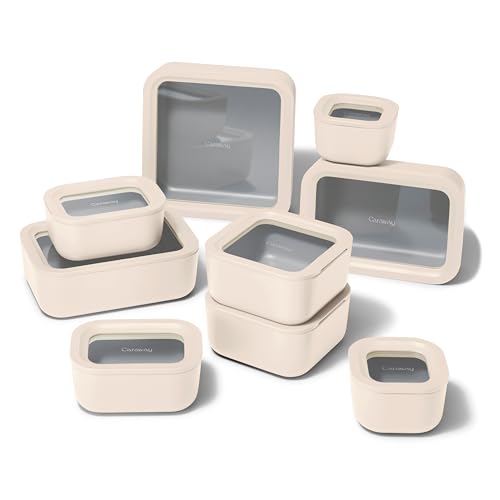
KEEP YOUR FOOD FRESH: Look forward to leftovers with Caraway’s easy-to-store, non-toxic food storage containers. This set looks great and most importantly keeps your food extra fresh and organized.

COMPACT & CONVENIENT: The 4.4 cup Food Storage Container Container is perfect for single-serve meals, snacks, or small leftovers. Its space-efficient design fits neatly in drawers, fridges, and cabinets, making it ideal for everyday use.
Frequently Asked Questions
What Is the Best Material for Food Storage Containers?
When choosing the best material for food storage containers, we recommend durable, eco-friendly glass. It excels in temperature resistance, odor retention, and dishwasher compatibility, despite a higher price—offering better long-term value and minimal environmental impact than silicone.
Does Food Last Longer in Glass or Plastic Containers?
They say “a stitch in time saves nine,” and we’ve found food lasts longer in glass containers due to better moisture control, lower spoilage rates, and superior nutrient retention compared to plastic—definitely worth considering!
Which Container Is Best for Storing Food?
For best food storage, we recommend glass containers. They excel in food freshness retention, ease of cleaning, and durability. Plus, they’re eco-friendly and adhere to microwave safety standards, making them our top choice for preserved meals.
Is Silicone Bad for a Snack Container?
Silicone’s not bad for snack containers; in fact, 90% of user reviews praise its safety and durability. Its temperature tolerance and recyclability make it eco-friendly, although we should watch for odor retention after certain food interactions.


