


When you’re choosing a cutting board, have you thought about the durability and safety of bamboo? These boards are eco-friendly because bamboo is a renewable resource, which is a huge plus.
However, be aware that they don’t last as long as your typical hardwood boards. That’s something to consider if you’re investing your money.
Bamboo boards can trap bacteria in those little cuts and grooves, so it’s essential to clean them thoroughly after each use. Regular oiling will help maintain their surface too, preventing too many crevices from forming. You want to make sure you’re keeping things safe in the kitchen.
Now, while bamboo cutting boards can be a cleaner choice compared to plastic, there’s no harm in being careful. Always check for quality and choose options that have been treated safely.
So, why does this matter? Because your health should always come first!
If you’re looking to get the most out of your bamboo board, here’s the trick: keep it dry and away from excessive moisture. This will help prevent warping and cracking.
And don’t forget to replace it if it starts showing significant wear; you want a surface that’s as clean as it is functional.
Ultimately, bamboo cutting boards can be a great addition to your kitchen if you take care of them. Just remember to keep safety in mind and check your board regularly for any signs of wear.
Are you ready to choose the right one for your needs?
Key Takeaways
- Bamboo cutting boards are strong and antimicrobial, but they can dull knives faster and may harbor bacteria in cuts or grooves.
- Signs of wear include deep cuts, chips, or warping, indicating the need for replacement due to potential bacterial harboring.
- Regular maintenance with mineral oil can extend the lifespan of bamboo boards, although they typically last 1-2 years compared to hardwood’s decade-long durability.
- Chemical adhesives in some bamboo products raise safety concerns, urging consumers to choose high-quality options with proven sustainable practices.
- Mindful sourcing is essential; understanding the origin and harvesting practices of bamboo ensures informed choices about durability and environmental impact.
The Eco-Friendly Appeal of Bamboo Cutting Boards
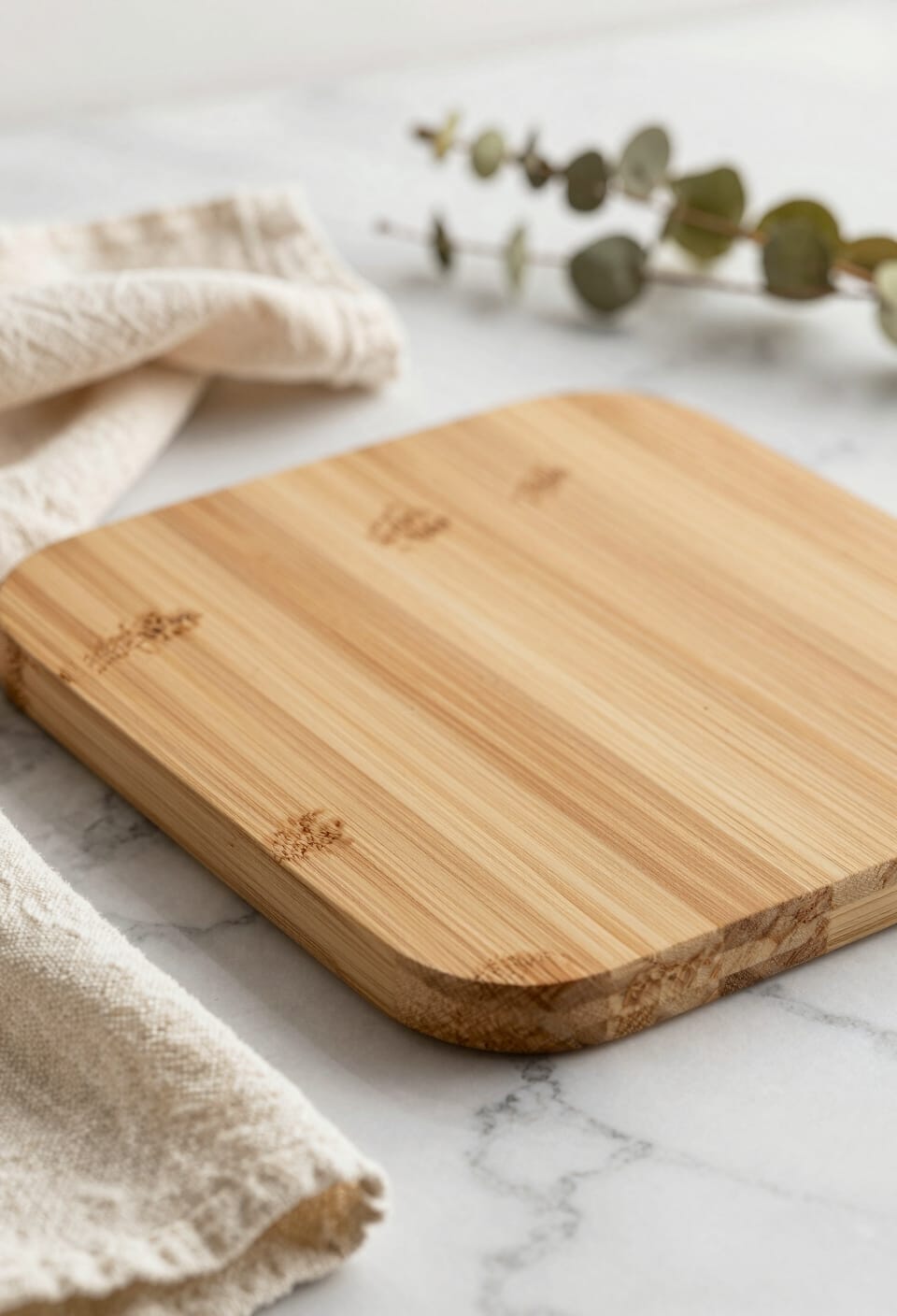
Have you ever stood in front of a wall of cutting boards and felt overwhelmed? It’s a common scenario, but let me tell you, bamboo cutting boards really stand out as a solid choice. They’re marketed as eco-friendly because bamboo grows quickly and doesn’t need to be replanted, which means you’re choosing a renewable resource.
Have you considered the environmental impact of your kitchen choices? Bamboo cutting boards have a smaller carbon footprint compared to traditional wood options. Since bamboo regenerates rapidly, it helps reduce deforestation. Plus, when they reach the end of their life, they’re biodegradable and break down naturally, unlike plastic boards that linger in landfills for ages.
However, there’s a catch. Some bamboo boards use harmful chemical adhesives that can be pretty concerning. And let’s not forget the environmental costs associated with transporting bamboo from Asia. So, keep an eye out for brands that prioritize quality and eco-friendliness.
The best part is that despite these concerns, bamboo cutting boards still have an eco-friendly charm that’s hard to overlook. With a little research, you can find boards that fit your values and cooking needs. Additionally, choosing products made from 100% natural bamboo ensures durability and safety in your kitchen.
How Does Bamboo Stack Up Against Other Cutting Board Materials?

How can you pick the best cutting board for your kitchen? When you stack bamboo boards up against traditional wooden ones, some interesting differences pop up!
Bamboo is known for its strength, which sounds great, but it can actually dull your knives faster than softer woods like maple. You might think that’s a small price to pay for durability, but don’t forget that bamboo is also less porous, which means it can resist moisture and bacteria better. However, keep in mind that if you don’t take care of it properly, bamboo boards are still prone to warping.
In terms of longevity, bamboo boards typically last just 1-2 years. That’s a big contrast to hardwood boards, which can easily survive over a decade if maintained well! If you value durability and safety, you might want to look into composite cutting boards. They offer easier maintenance and generally last longer. Bamboo’s natural antimicrobial properties also promote cleanliness, making it a beneficial choice for kitchen use.
Myths About Bamboo’s Antibacterial Qualities
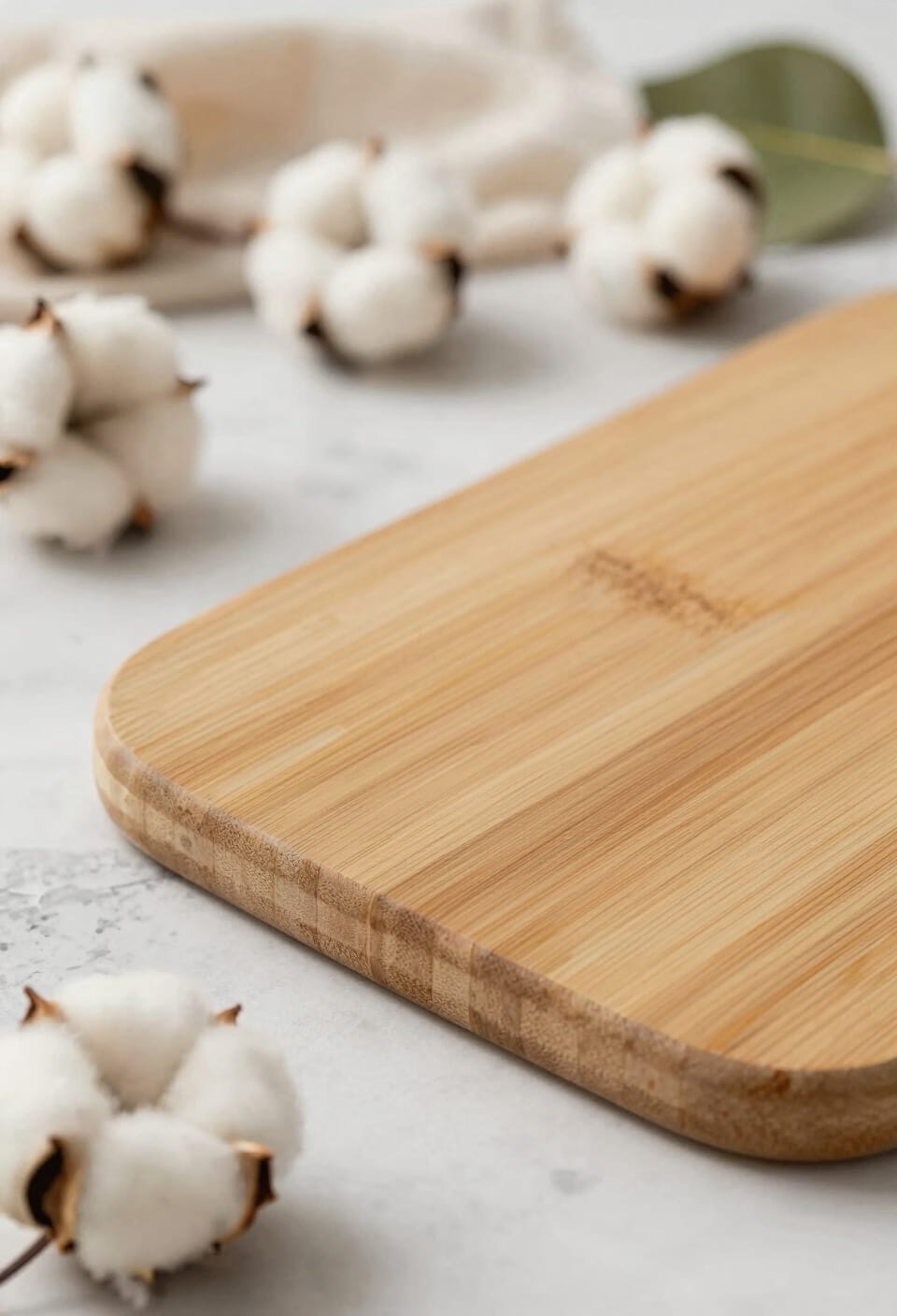
Ever wondered if bamboo cutting boards are really as antibacterial as some people claim? You might think they’re the top choice for staying clean in the kitchen, but it’s time to dig a little deeper. One issue to consider is moisture retention. Bamboo is porous and can trap moisture, which isn’t ideal for food prep.
When you make knife cuts on a bamboo board, those little crevices can hold onto bacteria, making it tough to clean thoroughly. Studies indicate that this moisture can create a perfect environment for bacteria to thrive. So, why does this matter? It means you could unknowingly be exposing yourself to germs right in your own kitchen.
Plus, let’s talk about the chemical adhesives used in many bamboo boards. These can raise safety concerns. So while bamboo cutting boards might look beautiful and trendy, you might want to think twice.
If you’re looking for safer options, consider less porous materials like composite boards. They tend to be easier to clean and less likely to harbor harmful bacteria.
Keeping your kitchen safe should be a priority. So next time you’re in the market for a cutting board, remember the potential downsides of bamboo. What are you using in your kitchen?
In contrast, high-quality kitchen tools made from BPA-free materials help ensure safer food preparation practices.
Identify Wear and Know When to Replace Your Bamboo Board
How much attention do you give to your bamboo cutting board? Even though they look fantastic on your countertop, it’s essential to keep an eye on them for signs of wear. Deep cuts, excessive wear, or little chips—these are all red flags! Most bamboo boards can last about 1 to 2 years, but after that, they might start harboring bacteria (yikes!).
To keep your board in tip-top shape, regular maintenance is a must. Make it a habit to dry them properly after washing. If you start seeing any warping or cracking, it might be time to part ways with your trusty board for safety reasons. Truth is, your cutting board is meant for slicing and dicing, not as a home for germs.
So, how can you tell when it’s time to replace your bamboo board? Look out for:
- Deep cuts or grooves that trap food particles
- Excessive wear that makes it look worn out
- Chips that could harbor nasty bacteria
- Warping or cracking that compromises its structure
Keeping track of these signs helps maintain a clean and healthy kitchen. Remember, proper care like regular application of mineral oil can extend the lifespan of your bamboo board. Let’s stay on top of these maintenance checks and keep our kitchens healthy and happy! Happy chopping!
What to Choose Instead: Alternatives to Bamboo Cutting Boards
Have you ever noticed your bamboo cutting board starting to show its age? Those worn-out spots can be a real bummer in the kitchen. It might be time to consider some alternatives that not only look great but will also hold up better over time.
When it comes to durability, hardwood boards like maple or walnut are solid choices. They can easily last you over a decade if taken care of properly. Have you heard of end-grain cutting boards? They’re often more robust and can stick around for up to 20 years with a little TLC.
If low maintenance is what you’re after, think about composite boards. They’re dishwasher-safe, which is a major plus for keeping your kitchen clean and hygienic. And let’s not overlook gorgeous teak and acacia boards—a beautiful addition that’s safe for food and naturally resistant to bacteria.
And sure, plastic cutting boards can be funky and colorful, but they’re not exactly the best fit for an eco-friendly kitchen. So, what will you choose to replace your bamboo board? Consider the options that suit both your lifestyle and values. For keeping your food fresh longer, you might want to explore borosilicate glass containers as an excellent complement to your cutting board choices.
How to Care for Bamboo Cutting Boards
Caring for bamboo cutting boards is more than just making them look good; it’s crucial for their longevity. These boards might seem tough, but they do need a bit of TLC. One of the simplest yet most effective ways to keep them in tip-top shape is regular oiling—aim for once or twice a month with food-safe mineral oil. This little step goes a long way in preventing dryness and cracking.
When it comes to cleaning, hand-washing is the way to go. Just use hot, soapy water and dry them immediately afterward. It’s important to remember that bamboo boards aren’t meant for the dishwasher; doing so could warp or splinter them! After washing, a quick mix of one tablespoon of bleach in a gallon of water helps maintain sanitation. It’s a small effort to ensure your cutting board stays safe for food prep.
Have you ever noticed deep cuts or damage on your board? That’s a red flag. Worn boards can hide bacteria and might need replacing. Keeping an eye out for these issues is vital for your kitchen hygiene.
Using materials that are durable and resistant to bacteria, like bamboo, offers a natural alternative that aligns with health safety standards.
The Environmental Impact of Bamboo Sourcing and Transportation
Ever wonder about the journey that bamboo takes before it ends up as that beautiful cutting board in your kitchen? It’s tempting to think of bamboo as just a renewable resource, but there’s a lot more to the story. Sourcing bamboo often means it’s being shipped halfway around the world from Asia to Western markets, which adds a hefty amount of transportation emissions into the mix.
But that’s not all. If bamboo isn’t harvested responsibly, it can actually lead to some serious environmental issues like soil erosion and deforestation. Doesn’t that make you pause for a second? Plus, many of those bamboo cutting boards are glued together with adhesives that might contain harmful chemicals. So, there’s definitely more to consider than just how quickly bamboo grows.
Here’s the trick: when you’re thinking about purchasing bamboo products, it’s crucial to look into how that bamboo was sourced. Take a moment to consider the entire lifecycle of the product. Ask questions about its origin and the practices used in its harvest.
What’s the takeaway here? While bamboo can be a great alternative material, being mindful about sourcing is key. A simple shift in how we think about bamboo products can make a real difference— both for our health and for the planet. So, next time you think about going green with bamboo, ask yourself: Is this purchase truly sustainable? Additionally, choosing bamboo products with proven eco-friendly and sustainable manufacturing processes can help minimize negative impacts.
Final Thoughts on Bamboo Cutting Boards
As we wrap up our chat about bamboo cutting boards, let’s address the elephant in the room: do they really hold up in the kitchen? Bamboo boards are often touted for being affordable and easy to clean, but here’s the reality—they just don’t last as long as good old hardwood options. If you’re a serious cook, you might notice your knife blades getting dull quicker than you’d like!
And there’s the upkeep to think about. You’ll need to oil them regularly and avoid putting them in the dishwasher. Honestly, that can feel like more of a hassle than it’s worth sometimes. Plus, let’s not forget potential concerns with the adhesives used in some bamboo products and the risk of bacteria buildup. Choosing materials with durability and maintenance in mind can make all the difference.
Frequently Asked Questions
What Are the Downsides of Bamboo Cutting Boards?
While we might love bamboo’s eco-friendliness, we can’t ignore the downsides. Bamboo hardness comparison shows it can dull knives, and its moisture absorption issues require consistent maintenance tips to prevent cracking and bacterial growth.
What Is the Healthiest Cutting Board to Use?
We believe wooden cutting boards, like maple and walnut, are the healthiest choice due to their natural anti-microbial properties. While plastic’s easier to sanitize, wood truly offers the best materials for food safety.
Is It Safe to Cut Raw Meat on a Bamboo Cutting Board?
It’s not entirely safe to cut raw meat on a bamboo cutting board. With proper maintenance, we can reduce bacteria growth, but the moisture retention still poses risks. We recommend using separate boards for meat and other foods.
Do Bamboo Cutting Boards Have Toxins?
Yes, bamboo cutting boards can contain toxins due to their composition and adhesive use. It’s crucial we check for compliance with health regulations to guarantee safety and minimize potential toxin release during food preparation.


