
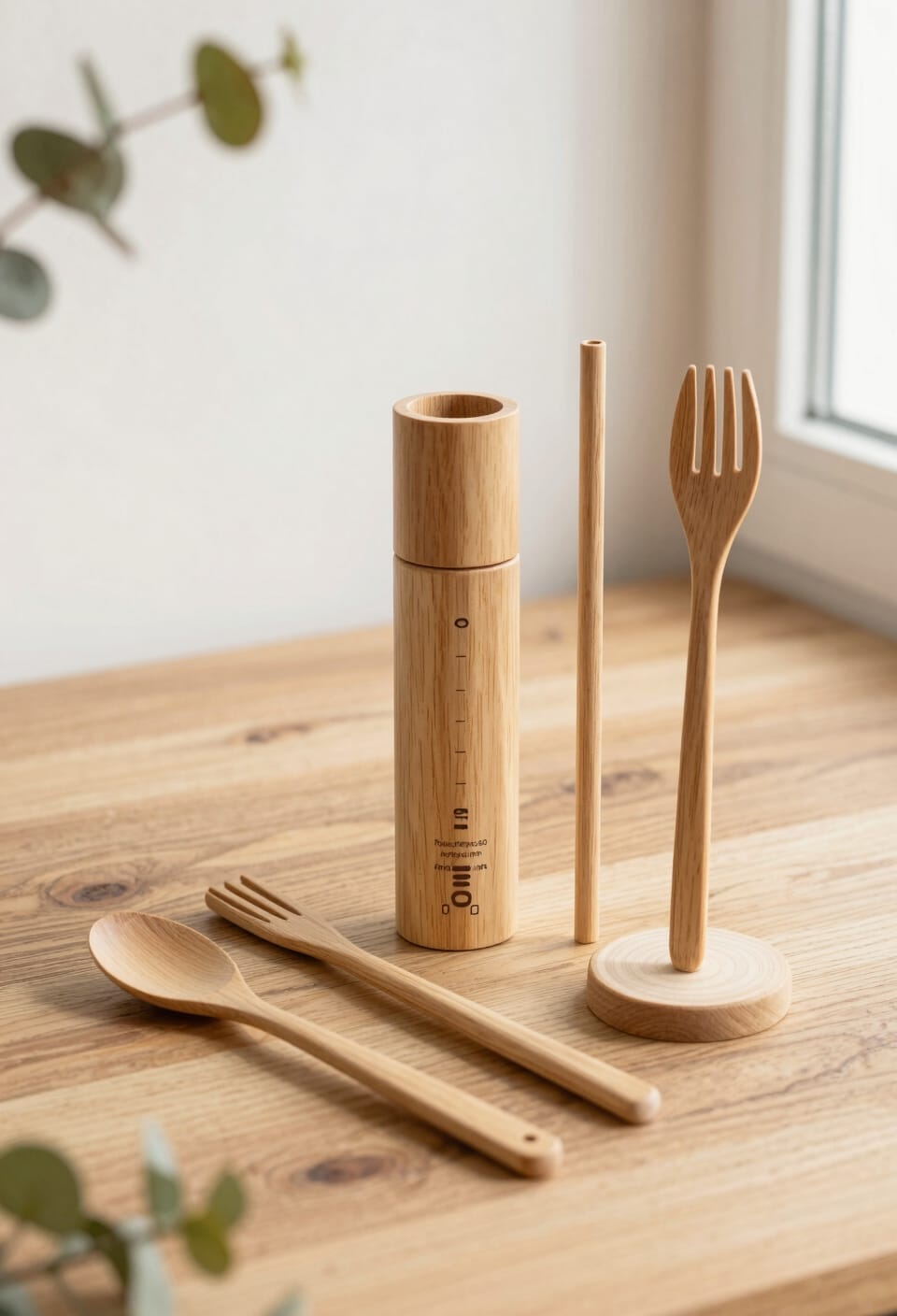

Cleaning reusable straws and utensils is a must for both your health and the environment! Ever had that moment when you forget to rinse your straw right after use, and by the time you get to it, there’s a dried-up mess waiting for you? I know that feeling all too well.
To keep your straws in tip-top shape, rinse them immediately to prevent any food residue from hardening.
For those stubborn stains that like to cling on, a little soak in some soapy water can work wonders. But remember, different materials need different care. For instance, bamboo straws need a gentle touch, while stainless steel ones can usually go right in the dishwasher. Just don’t forget to give them a thorough air dry after cleaning; that’ll help you avoid any funky odors that can sneak up on you.
So, why does taking care of your reusable utensils matter? It’s about keeping them not just clean, but safe to use. Plus, when you look after these essentials, you’re helping reduce waste.
The best part? There are plenty of simple tips and tricks to keep everything squeaky clean. You can also consider using a brush specifically designed for straws; it can make cleaning a whole lot easier.
In the end, regular cleaning of your straws and utensils is super important. It keeps them safe for you and helps lower your environmental impact.
What small steps are you taking to make sure your reusable items stay fresh?
Key Takeaways
- Rinse straws and utensils immediately after use to prevent gunk from hardening and reduce cleaning effort later.
- Clean utensils and straws with warm, soapy water and a gentle brush to remove residues and stubborn odors.
- Soak straws with stubborn residues in warm, soapy water for 10-15 minutes before rinsing thoroughly to avoid soap residue.
- Allow straws and utensils to air dry completely to prevent moisture buildup and bacteria growth.
- Store straws in breathable, sustainable cases to keep them dry and free from mold during humid conditions.
Quick Guide to Why and How to Clean Reusable Straws and Utensils
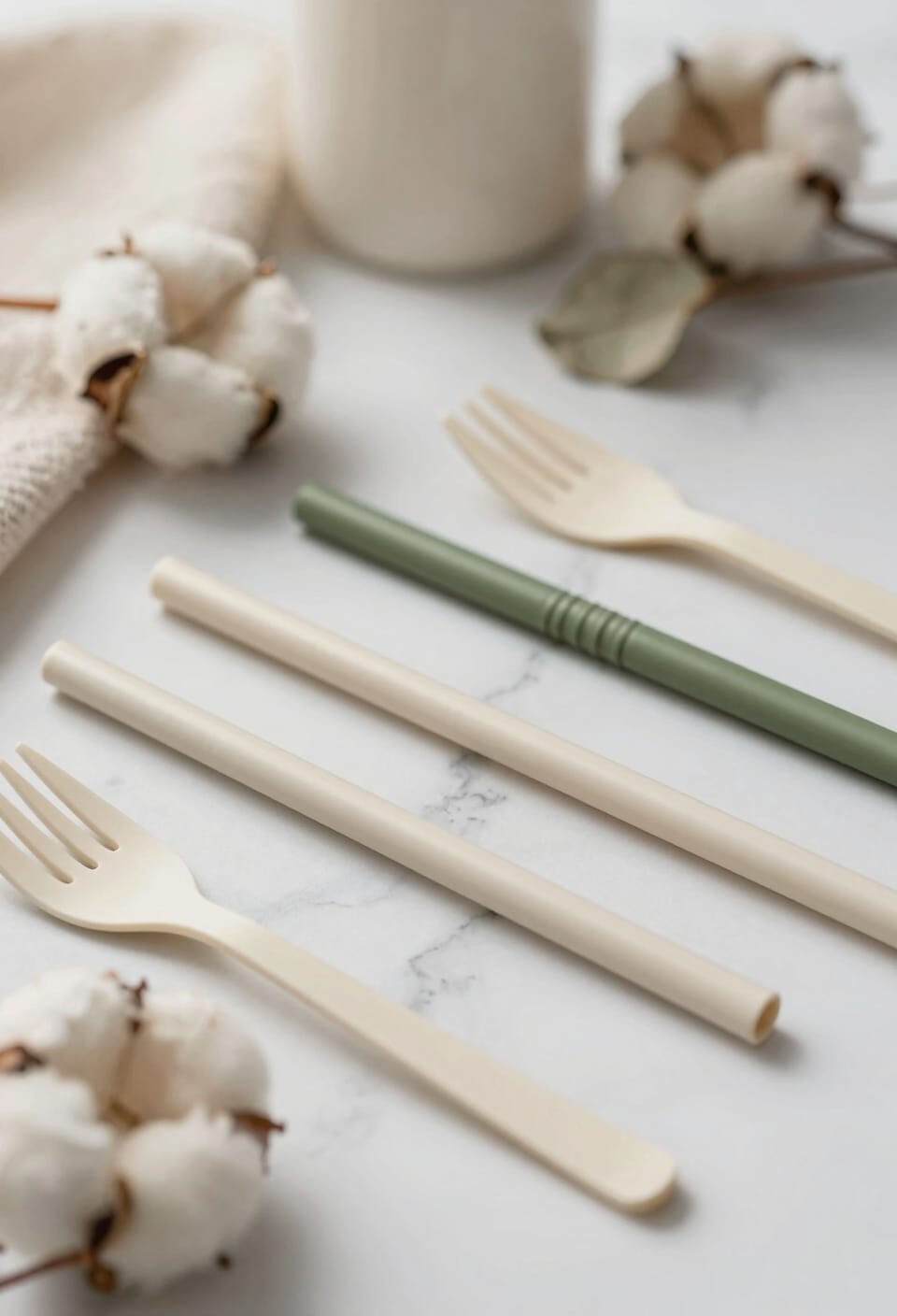
Cleaning reusable straws and utensils can feel like a chore, but it doesn’t have to be a huge hassle. Do you ever get that weird feeling when you reach for your favorite straw or fork, only to wonder if it’s clean enough? Here’s how to keep everything fresh without much effort.
After you’ve enjoyed your drinks or meals, a quick rinse is a must. Don’t wait too long—otherwise, gunk can harden and make it tougher to clean. When you wash your straws, grab a brush and some warm, soapy water. Scrub them well! This step is vital for hygiene and helps shield your straws from that pesky mold.
Now, here’s a little tip: different materials mean different care. Bamboo straws shouldn’t soak for too long, while stainless steel ones can take a good scrubbing. Remember, it’s all about keeping your utensils in top shape and ready for the next meal or drink.
Once you’ve cleaned everything, let it all air dry completely. Leaving moisture behind can lead to bacteria growth—definitely something you want to avoid!
For added convenience, consider using dishwasher safe utensils which make the cleaning process faster and more thorough.
In the end, cleaning your reusable straws and utensils doesn’t have to be a big deal. Just a few simple steps can keep them fresh and ready for your next use. What’s your go-to tip for keeping your kitchen gear clean?
Step-By-Step Guide to Effectively Clean Your Reusable Straws
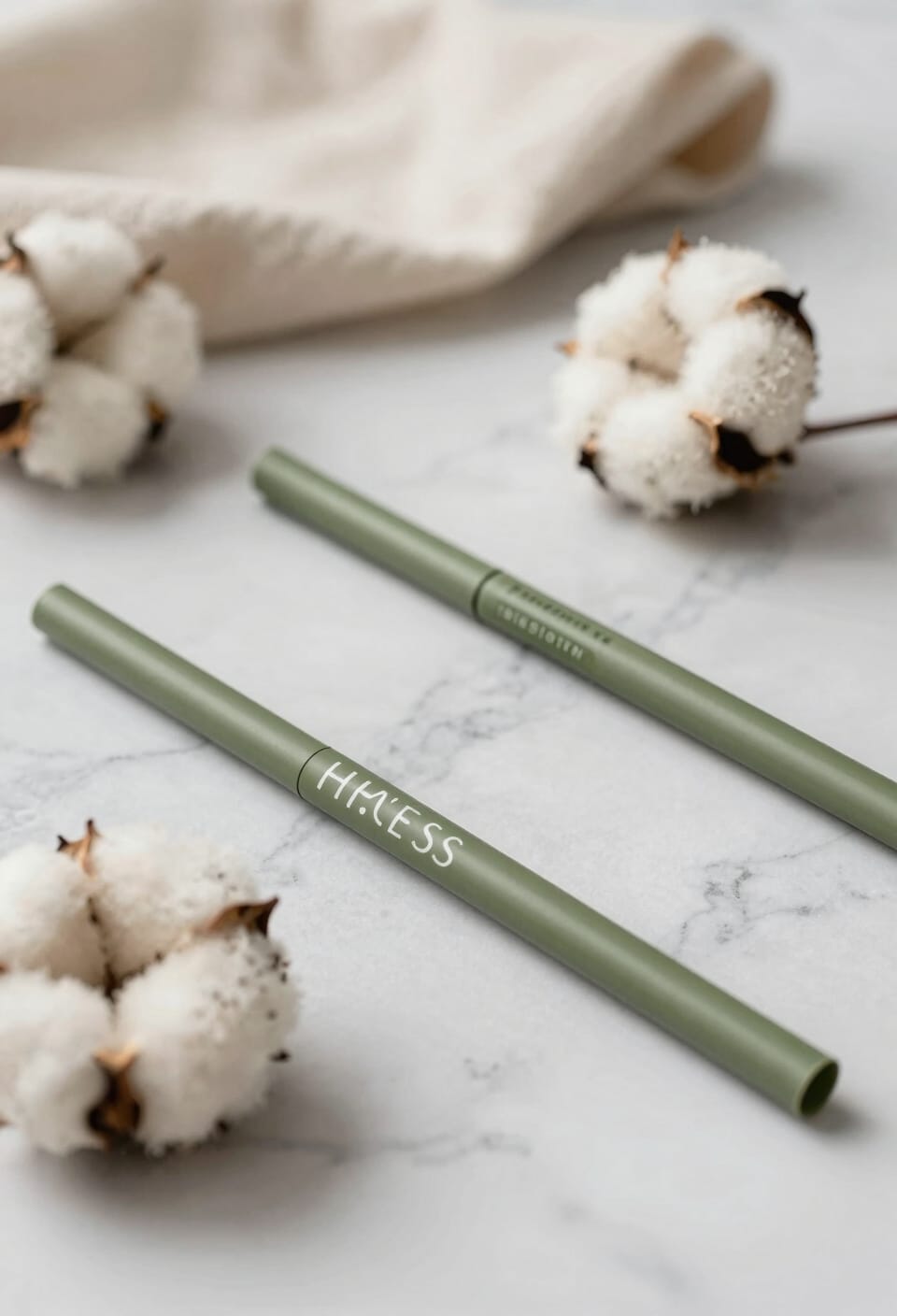
Cleaning your reusable straws can actually be pretty simple! Start by giving them a quick rinse under some warm water to shake off any leftover bits from your last drink. Next, grab a small cleaning brush or, if you’re in a bind, a pipe cleaner will do the trick! It’s all about making sure you get the inside nice and clean, especially those hard-to-reach spots.
If you’re facing some really stubborn residue, don’t sweat it! Try soaking your straws in warm, soapy water for about 10 to 15 minutes before you scrub them. That way, the gunk loosens up and makes the whole cleaning process a lot easier. After soaking, rinse them thoroughly under warm running water to ensure there’s no soap residue left clinging on.
When it comes to drying, you want to make sure your straws are completely dry before you store them. Lay them out on a clean towel or dish rack. This little step can help prevent any unwanted moisture buildup and mold from creeping in later. For best results, avoid using fabric softeners and opt for air drying or low heat to preserve the longevity of your reusable items, similar to care guidelines for reusable period underwear.
Types of Reusable Straws and Their Essential Cleaning Methods

Are you tired of throwing away plastic straws? If you’ve switched to reusable ones, you’re not alone! But keeping them clean can sometimes feel like a bit of a chore. Let’s break down the best cleaning tips for different types of reusable straws, so you can keep enjoying your drinks in style.
For stainless steel straws, cleaning is a breeze. You can pop them in the dishwasher for a thorough clean, or if you prefer doing it by hand, just scrubbing them with warm water and a little mild soap will do the trick. It’s that simple!
Now, if you’re using silicone straws, don’t worry! They love a quick soak or a trip through the dishwasher. Just make sure to dry them completely afterward to avoid any funny smells—nobody wants that!
When it comes to bamboo straws, they require a bit more care. It’s best to wash them by hand with lukewarm water and some mild soap, but keep them away from soaking. That’ll ensure they stay in tip-top shape and don’t develop any unwanted issues.
Glass straws are pretty straightforward, too. Since they’re dishwasher safe, you can toss them in with your other dishes, but do a quick check for any residue before you call it a day. It’s all about keeping them crystal clear!
For silicone straws, using included cleaning brushes or warm, soapy water ensures thorough cleaning without damaging their soft, flexible material, promoting longevity and hygiene.
How to Maintain Your Reusable Utensils
Have you ever finished a meal only to realize your reusable utensils are still sitting in the sink? Keeping them in great shape really requires a little TLC after each use. The first step? Wash those utensils right away with warm water and some mild dish soap. This simple act helps prevent food residue from sticking around.
Here’s the trick: when it comes to reusable straws, a gentle brush works wonders. You’ve probably experienced stubborn odors or stains hanging on longer than you’d like. If that’s the case, try soaking the straws in a mix of vinegar and water for about 10-15 minutes. It’s one of those easy solutions that can really make a difference.
Once everything’s cleaned up, storage matters, too. Make sure to keep your utensils in a ventilated container. No one wants to discover moldy utensils lurking in the back of the cupboard! Also, don’t forget to regularly check for any signs of wear and tear. Keeping an eye on them helps maintain hygiene and ensures you’re still enjoying your eco-friendly choices without worry.
Many reusable items like utensils and snack bags are also dishwasher safe, with recommendations to place them on the top rack to maintain their durability.
In short, a little routine can go a long way when it comes to taking care of your reusable utensils. So, what’s your favorite way to keep your kitchen tools clean?
Avoid These Common Mistakes When Cleaning Your Straws and Utensils
Cleaning your reusable straws and utensils can sometimes feel like a chore, but trust me, it’s super important for keeping your eco-friendly habits in check. Ever wondered why some people still opt for single-use products? It might be because they don’t know how to tackle the cleaning part.
First things first: when you’ve used a straw, don’t let it sit there. Cleaning it immediately is a simple step that prevents residue from building up and keeps everything hygienic. Here’s the trick: use a straw brush that fits the size of your straw. This way, you can tackle all the nooks and crannies that might have trapped food particles. After a good scrub, warm water and a bit of mild dish soap do the trick just fine.
Now, it’s tempting to grab those harsh chemicals for a deeper clean—don’t do it! Bleach can mess with the materials and alter the flavors of your drinks. Nobody wants a hint of bleach in their smoothie, right? So, stick with the basics. And remember to rinse thoroughly! Soap residue can ruin your drink experience, and who wants that?
If you’re cleaning utensils, it’s pretty similar. Give everything a quick wash right after use. Make sure to scrub properly—especially around handles and any intricate designs where bacteria might linger.
Honestly, by avoiding these common mistakes, you can enjoy your reusable straws and utensils without any unpleasant surprises. Using natural cellulose sponges can enhance your cleaning routine by being gentle on surfaces yet highly absorbent.
So, what’s your cleaning routine like?
Eco-Friendly Cleaning and Storage for Reusable Items
Are you tired of dealing with grimy reusable straws and utensils? Keeping them clean can feel like a chore, but it doesn’t have to be overwhelming. You want to be eco-friendly, right? Start by reaching for biodegradable dish soaps and the gentler, planet-loving cleaning agents available.
Here’s the trick: soak your silicone straws in warm water mixed with white vinegar. This natural combo freshens them up without any harsh chemicals. Once they’re clean, find some breathable protective cases made from sustainable materials to store your straws. This helps keep moisture and mold at bay—something we can all appreciate, especially during humid months.
Now, when it comes to utensils, let’s ditch the plastic wraps and those pesky single-use options. Instead, grab reusable cloth bags or pouches. Remember, recycling storage containers is also a great option!
Honestly, changing up our cleaning and storage practices can feel small, but they add up over time. Using biodegradable dish soaps not only ensures safe cleaning but also supports reducing plastic waste. So, why does this matter? Because little choices like these can help make our planet a healthier place, one straw at a time. Want to join in?
Frequently Asked Questions
How to Disinfect Reusable Straws?
To disinfect reusable straws, we’re all about eco-friendly solutions! Let’s soak them in soapy water, rinse thoroughly, and explore sterilizing techniques for bacteria growth prevention. Regular maintenance keeps our straw etiquette impeccable—storage matters too!
How Do Restaurants Clean Reusable Straws?
In our restaurants, we prioritize straw sanitization methods through eco-friendly cleaning, adhering to food safety regulations and kitchen cleanliness standards. Regular staff training guarantees customer safety awareness, especially during health department inspections of reusable straw materials.
How Sanitary Are Reusable Straws?
Reusable straws can be quite sanitary when we prioritize proper hygiene practices. By adopting effective cleaning methods and considering material safety, we enhance health benefits while reducing environmental impact, all without compromising style choices or durability factors.
How to Prevent Mold in Silicone Straw?
To prevent mold in our silicone straws, we should prioritize effective storage solutions, clean them frequently, control moisture, expose them to sunlight, and use eco-friendly cleaning methods. Let’s explore alternative straw options too!


