


Silicone bags can seem super durable, but they actually need some TLC to stay in great shape. Ever noticed how mold loves moist places? That can happen with silicone bags if they’re not taken care of properly! They’re made from high-quality, food-grade silicone that, when you treat it right, will last a long time.
Try this: after each use, wash them gently with warm, soapy water. Avoid using sharp utensils inside them, since scratches can make them more prone to wear and tear.
And don’t forget—before tossing them back into storage, make sure they’re completely dry.
So, why does this matter? Keeping an eye out for cracks or stains can save you from unexpected leaks later. Replacing them at the right time not only keeps your food safe but saves you from messy surprises too!
Honestly, caring for silicone bags isn’t complicated. It just takes a little focus. Got any other tips for keeping your kitchen gear in shape?
Key Takeaways
- Silicone bags, while durable, require special care to prevent mold growth and maintain their leakproof seal.
- Hand washing with warm, soapy water is preferred over the dishwasher to extend their lifespan.
- Regular inspections for cracks or tears are essential to ensure safety and functionality.
- Storing silicone bags dry and loosely closed helps prevent odors and food residue buildup.
- Prompt cleaning and air drying inside out are crucial for hygiene and to prevent mold growth.
Why Do Silicone Bags Require Special Care?
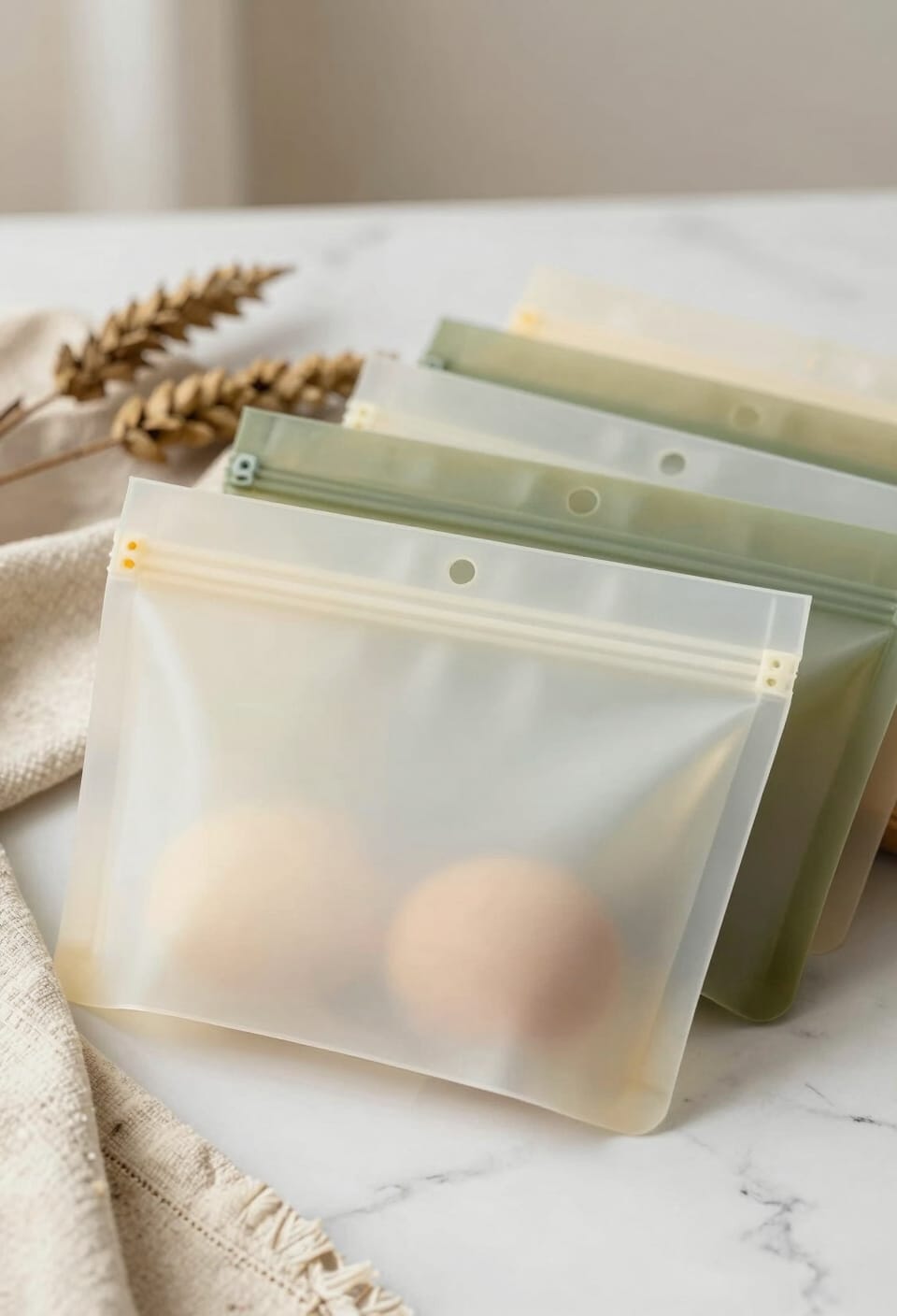
When we think about silicone bags, we might picture them as tough, but they actually need a bit of extra care to stay in top shape! Keeping them clean is super important; we really don’t want to give any chance for mold to grow. Avoid using abrasive cleaners since they can scratch the surface and ruin the leakproof seal we’ve come to love.
When storing silicone bags, remember to keep them out of the heat and be careful with what you put inside to avoid cross-contamination. A quick inspection can go a long way—checking for any signs of damage can save you from a spoiled snack down the road. Honestly, damaged bags can ruin your day and your food! To ensure longevity, it’s best to store them in a clean, dry place away from sunlight to maintain their temperature resistance and odor-resistant properties.
Composition of Silicone Bags: What You Should Know
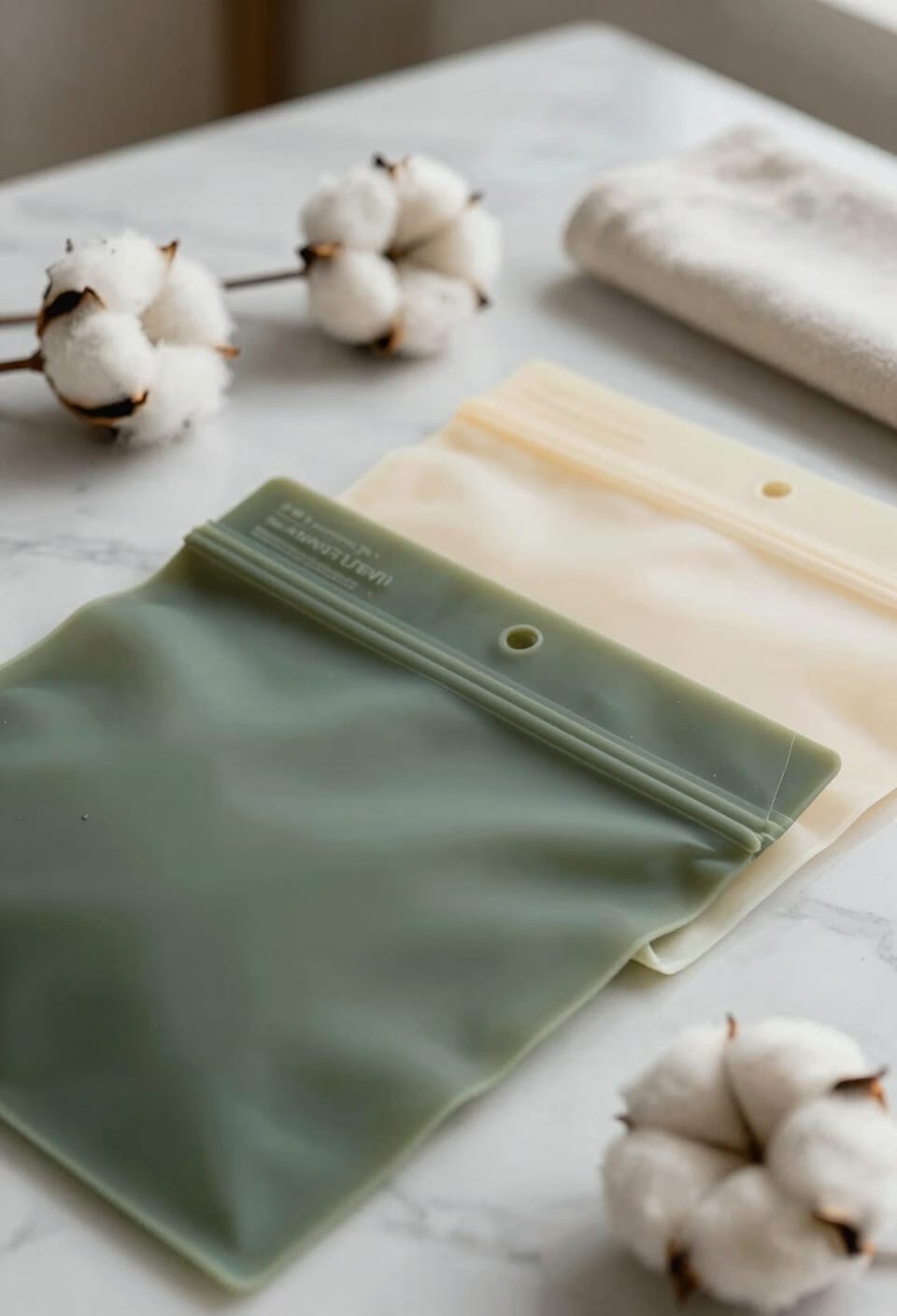
Have you ever thought about how much plastic we go through in a year? Switching to silicone bags could be one small step to reduce that waste. Understanding what goes into these bags is pretty crucial, especially since they’re a solid alternative to plastic!
These reusable silicone food bags are crafted from high-quality, food-grade silicone, ensuring they meet safety standards. The silicone is platinum-cured, which means it’s really stable and pure. You won’t have to worry about chemicals leaching into your food. Plus, they’re BPA-free, making them safe for all your food storage needs.
Here’s the good news: silicone storage bags can handle extreme temperatures, from -40°C to 230°C. This means you can use them for cooking, freezing, and reheating without any worries. Just think about how handy that is when meal prepping or storing leftovers!
Taking care of these bags is pretty simple too. Avoid sharp objects, and make sure to clean them regularly. With a little maintenance, they can last for thousands of uses. So, why not give them a try? They’re better for you and the planet!
For eco-conscious meal prep enthusiasts, pairing silicone bags with stainless steel food containers can further reduce plastic waste and enhance food storage sustainability.
Essential Maintenance Tips to Extend Your Silicone Bags’ Lifespan

You know those silicone bags that seem to be everywhere now? They’re super handy, but if you want them to last, you’ll need to show them some love. After all, you don’t want your trusty bags to wear out too soon, right?
For a solid clean, try hand washing your bags with warm, soapy water and a soft sponge. Don’t feel like doing it the old-fashioned way? Just toss them on the top rack of your dishwasher, since they’re dishwasher safe! Just be sure to dry them completely before storing any leftovers; turning them inside out can really help prevent mold and odors.
Have you checked your bags lately? It’s a good idea to regularly look for any cracks or tears that could spell trouble. The moment you spot any damage, it’s best to let them go and get a new pair. Also, don’t ever use sharp utensils in them or let them close to heat sources—this will help keep them in working shape for longer. Additionally, selecting bags made from platinum silicone ensures high durability and temperature resistance for everyday use.
Best Ways to Clean Silicone Bags
Keeping silicone bags clean can feel like a chore sometimes, but trust me, it’s super important! Hand washing them with warm, soapy water and a soft sponge is usually the best way to go. They’re dishwasher-safe as well, just remember to place them on the top rack to avoid any unwanted wear.
Now, what do you do when those stubborn stains just won’t budge? Try soaking the bags in warm water mixed with baking soda or rinsing them with diluted vinegar. These tricks often work wonders! And don’t forget: after washing, it’s essential to make sure they’re completely dried. Air drying them inside out really helps to get rid of any lingering moisture that could lead to mold.
When it comes to using your silicone bags, be careful with sharp objects. Nobody wants those annoying leaks or tiny punctures ruining a perfectly good meal! Also, it’s a good idea to regularly check your bags for any cracks or discoloration. It’s all in the upkeep to ensure they stay safe for food storage. Silicone’s BPA-free material makes it a great eco-friendly choice for food storage, reducing reliance on plastics that may contain harmful chemicals.
Strategies for Odor and Stain Prevention
Have you ever opened your silicone bag only to be greeted by a not-so-pleasant odor? It happens to all of us, especially after storing strong-smelling foods. The good news is that there are simple ways to tackle odors and stains in these bags without a lot of hassle.
Cleaning them promptly is key. After using your silicone bags, don’t let them sit—give them a quick wash with mild dish soap and warm water. For those stubborn odors or stains that just won’t budge, a soak in a baking soda and water mixture can be really effective. Here’s a trick: just mix a couple of tablespoons of baking soda with warm water, let the bag soak for a while, and watch those pesky smells lift away.
And let’s talk about the zipper area. Food residues love to hide there, which can lead to lingering odors. One easy way to prevent this is to avoid overfilling your bags. You want to make sure they close properly without being stuffed to the brim. Storing them completely dry and loosely closed is also important; this helps prevent moisture buildup, which can lead to mold.
Take a minute every now and then to check your bags for any signs of wear. If you notice cracks or discoloration, it’s better to replace them sooner rather than later. Hidden bacteria can be a real concern, so being proactive can keep things nice and clean.
In short, keeping your silicone bags odor-free and stain-free doesn’t have to be a huge chore. With a bit of routine care, you can avoid those awkward moments when you’re searching for a clean bag. What are your go-to tips for keeping your kitchen items fresh? Also, using machine washable cleaning cloths to wipe the bags before storage can further reduce lingering odors and extend their usability.
Managing Temperature Limits for Silicone Bag Safety
Ever had that moment when you realize your trusty silicone bags aren’t behaving like they used to? Temperature management is a must to keep them in top form for food storage. These bags can handle a range from -40°C to 230°C, but push those limits and you might compromise their safety. It’s important to avoid placing them directly on heat sources, like the bottom of the oven, if you want to keep them intact.
Now, if you’re storing high-fat foods, don’t forget that those oils can stick around and affect the bag’s durability. Cleaning them well after use is key to prolonging their life. Also, keep an eye out for signs of wear and tear. Are there any cracks, or do they seem deformed? Staying vigilant about these signs can help you avoid unexpected problems down the road.
It might feel like just another thing to remember, but this is all part of a solid food preservation strategy. You’ll thank yourself later when your silicone bags are still working like a charm. So, how do you manage your kitchen tools to keep everything in the best shape possible? It’s all about that little bit of extra care. For maintaining longevity, using mats and bags made from food-grade silicone is essential to ensure safety and durability.
Tips for Proper Drying and Storage of Silicone Bags
Ever wash your silicone bags only to realize they’re still a little damp? It’s a common issue, but how you dry them really matters for keeping them fresh and ready for your next meal prep. One of the simplest tricks is turning them inside out to boost airflow. If you can, make sure they’re completely dry before you tuck them away. Any lingering moisture can lead to odors and even unwanted germs.
For storage, find a dedicated spot that’s free from moisture, like a container or drawer. This keeps your silicone bags clean and easy to grab when you need them. A great tip is to organize them by size with dividers. This not only helps you stay tidy but also reduces the risk of cross-contamination.
And here’s something to keep in mind: Regularly check your silicone bags for signs of wear. Discoloration or cracks? Those are clear signs it may be time to replace them. Keeping an eye on their condition really goes a long way in maintaining their lifespan. Many silicone bags are also dishwasher-safe, which can simplify cleaning and ensure thorough sanitation.
How to Identify When to Replace Your Silicone Bags?
How do you know when it’s time to toss your favorite silicone bags? If you spot any cracks, tears, or weird shapes, that’s a clear sign they might not be safe for food anymore! You also want to pay attention to any annoying smells or stains that just won’t come out—those pesky residues could be hiding in there.
It’s equally important to check if your silicone bags are sealing properly. If they’re leaking, it’s definitely time to move on. Regularly checking for signs of wear, like discoloration or any sort of funky growth, can keep your food safer, too.
Honestly, following the manufacturer’s replacement guidelines is your best bet. Worn-out bags can really pose health risks over time, and you definitely don’t want that. So, keep an eye on those bags and know when to replace them for safe food storage!
Have you ever had to replace your silicone bags? What signs did you notice?
Additionally, understanding the heat resistance limits of your silicone bags can help prevent damage and prolong their safe use.
Common Issues With Silicone Bags and How to Fix Them
Ever had a snack bag that just won’t cooperate? We’ve all been there! Keeping silicone bags in good condition means a little TLC along the way. Cleaning is a biggie when it comes to maintaining these handy helpers!
If your bags start leaking, it could be a dirty zipper track or, let’s be honest, overstuffing. Try inspecting those zipper tracks regularly to keep everything sealed up tight. Got stains or odors lingering? Here’s the trick: soak your bags in a baking soda solution or a bit of diluted vinegar. It works like a charm! And don’t forget to turn the bags inside out to let them dry completely; it’s a simple step that helps prevent mold (and who needs that?).
Pay attention to signs of wear too, like any cracks. Damaged bags can lead to food contamination, which is definitely something you want to avoid. Proactive replacement is the way to go! Additionally, since silicone is known for its temperature resistance and microwave safety, make sure to follow use guidelines to avoid damage during heating or freezing. So, what steps will you take to keep your silicone bags in tip-top shape? Happy storing!
Frequently Asked Questions
How Do You Clean Silicone Bags?
We can clean our silicone bags by hand washing them with mild soap, or using the top rack of the dishwasher. Regular care guarantees their durability, safety, and eco-friendliness, enhancing the benefits and versatility of silicone bag applications.
What Are the Disadvantages of Silicone Bags?
While we love the eco-friendliness of silicone bags, we can’t ignore their disposal issues, heat sensitivity, odor retention, and staining potential, which can lead to durability concerns and mold growth with improper usage.
How to Clean Silicone Handbags?
To clean our silicone handbags, we’ll use warm, soapy water and a soft sponge. For stubborn stains, a baking soda and vinegar soak works wonders, keeping our eco-friendly, fashionable bags durable and fresh for travel.
Do Silicone Bags Leach Chemicals?
Silicone bags are safe and BPA-free, offering excellent chemical resistance. They’re food grade and durable, minimizing odor retention. When used correctly, their temperature tolerance guarantees they’re a reusable, eco-friendly choice with non-stick properties.


