


When it comes to cleaning your reusable items, deciding between the dishwasher and hand washing can be quite the puzzle!
Think about it: most glass, ceramic, and metal items can take a spin in the dishwasher without a problem. But delicate things like wooden cutting boards? They don’t fare so well in machines, so it’s better to hand wash those.
Dishwashers do a great job saving water, too. Did you know they use around 13 liters for a full load? Meanwhile, washing by hand could easily run you over 100 liters!
So, why does this matter? Keeping water usage down is not just good for the environment; it’s good for your wallet as well.
Here’s a quick tip: always check the bottom of your items or the manufacturer’s guidelines if you’re unsure about their dishwasher safety. Look for that little symbol of a glass and fork crossed out. It’s a lifesaver!
The best part is, with the right knowledge, you can keep your dishes spotless while also helping the planet. Remember to give your stainless steel and glass a good rinse before loading them into the dishwasher. Truth is, a little prep can go a long way in keeping everything clean.
In short, know your materials! You’ll save water, time, and effort.
What’s your go-to method when it comes to washing your dishes?
Key Takeaways
- Most glass, ceramic, and metal items are dishwasher safe, ensuring efficient cleaning and sanitization.
- Wooden cutting boards and non-stick pans should always be hand washed to prevent damage.
- Use silicone baking mats and reusable straws on the top rack of the dishwasher for safe cleaning.
- Melamine items, though labeled dishwasher safe, can warp or be damaged by high temperatures in dishwashers.
- Check care labels on reusables and avoid high heat for items not designed for dishwashing to maximize longevity.
Dishwasher vs. Hand Washing: Key Differences
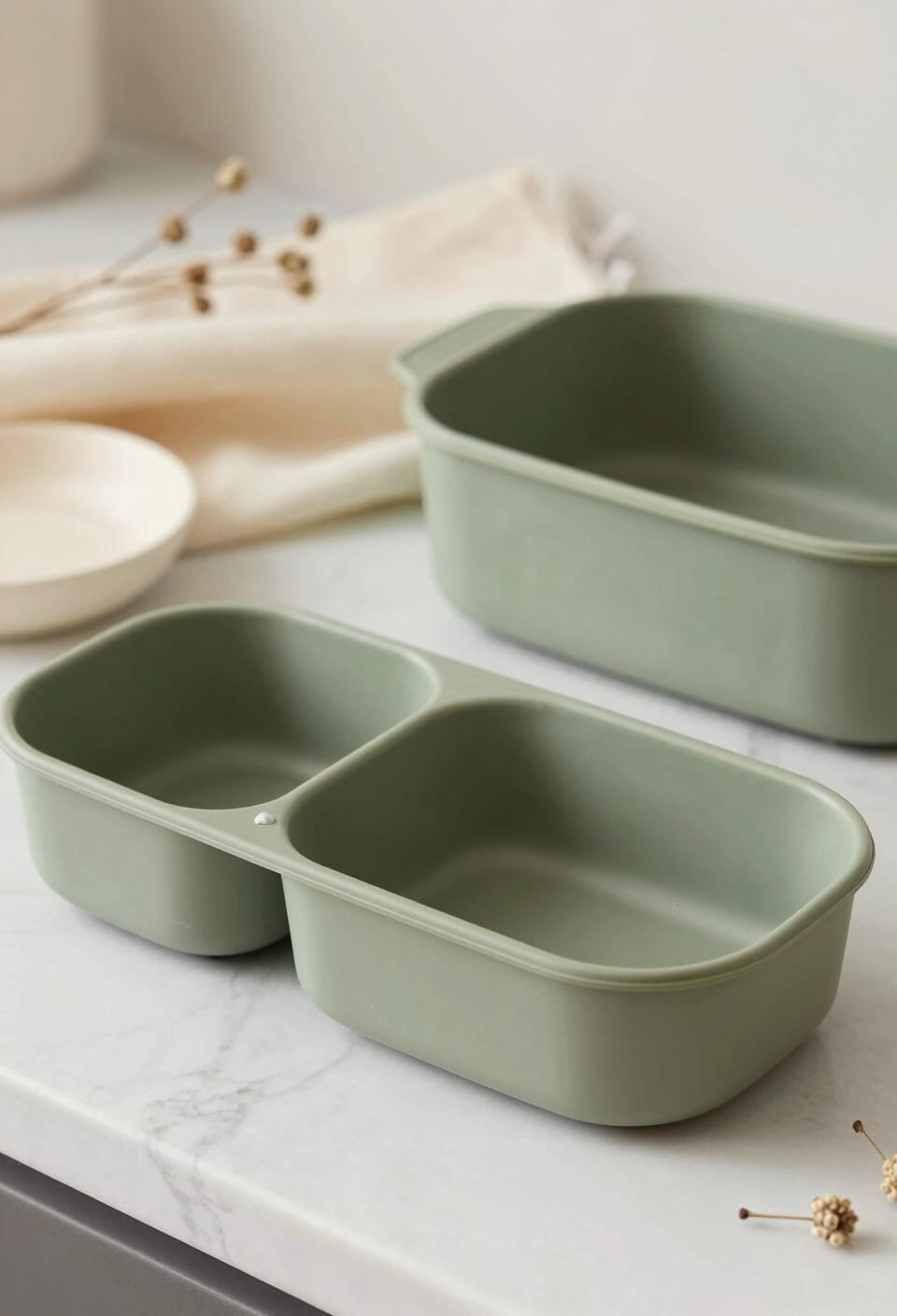
Washing dishes can feel like a never-ending chore, right? You might be toying with the idea of saving some water and scrubbing by hand, but here’s a surprising twist: using a dishwasher can actually save more water than washing dishes in the sink! A full load in your dishwasher typically uses about 13 liters, while hand washing can easily consume 100 liters or more.
What’s even cooler is that dishwashers do a better job of cleaning. They wash at higher temperatures to eliminate those pesky germs that you might leave behind with a sponge or dish towel. It’s definitely worth it to just scrape off the leftovers and let the dishwasher handle the rest.
Here’s a simple trick: instead of wasting time pre-rinsing, just load it all in and let the machine work its magic. Your tired hands will definitely appreciate the break. Honestly, with all the time you save, you could treat yourself to a nice cup of coffee or spend that time on something you love doing!
To wrap it up, dishwashers are pretty efficient in both water usage and cleanliness. Plus, using eco-friendly dish soaps in your dishwasher can help maintain environmental responsibility while getting your dishes sparkling clean. So, next time you’re debating how to get your dishes clean, consider pressing that start button instead. What are your go-to tips for tackling the dishwashing dilemma?
Water and Energy Efficiency: Which Saves More?

Ever found yourself staring at a mountain of dirty dishes after a family meal, wondering how to tackle the mess? If you’re like most of us, you’d probably prefer to whisk away that burden quickly. It turns out, using a dishwasher is often the smartest choice when it comes to cleaning up.
A full dishwasher typically uses about 13 liters of water, whereas washing by hand can guzzle anywhere from 33 to even 440 liters. That’s a huge range! Honestly, think about the difference that makes not just in your water bill, but also in your environmental footprint. Plus, today’s dishwashers are designed to be energy-efficient and can truly sanitize your dishes at higher temperatures, ridding them of bacteria more effectively.
So, here’s the trick: always load your dishwasher fully and skip the pre-rinse! That’s really not necessary, and it only wastes more water. Over the course of ten years, making this simple switch can lead to substantial savings in CO2 emissions compared to hand washing. Who knew cleaning could be so beneficial?
At the end of the day, it’s all about making choices that save time, water, and energy. Why not give your dishes a break and let the dishwasher do its thing? With a modern dishwasher, you’re not just cleaning—you’re making a smarter decision for your home and the planet. What small change will you make today to save on water and energy?
Evaluate Your Reusable Items: Material and Cleaning Considerations
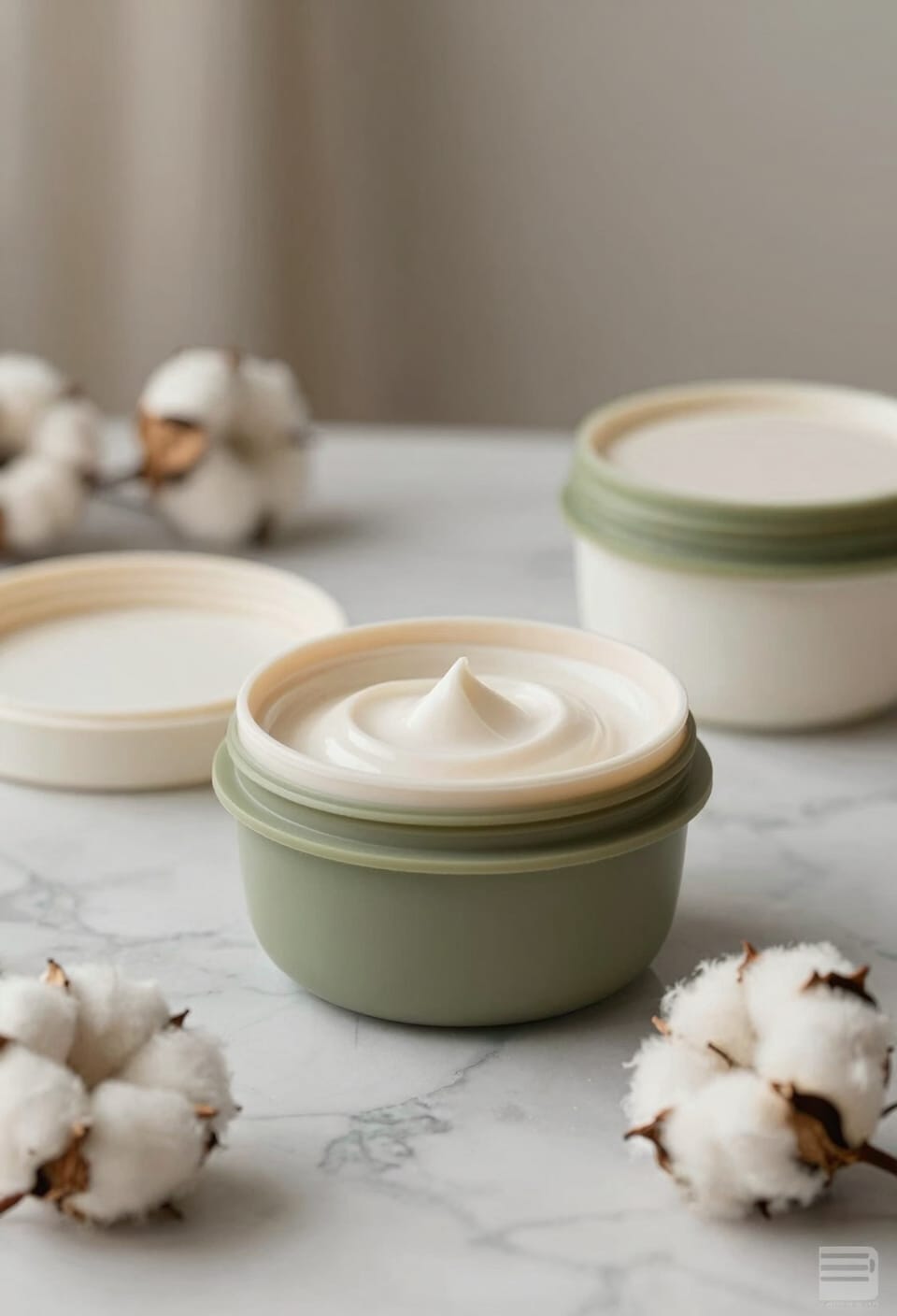
Ever wondered how to keep your favorite reusable items in great shape while also saving water and energy? Jumping into using a dishwasher feels like an easy solution, but not everything can just be tossed in without a second thought.
When it comes to materials, glass, ceramic, and most metals can generally handle the dishwasher just fine, so go ahead and load those up! But what about our beloved wooden cutting boards and non-stick pans? Honestly, they often need a little extra love, and hand washing is probably the best bet to keep them in top condition.
Now let’s talk about silicone baking mats and reusable straws. They’re durable and can take the heat, but you’ll want to place them on the top rack to avoid any warping – trust me, it’s worth the effort! And don’t forget about melamine. It might have a dishwasher-safe label, but it’s best to keep it away from high temperatures to prevent damage. So, why does this matter? Taking a few simple steps can extend the life of your kitchenware and save you money in the long run.
Additionally, many reusable silicone food storage bags are dishwasher safe and designed to withstand a wide temperature range, making them a practical and durable option for your kitchen.
To sum it up, evaluate your reusable items carefully! You’ll not only make them last longer but also feel good about your eco-friendly choices. What’s the next reusable item you plan to tackle?
Maximize Dishwasher Efficiency: Best Practices
How often do you find yourself battling a pile of dirty dishes? If you’re like me, the dishwasher is both a blessing and a problem solver. But to really get the most out of it, there are some straightforward tips you can follow.
First off, always wait until your dishwasher is full before running it. Not only does this maximize efficiency, but it also saves water and energy. So, why bother with that pre-rinse? Most modern dishwashers are designed to handle the mess without any extra help from you. Trust me, skipping that step can be a time-saver!
When it’s time to run the dishwasher, consider using the air-dry option instead of the heated cycle. Truth is, this simple tweak can save you about 11% more energy—how great is that? Plus, if you use a rinse aid, your dishes will dry faster and come out looking shiny clean.
Loading your dishwasher correctly is also super important. It’s all about finding that sweet spot where everything gets cleaned well, so don’t overcrowd the racks. A little planning goes a long way, not just for cleaner dishes but also for being kinder to the planet.
Also, choosing dishwasher-safe silicone liners can make cleanup easier and reduce waste, making your kitchen routine even more eco-friendly.
Water-Saving Techniques for Hand Washing
Washing dishes can seem like a never-ending chore, can’t it? With all that soap and water, it’s easy to feel overwhelmed. But guess what? You can save water while getting those plates squeaky clean with a few simple tricks.
First off, try scraping off food bits before you even turn on the tap. It’s a small step, but it can save a lot of soapy water. Got tough dishes? Soak them in warm, soapy water for a bit. It softens any stubborn grime so you won’t have to scrub as hard.
Here’s the trick: the two-tub method can work wonders. Use one tub for washing and another for rinsing. You really only need about 15 liters of water in your sink—fill it halfway! That’s a lot less than letting the tap run the whole time. Plus, rinsing with cool water instead of hot saves both water and energy.
Using biodegradable dish soap made from plant-derived ingredients can help protect the environment while you wash.
So, why does this matter? Every little bit helps when it comes to conserving resources. Honestly, it can feel daunting, but with these easy methods, you’ve got it in the bag!
To sum it up, by scraping, soaking, and using the two-tub technique, you can make a real difference at the sink. What are your favorite water-saving hacks for dishwashing?
How to Keep Your Dishes Clean and Germ-Free?
Have you ever finished a big dinner and felt overwhelmed by the mountain of dirty dishes? It’s a common scenario for many of us, but keeping your dishes clean and germ-free doesn’t have to feel like climbing Everest.
One solid way to tackle this problem is to use a dishwasher. It works with hotter water, which can kill off a lot of bacteria that might be lurking on your plates. Plus, let’s be honest: using a dishwasher means you can avoid those potentially germy sponges or dish rags that have been through a lot. Just remember to give your dishwasher some love too. Regularly cleaning the filter and door seals can really amp up its cleaning power.
You might be surprised to learn that dishes from a well-maintained dishwasher actually come out cleaner than those washed by hand. So why wouldn’t you make dishwashing a little easier on yourself? After all, you want your favorite plates ready for the next meal, right?
To make things even simpler, try organizing your dishwashing routine. Here are a few tips:
- Load your dishes strategically: Place larger items at the bottom and smaller ones on top.
- Remove food scraps before loading: This helps prevent clogs and ensures better cleaning.
- Regularly run a cycle with a dishwasher cleaner, which can boost sanitation.
For hand washing, consider using a solid dish soap bar to effectively cut through grease and minimize plastic waste.
Keeping your dishes clean shouldn’t be a chore that hangs over your head. With a dependable dishwasher and a few easy practices, you can ensure your dishes are always ready for the next family feast. So next time you’re faced with a pile of dishes, consider how these tips can help. What little changes might you implement to take the stress out of dishwashing?
Frequently Asked Questions
Is It Better to Wash Dishes by Hand or Use a Dishwasher?
Isn’t it amazing how we can choose? While hand washing offers some benefits, like control over cleaning, dishwashers are far more efficient and eco-friendly, making them a smart choice for our daily routines.
What Is the Most Hygienic Thing to Wash Dishes With?
The most hygienic way to wash dishes involves using sanitizing agents in a dishwasher, employing effective washing techniques, and ensuring proper drying methods. Let’s prioritize cleanliness together for a healthier kitchen environment!
Does a Dishwasher Make the Water Bill Higher?
“Don’t throw good money after bad.” In our water usage comparison, we often find dishwashers lower our bills due to their energy efficiency. A cost analysis shows hand washing can actually be more expensive over time.
Does Washing Dishes With My Hands Save More Money Than the Dishwasher?
Hand washing doesn’t save us more money compared to using a dishwasher. In our cost analysis, energy usage is lower with dishwashers, plus they’re time-efficient, allowing us to focus on other important tasks.


