


Have you ever noticed how your trusty reusable containers get cloudy or start showing signs of wear? That’s probably hard water at work! Those annoying minerals like calcium can stick around, leaving deposits that not only make your containers look dull but also create spots where bacteria can linger.
Over time, these build-ups can scratch plastic, rust metal, or dull glass.
So, what can you do? Here are a few tips to keep your containers in good shape:
- Clean regularly with vinegar or a descaling agent to fight those stubborn deposits.
- Rinse your containers promptly after use, especially if they’ve held something acidic or sugary.
- Consider using eco-friendly materials for cleaning to stay safe and reduce environmental impact.
Honestly, it’s pretty simple to keep your containers looking fresh. Plus, it saves you money in the long run!
So, why does this matter? Well, maintaining your containers not only enhances their lifespan but also ensures your food and drinks stay safe and tasty.
Want to make it even easier? Try experimenting with some natural cleaning solutions you might already have at home. The best part is, these methods are gentle on both your containers and the planet!
In the end, taking a little time to care for your reusable containers pays off. Have you found any tricks that work well for you?
Key Takeaways
- Hard water deposits create rough surfaces in containers, leading to increased bacterial growth and potential health risks.
- Mineral buildup causes staining and cloudiness, impacting the appearance and cleanliness of reusable containers.
- Frequent exposure to hard water can corrode metal containers, risking leakage and insulation failure over time.
- Regular cleaning is essential; hard water necessitates the use of descaling agents to maintain container quality.
- Utilizing materials resistant to hard water, such as glass or stainless steel, can enhance container longevity and hygiene.
Understanding Hard Water’s Impact on Reusable Containers

Ever notice that your trusty reusable containers seem to lose their shine over time? It could be because of hard water. This type of water has loads of minerals like calcium and magnesium, which can leave behind stubborn deposits that make our containers look less than clean.
Those mineral deposits can actually create scratchy surfaces on plastic containers. And guess what? That’s the perfect little hideout for mold and bacteria. Yikes, right? On top of that, if you’ve got metal containers, those deposits can wear them down, leading to leaks. Not exactly what we want when we’re trying to be eco-friendly! Glass containers aren’t off the hook either—they often end up cloudy or dull, which can be frustrating.
So, what can you do to keep your containers in tip-top shape? Regularly cleaning them with a good descaling agent is key. It helps get rid of those pesky mineral deposits and extends the life of your containers. And let’s be honest, nobody wants to deal with a leaky or dirty container! Using containers made from durable borosilicate glass can also help resist the effects of mineral deposits and maintain clarity.
After all, you invest in these reusable items for a reason, right? So, should we all start paying more attention to how hard water affects our containers?
Key Signs That Your Container Is Affected by Hard Water

Have you ever noticed your containers looking a bit worn out after just a few uses? It’s frustrating to see those cloudy deposits building up on the inside—definitely not what you want when you’re trying to enjoy a clean drink. Those stains are often a sign of hard water, and they can affect both how your containers look and the quality of the water you’re drinking.
Corrosion or rust spots in metal containers are another clear indicator that hard water is taking its toll. If you come across these issues, it’s time to pay attention. Hard water stains can be tough to scrub away, turning what should be an easy cleaning process into a real hassle.
Also, if your water starts tasting or smelling odd, that could mean minerals from the hard water are leaching into it. Yikes! That’s definitely a reason to take a closer look at your reusable containers.
So, what can you do? Regularly check for those cloudy spots and rust. Keeping an eye on these signs can help you maintain a healthier drinking experience.
In short, being aware of hard water’s effects on your containers is key. Are you ready to inspect your containers and make sure your water stays fresh?
To help minimize damage, consider using containers made from high-quality, food-grade glass which resists corrosion and maintains durability longer.
Recommended Products

Outdoor-Rated Compact Mini Fridge: This Danby Contemporary Classic Outdoor Mini Fridge is the ideal mini fridge for backyard or deck

BLANK WHITE GLOSS STICKER PAPER - white adhesive paper - printable - glossy, high-shine finish - permanent - 8.5" x 11" - full sheet - 1 label per sheet - compatible with inkjet printers only

EFFECTIVE DEVICE PROTECTION: The EVERKI Onyx Laptop Backpack features patented corner guards and a hard-shell sunglasses case, ensuring your laptop and tablet are protected from bumps, impacts, and scratches during commutes and travel.
How Hard Water Causes Mineral Buildup in Containers

Hard water—it can feel like that annoying guest who leaves a mark every time they visit your reusable containers. When you’ve got high levels of minerals like calcium and magnesium in your water, they stick around and create that frustrating mineral buildup. You know the kind: cloudy residues or those pesky white spots that make your containers look worn out.
So, why does this matter? Well, not only does it affect the appearance of your containers, but it can also mess with the sealing ability of lids. If your containers aren’t sealing properly, that could lead to leaks and not-so-great insulation when you want to keep things hot or cold. Plus, over time, that persistent buildup can scratch the surface, making it easier for bacteria to find a cozy home. That’s not ideal for your health!
The good news? There’s a simple fix. Try this: regularly wash your containers using mild acid solutions, like good old vinegar. Just a little vinegar can help dissolve those annoying deposits and keep your containers in tip-top shape. Here’s the trick: soak the affected areas for a bit, scrub gently, and rinse thoroughly.
Keeping your bottles clean also helps maintain insulation performance and overall functionality for longer use.
Keep your containers looking good and safe. It’s all about staying on top of that hard water issue before it turns into a bigger problem. After all, who wants to mess with germs in the kitchen?
Why Hard Water Encourages Bacterial Growth
Have you ever noticed that your trusty reusable containers don’t seem as clean as you thought? The culprit might be hard water. It leaves behind mineral deposits that cause rough surfaces inside the containers. These rough patches are perfect for bacteria to hang out and multiply. And don’t get me started on biofilm—the slimy stuff that feels like a chic spa for those pesky germs.
When you’re washing your containers, those minerals can really throw a wrench in the works. Soap struggles to cut through the buildup, leaving behind residues that can promote even more bacterial growth. It can be super frustrating because even your best scrubbing might not do the trick. So what can you do to tackle this?
- Regular Maintenance: Get into the habit of deep-cleaning your containers more frequently.
- Proper Cleaning: Use a mixture of vinegar and baking soda to help lift mineral deposits. This combo works wonders!
Honestly, making a little extra effort goes a long way in keeping your containers bacteria-free. Staying on top of this not only helps with hygiene but also keeps your containers looking and smelling fresh. It’s all about creating small habits that can lead to big changes. Using biodegradable materials for your containers can also help reduce environmental impact while maintaining cleanliness.
Effective Cleaning Strategies for Hard Water Stains
Ever noticed those stubborn hard water stains on your reusable containers? It can be so annoying when you’re trying to keep things clean. The good news is, tackling those stains doesn’t have to be a big chore.
To get started, try mixing equal parts of white vinegar and water. Soak the stained areas for about 15 to 30 minutes. After that, give them a gentle scrub with a soft cloth. If you’ve got some really tough spots, here’s a nifty trick: mix baking soda with a little water to create a paste. It acts as a gentle abrasive, making scrubbing easier without scratching your containers.
Regular cleaning is key, too! Using lemon juice or citric acid can really help dissolve any mineral buildup over time. Honestly, it’s just good practice to dry your containers right after washing. That way, you can dodge those pesky water spots that seem to appear out of nowhere.
For the best results, consider using an effective natural dish soap to break down grease and residue while being gentle on your containers.
Recommended Products

MADE IN ITALY: Each Ruvati granite Drop-in Kitchen sink is meticulously crafted by skilled Italian artisans | NATURAL STONE FINISH: Carnelian Red (8 color options available) — colored all the way through for a rich, consistent look that will never discolor | COMPOSITE GRANITE: 80% crushed natural granite for extreme durability and strength – can withstand high temperatures up to 536 degrees Fahrenheit. Granite composite sinks are more durable than quartz sinks due to the extreme strength of natural granite.

GRANITE KITCHEN SINK made from durable quartz composite that offers the elegant look of natural granite with resistance to impact, scratches, and shock – UNIVERSAL DESIGN with clean lines complements any kitchen style, from traditional to modern

GRANITE KITCHEN SINK made from durable quartz composite that offers the elegant look of natural granite with resistance to impact, scratches, and shock – UNIVERSAL DESIGN with soft lines complements any kitchen style, from traditional to modern
Best Materials for Hard Water Resistance
When you’re trying to pick the best materials for reusable containers, it can be a bit overwhelming, especially if hard water is in the mix. You want something that not only lasts but also stays clean. Glass bottles are a solid choice. They don’t soak up those hard water minerals, which makes keeping them spotless a breeze. Plus, they offer a crystal-clear view of your favorite beverages!
Then you’ve got stainless steel containers, which are also up to the task against hard water. They’re super strong and resist staining, plus they won’t leach any chemicals into your drinks. However, don’t forget that they need regular cleaning too because mineral deposits can still build up over time. So, no slacking on that front!
Now, some ceramic containers might seem appealing, but they come with a catch. They can chip easily, so you’ll have to handle them with extra care. Not ideal if you’re clumsy like me!
In short, focus on glass and stainless steel for those days of battling hard water. Investing in quality materials means less hassle when it comes to cleaning further down the line. What’s your go-to container for staying hydrated?
Recommended Products

Boosted Vigor & Wellness: Enjoy the many positive effects of ionized hydrogen alkaline water with our Ace-13 Water Ionizer. Your fresh hydrogen alkaline drinking water is packed with molecular hydrogen, the world's smallest and most powerful antioxidant, promoting robust immune functions, vibrant skin, and smooth digestion. It's a great addition to any wellness-conscious household, helping you and your family feel energized and rejuvenated—fully ready for the day.

Customizable Water at Home: Indulge in the convenience of choosing between alkaline and acidic water types right at home. The Edge-9 allows you to select from four alkaline levels, three acidic levels, and two Turbo Modes—convenient personalized pH settings for drinking, cleaning, and more. The Turbo Mode provides instant access to optimal pH levels and maximum molecular hydrogen, boosting wellness and energy.

EFFICIENT TEMPERATURE CONTROL: The Atosa USA MCF8705GR merchandiser maintains temperatures between 33°F – 38°F with its digital electronic controller.
Alternatives to Traditional Containers for Hard Water Areas
Have you ever noticed how hard water can wreak havoc on your favorite containers? It’s such a pain when those spots and scale start showing up, but there are smart alternatives that can save the day.
Stainless steel containers make a fantastic choice for anyone dealing with hard water. They resist damage like a champ and don’t absorb any pesky minerals, which means less scrubbing for you. Plus, they’re super easy to clean, so you can spend more time enjoying your drink rather than worrying about buildup.
Glass containers are another solid option when it comes to storing water. They won’t leach any nasty chemicals like some plastics do, and just like stainless steel, they’re a breeze to clean. No one wants a funky residual taste in their water, right?
If you’re often on the go, think about getting a container specifically designed for hard water. These usually have special coatings that resist mineral buildup. Who wouldn’t appreciate a water bottle that’s been made a little tougher?
Additionally, choosing containers made from 18/8 food-grade stainless steel ensures durability and resistance to hard water stains while being eco-friendly and safe for food storage.
Recommended Products
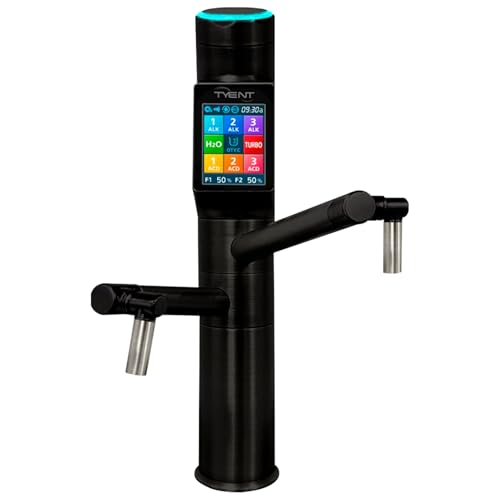
Upgrade Your Kitchen & Lifestyle: Treat yourself to the Tyent UCE 13 Plate Turbo Hydrogen Alkaline Water Ionizer Purification System, a truly top-tier home essential. This unit features 13 platinum-coated titanium solid/mesh hybrid plates and the largest, most robust water cell available. The compact matte-black and steel design adds a luxurious touch to the kitchen, saves valuable counter space, and provides your family with superior drinking water every day.

Twin Cell Hybrid Technology: Enjoy added versatility with your water options—you get the freedom to choose between alkaline water, hydrogen water, or both with Tyent’s H2 Hybrid Water Ionizer. This industry-first innovation lets you customize your water for drinking, cooking, cleaning, and more. Enjoy different levels of alkaline water, along with neutral hydrogen-enriched water for a uniquely personalized water experience.

Preventative Steps to Shield Your Containers
Are your reusable containers looking a little worse for wear? It can be frustrating when you notice mineral buildup or stains creeping in, but don’t worry—there are some easy ways to keep them in good shape.
Start by checking your containers regularly for hard water stains. If you see any, try cleaning them with vinegar or a descaling solution. These options work well to dissolve that pesky gunk! You might also want to think about using a water filter to cut down on hardness or switching to softened water. It’s a simple fix that can really help prevent wear and tear on your containers.
Making these practices part of your routine can extend the life of your beloved containers, preventing the need to toss them out way too soon. So, why does this matter? Keeping your containers in good condition means you’ll be saving money in the long run and reducing waste. For cleaning, consider using biodegradable dish soaps that are effective yet gentle, helping protect both your containers and the environment.
Recommended Products

MORE THAN A VACUUM, A SURFACE CLEANER - From hardwood and tile to furniture and bedding, the Majestic is much more than an ordinary vacuum cleaner

Counter-Rotating Brushes (CRB) – Dual polypropylene brushes spin at 450 RPM against each other, lifting dirt from all angles. This action opens the carpet pile and pulls debris from deep inside fibers, far beyond what vacuums or single-disc scrubbers can reach.

Hands-Free Floor Care, Smarter Every Day: Meet the most advanced robot for large homes. X11 combines PowerBoost GaN fast charging, self-washing roller mops, bagless auto-emptying, and the YIKO Agent that learns your habits to clean smarter—so you never lift a finger.
Why Addressing Hard Water Matters for Your Containers
Have you ever noticed those stubborn stains in your reusable containers after washing them? It’s a real hassle, and hard water is often to blame. When you store food in these containers, it can leave behind limescale that’s tough to remove. I can’t be the only one who dreads scrubbing those stains off, right? Honestly, it’s not just about cleanliness—mineral buildup from hard water can lead to corrosion, which isn’t exactly great for food safety.
So, what can you do about it? Here’s the trick: consider using softened water for washing your containers. This simple switch can really enhance the lifespan of your containers and keep them looking fresh. Think about it—less time battling grime means you can enjoy the things you truly love.
The best part? You’ll be doing your part for the environment by reducing waste. Keeping those reusable containers in good shape isn’t just beneficial for you; it’s better for the planet too. Let’s show those pesky minerals who’s really in charge when it comes to our food storage!
In short, using softened water can help keep your containers cleaner and safer. Using materials like eco-friendly bamboo in kitchen tools complements this approach by reducing chemical exposure. Why not make this small change today? Your future self—and the Earth—will thank you!
Frequently Asked Questions
How Long Is Water Good in a Reusable Water Bottle?
Like a garden needs care, our reusable bottles should be tended daily. Water’s good for about 24 hours; we must prioritize container maintenance for peak water quality, ensuring our hydration practices support our health.
Is a 50 Year Old Tupperware Safe to Use?
We shouldn’t use a 50-year-old Tupperware. Its plastic degradation could lead to chemical leaching, raising concerns about food safety. Vintage containers may compromise our health, so let’s opt for safer alternatives instead.
How Long Can Water Sit in a Container Before It Goes Bad?
Ever wondered how long water can sit before it goes bad? We should know that ideal storage conditions help. However, stagnant water can grow bacteria, alter flavor in days, and container materials greatly impact quality.
Is It Safe to Drink 20 Year Old Bottled Water?
No, it’s not safe to drink 20-year-old bottled water. Plastic degradation raises contamination risks, while taste changes and potential health concerns make us cautious about consuming water stored that long. We recommend renewing your supply regularly.


