

What’s the one thing you reach for every time you head out? If you said a single-use plastic bag or a bottled drink, you’re definitely not alone. It’s surprising how much plastic we end up using in our daily lives without even realizing it. So, how can we tackle this plastic problem without feeling overwhelmed?
Start by identifying where most of your plastic waste comes from. Common culprits include:
- Single-use bags
- Plastic water bottles
- Plastic wrap
Once you’ve got that down, you can begin swapping those items for more sustainable options. For instance, have you thought about using reusable silicone bags? They’re super handy, plus they cut down on those pesky plastic bags.
And how about making the switch to a stainless steel water bottle instead of grabbing a plastic one? It’s not just better for the planet; it keeps your drink cold (or hot) for hours!
Also, let’s talk about food storage. Beeswax wraps can be a fun alternative to plastic wrap. They’re easy to clean and keep your food fresh without the plastic waste. The best part is, you can gradually make these substitutions one at a time, so it doesn’t feel like an uphill battle.
Curious about how to start? Here’s a little tip: focus on a couple of changes each week. This way, you’ll not only feel accomplished but also build lasting habits that help the environment.
Ultimately, the goal is to make it easier to live plastic-free. So, what’s your next swap going to be? It’s about creating small, meaningful shifts that can lead to big changes. Are you ready to make a difference?
Key Takeaways
- Start with high-impact items like plastic water bottles and bags to quickly reduce waste in daily use.
- Focus on bathroom products, such as switching to shampoo bars and biodegradable sponges, for significant plastic reduction.
- Prioritize reusable multi-purpose items, like silicone bags and glass containers, to eliminate single-use plastics effectively.
- Engage with community groups to find support and ideas for effective swaps tailored to your lifestyle.
- Document and share your changes on social media to inspire others and create a collective movement against plastic waste.
Identify Your Plastic Waste
When you take a look at your household waste, have you ever been surprised by how much plastic you’re tossing out? Those single-use items sure add up, especially the ones lurking in your pantry! Let’s get real about our biggest plastic offenders. Just think about the plastic water bottles that pile up—552 million of them land in U.S. landfills each year! And what about those bathroom products? Those plastic tubes for toothpaste and shampoo aren’t doing us any favors either.
So, why does this matter? Making small changes can lead to big results. Instead of reaching for that plastic bottle, consider using a reusable one. Try this: swap out your plastic tubes for plastic-free products like bar soap or a bamboo toothbrush. These choices not only reduce waste but also help you feel good about your impact.
Here’s the trick: create a simple action plan that focuses on these problem areas first. Start with one switch at a time, and before you know it, you’ll be minimizing plastic in your home like a pro. Honestly, with reusable alternatives, you can make a significant difference in the environment—one small swap at a time!
Reusable products such as reusable hot cold packs demonstrate how durable, multi-use items can reduce disposable plastic waste effectively.
To wrap it up, plastic waste is a growing concern, but you can take steps to reduce your impact. What’s one small change you can make today to cut down on plastic waste?
Choose Practical Swaps for Everyday Items
Are you tired of wasting money and contributing to plastic pollution with everyday items? Making some simple swaps can help you do your part for the planet without breaking the bank.
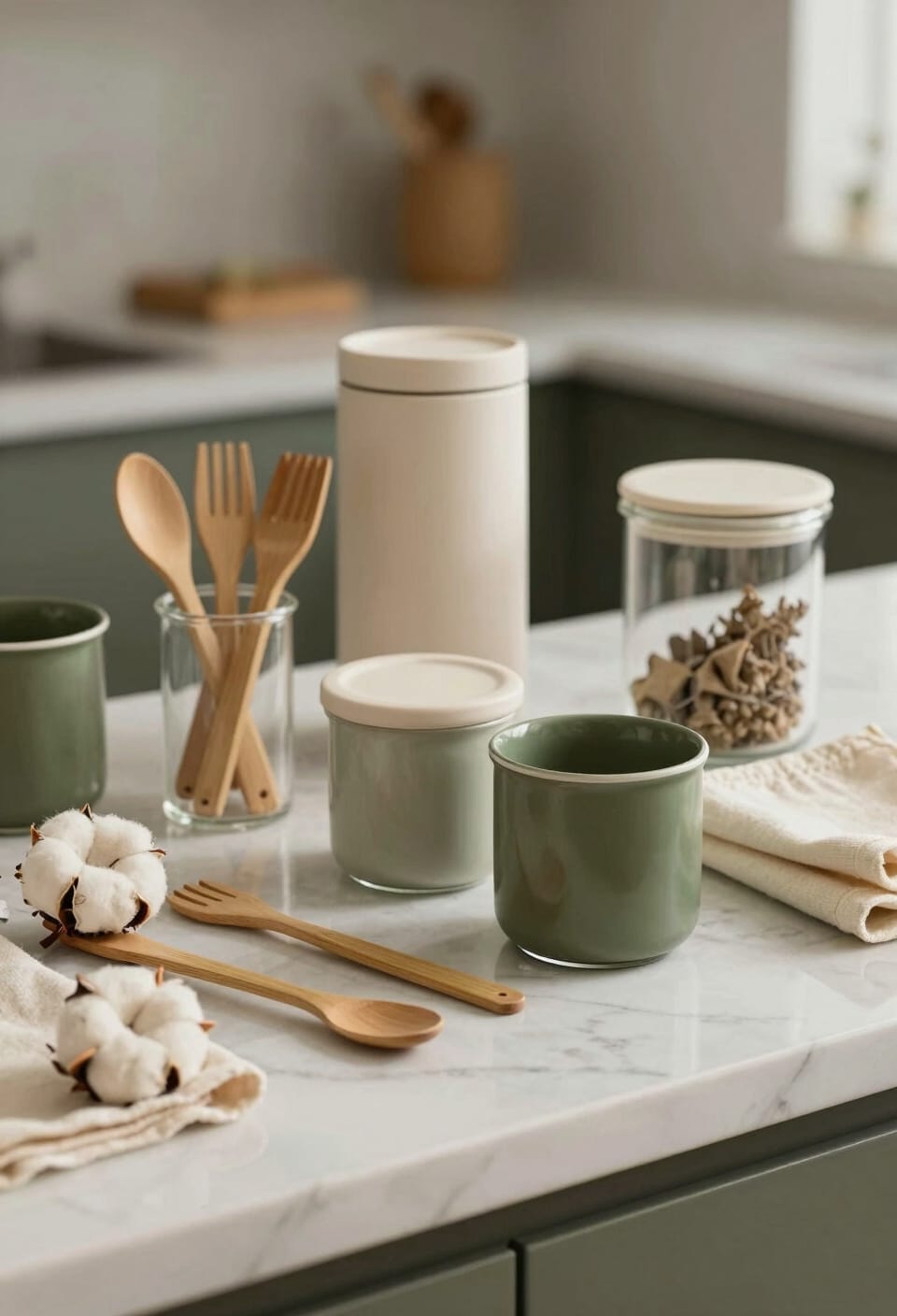
First up, ditch those single-use plastic bags. Try using reusable silicone Stasher bags or cloth alternatives instead. They’re durable and can be used over and over again, so you won’t have that pesky guilt in the back of your mind when you go grocery shopping.
When it comes to wrapping food, forget plastic wrap. Beeswax wraps or silicone lids are fantastic substitutes that keep your food fresh while being way better for the environment. Plus, you won’t have to worry about those harmful chemicals leaching into your food.
For storing leftovers, glass or stainless steel containers are where it’s at. They’re not only safer for your health but also last much longer than plastic containers. This means you’ll save money in the long run since you won’t have to keep replacing them.
Are you still using traditional sponges for dishwashing? Truth is, making the switch to metal or biodegradable sponges can really cut down on microplastic pollution in our oceans. It’s a small change that can make a big difference.
Lastly, let’s talk about hydration. Refillable water bottles made of stainless steel or glass are perfect for cutting down on the thousands of plastic bottles that end up in landfills every year. They keep your drinks cold or hot, making them a practical and stylish choice.
Additionally, switching to reusable shopping bags made from eco-friendly materials further reduces plastic waste and supports sustainable living.
Find Lasting Eco-Friendly Choices
Feeling overwhelmed by the idea of going green? You’re not alone. It can seem like a huge task, but here’s a thought: instead of trying to overhaul your entire lifestyle overnight, why not start with some simple, durable swaps? It’s all about those little changes that can make a big difference.
For starters, think about trading your plastic water bottles for a stainless steel one. Not only do they keep your drinks cold, but they also cut down on plastic waste. And have you thought about making the switch to bamboo toothbrushes? It’s a small change, but swapping out those plastics helps reduce the amount of waste we produce.
When you’re out shopping, consider buying in bulk. This approach not only minimizes packaging waste, but it can also save you some cash in the long run. Look for zero-waste products that really fit your lifestyle. The best part is, you can engage with your community on plastic-free initiatives, amplifying your impact and motivating others to join in.
So, why should this matter to you? Because sustainable living isn’t just about grand gestures; it’s about finding what works for you and sticking with it. Truth is, making these eco-friendly choices can be enjoyable. Let’s work together to reduce disposable plastics—and who knows, maybe along the way you’ll inspire others to join in!
One highly effective swap is replacing disposable sandwich bags with reusable silicone bags that are durable, leak-proof, and can last a lifetime.
To recap: start with small, durable swaps like stainless steel bottles and bamboo toothbrushes, buy in bulk, and engage your community. What eco-friendly choice are you excited to try next?
Understand the Impact of Your Alternatives
Have you ever thought about how simple changes in your daily life can have a big impact on the environment? It’s crazy how swapping out one or two items can add up to a lot less plastic waste! For example, switching from plastic water bottles to reusable ones might seem small, but it can prevent millions of bottles from ending up in landfills each year.
Here’s a trick: consider using shampoo bars instead of traditional bottled shampoo. You could ditch around six plastic bottles every year just by making that one change. And if you switch to using exfoliating soap bags instead of plastic loofahs, you’ll help keep our waterways cleaner by reducing microplastics. It’s rewarding to see how these little choices can add up!
Don’t forget about food storage! By opting for beeswax wraps instead of plastic wrap, you’re not only keeping your food fresh but also making a choice that’s better for the planet. Bulk purchasing options paired with reusable containers can seriously cut down on plastic packaging waste, too. Beeswax wraps are eco-friendly alternatives that are reusable for up to a year with proper care, making them a sustainable choice.
So, why does this matter? Each of these small steps contributes to a larger movement towards a more eco-friendly lifestyle. Honestly, when I think about the positive changes we can make together, it’s inspiring. Every decision we make counts, and I’m excited to see what you’ll tackle next!
Let’s keep pushing for those little victories in our everyday choices. What’s something you’re planning to swap out this week?
Gradually Build Sustainable Habits
Have you ever looked around your kitchen or bathroom and felt overwhelmed by all the waste? It’s so easy to gather plastic bags, bottles, and all those single-use items. But there’s a way to tackle this problem without feeling like you have to change everything overnight.
Start with some simple swaps. Think about using reusable totes when you shop instead of those flimsy plastic bags. And what about bar soap? It’s a no-brainer that can cut down on the plastic bottles piling up in your bathroom. Have you heard of shampoo bars? One little bar can replace up to three bottles of liquid shampoo!
Once you get the hang of these changes, consider jumping into bulk purchases. It’s a fantastic way to lower your packaging waste and keep some money in your pocket. Seriously, who doesn’t love saving a few bucks while being kind to the planet?
Switching to products made from reusable, eco-friendly silicone is another great way to minimize single-use plastic waste in your home.
Together, we can make better choices, and it feels good to know we’re reducing our plastic use. So, what’s the first change you’re excited to make?
Inspire Others With Your Plastic-Free Journey
Have you ever thought about the mountains of plastic waste we create every year? It’s overwhelming, but there’s something we can all do about it. Sharing our plastic-free journey might just inspire those around us to make a change. Swapping out everyday products can really add up—like when you change to bar shampoo, you’re saving three plastic bottles! Imagine if everyone made just a few small changes a year; that could lead to huge reductions in plastic waste.
One of my favorite parts of this journey is connecting with community groups. They amplify our voices and help us band together against plastic pollution. Engaging with others not only builds a support system but also sparks new ideas and commitment. You might find that discussing sustainable products with friends or online opens up a treasure trove of recommendations and swaps.
Try documenting your journey on social media. Sharing pictures and stories about eco-friendly brands can inspire others and create a ripple effect. You could even join challenges that focus on reducing plastic—it’s a great way to keep each other motivated. And don’t be afraid to start conversations about conscious consumerism. Every discussion can lead someone to rethink their habits.
Honestly, this journey isn’t just about eliminating plastic; it’s about fostering a community of change-makers. Choosing products with eco-friendly packaging further reduces environmental waste and supports sustainability. Together, we can really make a difference! What small change will you tackle first?
Frequently Asked Questions
What Are the Most Impactful Single-Use Plastics to Avoid?
We should focus on avoiding plastic straws, single use bags, disposable cutlery, foam containers, plastic wraps, plastic bottles, and polystyrene. Instead, let’s choose eco-friendly food packaging options and sustainable takeout containers or replacements.
How Do I Choose Sustainable Brands Over Plastic Ones?
We choose sustainable brands by looking for eco-friendly beauty products, ethical sourcing, and natural materials. Supporting local artisans promotes a circular economy, while zero waste dining and green cleaning options keep our commitments strong and meaningful.
Are There Costs Associated With Plastic-Free Products?
There’re often initial investments in sustainable alternatives, but they lead to long-term savings. By performing a cost analysis, we find durability and environmental benefits often outweigh higher upfront costs, enhancing brand transparency and market accessibility for all.
Can I Recycle Biodegradable Products Effectively?
We can’t always recycle biodegradable products effectively due to contamination issues. Understanding compostable material guidelines helps, though. Consumer awareness campaigns can aid us in distinguishing biodegradable versus traditional plastics for better waste management and environmental impact.
How Can I Encourage Friends to Join My Plastic-Free Journey?
We can encourage our friends by hosting eco-friendly parties, organizing plastic-free potlucks, and starting friendly competitions. Let’s create awareness campaigns, engage in community events, and utilize social media for peer support on this journey together.


