
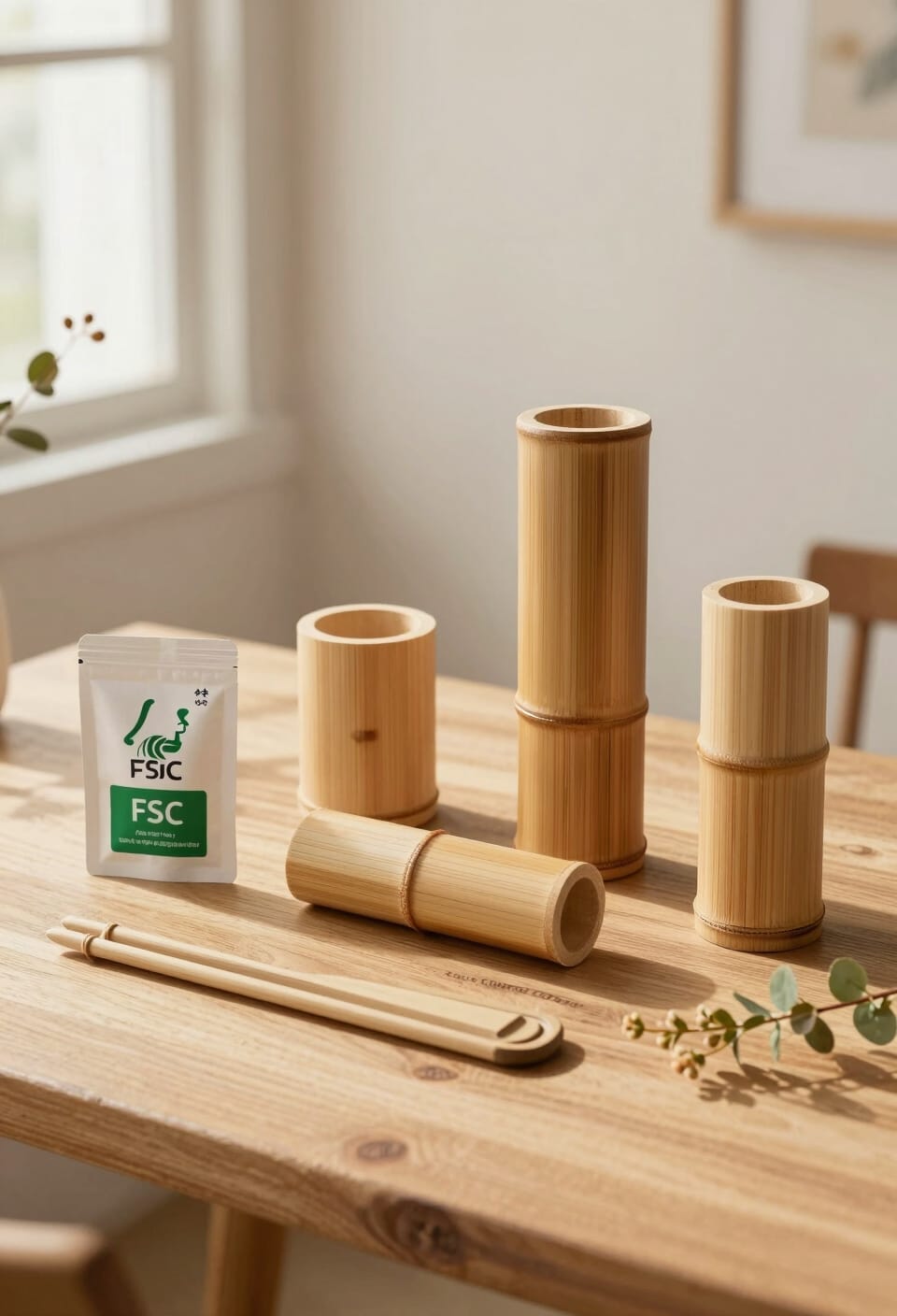

Have you ever thought about how your choices impact the environment? When it comes to bamboo products, there’s a big difference between FSC-certified and regular bamboo. Choosing FSC-certified bamboo means you’re picking items from forests that are managed responsibly. This supports fair work conditions and helps protect our planet.
On the flip side, regular bamboo might contribute to unsustainable practices that can harm the environment.
So, what should you look for? The FSC logo is your best friend here. Always check for that logo and unique certificate numbers to ensure authenticity. It’s a simple way to know you’re making a mindful choice.
The best part is that these FSC-certified products are lighter on the planet. They’re not just good for you; they’re good for everyone.
Here’s a quick tip: Pay attention to the certificates when shopping online or in stores. A little bit of research can go a long way in ensuring you’re making eco-friendly decisions.
Honestly, making choices that help the environment doesn’t have to be complicated. With just a few key facts about FSC-certified bamboo, you can feel good about what you buy.
So, what will you choose next time you’re in the market for bamboo products?
Key Takeaways
- FSC-certified bamboo is sourced from sustainably managed forests, ensuring responsible harvesting practices unlike regular bamboo that may contribute to deforestation.
- The Chain of Custody in FSC certification guarantees traceability, providing consumers assurance about product authenticity versus non-certified bamboo products.
- Choosing FSC-certified bamboo supports biodiversity and fair working conditions, while regular bamboo may fail to meet these ethical standards.
- FSC-certified bamboo products adhere to strict ecological standards, minimizing harmful chemical use compared to non-certified options that may not follow such regulations.
- Regular bamboo products often lack transparency in sourcing, leading to potential environmental harm, while FSC certification promotes trust in sustainability efforts.
How to Choose FSC-Certified Bamboo Products
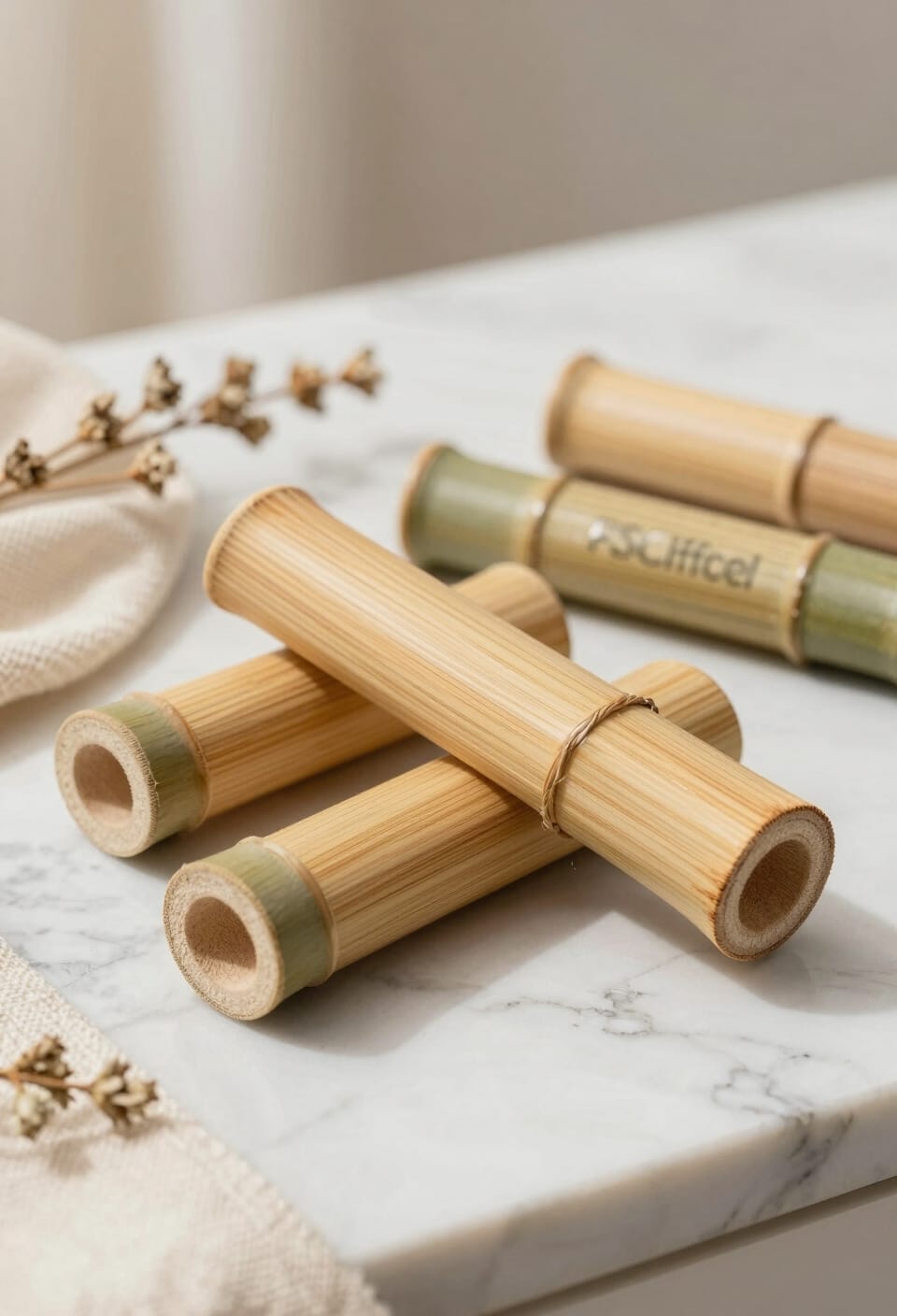
Have you ever found yourself staring at a shelf full of bamboo products, wondering which ones are actually good for the planet? Picking FSC-certified bamboo is a smart choice since it guarantees that the bamboo is sourced responsibly and supports sustainable practices. Look for the FSC logo on products; I like to think of it as an eco-friendly badge.
Here’s the trick: you can check out the product’s certificate number in the FSC database to make sure those claims are legit. It feels good to know you aren’t falling for any misleading marketing. Understanding the different categories, like FSC 100% or FSC Mix, can steer you in the right direction when it comes to making informed choices.
Also, don’t shy away from asking for documentation. It can give you insight into how the whole supply chain works, assuring you that they’re committed to sustainability. So, why does this matter? Every small step you take with FSC-certified bamboo products can significantly lower your environmental impact and help fight against deforestation.
Choosing bamboo that is non-porous and moisture-resistant can also ensure durability and easier cleaning, making your eco-friendly choice more practical and long-lasting.
In the end, being mindful about your choices can make a difference. Have you found some great eco-friendly bamboo products lately?
Recommended Products
🏆 Compact Yet Powerful – Designed for Teens & Women Crafted with a shorter 78cm deck and 105mm large wheels, the S3 Mini offers better portability and control for smaller riders—without sacrificing speed or power. Ideal for youth, women, or anyone who prefers a lighter, more nimble ride.

Solid Wooden Chopping Block: Elevate your food prep with a John Boos CCB series wood chopping block. Slice, chop, and display fruit, bread, meat, and other bites with efficiency.

Edge Grain Teak Cutting Board - Built from 100% FSC-certified solid teak wood, this end grain cutting board is designed for maximum durability and blade-friendliness. A luxury surface for serious cooks.
What Is FSC Certification and Why Does It Matter?
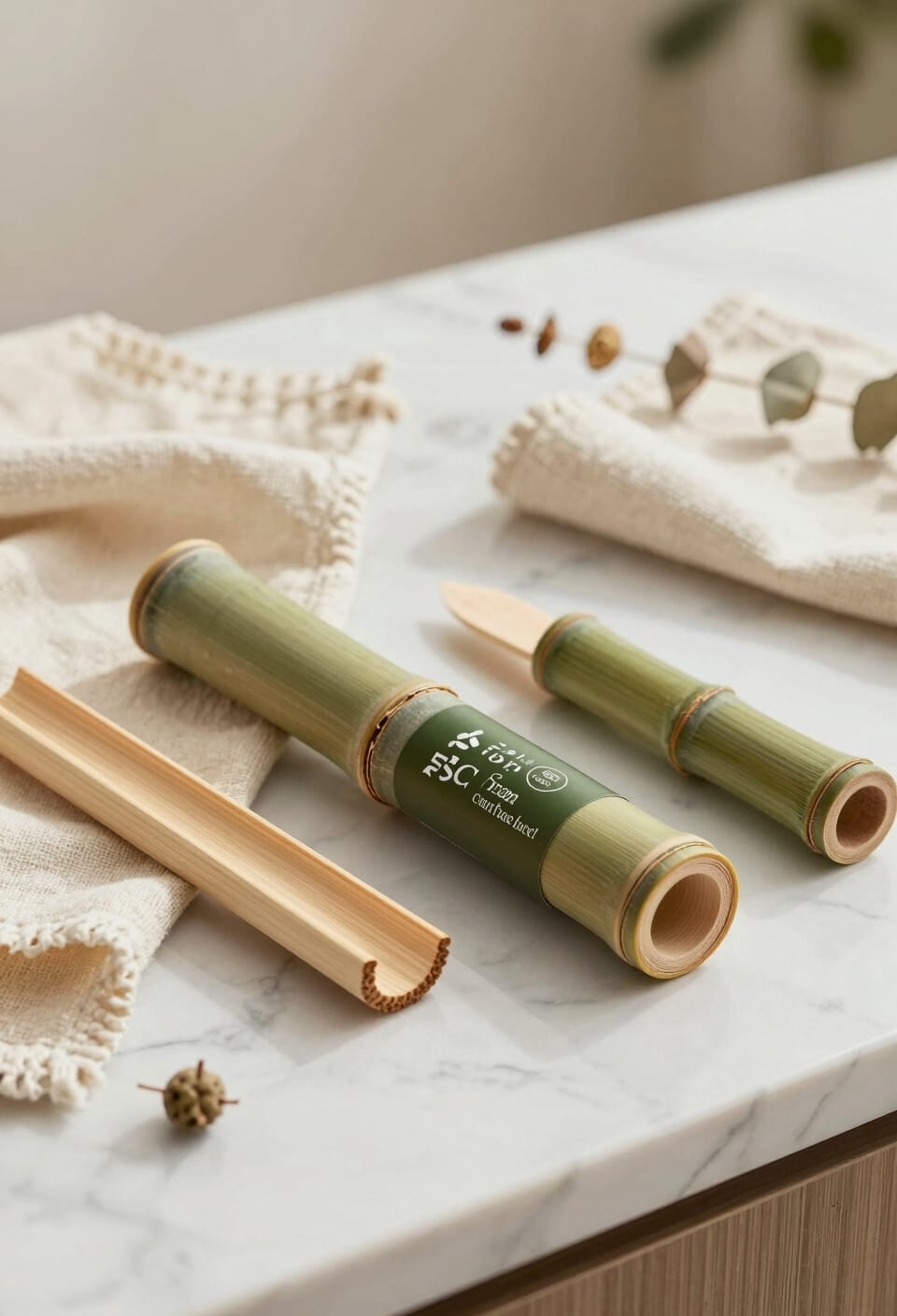
When you’re out shopping for bamboo products, have you ever wondered what FSC certification really means? It’s more important than you might think! FSC certification ensures that bamboo products come from forests that are managed in a sustainable way. This means those forests are cared for, and the harvesting process is done responsibly.
So, what does the process look like? First off, there’s something called FSC Forest Management, which verifies that the harvesting of bamboo is sustainable. Then, there’s the FSC Chain of Custody, which tracks the bamboo products all the way through the supply chain. When you spot the FSC logo on bamboo packaging, you can feel good knowing that the brand values environmental and social responsibility.
Why is this important? Without that certification, there’s a chance the bamboo products you’re buying might not meet critical sustainability standards, potentially harming the environment. Honestly, it’s worth taking a moment to check for that certification next time you’re in the store.
Choosing products with FSC certification helps support your precious forests. So, the next time you’re selecting bamboo items, keep an eye out for the FSC label. Let’s make informed choices that contribute to a healthier planet! What’s one small change you can make today to be more eco-friendly? Using sustainable products like reusable menstrual cups can also help significantly reduce environmental impact.
The Benefits of FSC-Certified Bamboo for Sustainability
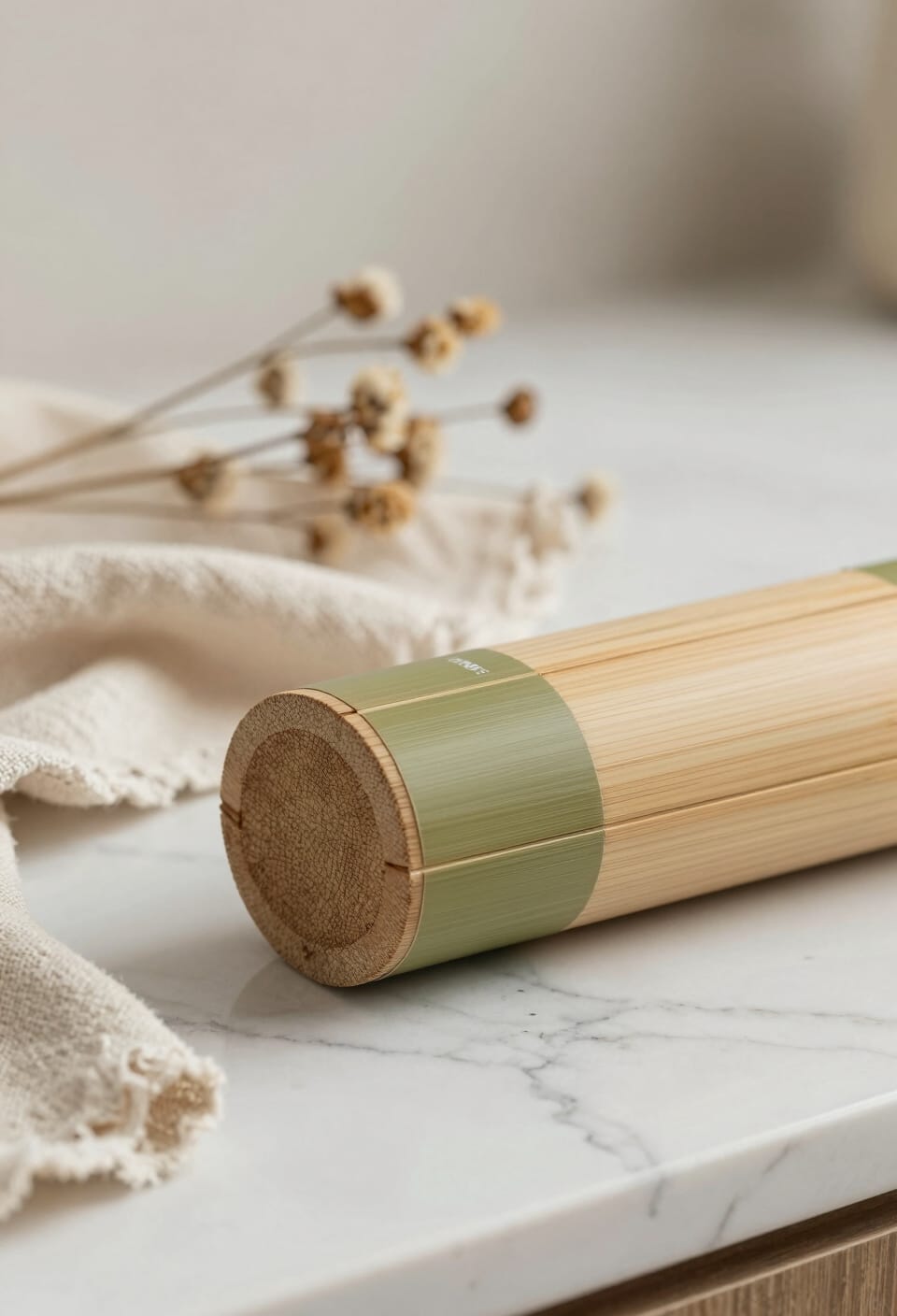
Have you ever thought about where your everyday products really come from? Choosing FSC-certified bamboo could be a simple way to make a positive impact without a lot of hassle. When you pick FSC bamboo, you’re supporting responsible forest management, which means you’re doing your bit to fight deforestation. It’s not just about trees; it’s also about ensuring fair working conditions—so you can feel good about your purchases.
What’s really cool is that bamboo has a lower carbon footprint compared to other materials. Thanks to strict guidelines, the entire production process helps minimize ecological damage. This kind of transparency is a huge win—when you buy FSC-certified products, you know exactly where your bamboo is sourced from.
So, why does this matter? Every choice you make can help protect biodiversity. By opting for these products, you’re supporting habitats and promoting healthier ecosystems. It’s honestly as easy as swapping out that plastic toothbrush for a bamboo one.
Choosing FSC-certified bamboo is a small change that can lead to big benefits. Plus, bamboo’s durable and eco-friendly qualities make it perfect for products like utensil holders that combine sustainability with style. Next time you’re shopping, think about making the green choice. How will you contribute to a more sustainable future?
Recommended Products

[THE SMART HYBRID: WATER-TOLERANT DESIGN] – We engineered the Zen Bamboo Electric Toothbrush for long-term durability in humid bathrooms. While our replacement heads are made from 100% natural FSC-certified bamboo, the handle is crafted from premium recyclable ABS with a wood-finish. This ensures the handle is 100% waterproof (IPX7) and remains stable in humidity, avoiding the swelling and cracking common with fully wooden handles.

PLANT-BASED BRISTLES — NO MICROPLASTICS AGAINST YOUR GUMS — Most electric toothbrush bristles are petroleum-based nylon. With 37,000 vibrations per minute pressing them against gum tissue twice a day, that adds up. Better & Better uses 100% plant-based soft bristles derived from castor bean oil — cleaning just as effectively, without depositing synthetic particles against the most permeable tissue in your body. The upgrade your electric toothbrush routine didn't know it needed.

🌱 Eco-Friendly & Sustainable丨GUFICLE Bamboo Electric Toothbrush is crafted with an eco-conscious mindset.The electric toothbrush handle features a bamboo-inspired ABS material, it offers a long-lasting and durable solution without compromising the eco-friendly aesthetic. We’re committed to reducing waste while maintaining a high-performance toothbrush for your daily routine.
Environmental Impact: FSC vs. Non-Certified Bamboo
When you’re shopping for bamboo products, do you ever stop to think about what that label really means? Choosing FSC-certified bamboo is a step in the right direction if you care about sustainability. These products come from responsibly managed forests that play a big role in reducing deforestation. On the flip side, non-certified bamboo can be a real environmental concern, contributing to practices that harm our ecosystems.
So, why does this matter? When you opt for FSC-certified options, you’re not just making a smart choice for your home; you’re also lowering carbon emissions. Bamboo forests sequester more carbon dioxide compared to traditional timber. Plus, they usually follow strict eco-friendly standards, which means fewer harmful chemicals in the mix.
Here’s the trick: next time you’re out shopping, keep an eye out for the FSC label. It’s a simple way to make a positive impact while still getting stylish and durable products that you’ll love. Honestly, being environmentally friendly doesn’t have to be complicated.
In fact, bamboo’s rapid renewability makes it a highly sustainable resource compared to many other materials.
In short, remembering to choose FSC-certified bamboo can help you make a difference. So, what will you look for the next time you’re browsing for bamboo items?
Recommended Products

RESPONSIBLY SOURCED NORTH AMERICAN HARDWOOD: Our wooden cutting boards are FSC Certified Products, the most rigorous certification in the industry in terms of environmental sustainability

PREMIUM WALNUT END-GRAIN CUTTING BOARD WITH STEEL REINFORCEMENT: Made from American walnut wood, this unique premium cutting board features a patent-pending steel-reinforced end-grain surface. Designed to resist warping, splitting, and knife damage; it’s Ideal for kitchens and chefs looking for the best cutting board for kitchen prep.

Solid Wooden Cutting Board: Elevate your food prep with a John Boos R-Board series wood cutting board. It’s ideal for slicing or chopping cured meat, fruit, bread, and vegetables with efficiency.
Understanding the Chain of Custody in FSC Certification
Understanding the Chain of Custody in FSC Certification
Have you ever thought about how that beautiful bamboo product made its way to your home? There’s actually a fascinating process behind it, especially when it comes to FSC certification. When you opt for FSC certified bamboo, you’re not just buying a product; you’re supporting sustainable sourcing every step of the way.
So, what exactly is the Chain of Custody? It ensures that every link in the journey of bamboo, from the forest to your living room, is documented and verified. This means that every company involved in the process has their own certification. Why is that important? It keeps everyone honest—no corners cut or sketchy practices allowed! They maintain a serious tracking system that logs everything about the materials and production processes.
You might notice different labels on bamboo products, like FSC 100% and FSC Mix. What do these labels mean? They tell you how sustainably the bamboo was sourced, helping you make informed choices. And, let’s not forget about those annual audits. Truth is, nobody enjoys unexpected visits from inspectors, so you can feel confident that companies are held to high standards.
Next time you’re shopping, remember these details. You’re not just picking out a nice piece of furniture or a trendy accessory; you’re making a choice that reflects your values. Keeping an eye on how products are sourced can make a real difference. Bamboo’s natural antimicrobial properties also contribute to the quality and hygiene of the finished products.
Common Misconceptions About FSC Bamboo
Have you ever thought all bamboo products are the same? It’s a common misconception, and I get why it happens. But let’s talk about FSC-certified bamboo and why it matters. First, not all bamboo is created equal—in fact, only bamboo with FSC certification shows it’s been sourced from responsible forest management practices.
Just because bamboo grows quickly, it doesn’t mean it’s always a good eco-friendly choice. Think about it: if it’s not harvested properly, you’re not really helping the planet. And another thing—mixing FSC-certified bamboo with non-certified varieties? That’s a frequent mistake. Under FSC rules, they need to stay separate.
You might think that having that certification is a one-and-done deal, but that’s not the case. FSC certification requires annual renewal and constant tracking through the entire supply chain. So, why does this matter? It keeps everyone honest about sustainable practices.
When you’re looking to make purchasing decisions, focus on brands that are serious about sustainability. The best part is that those choices not only benefit the environment but also support a responsible market. Remember to keep these points in mind next time you shop for bamboo. It can be tough to sift through what’s real and what’s not, but every little effort counts!
One great example of sustainable use in gardening is choosing reusable bamboo stakes, which can support plant growth season after season without contributing to waste.
What sustainable choices will you make this week?
How to Spot FSC Certification on Bamboo Products
How do you know if that bamboo product you’re eyeing is sustainably sourced? Spotting the right FSC certification can be your guide!
First things first: look for the FSC logo on the packaging. This logo isn’t just a seal of approval; it means the bamboo comes from forests that are responsibly managed with sustainable practices. If you see “FSC 100%,” it indicates that the product is made entirely from certified bamboo. On the other hand, “FSC Mix” includes a blend of certified and controlled materials. Still good news—it guarantees traceability, meaning you can trust where it came from.
Here’s the trick: always check for a unique certificate number. You can verify this number on the official FSC website, which gives you peace of mind about what you’re buying. So, why does this matter? Because if a bamboo product doesn’t mention any certification at all, it might be a red flag for unsustainable sourcing.
Honestly, making informed choices about the products we buy helps us support sustainable practices. Keep an eye out for that FSC logo and certification details next time you shop. You’re not just making a purchase—you’re contributing to better forest management.
Choosing FSC-certified bamboo also ensures you are selecting a product that has a low carbon footprint, supporting environmental health in a measurable way.
Staying aware of these details empowers us to make smart choices. Have you found any sustainably sourced products lately?
Recommended Products

OVERSIZED WORK SURFACE: Spacious 71"x32" desktop holds dual monitors, laptop, and more – ideal for multitasking, designing, or gaming without feeling cramped.

END GRAIN BOARDS PROTECT KNIVES & SELF HEAL — End grain cutting boards are renowned for extreme durability, and gentleness on knives. Each cut on our Walnut end grain cutting board glides between wood fibers, preserving knife sharpness and self-healing as the fibers reclose.

MADE IN VIRGINIA, USA - 100% sustainable walnut wood grown in America
How Consumers Can Advocate for FSC Bamboo Sustainability
As you dive into the world of sustainable shopping, do you ever wonder how your choices impact the planet? Advocating for FSC bamboo sustainability is easier than you might think.
First off, keep an eye out for products with the FSC certification label. This little badge means you’re backing bamboo that’s sourced responsibly, meeting solid environmental and social standards. It’s a simple way to make sure your dollars are going to support forests managed with care.
Next, take some time to learn the difference between FSC-certified bamboo and non-certified products. It may sound boring, but trust me, this knowledge can really pay off. When you understand what sets these products apart, you can make choices that support sustainable forestry and avoid products that don’t respect the environment.
Support brands that are open about where they get their bamboo. Companies that share their sourcing stories are usually more committed to sustainable practices and fair labor conditions. Plus, they’re paving the way for transparency in the market.
Don’t forget to chat about FSC certification with your friends and family. The more people know about what it means and why it matters, the more support there will be for eco-friendly bamboo products. Have you ever thought about how collective awareness can shift market demand?
To recap, prioritize FSC-certified products, educate yourself about bamboo sources, back transparent brands, and spread the word. Together, we can make a meaningful impact. What steps will you take to promote sustainable bamboo choices in your life?
Alternatives to Bamboo: Exploring Sustainable Materials and Products
Have you ever thought about how many eco-friendly materials out there could stand alongside bamboo? Honestly, the options are impressive! For instance, hemp is a fantastic choice. When it’s sourced responsibly, it requires way less fertilizer and pesticides than other crops. Plus, it grows quickly, making it a smart pick for sustainability.
Recycled paper products are another winner. They help reduce carbon footprints and protect non-timber forests, which is something we should all care about. Ever considered biodegradable plastics? Products made from cornstarch or sugarcane break down faster than regular plastics—so that’s a win for the environment, right?
You might also look into organic cotton. It not only keeps soil healthy but also helps conserve water. And then there’s reclaimed wood, perfect for anyone who loves unique furniture. Not only does it help cut down on deforestation, but it also brings character to your living space.
So why does this matter? By opting for these sustainable materials, you can make a real difference without losing any style. It’s all about finding what works for you while nurturing the planet.
In addition, popular eco-friendly products like biodegradable plates made from sugarcane fiber and bagasse showcase the versatility of renewable materials available today.
In short, there are plenty of great alternatives to bamboo out there that are stylish, functional, and kinder to our environment. What sustainable material might you try next?
Recommended Products

[EXPERTLY CRAFTED]: Machine-woven by skilled artisans from sisal and wool fibers for a rich, textured look and natural feel; slight color variations highlight its natural beauty; fabric border provides a clean, finished edge

[EXPERTLY CRAFTED]: Machine-woven by skilled artisans from plant-based sisal fibers for a rich, textured look and natural feel; slight color variations highlight its natural beauty; fabric border provides a clean, finished edge

[EXPERTLY CRAFTED]: Machine-woven from plant-based sisal fibers for a rich, textured look and organic feel; subtle color variation highlights natural beauty, while a fabric border provides a clean, finished edge
Frequently Asked Questions
What Does FSC Certified Bamboo Mean?
FSC certified bamboo means it’s sourced responsibly, ensuring ethical production standards and sustainable practices. By choosing it, we support eco-friendly materials, raise consumer awareness, and contribute to resolving bamboo sustainability issues in the growing industry.
Do Gynecologists Recommend Bamboo Toilet Paper?
Yes, gynecologists recommend bamboo toilet paper for its softness and eco-friendly benefits. Embracing sustainable living choices, we find it addresses gynecological health concerns while encouraging toilet paper usage trends towards responsible brands that prioritize bamboo product manufacturing.
Can You Get FSC Bamboo?
Yes, we can find FSC-certified bamboo, ensuring responsible sourcing and bamboo sustainability. By choosing these bamboo products, we support ethical consumption and environmental benefits, enhancing consumer awareness of sustainable bamboo farming practices in our everyday lives.
How to Check Bamboo Quality?
To check bamboo quality, we should evaluate bamboo sourcing standards, review bamboo product certifications, assess durability through bamboo durability testing, and consider environmental impact while being aware of bamboo industry trends and sustainable processing methods.


