
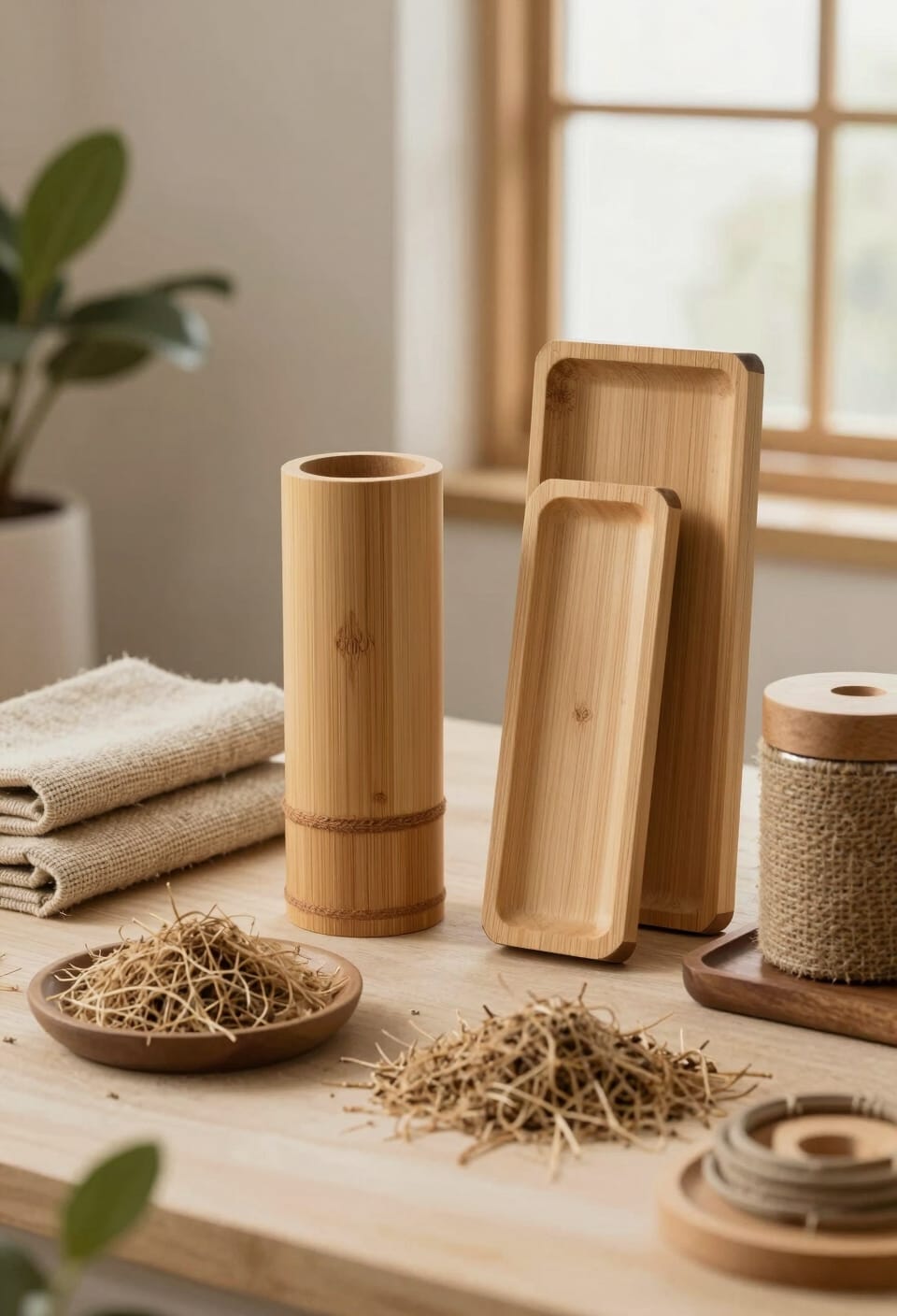

When you’re trying to choose between bamboo, wood, and hemp for your next project, things can get a little tricky. Each material has its own set of benefits that can really influence your decision!
Bamboo is like the overachiever of the plant world; it grows incredibly fast and is perfect for making everything from fabric to dinnerware.
On the other hand, wood brings a cozy vibe to furniture. But it’s essential to think about where your wood comes from. Sourcing it sustainably is the key to keeping our forests healthy for future generations.
And then there’s hemp. This is the go-to for eco-friendly clothing and paper, plus it’s a champion for keeping soil healthy.
So, what’s the best choice for you? Consider what matters most to you—environmental impact, aesthetics, or durability.
Trying to craft or decorate can feel overwhelming, but the right material makes all the difference! Truth is, it’s worth taking a little time to weigh your options.
So, are you leaning towards one over the others? Each choice can really contribute to a more sustainable lifestyle.
Key Takeaways
- Bamboo is a highly renewable resource, growing up to a foot a day, with a harvest cycle of 3-5 years.
- Wood offers durability and insulation but must be sustainably sourced to minimize environmental impact.
- Hemp grows quickly, requires no harmful pesticides, and improves soil health, making it an eco-friendly option.
- Bamboo fabric is soft and hypoallergenic, while hemp fibers exhibit antimicrobial properties, enhancing the freshness of textiles.
- Both bamboo and hemp are water-efficient, using significantly less water compared to traditional materials like cotton.
Sustainability Comparison: How Sustainable Are Bamboo, Wood, and Hemp?

When you’re looking to make more eco-friendly choices, it’s worth getting into how bamboo, wood, and hemp stack up against each other in terms of sustainability. Bamboo is a real standout here. It can grow as much as a foot in a single day, which makes it an incredibly renewable option! On the other hand, wood can also be sustainable, but only if it’s sourced responsibly from managed forests. Remember, reckless deforestation can really mess with local wildlife and biodiversity.
Now, let’s talk about hemp. It’s not just fast-growing; it also doesn’t require harmful pesticides and actually improves soil health as it grows. So, why does this matter? Well, both bamboo and hemp are champions at capturing carbon. Bamboo takes in more CO2 than your average tree, while hemp’s biomass is remarkably effective at locking away carbon too. Plus, they’re both water-efficient, needing way less water than cotton, which is fantastic news for our precious water resources!
Bamboo also has the added benefit of being used in biodegradable products, such as bamboo dental floss, that help reduce plastic waste.
Here’s the trick: if you’re aiming for eco-friendly materials, consider your options wisely. Each of these materials has its pros and cons, so it’s all about what fits your needs. Whether you’re designing a cozy space or shopping for clothing, keeping sustainability in mind can really make a difference to our planet.
To wrap it up, bamboo, wood, and hemp all have their place in the sustainability conversation. It’s about choosing what works best for you while thinking about the environment. How will you decide which materials to bring into your life?
Recommended Products

𝐕𝐀𝐋𝐔𝐄 𝐏𝐀𝐂𝐊 𝐃𝐈𝐍𝐍𝐄𝐑𝐖𝐀𝐑𝐄 - It includes 100 Cases of 50-count 10-inch square plates. Make this your one-stop shop for all your dinnerware. They are available in multiple sizes and shapes for you to choose from on your special occasion. Being portable, they are best used for Birthday parties, weddings, picnics, camping, and outdoors too.

VERSITLE FOR COMMERCIAL AND HOME PROJECTS – No Rot, No Decay! Ideal for outdoor circular roofs such as tiki bars or umbrellas. Revive older canvas parasols with a tropical Tiki theme or cover a metal frame umbrellas for shade. Product is cover only, not umbrella.

Assembly required, no tools needed. Item ships flat packed for easy storage.
Everyday Uses of Bamboo, Wood, and Hemp
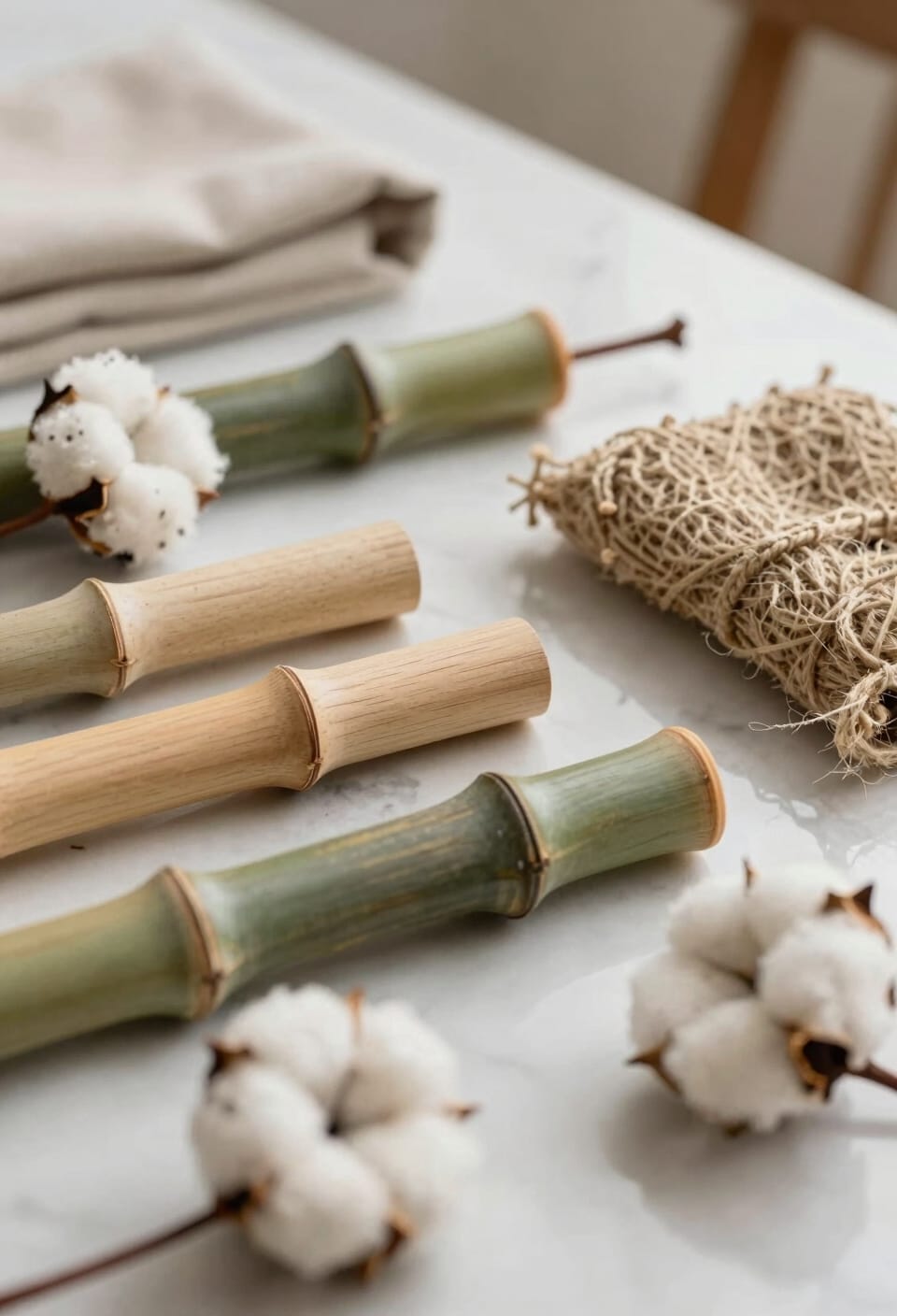
Ever thought about how much we rely on bamboo, wood, and hemp in our everyday lives? These materials are everywhere, and each one has its own unique vibe and practical uses. For example, have you tried bamboo fabric? It’s incredibly soft and breathable, making it a fantastic option for your wardrobe. Plus, nothing can rival the warmth and elegance of wood in your home—whether it’s a sturdy wooden table for family dinners or beautiful flooring that adds a cozy touch.
Here’s the trick: think about the versatility of hemp! The fibers are perfect for crafting strong ropes, eco-friendly paper, and even stylish clothing that’s making a comeback in fashion. Something that stands out to me is how hemp absorbs carbon dioxide while it grows. So, why does this matter? Every little bit counts when we’re talking about sustainability!
When it comes to kitchenware, bamboo utensils are not just chic; they’re also biodegradable, which makes them a great choice for the environment. Imagine slicing veggies on a sleek bamboo cutting board—looks good, right? Frankly, having sustainable options around us, like these materials, feels pretty empowering. Bamboo dinnerware sets, being biodegradable and compostable, offer an eco-friendly alternative to conventional plastics in daily dining.
Health Benefits of Bamboo, Wood, and Hemp

Have you ever thought about the impact of your everyday materials on your health? You might be surprised to find out that bamboo, wood, and hemp aren’t just great for the environment—they also offer some solid health benefits too!
Bamboo, for instance, is admired for its antibacterial and hypoallergenic properties. This makes it a fantastic choice for skin-friendly bedding and clothing. If you’re someone who deals with skin sensitivities, switching to bamboo products could really help.
Hemp fabric is another winner. Thanks to its antimicrobial properties, it fights off bacteria and mold, which means your clothes and home textiles can stay fresher for longer. And let’s talk about hemp seeds—they’re packed with omega-3 and omega-6 fatty acids, which are wonderful for heart health. So, if you’re looking to boost your diet, definitely consider adding hemp seeds!
Now, wood is often overlooked, but when it’s sourced sustainably, it can actually improve indoor air quality by helping to regulate humidity. So, if you’re decorating or renovating, using wood can be a healthier option compared to synthetic materials.
Truth is, in a world where so many crops are treated with chemicals, choosing bamboo, wood, and hemp just makes sense. It’s like putting health and eco-friendliness back into your home and lifestyle. Additionally, bamboo’s natural anti-static properties help minimize frizz and damage, which can be beneficial for hair and scalp health.
Historical Significance of Bamboo, Wood, and Hemp
Have you ever thought about how the materials we use every day can really shape our lives? It’s pretty wild when you consider it. Take bamboo, for instance. People have been using it since the Stone Age! Its rapid growth and ability to regenerate make it a fantastic resource for tools and building materials. Plus, it’s super strong yet lightweight.
Now, let’s talk about hemp. This isn’t just a trendy crop; it dates all the way back to around 5000 BC in China! Back then, it was already one of the first cultivated crops, mainly for its fibers that were perfect for making textiles. Hemp’s versatility doesn’t stop there—it can also be turned into fabric, paper, and even some really tasty snacks.
And wood? It’s been crucial in helping us tackle nature for thousands of years. Think about how many items in your home—furniture, utensils—are made from it. Bamboo and hemp are particularly special because they’re not just versatile; they’re also sustainable. With eco-conscious living on the rise, it’s worth considering how these materials can fit into your daily life.
Bamboo, for example, grows rapidly—up to three feet per day—and is harvested sustainably every 3-5 years, making it an excellent renewable resource for eco-friendly living.
So why does this matter? Because choosing bamboo, wood, and hemp is a way to make a positive impact on the environment while enjoying the benefits of durable and stylish materials.
The best part is that incorporating these resources into your life can be as simple as switching to bamboo utensils or trying out some hemp-based products. Why not start with a small change today? You might be surprised at how much of a difference it can make.
In short, these natural materials have shaped our history in incredible ways, and they can do the same for our future. What will you explore next?
Key Factors to Consider When Choosing Bamboo, Wood, or Hemp Materials
When it comes to picking materials like bamboo, wood, or hemp, you might feel a bit overwhelmed with options. But consider this: bamboo is the fastest-growing plant on Earth, and hemp isn’t far behind with its rapid growth, making both excellent choices for sustainability.
Bamboo fabrics can require some chemical processing, which raises questions about their environmental impact. On the flip side, hemp not only offers natural fibers but also improves soil quality without the need for harsh chemicals or pesticides. So, why does this matter? You want to choose materials that are beneficial for the environment, right?
Both bamboo and hemp have antibacterial properties, but with bamboo, those come from treatments during production. If you’re weighing hemp versus bamboo, think about what matters most to you: renewability, being eco-friendly, or something else entirely.
The best part is, no matter which one you choose, you’re making a positive impact on our planet. What are your top priorities when selecting materials?
Additionally, choosing natural materials like wood over synthetic ones not only supports ecological sustainability but also enhances durability and environmental friendliness in applications like bee houses.
Frequently Asked Questions
Is Bamboo Better Than Hemp?
We think bamboo shines with its incredible versatility and rapid cultivation, while hemp boasts unmatched durability and beneficial characteristics. Each has its unique advantages, but for specific needs, bamboo can outshine hemp in many applications.
Why Don’t People Use Bamboo Instead of Wood?
People don’t use bamboo instead of wood mainly due to perceptions around bamboo durability and aesthetics. While bamboo offers advantages in growth, sustainability, and versatility, its maintenance and applications are still less recognized than traditional wood options.
Is Hemp More Sustainable Than Bamboo?
They say, “What’s good for the earth, is good for us.” We believe hemp’s sustainability shines through its cultivation, durability, and applications, making it a superior choice over bamboo regarding environmental impact and benefits.
What Are the Downsides of Bamboo?
Bamboo has durability issues, moisture sensitivity, and cultivation concerns that affect its environmental impact. Manufacturing challenges and pest resistance also pose challenges. Plus, its versatility has limitations, leading to cost factors and aesthetic drawbacks in the supply chain.


