
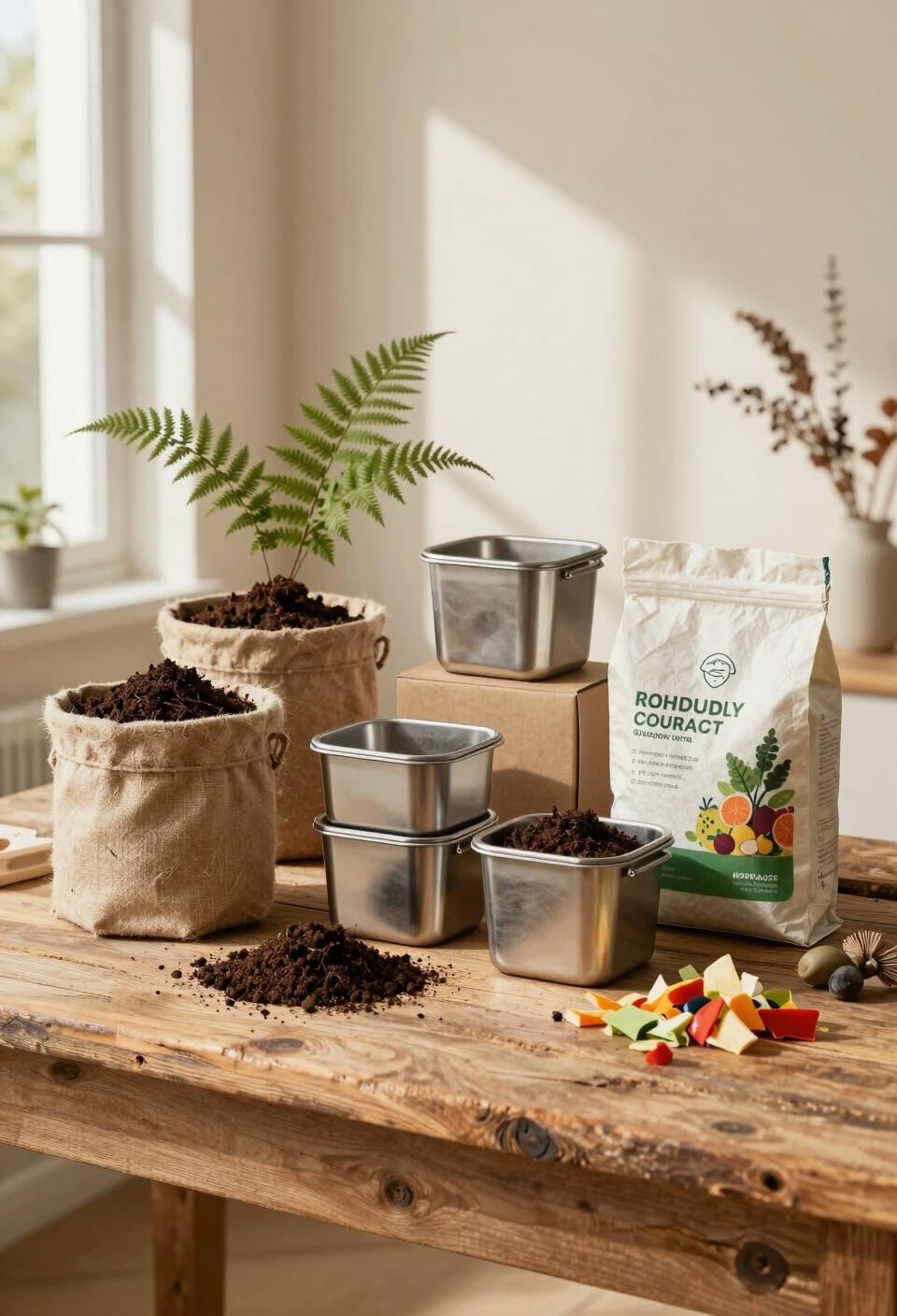

Have you ever wondered what to do with all those kitchen scraps? Composting is such a great way to turn those waste materials into something valuable for your garden! It’s really simple, too. You can toss in fruit peels, coffee grounds, and eggshells. Just steer clear of meat and dairy products—they attract pests that you don’t want hanging around.
To get started, layer your “greens” (like veggie scraps) and “browns” (think dry leaves or cardboard) in a compost bin. Keep it damp but not soggy, and give it a turn now and then. Before you know it, you’ve got nutrient-rich compost ready for your plants.
Here’s the trick: the more diverse your scraps, the better your compost will be. So, save those leaves in the fall, or throw in some shredded paper from your home office.
Truth is, composting is a fantastic way to reduce waste and improve your garden’s soil.
And if you really want to enhance your composting skills, there are plenty of methods and tips out there to explore.
So, why does this matter? Composting not only benefits your garden but also helps the environment by minimizing landfill waste. Why not give it a try? You might be surprised at how easy—and rewarding—it can be!
Key Takeaways
- Compost kitchen scraps like fruit peels and coffee grounds to enrich garden soil with essential nutrients.
- Layer greens and browns in your compost bin for optimal decomposition and soil health improvement.
- Maintain a balanced compost ratio of three parts browns to one part greens to avoid odors and ensure active breakdown.
- Incorporate finished compost into garden soil or as a top dressing to enhance moisture retention and suppress weeds.
- Use simple composting methods like tumblers or turning bins to speed up the composting process and simplify maintenance.
Top Benefits of Composting for Your Garden

Have you ever looked in your kitchen and wondered what to do with all those vegetable peels and coffee grounds? Instead of tossing them in the trash, consider composting! It’s not just a way to dispose of scraps; it can seriously boost your garden’s health and productivity. By turning your organic waste into compost, you’re providing your soil with the nutrients that plants love, leading to healthier vegetables and more vibrant flowers.
We often underestimate how crucial soil health is for our plants. Compost improves soil structure, allowing roots to dig deeper and grow stronger. This not only aids in water retention during dry periods but also enhances drainage in heavier soils. So, why does this matter? Because healthier soil means happier plants, and happier plants yield better harvests!
Here’s the trick: get started by setting up a simple compost bin in your backyard. All you need are kitchen scraps like fruit peels, vegetable trimmings, eggshells, and even yard waste like grass clippings and leaves. Aim for a mix of greens (nitrogen-rich materials) and browns (carbon-rich materials) to get the best results.
The best part is that composting not only helps your garden thrive but also reduces waste in landfills, which contributes positively to the environment. You’re turning what would be trash into something valuable for your garden. How cool is that? Using a compost bin with proper aeration can accelerate the decomposition process and improve compost quality.
What Kitchen Scraps Can You Compost?

Are you tired of tossing your kitchen scraps in the trash? You’ll be thrilled to learn that you can compost way more than just those wilted banana peels. Let’s break it down. You can toss in fruit and vegetable scraps, like peels and cores, which are packed with nitrogen.
Coffee grounds are another fantastic addition—they boost your compost pile with nitrogen and help improve soil structure. And don’t forget the eggshells; just crush them first for faster breakdown. Fresh grass clippings also fit nicely into the mix, but remember to balance them with browns like dried leaves or cardboard to keep everything in check.
Now, what shouldn’t you compost? It’s best to steer clear of meat, dairy, and oily foods. These items can attract pests and create some pretty unpleasant odors. You definitely don’t want to deal with that!
So, why does this matter? Composting not only reduces waste but also gives you rich soil for your garden. The best part is, it’s a simple way to contribute to a healthier environment.
Using biodegradable plant pots can further enhance your gardening eco-friendliness by providing sustainable and nutrient-rich containers for your seedlings.
In short, stick with those fruit and veggie scraps, coffee grounds, eggshells, and grass clippings, and avoid the no-gos. Ready to make your composting journey both fun and effective? What’s your favorite kitchen scrap to compost?
Simple Composting Methods for Beginners

Ready to get your hands dirty? If you’re feeling overwhelmed by kitchen waste, composting at home can be a total lifesaver. You might be wondering, “What’s the easiest way to get started?” Well, layering is your friend! Just mix together greens (like those kitchen scraps you’ve been tossing) and browns (think dry leaves or old cardboard). A good rule of thumb is three parts browns to one part greens.
If you prefer a bit more organization, consider setting up three compost bins. That way, you can keep your fresh scraps, the stuff that’s actually breaking down, and the finished compost separate. It makes managing the process so much simpler.
For those who want to speed things up, a tumbler can really cut down on your efforts. You just give it a spin and voilà—your compost is getting mixed up nice and evenly! Don’t forget to check the moisture levels, though; your compost should feel damp but not soggy.
Honestly, what’s not to love about composting? Not only does it help enrich your garden, but it also cuts down on waste. Why not give it a shot? You might find it’s more rewarding than you thought! Using aluminum-free products in your household is another great way to support environmentally conscious living.
Composting Troubleshooting: Common Problems and Solutions
Composting can feel like a puzzle at times, can’t it? One moment it seems like you’re on the right track, and the next, things just go south. If your compost has that foul odor, it probably means you’re overdoing the greens. Try tossing in more browns—think dry leaves or cardboard. And don’t forget to give it a good turn!
If you notice your compost pile isn’t budging at all, it might just need a little hydration. Add some water to it and throw in more materials to beef it up. Now, let’s address those pesky critters. To keep them away, it’s best to steer clear of meat and dairy scraps, and using a closed bin can really help too.
Feeling that warmth from your compost? That’s actually a good sign—it’s still breaking down. Just hold off on using that finished compost in your garden until everything cools down. Remember, the magic balance is about 3 parts browns to 1 part greens.
Using a kitchen compost bin with proper odor control can make indoor composting more manageable and less smelly.
How to Incorporate Compost Into Your Garden
It can be frustrating to wonder how to use that compost you’ve been working so hard on, right? Once you’ve tackled those compost challenges, it’s time to turn that finished product into something special for your garden. Try mixing one part compost with three parts of your existing soil. This boosts nutrients and improves soil structure nicely.
If you want to go the extra mile, applying a layer of compost as a top dressing around your plants can do wonders. Not only does it help suppress weeds, but it also retains moisture in the soil. For those of you with raised garden beds, consider blending a 50-50 mix of compost and topsoil. This mix creates a fantastic environment for your plants to thrive.
When you’re getting ready to plant seeds, don’t forget to amend the soil with compost to give those little guys a nutrient boost. And, if you’re into container gardening, mix one-third compost with two-thirds potting soil. This combination helps with moisture retention and aeration, which is key for healthy roots.
Frankly, it’s all about giving your plants the best shot at growing strong and healthy. Using compost also promotes environmentally friendly gardening practices by reducing kitchen waste and supporting sustainability. Are you ready to start transforming your garden with this compost wisdom?
Frequently Asked Questions
How Long Does It Take to Create Compost From Kitchen Scraps?
Creating compost from our kitchen scraps typically takes about 3 to 6 months. This composting timeline allows Mother Nature’s magic to work, as the decomposition process transforms our waste into nutrient-rich treasure for our gardens.
Can I Compost Meat, Dairy, or Oils?
We can’t compost meat or dairy because of meat composting challenges and potential pests. Instead, we should consider dairy alternatives for better results, while oils can hinder decomposition and negatively impact our compost’s health.
What Tools Do I Need for Composting Effectively?
To cultivate our garden’s dreams, we’ll need composting tools like a sturdy bin, pitchfork, and moisture meter. With these, effective composting becomes our symphony—a beautiful blend of nature’s gifts transforming into nutrient-rich soil!
Is It Necessary to Have a Compost Bin?
No, it isn’t necessary to have a compost bin. We can explore compost bin options or choose compost bin alternatives, but we definitely enjoy the benefits of better-organized scraps and faster decomposition with a bin!
How Often Should I Turn My Compost Pile?
We shouldn’t overlook the rhythm of our compost; turning it every few weeks fosters better aeration and moisture. Embracing various composting techniques maximizes compost benefits, helping our gardens thrive like never before.


