

Starting a family zero waste challenge sounds like a daunting task, but it can actually be a lot of fun! It all kicks off with a waste audit. Grab some bags, sort through what your family tosses each week, and see where most of the waste comes from. This can open your eyes to what you’re really throwing away and help you feel more motivated to make some changes.
Next, set some realistic goals together. Instead of shooting for perfection, aim to reduce your waste by 50% over the next three months. This approach keeps things achievable without feeling overwhelming.
One of the coolest parts? You can get creative with DIY projects! Making beeswax wraps or reusable bags from old t-shirts is an easy way to involve kids and spark their imaginations. You’ll bond while crafting, plus you’ll have new items that cut back on single-use plastics.
Thinking about meals can also change the way you shop. Check out local markets for fresh, seasonal produce. Not only does this support local farmers, but it also makes meal planning easier and cuts down on packaging.
Want to keep the momentum going? Keep exploring new tips and ideas along the way. Remember, every little step counts! So why not gather your family and start this journey together? You may just see how small changes can lead to a bigger impact!
Key Takeaways
- Start with a waste audit to identify your family’s waste patterns and categorize items into compostable, recyclable, and landfill.
- Set achievable zero waste goals, like reducing waste by 50% within three months, to foster commitment and motivation.
- Implement weekly challenges, such as creating DIY reusable items or planning meals around local produce, to inspire family participation.
- Celebrate small victories and track progress to maintain motivation and recognize improvements throughout the challenge.
- Engage with local markets and resources to enhance sustainability knowledge and support community efforts in reducing waste.
Why Family Zero Waste Challenges Are Important
Have you ever taken a moment to consider how much food your family actually wastes? It’s honestly shocking to realize that nearly 40% of food produced goes to waste. By diving into family zero waste challenges, you can not only work to reduce that staggering number, but also bond with your loved ones in the process. It’s a win-win!
Cooking and meal planning together can be a fun experience for everyone. Try this: before heading to the grocery store, sit down as a family and make a meal plan for the week. This doesn’t just help you cut back on food waste; it also saves money! Who wouldn’t appreciate a little extra cash in their pocket? As you learn to plan meals together, you’ll start to see how much you can save by being intentional about purchases.
Truth is, the challenge isn’t just about saving money—it’s about creating a ripple effect in your community. When you share your journey with neighbors and friends, you encourage them to take part too. That’s how you build a community focused on sustainability! Plus, those composting mishaps you face together? They become hilarious memories to look back on.
So, why does this matter? It’s not just about reducing waste. You’re also setting an example for future generations about the importance of responsibility and caring for our planet. Incorporating zero waste laundry detergents into your routine is another impactful way to reduce plastic waste and toxic chemicals. At the end of the day, family zero waste challenges can help strengthen your bond while making a positive impact.
Want to jump in? Start small, and commit to one new habit each week. You might just find that it leads to a lasting change for your family and community!
How to Assess Your Family’s Waste Output?
Evaluating your family’s waste output can feel like a hassle, but it can actually open your eyes to just how much trash you generate—and can even be a bit of fun! Why not kick things off with a waste audit? It’s simple: collect your trash for an entire week, then sort it into categories like compostable, recyclable, and landfill. Once you weigh your total waste output, you’ll have a better understanding of what you’re dealing with.
Don’t forget to reflect on your daily habits too! Think about how much food you’re prepping and the type of packaging you use. Honestly, you might be surprised by some trends. Keeping track of your findings can make a big difference—try using an app or even a basic spreadsheet. This way, you can spot patterns and celebrate the progress your family makes toward reducing waste together.
Here’s the trick: once you’ve got your baseline, tackle waste reduction as a team. What small changes can everyone commit to? Maybe it’s using reusable bags when shopping or cutting back on single-use plastics. The best part is, every little bit helps! Choosing durable, reusable shopping bags can significantly reduce your reliance on single-use plastics and support your zero waste goals.
Creating Awareness and Setting Family Zero Waste Goals

What do you do with all that trash piling up? It’s tough to ignore the amount of waste our families produce, but don’t worry, you can take charge. After doing a little waste audit, it’s the perfect time to set some real zero waste goals together. Think big—how about aiming to cut down your overall waste by 50% in the next three months? It’s a challenge that can really unite your family.
Now, keeping it interesting is key. Consider throwing in some fun weekly zero-waste challenges. For instance, let’s tackle food waste head-on. Have you ever tried meal planning? It’s a great way to save money and reduce waste. And composting? That can really change how you think about food scraps.
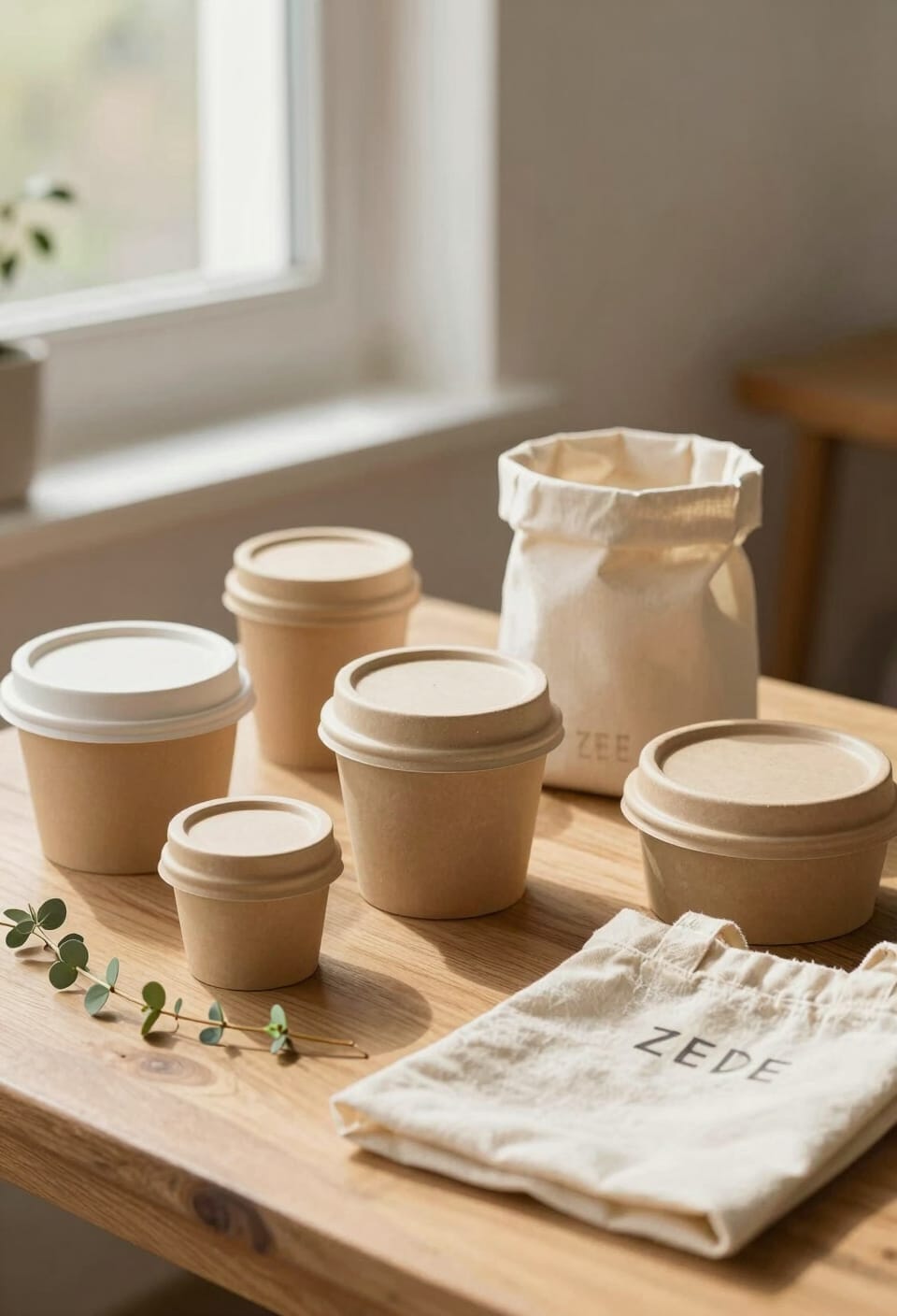
Don’t forget about a zero-waste kit. Craft one that includes reusable bags and containers. This not only adds a practical touch but also makes you feel more committed to the cause. Honestly, making it all feel like a family project can turn it into a bonding experience. Plus, you might just feel like eco-warriors on a mission! Using beeswax wraps as a sustainable alternative to plastic wrap is a smart way to reduce single-use plastics in the kitchen.
Create DIY Projects to Replace Single-Use Products
Have you ever thought about how making a few simple changes in your life can really cut down on single-use products? It’s easier than you might think, and it can be a lot of fun, too! Instead of reaching for plastic wrap, you can whip up some beeswax wraps. Not only do they help reduce plastic waste, but they also add a nice personal touch to your kitchen.
Another neat trick is to transform old t-shirts into reusable shopping bags. So, why not turn a piece of clothing you’d normally toss into a bag that’s not only practical but also stylish for your trips to the market? Additionally, you can create homemade cleaning supplies using ingredients you probably already have in your pantry, like vinegar and baking soda. It’s a safe and cost-effective alternative to those harsh store-bought cleaners that can fill your home with chemicals.
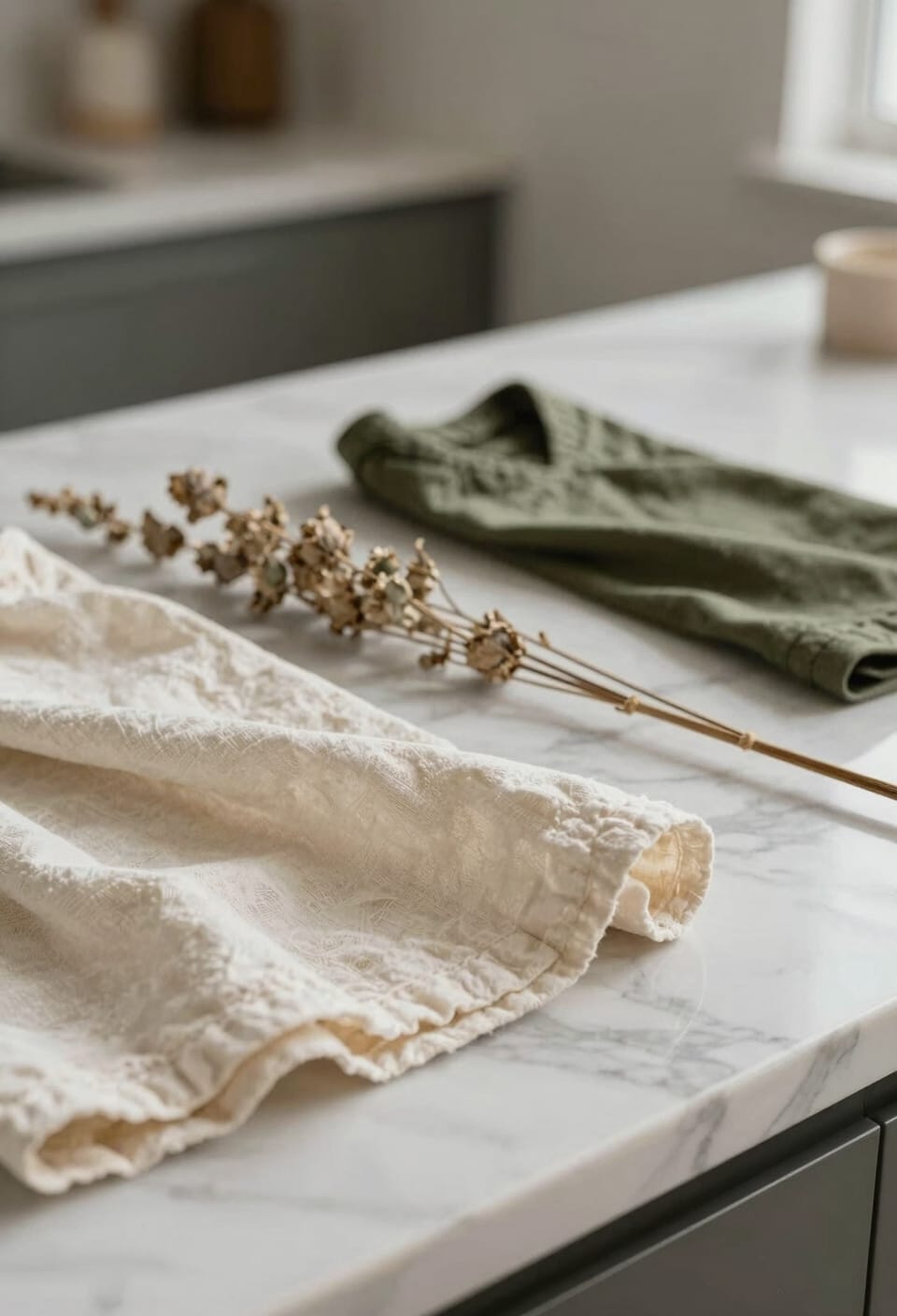
Let’s talk about those pesky disposable paper products. You can easily make cloth napkins or reusable paper towels from old towels lying around your house. Just think about the reduction in waste—every little bit counts!
The best part is, each project is not just about saving the planet; it’s also about having fun and getting a little crafty. Honestly, it feels great to create something useful from items you might otherwise send to the landfill. Beeswax wraps, for example, are not only reusable but also made from organic materials, making them an eco-friendly choice for food storage.
Planning Sustainable Meals With Local Produce
Have you ever thought about how much impact your meals can have on the environment? Planning your meals around local produce is a fantastic way to make a difference. When you grab food grown nearby, you’re not just cutting down on emissions from transportation; you’re also lending a hand to local farmers in your community. Not to mention, shopping at farmers’ markets often means you can find options without packaging. Less waste, anyone?
Seasonal fruits and veggies are usually at their peak in terms of taste and nutrients. There’s something about biting into a juicy summer tomato or crunchy fall apple that just feels right, doesn’t it? And, here’s a bonus: local produce can often be more budget-friendly, so you might just save some cash while enjoying delicious, fresh food.
So, where do you start? Scout out your local farmers’ markets or community-supported agriculture (CSA) programs. You’ll find a variety of produce that changes with each season, which keeps your meals exciting. Want to plan meals with minimal waste? Try this: look for recipes that feature what’s currently available so you can get the most out of what you buy.
Honestly, planning meals around local produce not only benefits you but also supports a sustainable food system. You’ll enjoy fresh flavors, help reduce your carbon footprint, and maybe even strike up conversations with the folks who grow your food. How cool is that?
Including eco-friendly daily habits, like choosing sustainable personal care products such as vegan dental floss, can further reduce your environmental impact.
All in all, dive into local shopping and meal planning. It’s an easy way to make a positive impact on your health and the planet. So, are you ready to explore what your local markets have to offer?
Transitioning to Reusable Options in Daily Life
Have you ever stopped to think about how much waste we create each day? Making the switch to reusable options in daily life can seem like a small change, but trust me—it’s got a big impact on our planet! For instance, if you ditch those disposable water bottles, you’re preventing about 167 of them from cluttering up landfills and oceans every year. Pretty wild, right?
Switching from paper towels to washable cotton cloths can save you over 100 rolls a year—imagine the money saved too! Then there are disposable razors. When you replace them with safety razors, you’re cutting down on the billions of blades that end up polluting our environment. And let’s not overlook cloth napkins—they can help reduce a staggering 1,000 pounds of paper waste. So, why does this matter? Each little change adds up to something massive for our planet.
As you dive into the Zero Waste Challenge, keep these reusable options in mind. They not only feel good, but they also lead to a healthier planet. Truth is, every step counts when it comes to making a difference. Using unpaper towels instead of disposable paper towels can significantly reduce your household waste and support sustainable practices.
Ready to take the plunge? Start small, try one or two of these options, and see how it feels. If it resonates, you can build from there. Together, we can make an impact! What reusable change will you try first?
Recognizing Progress and Sustaining Zero Waste Practices
Have you ever felt like your efforts to go zero waste are just dropping into a black hole? Tracking your waste can actually reveal some surprising wins! For example, one family managed to cut their compost waste by an impressive 89% through some simple sustainable practices. When you celebrate those little victories—like switching from single-use plastics to more sustainable options or truly embracing composting—you’re not just patting yourself on the back, you’re fueling your motivation to keep it going.
Engaging with your local community is also a great way to stay informed. Community resources, such as composting programs or workshops, provide valuable insights on effective waste reduction strategies. Have you checked out what’s available in your area? It can make a huge difference to learn together with others who are on a similar journey.
Reflecting on your strategies is important, too. Not only does it help sharpen your approach, but it can also save you some cash in the long run. Honestly, taking a moment to consider what’s working and what’s not can lead to some genuinely rewarding changes. Choosing the right compost bin size can enhance your composting success and fit seamlessly into your kitchen routine.
Frequently Asked Questions
What if My Family Is Resistant to Participating in the Challenge?
If our family’s resistant, we shouldn’t worry just yet. Let’s explore their motivations, gradually involve them in small steps, and address their concerns. Together, we might uncover a shared commitment to making a difference.
How Can We Track Our Waste Reduction Progress Effectively?
We can track our waste reduction effectively by maintaining waste tracking journals and creating visual charts. Daily reflections help us stay accountable and recognize our achievements, making the process more engaging and motivating for everyone involved.
Are There Specific Tools or Apps to Aid Sustainability Efforts?
We’ve discovered some fantastic sustainability apps that help with waste tracking and finding eco-friendly tools. It’s thrilling to see our progress! Let’s exchange recommendations and make our journey toward a greener future even more effective!
How Do We Educate Younger Children About Zero Waste Practices?
To educate younger children about zero waste practices, we can use storytime activities, hands-on projects, and fun challenges. Engaging them in these ways helps foster understanding and excitement about sustainability in our everyday lives.
Can We Involve Friends or Neighbors in Our Zero Waste Challenge?
Absolutely, we can involve friends and neighbors! By forming community partnerships, we can create group activities and share resources, making our zero waste challenge not only more fun but also more impactful together.


