


Shopping bulk without packaging isn’t as hard as you might think. Ever find yourself staring at row after row of plastic-wrapped products, feeling guilty about all the waste? You can ditch that plastic by heading to local farmers markets or signing up for a Community Supported Agriculture (CSA) program. You’ll discover fresh, unpackaged fruits, veggies, and grains without the guilt!
Here’s the trick: bring along your own reusable bags or containers. They’re perfect for scooping up your favorite produce. Plus, it helps to have a shopping list handy. You know how tempting it can be to grab that half-used bag of flour or those fancy snacks that catch your eye. Avoiding impulse buys helps keep your kitchen clutter-free and your budget intact.
Mastering tare weights can make checking out a breeze. This means weighing your empty containers at the store, so you only pay for what you fill them with.
So, why does this matter? It speeds up your shopping experience and makes the cashier’s job easier too.
The best part is that shopping bulk without packaging can make your kitchen more sustainable and exciting. You might find new grains or produce you never tried before. Honestly, it’s all about the experience and the quality of what’s going into your meals.
To wrap things up, diving into bulk shopping can really help cut down on waste while giving you fresh ingredients. Are you ready to make that change in your shopping routine? Give it a shot, and you might surprise yourself!
Key Takeaways
- Seek out local farmers markets for produce with minimal packaging while supporting local agriculture and sustainable practices.
- Use reusable containers and cloth bags to effectively transport bulk items and reduce plastic waste during shopping.
- Join Community Supported Agriculture (CSA) programs for seasonal produce directly from farms, often delivered with little to no packaging.
- Weigh your containers beforehand to calculate tare weight, ensuring you’re only paying for the product, not the containers.
- Preserve surplus bulk foods through canning, freezing, or fermenting, reducing waste and promoting sustainability in meal preparation.
Why Shop Bulk: The Benefits of Going Packaging-Free

Have you ever looked at your shopping list and thought about how much waste comes along with those items? Switching to bulk buying, especially without all that packaging, can really shake things up! For starters, when you buy in bulk, you’re helping to cut down on plastic waste. It’s crazy to think that over 9 million tons of plastic end up in landfills every year. Using your own reusable containers not only helps the planet but also feels pretty good!
You might be wondering, how does this help you personally? Well, here’s the trick: buying in bulk allows you to get just the right amount of food you need. No more tossing out half-used bags of snacks or leftover grains. You minimize food waste and save money at the same time. Plus, it’s a much more satisfying shopping experience.
When you head to zero waste stores or local farmers markets, you’re not just feeding your family—you’re also supporting your community and doing your part for the environment. The best part is, you can make a big impact without changing too much about your routine.
Honestly, gives it a try! It doesn’t have to be complicated. If you feel overwhelmed, just start with a few bulk items next time you shop. You’ll be surprised at how easy it is to adjust, and at how great it feels to make those conscious choices. Choosing reusable bags designed for durability and easy cleaning can further reduce your environmental impact during these shopping trips.
Explore Local Bulk Options: Farmers Markets and CSAs
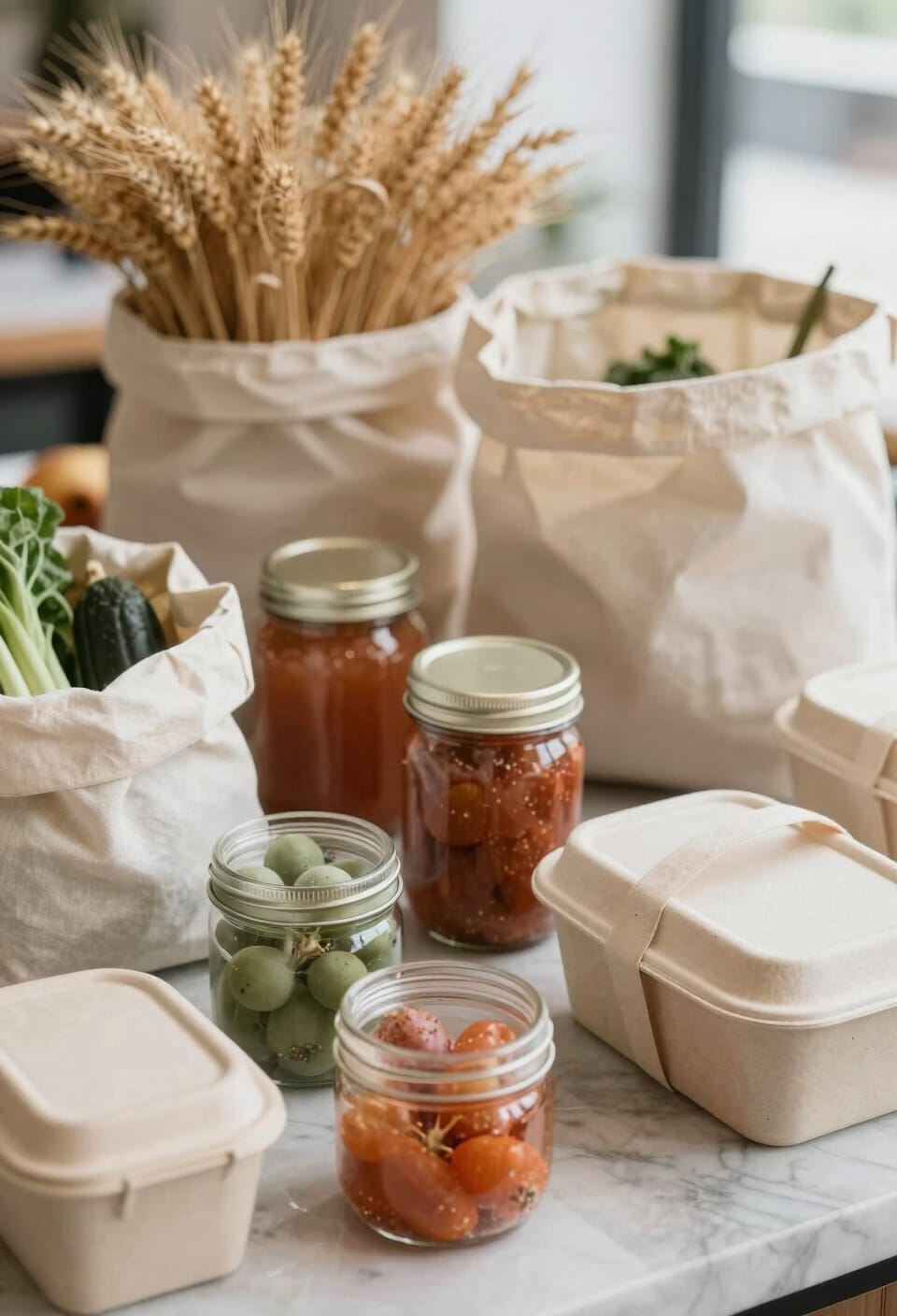
Have you ever noticed how much packaging comes with groceries? It can really add up, right? That’s why exploring local bulk options like farmers markets and Community Supported Agriculture (CSAs) makes so much sense. Not only do you get to enjoy fresh produce, but you can also cut down on waste!
When you stroll through a farmers market, it’s a totally different experience than your usual grocery store. You can fill up on fresh fruits and veggies, often with little to no packaging. Many of these markets are super welcoming when it comes to reusable bags, so don’t forget to bring yours along. Honestly, it feels good to know you’re doing something kind for the planet while supporting local farmers too.
CSAs are another fantastic way to go. They connect you directly to local farms for seasonal produce that usually comes with minimal wrapping. The best part is that by choosing a CSA that prioritizes zero waste, you’re not just getting fresh food but also playing a role in supporting sustainable agriculture. So, why does this matter? Because every bit helps, and together we can make a difference. Additionally, replacing single-use containers with compostable paper cups and other biodegradable options at gatherings complements your waste-reducing efforts.
Essential Tools for Successful Bulk Shopping: What You’ll Need

Going on a bulk shopping trip can be a bit overwhelming, right? With all those options and the goal of saving money while reducing waste, it’s easy to forget the essentials. But don’t worry; I’ve got some practical tools that’ll help make your next outing a breeze.
First up, think about your containers. Grab some reusable ones like glass jars or stainless steel bags for bulk items. These are super handy for minimizing waste. When it comes to fresh produce, cloth bags are a must for loose fruits and veggies. Avoiding plastic is key, so toss a few of those in your cart.
Now, here’s a crucial bit of advice: always weigh your containers before filling them. This gives you the tare weight, which is really important for getting accurate pricing. You don’t want to end up overpaying, right?
Another great tip? Create a shopping list before heading out. This simple step can seriously keep you focused and help steer clear of those tempting snack grabs when you’re in the store. Plus, it just feels satisfying to check things off as you go!
Lastly, think about labeling your containers. Whether you use stickers or china markers, this little step can save you from the confusion of forgetting what’s inside each jar. Frankly, it’s a lifesaver when you’re digging around in your pantry later.
Additionally, incorporating reusable and eco-friendly tools into your shopping routine not only reduces waste but supports sustainable living habits.
How to Prepare for Your Bulk Shopping Trip
Before diving into the excitement of bulk shopping, it’s worth taking a moment to get organized. Have you ever come home with stuff you didn’t even need? That’s why a detailed shopping list is a must. Start by checking your pantry; it’ll help ensure you only buy what you actually need, cutting out those impulse buys.
Try this: Bring your own containers, like glass jars or cloth bags, to carry your purchases. Many bulk stores are open to this, and it’s a great way to reduce waste. Make sure your containers are clean and label them if necessary—trust me, it’ll save you time when you’re filling them up. Also, check if the store has rules about the weight of jars before you start loading them up; it can keep your costs down.
Honestly, when you’re in the bulk aisles, it can be easy to lose track of what you’ve got in your cart. So, why not use your phone to jot down product codes and prices while you shop? It’s a little trick that can make a big difference, keeping you informed about what you’re getting as you go.
In short, prepping for a bulk shopping trip doesn’t have to be a hassle. Just a little bit of organization goes a long way. Are you ready to make your next shopping trip both smart and eco-friendly? Remember, incorporating sustainable products like reusable containers contributes greatly to reducing waste.
Mastering Tare Weights for Your Containers
Getting the tare weight of your containers right can really enhance your bulk shopping experience! Before filling your reusable containers with bulk foods, always weigh them empty. Why is this so important? Because knowing the tare weight ensures you’re only paying for the delicious contents inside at checkout!
Some grocery stores even have stickers to speed up the checkout process—no more dealing with those annoying plastic bags! A good idea is to bring clear containers with the tare weight labeled on them. Check in with store staff about their tare policies, too; different stores can have different rules. Recording the tare weight of your containers for future trips makes things even smoother next time you shop. Choosing containers made from BPA-free materials also ensures your food stays safe and fresh during your shopping trips.
Sustainability Tips for Maximizing Your Bulk Purchases
Are you looking to make your bulk shopping trips more eco-friendly? If so, I’ve got some great tips to help you maximize your purchases while cutting down on waste!
First off, don’t forget your reusable containers. Bringing glass jars or cloth bags is a simple way to reduce packaging waste. It’s all about making those plastic bags a thing of the past! You might also want to weigh and label your empty containers before you fill them up. This way, you’ll only pay for what’s inside, not the container itself.
Buying larger quantities of staples, like grains or spices, is a smart move—not just for your wallet but also for the planet. Fewer packages mean less plastic in the landfill. So, why does this matter? Well, every little bit helps when it comes to reducing our environmental impact.
Supporting local businesses can amplify your bulk buying benefits too. Places like farmers’ markets and CSAs (Community Supported Agriculture) often come with a lot less plastic and a commitment to sustainable practices. Look for those options in your area. Truth is, investing in local not only helps the environment but strengthens your community.
Additionally, think about joining community initiatives. It can be a great way to make your bulk buying even more efficient and can introduce you to new food options while fostering connections with like-minded folks.
Choosing sustainable materials for your reusable containers can further enhance the eco-friendliness of your bulk shopping routine.
Recipes for Cooking and Preserving Bulk Foods
Have you ever stared at a grocery store shelf packed with options and thought, “How am I going to make the most of these ingredients?” Bulk shopping can definitely feel overwhelming, but it’s an awesome way to stock your pantry with wholesome goodness. Cooking up meals using bulk foods like quinoa or rice allows you to get creative—pairing them with seasonal veggies gives you healthy and sustainable meal options that everyone can enjoy.
Here’s a fun idea: try canning, freezing, or even fermenting some of your favorite ingredients to help preserve your bounty. For instance, if you make a big batch of lentil stew, it’s super easy to store in reusable containers. This not only cuts down on food waste, but it also makes meal prep simpler and quicker on busy days. The best part is, you can pull out your delicious stew anytime you need a comforting meal!
And while you’re at it, think about hosting a shared cooking event with friends or organizing a plastic-free potluck. Honestly, cooking together is where the real fun happens! It’s a great way to bond and brainstorm how you can all contribute to saving the planet. Using leftover organic waste to create nutrient-rich compost is another excellent way to reduce waste and support sustainable gardening practices.
Common Challenges in Bulk Shopping and How to Overcome Them
Bulk shopping can feel like an exciting adventure, but let’s be real—it’s not always smooth sailing! One of the biggest bumps on the road can be store policies around tare weights for your reusable containers. You might find yourself having to chat with the staff just to make sure you’re getting the right measurements. Sometimes health regulations make it tricky to use your own containers at all, so scouting out stores that are flexible is essential if you’re aiming for those zero waste goals.
And let’s talk about frustration. It can be really annoying when your options are limited or when you get some resistance from staff. How do you keep your cool in those moments? Maintaining a resilient mindset helps, but finding a supportive network makes a big difference too. Surrounding yourself with folks who share your bulk shopping passion can help lighten that load.
Familiarizing yourself with different store procedures is another helpful trick. Knowing what to expect at checkout takes away a lot of stress. Think about joining community buying clubs as well! Pooling resources not only cuts down costs but can even turn shopping into a more enjoyable experience. Using heavy duty reusable bags can also make transporting bulk purchases easier and more sustainable.
Inspiring Others: Sharing Your Zero-Waste Journey
Have you ever looked at your trash can and wondered why it just keeps filling up? It can be tough to figure out how to reduce waste, but taking your zero-waste journey public can really make a difference—not just for you, but for others too. When you share your experiences online, whether it’s about a successful bulk shopping trip or a fail with a new recipe, you can inspire friends and family to take similar steps towards less waste.
Try this: start by posting photos of your visits to local farmers markets or zero waste stores. Show off those reusable containers you’re using! People often feel encouraged when they see others actively making choices that cut down on plastic. Also, share some of your go-to recipes that help minimize food waste. I mean, have you found a new way to use leftover veggies? Posting a simple veggie stir-fry recipe can inspire others to reclaim their kitchen scraps instead of tossing them out.
Truth is, social media can be an amazing space for building a supportive community. When you start conversations about sustainability, you might be surprised at how many people want to join in. So let’s share tips and cheer each other on every step of the way. Don’t underestimate the power of celebrating small victories; they all add up!
At the end of the day, if you can make these changes, why can’t everyone else? Let’s take it one shopping trip at a time. What steps could you take today to reduce your waste? Consider incorporating natural products like Diatomaceous Earth into your gardening routine, which supports eco-friendly practices without harmful chemicals.
Frequently Asked Questions
What Is the 3-3-3 Rule for Groceries?
The 3-3-3 rule for groceries guides us toward grocery organization by choosing three seasonal produce items, three staples, and three proteins. This strategy supports sustainable sourcing, meal planning, waste reduction, and local farmers while optimizing pricing strategies.
How to Buy Food Without Packaging?
Did you know that nearly 80% of plastic waste comes from food packaging? We can buy unpackaged items at local farmers’ markets and food co-ops, using reusable containers for bulk bins and seasonal produce while enjoying bulk discounts!
How to Avoid Products With a Lot of Packaging?
To avoid products with excessive packaging, let’s choose sustainable shopping options like bulk bins and eco-friendly products. Supporting local farmers, using reusable containers, and participating in Community Supported Agriculture helps us embrace mindful consumption and reduce food waste.
Do You Actually Save Money Buying in Bulk?
Absolutely, we save money buying in bulk! By leveraging cost comparison strategies, joining community buying clubs, and planning meals, we enjoy long-term savings. Plus, tracking price per unit helps develop budget-friendly habits for efficient pantry stocking.


