

Are you tired of seeing plastic waste pile up everywhere? Well, it turns out the EU is stepping up to tackle the problem with new regulations that are shaking up the single-use plastic market. They’re now requiring products, like plastic bottles, to include more recycled content—25% by 2026 and 30% by 2030. That’s a serious shift that could lead to less plastic in our landfills and more in recycling plants.
Not only that, but there’s also a push for alternatives like reusable straws and compostable bags. This doesn’t just mean big changes in how products are made; it’s prompting companies to rethink their entire approach to packaging.
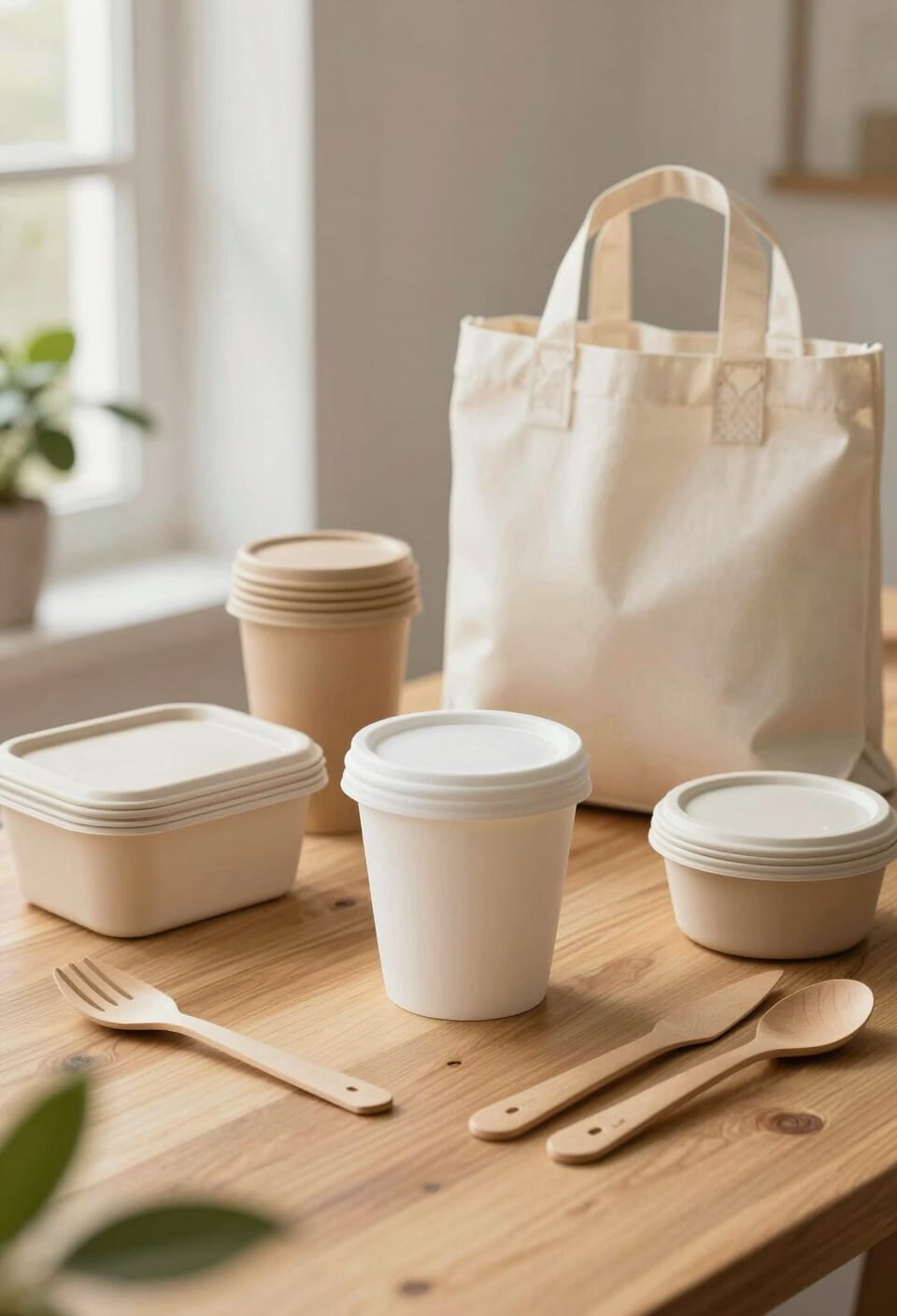
Imagine a world where your takeout comes in a compostable container instead of plastic. That’s a huge win for our planet!
So, how can you get in on this shift? Here are a few tips:
- Look for recycled content: When shopping, check labels for recycled materials. Every bit helps reduce waste.
- Choose alternatives: Opt for reusable items, like metal or bamboo straws, and ditch the plastic ones.
- Support brands with sustainable practices: Seek out companies that prioritize eco-friendly packaging.
Truth is, the more we demand sustainable options, the more companies will feel the pressure to change—and that’s a positive thing for our environment.
It’s refreshing to see how innovation in sustainable packaging is picking up pace. The best part is, not only does it help the planet, but it can also spark creativity in how we package and use products.
As these new regulations come into play, remember: every small step counts. Are you ready to make a difference in your shopping choices?
Key Takeaways
- The EU’s Single-Use Plastics Directive mandates a shift towards reusable and recyclable packaging, affecting market dynamics significantly.
- Companies must incorporate at least 25% recycled content in plastic beverage bottles by 2026, driving demand for recycled materials.
- The introduction of Extended Producer Responsibility (EPR) holds producers accountable for plastic waste management, influencing product lifecycle strategies.
- Consumer preference for sustainable products is rising, impacting market trends and encouraging brands to prioritize eco-friendly packaging solutions.
- Innovation in materials like bioplastics and compostable options is surging in response to regulatory changes, transforming the single-use plastic landscape.
Understanding the EU Single-Use Plastics Directive: Key Features

Have you ever thought about how much plastic we throw away every day? Those single-use items, like straws and cutlery, end up cluttering our beautiful beaches and oceans. That’s where the EU Single-Use Plastics Directive, often called the SUPD, comes into play. Since July 3, 2021, this directive aims to cut down on that waste.
Here’s the deal: by 2026, all plastic beverage bottles need to contain at least 25% recycled content. And guess what? They plan to increase that to 30% by 2030. Talk about setting some ambitious goals! Another important part of the directive is the collection targets. By 2026, 77% of these bottles should be collected separately. You might be wondering, why does this matter? It helps keep our environment cleaner and reduces pollution.
Producers aren’t just sitting back either. The SUPD mandates that they take responsibility for managing plastic packaging waste. This is done through something called Extended Producer Responsibility. It means companies have to ensure their products don’t just end up in trash heaps.
The best part is that there’s a push for more sustainable alternatives, paving the way for a cleaner future. Compostable materials, such as plant-based compostable bags, are gaining popularity as effective alternatives to traditional plastic. So, if you’re keen on making a positive change, now’s the perfect time to support these efforts and consider using reusable options.
Recommended Products

Sustainable Fork Set: Enjoy our all-natural 100% bamboo biodegradable forks set with 3000 reusable or disposable forks. With zero plastic packaging, our biodegradable and home compostable forks are the perfect alternative to plastic forks

ELEGANT TABLESCAPE: This Deluxe Dinnerware Wedding Value Set will bring a classy touch to your party decorations. The design is subtle and classic, making it exceedingly appropriate for weddings and any celebration. They're perfect for Banquets, Wedding Reception, Anniversaries, Engagements, Birthdays, Bridal or Baby Showers, Housewarming, Christmas & Thanksgiving Parties. They are also ideal for St. Patrick's Day, Easter, Holiday Events, Corporate Gathering, Upscale Catering and Home Dinner.
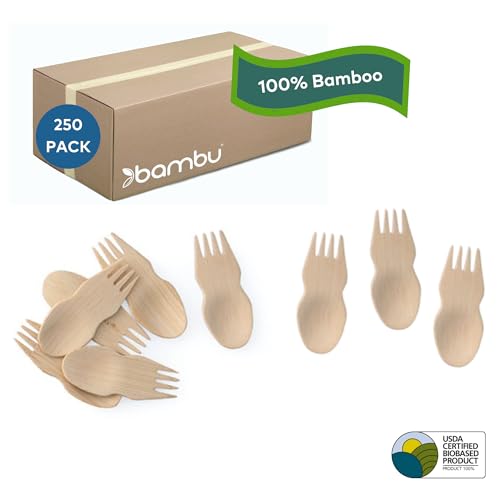
FSC-certified 100% Bamboo: Bambu makes its resuable dinnerware only from 100% bamboo which is certified annually and is an abundant renewable resource. These perfect eco friendly untesils are a step above other natural options and refrain from containing harmful chemicals and pesticides.
Key Products Impacted by EU Regulations on Single-Use Plastics
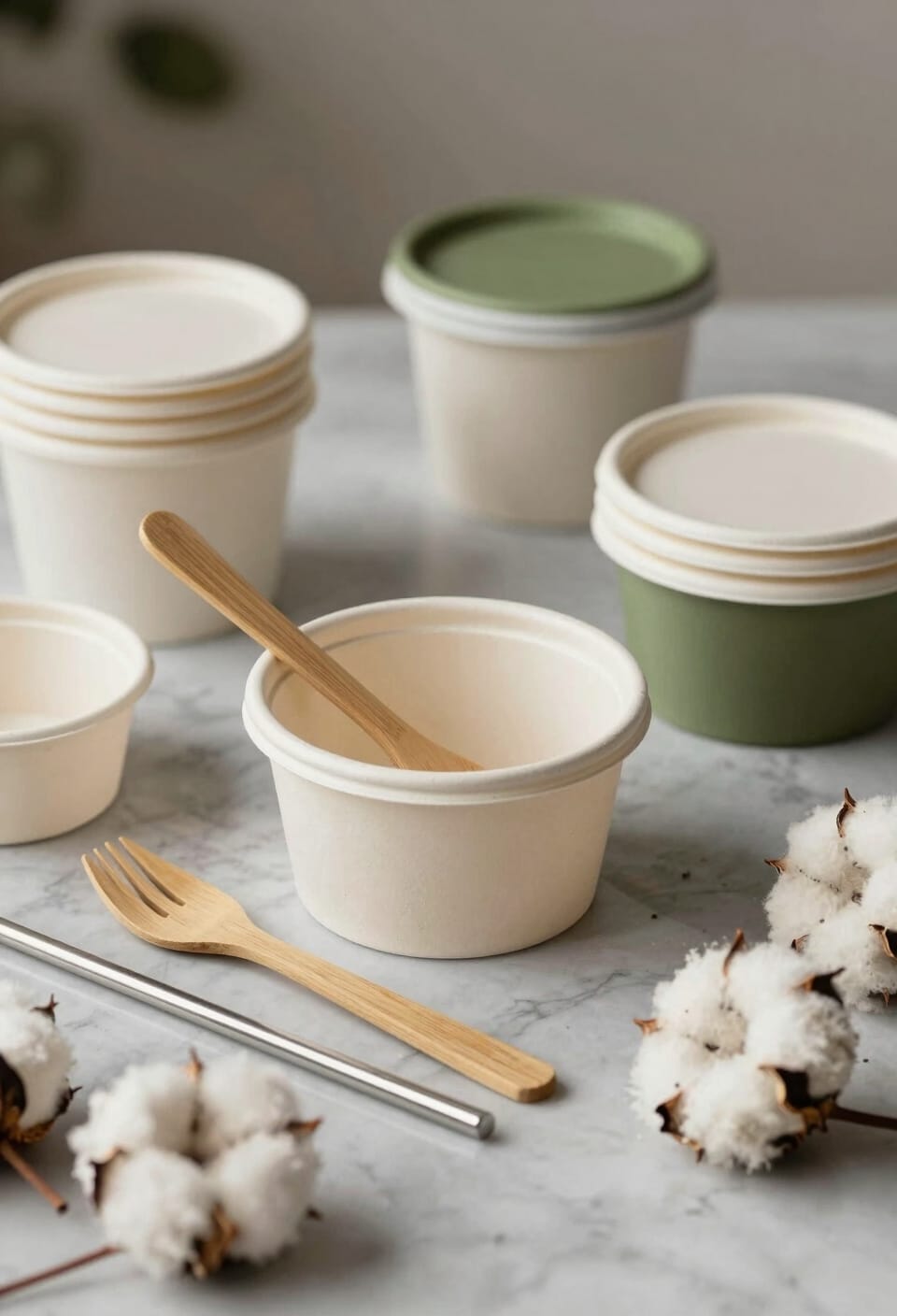
Have you ever stopped to think about how much single-use plastic you toss away every day? It’s staggering, but there’s good news on the horizon. The EU has stepped up with regulations that specifically target pesky items like plastic cutlery, plates, straws, and balloon sticks. These changes encourage all of us to switch to more eco-friendly options. It’s a step in the right direction, and honestly, it’s about time we made a change.
Take food packaging, for example. Beverage bottles are now required to include 25% recycled content by 2026, and that number will rise to 30% by 2030. You might be wondering, why does this matter? Well, it means that more of the materials we use will come from what we already have, reducing the need for new plastic production. Add to that some ambitious goals aiming for a 77% recycling rate for single-use plastic bottles by 2026, and you’ve got a plan that makes a difference.
Another crucial aspect is Extended Producer Responsibility. This approach holds manufacturers accountable for the waste their products create. It makes them think twice about their designs and pushes them to take responsibility throughout the product lifecycle.
So, what can you do? Simple: start looking for alternatives. Try carrying a reusable straw or bringing your own cutlery when you head out. The best part is that every little effort counts, and together, we can make a significant impact. Compostable alternatives like PLA-lined cups offer practical and eco-friendly options to reduce single-use plastic waste.
Recommended Products
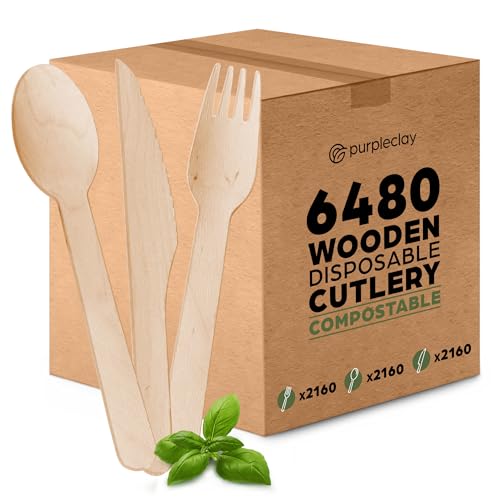
JUST AS STURDY BUT BETTER FOR THE PLANET: Our disposable utensils are splinter-free, smooth, polished, sharp, and sturdy; We don’t compromise on quality - natural doesn't mean less than perfect!

Bulk or Flatware Set: this 800-piece compostable cutlery set disposable includes 200 forks, 200 spoons, 200 knives, and 200 napkins, catering to 200 guests simultaneously; With fork and knife lengths of 7.4 inches and spoons at 6.7 inches, these reusable and washable utensils are suitable for any gathering

【3000 Value Pack】3000 forks per pack, offering great value for bulk needs.
Environmental Implications of Single-Use Plastics Targeted by EU Regulations
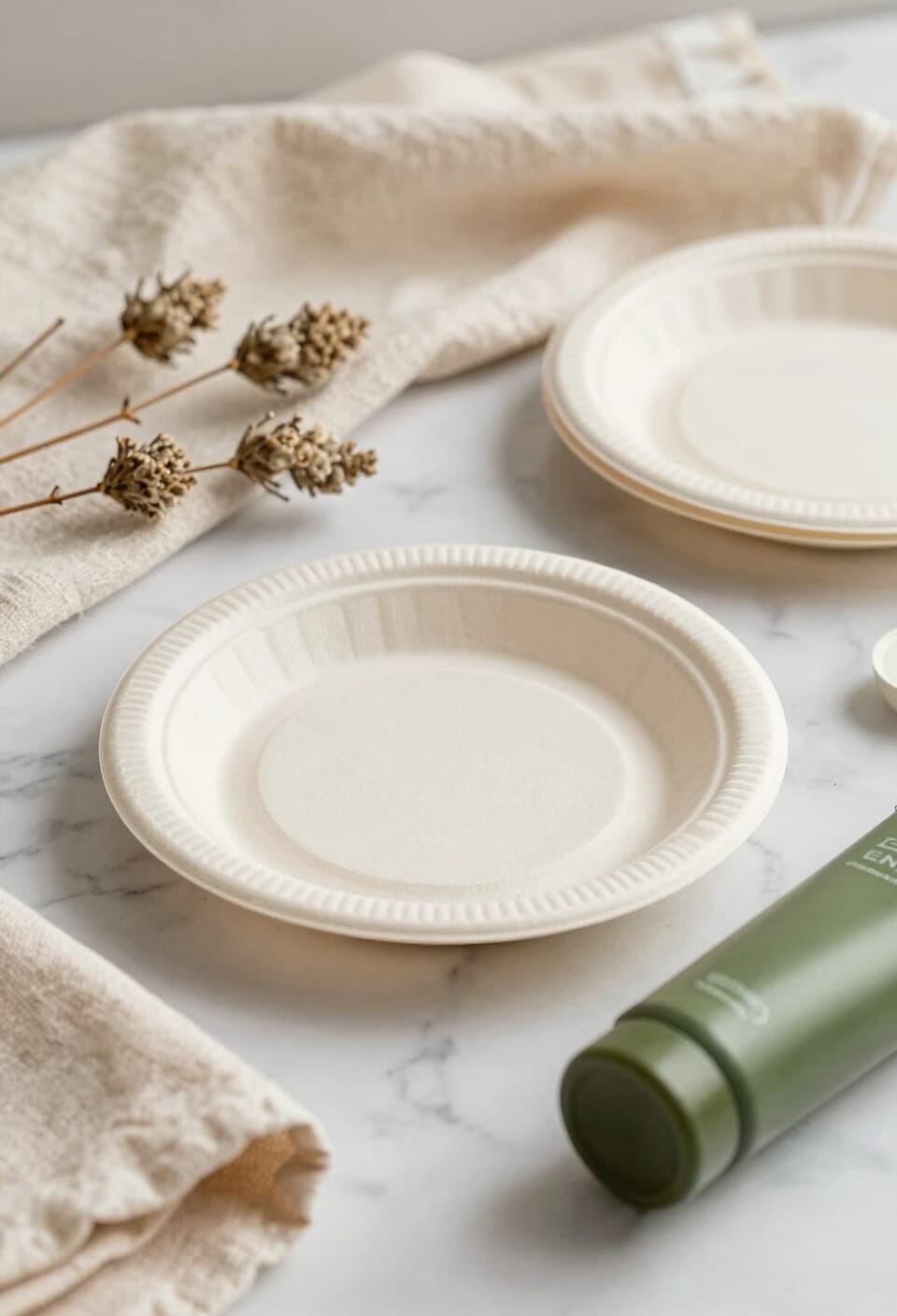
Have you ever noticed how plastic straws and cutlery seem to end up everywhere? It’s frustrating to think that these small items contribute to big problems, especially when you consider that plastic pollution is responsible for around 43% of all marine debris. The EU’s Single-Use Plastics Directive is stepping in to tackle this issue, and banning items like plastic plates is a crucial part of that plan. This could dramatically cut down on the amount of plastic waste washing up on our shores.
Here’s the trick: switching to products made from recycled materials, like bottles made from recycled PET, makes a difference too. And companies need to step up their game with Extended Producer Responsibility; this means they’re now responsible for the waste their products generate.
So, how can you play your part? Start by using reusable bags and water bottles instead of single-use plastics. It’s a simple change that helps keep our planet a lot cleaner. Honestly, it’s a small effort for you but could lead to big changes for our environment. Choosing certified biodegradable bags with ASTM D6400 certification is another effective way to reduce plastic pollution and support eco-friendly waste management.
Understanding the Circular Economy: A Key Component of EU Regulations
Ever thought about what happens to all the packaging we throw away? It’s a real issue for our planet, and understanding the circular economy is a great way to start making a difference.
At its core, the circular economy focuses on making packaging reusable and recyclable. The European Union has set some pretty ambitious goals in this area. For instance, they’re aiming for at least 25% of recycled content in plastic beverage bottles by 2026. And, they also plan to cut overall packaging by 15% by 2040. This kind of effort is crucial if we want to reduce waste and keep our environment healthier.
Here’s the trick: Extended Producer Responsibility (EPR) means that companies producing single-use plastics need to be responsible for the waste they create. This shift encourages better product design that minimizes the environmental impact. So, why does this matter? Because it’s a big step toward closing the loop on products and making sure we’re taking care of our planet.
To embrace these changes, consider making more sustainable choices in your daily life. Every little effort counts, whether it’s choosing products with better packaging or opting for reusable items instead of single-use ones. Honestly, it can be simple changes that add up to a big impact over time.
For example, switching to reusable silicone liners instead of disposable products helps minimize environmental waste and supports sustainability efforts.
Essential Compliance Steps for Businesses Facing EU Plastic Regulations
Are you feeling overwhelmed by the EU’s new single-use plastic regulations? If so, you’re not alone. Many businesses are scrambling to figure out how to adapt to these changes while still keeping their operations running smoothly. A good starting point is to take a close look at the single-use plastic products you currently have. This audit will help pinpoint where you might be able to cut back on plastic altogether.
Once you have that information, consider checking out some compliant alternatives. Options like bagasse or recycled PET can help you meet the compliance requirements by 2030. Updating your supply contracts to include specific percentages of recycled plastic and traceability can maintain your commitment to these standards.
The best part is, it’s not just about compliance—it’s also about connecting with your customers. Engaging them through educational initiatives can really make a difference. Try incorporating fun waste disposal icons on your products to promote recycling in an interesting way.
So, why does this matter? Ignoring these regulations can lead to penalties, and that’s certainly something you want to steer clear of. Proactive planning isn’t just smart; it’s essential for positioning your business as a sustainable player in the marketplace. Embracing Producer Responsibility (EPR) shows your dedication to the environment and can also enhance your brand’s reputation.
Truth is, taking these steps may seem daunting at first, but starting small can lead to meaningful change. Recap: auditing, exploring alternatives, updating contracts, and engaging customers will set you on the right path. Choosing reusable products wherever possible can further reduce plastic waste and align with EU sustainability goals. What’s your next move in this journey towards sustainability?
Recommended Products
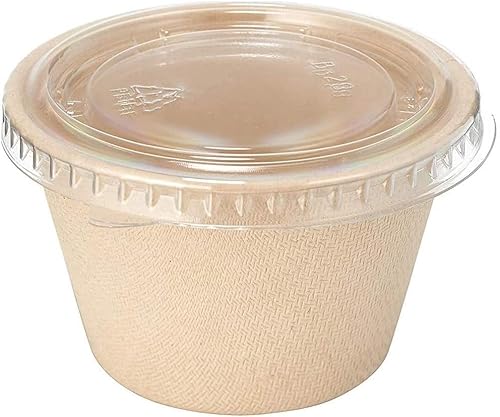
ECO-FRIENDLY AND COMPOSTABLE MATERIAL: Made from renewable sugarcane bagasse fiber, these 4 oz portion cups offer a compostable and biodegradable alternative to traditional plastic sauce containers, helping restaurants, food trucks, and catering services reduce plastic waste while maintaining dependable performance.
![[Case - 500-Pack] 100% Compostable Paper Plates with 5 Compartments Disposable - School Lunch Tray Natural White - Heavy Duty Quality Disposable Tray - 100% Biodegradable Made of Sugar Cane [8" x 10"]](https://m.media-amazon.com/images/I/515FAC9OMBL._SL500_.jpg)
5-Compartment Trays: Serve Full Meals In Convenient Style Compostable Food Trays. Providing Five Separate Compartments, The 8" x 10" Tray Keeps Food Separated, Perfect For A Main Dish, Three Sides, And A Dessert. The Compostable Food Tray Makes A Great Choice For Restaurants, Food Trucks, To-Go Orders, Special Events, And Other Types Of Food Service.

FULLY COMPOSTABLE CUP AND FIBER LID: Made from renewable sugarcane bagasse fiber, both the cup and lid are compostable, offering an eco-friendly alternative to plastic portion containers for environmentally responsible food service operations.
How Consumer Behavior Is Shifting Towards Eco-Friendly Choices
Have you noticed how fast people are turning towards eco-friendly choices these days? It’s pretty impressive! Research shows that about 66% of folks prefer supporting sustainable brands rather than the usual ones. In Europe, the number jumps to 73% of consumers who are even okay with spending a bit more on sustainably sourced products. This shift is largely driven by growing worries about plastic pollution, which we hear about all the time.
The sales of reusable items, like water bottles and tote bags, have soared by 35% lately! It’s clear many are stepping up their efforts to cut down on waste. Brands that showcase their commitment to the environment are seeing customer loyalty increase by 20%. So maybe it’s true—every little choice counts.
You might wonder, what can you do in your daily life? Here are some easy swaps:
- Choose reusable bags when shopping.
- Opt for glass or stainless steel containers.
- Skip single-use straws in favor of metal or silicone options.
Additionally, selecting bags made from durable nonwoven fabrics ensures longer use and less environmental impact.
Honestly, these changes don’t have to feel overwhelming. Little by little, every effort helps us move towards a greener planet.
In the grand scheme of things, each of us plays a part in this shift. As you explore your own shopping habits, consider how you can contribute to this positive trend. What eco-friendly swaps will you try next?
Exciting New Materials and Tech Innovations for Sustainable Packaging
Have you ever felt overwhelmed by the amount of plastic waste we produce? You’re not alone. As we dive into the world of sustainable packaging, it’s exciting to see how innovative materials are stepping up to tackle this issue!
There are some cool solutions out there, like bioplastics and compostable coatings, which are replacing traditional plastics and making it easier for our waste to break down. Ever heard of edible packaging made from seaweed? Just imagine a snack that becomes its own wrapper—talk about a neat idea!
Smart packaging is another trend to look out for. You’ll find things like sensors and QR codes on packages that track freshness and recyclability. These features not only keep you aware of what you’re buying but also encourage you to think about how to reduce plastic waste. Plus, companies are tapping into mycelium (yep, the stuff that mushrooms are made of) as a biodegradable alternative to polystyrene. It’s exciting to see how these materials and ideas are making a difference.
Truth is, with all these innovations, we’re on the path to greener packaging, making small changes that can add up over time. Using products made from biodegradable materials like beeswax candles further supports environmental sustainability. So, next time you’re out shopping, keep an eye out for these sustainable options. It’s a simple way to make a positive impact—one lunch at a time! What sustainable choice will you make today?
Recommended Products


Certified Raw - dried at under 85 degrees Fahrenheit - UnCooked, UnHeated

The Role of Extended Producer Responsibility (EPR) in Reducing Plastic Waste
Have you ever thought about what happens to that plastic bottle after you toss it in the recycling bin? It’s a real concern, especially with all the plastic waste we see piling up in our landfills and oceans. But there’s some good news out there: we’re starting to see a shift in how companies handle their packaging, thanks to something called Extended Producer Responsibility (EPR).
Under recent EU regulations, producers are now accountable for the whole lifecycle of their single-use plastics, meaning they have to think ahead—from collection to recycling. They have specific collection goals too: 77% of plastic bottles have to be collected by 2026, with that number jumping to 90% by 2029! So, why does this matter? It’s pushing companies to redesign their products to make them easier to recycle and encourage a circular economy.
You might wonder how this change affects you as a consumer. Well, when companies know they have to take responsibility for their waste, they’re likely to focus on creating better products. This not only tackles plastic waste but also boosts recycling efforts in EU Member States.
Next time you finish a drink in a recyclable bottle, realize that EPR is working hard behind the scenes to decrease waste. Incorporating plastic-free alternatives in everyday products is one way consumers and producers are contributing to this change. Isn’t it a bit reassuring to know that those small choices can add up to a bigger impact? Remember, being aware of these changes can help you make more informed choices about the products you buy and use.
Recommended Products

Canned water in eco-friendly aluminum, not plastic

ENJOY YOUR DRINKS IN STYLE: Experience the sophistication of traditional rock glasses without worrying about breakage! These plastic glasses are designed to impress, making them ideal for parties.

ADORABLE DESIGN: Featuring a clear finish, these plastic cups feature a fun mustache design to showcase flavorful drinks. Plus, the rolled rim provides a comfortable drinking experience.
Anticipating Future Trends in Single-Use Plastics Regulations and Market Impact
Have you ever thought about how much single-use plastic you throw away each week? It’s a real concern, and the good news is that changes are coming in the EU that might just help. With the Single Use Plastics (SUP) Directive in action, there are serious attempts to cut down on this waste.
Now, companies will need to step up and include at least 25% recycled content in their plastic beverage bottles by 2026. That’s a big push toward a cleaner environment. Plus, with collection targets set at 77% for the same year, we’re likely to see more places adopting deposit return schemes. You might even find yourself getting paid a little back for recycling those bottles!
What about packaging? As producers start to embrace Extended Producer Responsibility (EPR), we’re bound to see more eco-friendly packaging options popping up. It’s about time, right? Who wouldn’t want to see biodegradable forks at summer picnics? The best part is, it feels like we’re starting to take the plastic issue seriously.
So, why does this matter to you? It’s simple: these changes can mean a healthier planet for your kids and grandkids. Frankly, every little bit helps, and we all have a part to play. Whether it’s supporting brands that focus on sustainability or being mindful about your own plastic use, we can tackle this challenge together. Furthermore, adopting products certified with environmental impact considerations can help reduce chemical runoff and support soil health.
As these regulations take effect, let’s keep an eye on how they might unfold. What other changes do you think are needed to make a real dent in plastic pollution?
Frequently Asked Questions
How Can Businesses Financially Prepare for These New Regulations?
We can financially prepare by conducting a thorough cost analysis, adjusting our supply chain, implementing investment strategies, and refining budget allocation. Additionally, pricing strategies and risk assessments are essential for accurate financial forecasting.
What Resources Are Available for Compliance Assistance With EU Regulations?
Back in the day, we relied on smoke signals. Now, we’ve got compliance guidelines, training programs, industry workshops, online resources, consultation services, and even financial incentives to help us stay updated on regulatory changes.
Are There Penalties for Non-Compliance With the Regulations?
Yes, there’re penalties for non-compliance which include financial fines and increased compliance costs. We face company risk from regulatory enforcement, prompting market adaptation to avoid industry repercussions and align with legal frameworks.
How Do These Regulations Affect Non-Eu Companies Selling in the EU?
Non-EU companies face compliance challenges for market access in the EU. They’ll need product adaptations, adjust supply chains, and meet consumer awareness on environmental impact. Competitor response will be essential to staying relevant and compliant.
What Role Do Consumers Play in Enforcing These Regulations?
Consumers play an essential role in enforcing regulations through heightened awareness and demand shifts. By advocating for sustainable choices and ethical consumption, we can harness public sentiment and social media influence to fuel impactful activism and drive change.


