


Ever wondered how long eco-friendly food wraps really stick around? It’s a question many of us have as we make the switch to more sustainable choices in our kitchens.
Let’s break it down. Beeswax wraps are quite popular and typically last about six months to a year, but if you give them a little extra care, they can last up to two years.
On a similar note, plant-based wraps hold up just as well, which is great news for anyone looking to cut down on plastic use. Now, if you’re leaning more towards silicone wraps, you’re in luck! These can last for several years without losing their effectiveness.
Just remember to wash them in cold water – it’s a simple trick that goes a long way in extending their life.
So, why does the lifespan of these wraps matter? Well, investing in sustainable food storage is about more than just minimizing waste; it’s about making choices that fit into your lifestyle.
You want products that not only do the job but also hold up over time.
If you’re curious about taking care of your eco-friendly wraps or want to learn more tips, you’re in the right spot!
In the end, weighing the longevity of these options can really help you make informed decisions in your kitchen. Have you tried any of these wraps yet? What’s been your experience?
Key Takeaways
- Beeswax wraps typically last six months to a year, and may last up to two years with excellent care.
- Plant-based food wraps also last six months to a year, depending on washing frequency and exposure to heat.
- Silicone wraps can endure for several years without losing stickiness or durability, making them a long-lasting option.
- Proper maintenance, such as cold washing and avoidance of oily foods, can significantly extend the lifespan of all eco-friendly wraps.
- Signs that it’s time to replace wraps include decreased stickiness, thinning materials, and persistent odors after washing.
The Lifespan of Beeswax Wraps: What to Expect
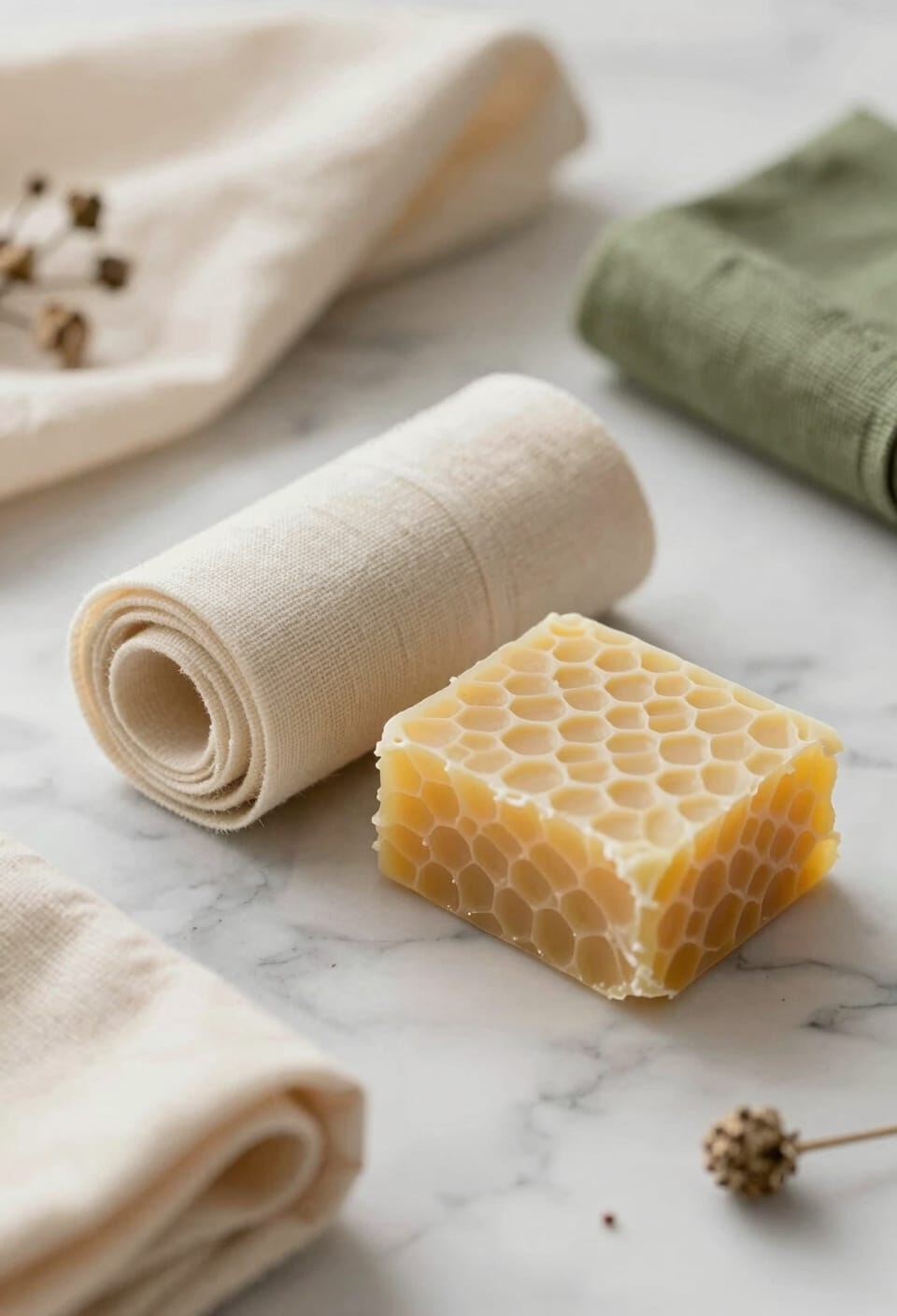
When you’re diving into the world of beeswax wraps, you might be asking yourself: just how long can I count on these little beauties to last in my kitchen? Typically, they hold up well for about six months to a year if you give them the care they deserve. If you’re really lucky and treat them right, they might even stick around for up to two years!
To keep your wraps in great shape, wash them with cold water, using a gentle soap when necessary. Just a heads up—avoid the microwave! Air drying is the way to go, and it’s also a good idea to refresh your wraps by adding some beeswax whenever you notice any flaking or loss of stickiness.
Storing them in a cool, dry place, away from the sun, is key to prolonging their lifespan. So, why is this important? By taking care of your beeswax wraps, you’re not only supporting sustainable living, but you’re also cutting down on kitchen waste, which feels pretty good, right?
Additionally, their reusability and maintenance make them an economical and environmentally friendly choice for everyday food storage.
The Durability of Plant-Based Food Wraps: How Long Will They Last?
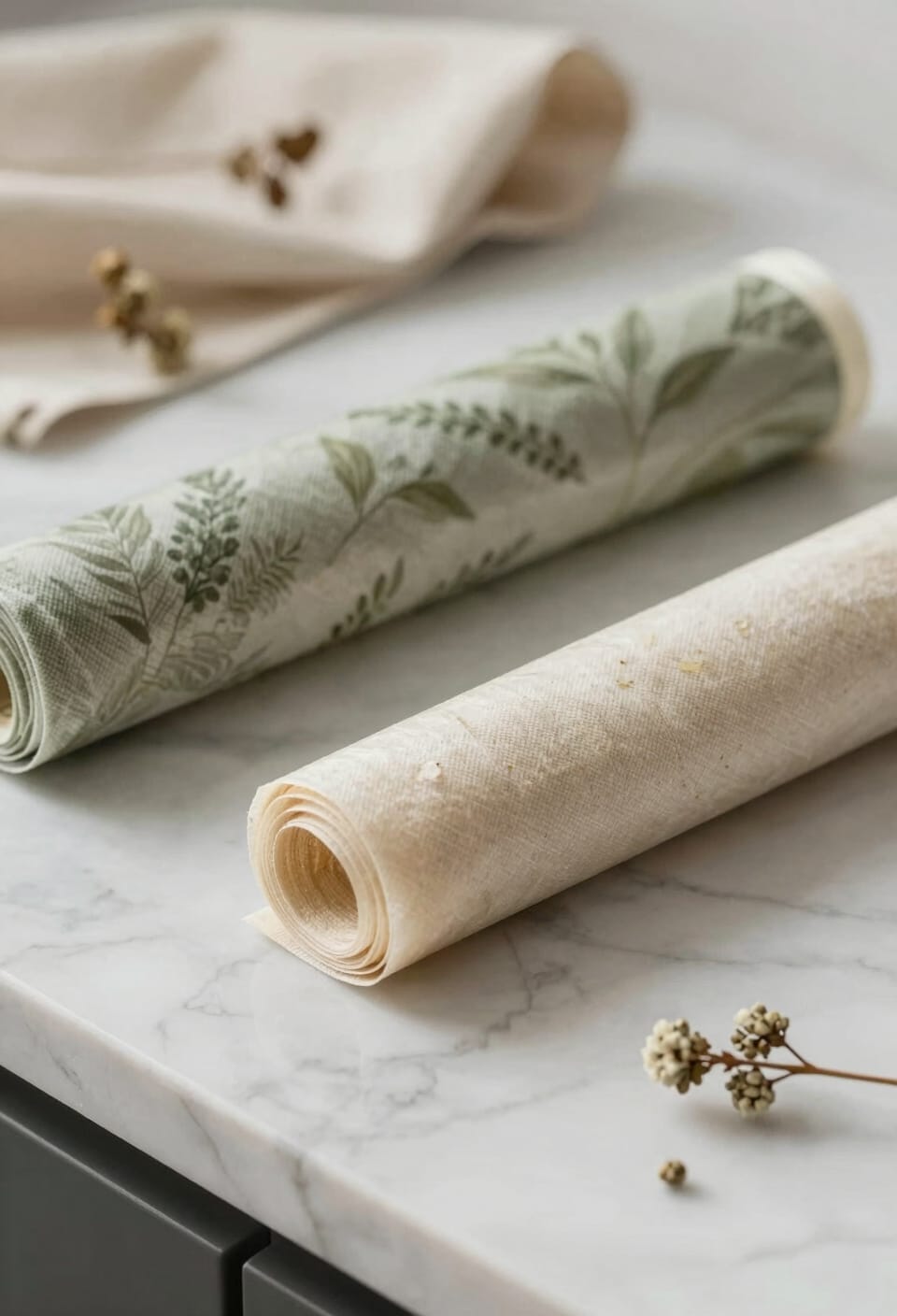
Have you ever found yourself wondering how long the plant-based food wraps you bought will actually last? It turns out that with the right care, these eco-friendly wraps made from natural materials can hang around for about six months to a year. If you wash them gently in cold water and make sure to store them in a cool, dry place, there’s a chance you could extend that life even further—beyond a year!
Frequent use can definitely take a toll, so you might want to refresh them from time to time with a bit of plant-based wax. The best part is, it’s super easy to do! Just keep an eye out for signs that they might be on their last leg—like losing their stickiness or getting thin. Sound familiar? You’d approach beeswax wraps the same way.
So, why does this matter? Well, when your wraps start to show wear, it’s a good idea to recycle them responsibly. Not only do you help keep things eco-friendly, but it’s also beneficial for our planet. It’s a win-win!
To recap, treat your plant-based wraps with a little TLC, and they can last longer than you might expect. Additionally, understanding proper maintenance can significantly prolong their usefulness. What’s your favorite way to use these wraps?
Comparing the Lifespan of Silicone and Beeswax Wraps

Have you ever wondered how long your eco-friendly wraps really last? It turns out that silicone and beeswax wraps each have their own lifespan, and knowing the difference can really help you decide which one’s right for you.
Beeswax wraps are a popular choice, lasting about 6 to 12 months. This really depends on how often you use them and how well you take care of them. To keep them in shape, you’ve got to be gentle—cold washing and avoiding high heat are a must. But here’s the catch: over time, the stickiness wears off, making them less effective for sealing up your leftovers.
On the flip side, silicone wraps can be quite impressive. With proper maintenance, they can last several years! They’re heat-resistant and can go through the dishwasher without a hitch. This means they can easily handle the demands of everyday use without breaking a sweat. Plus, they keep their stretchiness and seal much longer than beeswax wraps. Silicone wraps are typically made from BPA-free food-grade silicone, ensuring safety and durability for long-term use.
Key Factors Influencing the Longevity of Eco-Friendly Wraps
It’s frustrating when your eco-friendly wraps don’t last as long as you hoped. Knowing the factors that affect their lifespan can make a big difference in choosing the right ones.
Let’s talk about maintenance. The washing method matters! Try using cold water and a gentle soap to protect that wax coating. You’ll find that this simple step can keep your wraps in great shape longer. And consider how often you’re washing them; frequent use will lead to some wear and tear.
Storing your wraps properly is also crucial. Keep them in a cool, dark spot—no one wants their wraps getting too much sun! Also, be mindful of sticky or oily foods because they can really speed up the degradation process.
So why does all of this matter? Keeping these tips in mind can help you get the most out of your eco-friendly food wraps, allowing you to enjoy them longer and reduce waste. Additionally, choosing wraps made from biodegradable materials supports environmental sustainability.
Best Practices for Caring for Beeswax Wraps
Caring for beeswax wraps can feel a bit tricky at first, but once you get the hang of it, it’s a breeze! Start by washing them gently in cold water with a little mild dish soap. After they’re clean, rinse them well and let them air dry completely. Nobody wants mold creeping into their food, right?
Store your wraps in a cool, dark spot, away from heat and light. It really helps them last longer. Now, if they start losing their stickiness, here’s the trick: you can refresh them by gently warming them with a hairdryer—it’s like treating your wraps to a little spa day!
And don’t forget, it’s best to avoid using them with hot foods or in the microwave. So, why does this matter? Keeping your beeswax wraps in good shape not only helps your food stay fresh but also cuts down on waste. Using biodegradable dish soaps when cleaning your wraps supports environmental sustainability and avoids harsh chemicals.
Comparing the Environmental Impact of Various Wrap Types
When it comes to food storage, we all want options that are not just effective, but also kind to the planet. So, what’s the deal with beeswax wraps? They’re a sustainable choice that can last up to a year, which is pretty impressive compared to traditional plastic wrap. You’re making a positive impact just by swapping out your plastic!
Now, let’s talk about silicone wraps. These are the real champions in this game—lasting up to ten years and totally dishwasher safe! With that kind of longevity, they can really help cut down on waste over time. On the flip side, plant-based wraps last around six months to a year, meaning you’ll need to restock them a bit more often. That’s not exactly ideal if you’re trying to reduce trips to the store.
Here’s a quick comparison for you:
- Beeswax Wraps: Lasts up to 1 year.
- Silicone Wraps: Lasts up to 10 years, dishwasher safe.
- Plant-Based Wraps: Lasts around 6 months to 1 year.
- Plastic Wrap: Single-use, creates a lot of waste.
So, why does this matter? Choosing reusable wraps not only helps your wallet but also gets you closer to a Zero Waste lifestyle. Honestly, every small swap counts. If you can, give these alternatives a shot.
In the end, it’s clear we have options that are way better for the environment than traditional plastic wrap. What will you choose to wrap your leftovers in next time? Ceramic travel mugs with eco-friendly materials also offer a sustainable alternative for carrying beverages in an environmentally conscious way.
Signs It’s Time to Replace Your Eco-Friendly Food Wraps
Have you ever noticed how eco-friendly food wraps can seem to lose their magic over time? While it might be tempting to use them until they fall apart, there are clear signs that they need to be replaced.
If you find that your wraps aren’t sticking like they used to, that’s a big red flag. When they can’t cling properly, they aren’t doing their job of keeping your food fresh. Cracks or flaky wax on the surface? That’s another warning sign it’s time for a new wrap. And if you’ve washed your wrap but those funky odors just won’t go away, it’s likely absorbed too much for its own good.
Here’s something to think about: if you see holes or thin, transparent patches, that wrap is calling it quits. Keeping your food secure is so important, so don’t hesitate to swap it out when necessary!
Using airtight containers with silicone gaskets can also help extend freshness alongside your eco-friendly wraps.
At the end of the day, staying on top of your eco-friendly food wraps helps keep your kitchen organized and your food safe. When was the last time you checked on them?
Creative Ways to Repurpose Old Food Wraps
Got a mountain of old food wraps cluttering your kitchen? Before you toss those beeswax wraps out, think again! When they lose their stickiness, they can still do some pretty handy jobs. For example, they make excellent garden ties—completely compostable and eco-friendly. Isn’t it great to find a use for something that would otherwise end up in the trash?
Here’s a quick idea: cut those worn-out wraps into strips and use them as fire starters. They’re perfect for your next camping trip or a cozy evening by the fire. Plus, if you’re feeling creative, how about transforming them into bookmarks or unique storage solutions? The best part is if they still have some life left in them, you can renew them with some melted beeswax, giving them a fresh lease on life.
Wouldn’t you agree that it’s better to get a bit creative instead of letting all that material go to waste? So, before you toss those wraps into the landfill, take a moment to think about how you can give them a second chance. Just like preserving the potency of aloe vera gel by storing it properly, extending the life of your food wraps with creative reuse helps reduce waste and supports sustainability.
Which Eco-Friendly Wrap Should You Choose?
Have you ever struggled with food storage and wondered which eco-friendly wrap is the right choice for you? Let’s get into the options and what to consider.
Beeswax wraps are a solid option if you’re looking for something that lasts. With regular use, they typically hold up for about a year, but with good care, you might even stretch that to two years! They’re great for wrapping sandwiches or covering bowls, but what about heat and moisture?
That’s where silicone wraps come into play. If you need something a little more durable, these can really tackle both heat and moisture. They can last two to three years and are dishwasher-safe, which is super convenient.
Plant-based wraps are another eco-friendly choice, but they have a shorter lifespan, usually around six months to a year. They work well for quick storage but might not be the best long-term option.
If you like the idea of variety, reusable cloth wraps can add some fun to your kitchen. They tend to last about a year and come in lots of cute designs, making it a stylish choice for food storage.
Additionally, choosing wraps made from organic cotton or linen can enhance both durability and food safety, making them a reliable eco-friendly storage option.
Frequently Asked Questions
How Long Does a Beeswax Wrap Last?
A beeswax wrap typically lasts around one year with proper care. To extend its lifespan, we should follow best usage practices and cleaning tips, like avoiding hot water and renewing the wax when needed.
What Is an Environmentally Friendly Alternative to Plastic Wrap?
We can use beeswax wraps, silicone covers, or plant-based wraps as environmentally friendly alternatives to plastic wrap. These sustainable materials are reusable and biodegradable options, helping us reduce waste while keeping our food fresh.
How Long Is Plastic Wrap Good For?
Think of plastic wrap like a fading photograph; its longevity wanes over time. When stored properly, we find it best used within a year. Consider plastic wrap alternatives for more reliable food storage solutions!
What Is the Most Environmentally Friendly Food Packaging?
We believe the most environmentally friendly food packaging includes sustainable options like compostable materials and reusable solutions. By choosing zero waste alternatives, we can greatly reduce plastic usage and promote a healthier planet for future generations.


