

Plastic pollution is wreaking havoc in our oceans, and it’s affecting all kinds of marine life — from whales to sea turtles to seabirds.
Have you ever thought about how a simple plastic bag can impact these creatures? Turtles often confuse plastic bags for their favorite snack: jellyfish. And seabirds? They can pick up bits of plastic debris, thinking it’s food, which leads to serious health problems.
Fish aren’t safe either. Many fish end up swallowing microplastics, which we know can have harmful effects on their health. And guess what? It can also impact us when we eat seafood that’s been exposed to these toxins.
So, why does this matter? Our oceans are interconnected ecosystems, and the well-being of marine species directly affects our own health.
Here’s the trick to making a difference: swap out single-use plastics for reusable ones. It’s easier than you might think! Bring your own bags to the store, use a refillable water bottle, and avoid buying bottled drinks.
Also, get involved in local beach clean-up events whenever you can. Every little bit helps, and working together makes a real impact.
The best part is, being proactive about plastic pollution not only helps marine life, but it can also inspire others to do the same.
Together, we can push for a cleaner, healthier ocean. So what’s your next move? Let’s start making better choices that benefit the planet.
Key Takeaways
- Sea turtles ingest plastic bags mistaking them for jellyfish, leading to digestive issues and reduced survival rates.
- Seabirds face high mortality rates; 98% of chicks consume plastic, causing painful health problems like plasticosis.
- Fish, particularly in the Pacific, have a 35% ingestion rate of plastic, impacting their health and the entire food chain.
- Macroplastics like fishing nets entangle dolphins and whales, causing injuries and drowning risks.
- Microplastics are found in 86% of sea turtle species, posing serious threats to their health and ecosystems.
Understanding the Extent of Plastic Pollution in Our Oceans

Have you ever thought about how much plastic actually gets dumped into our oceans every single year? It’s a jaw-dropping 12.7 million tonnes. That’s a huge chunk of marine pollution that seriously impacts ecosystems. Want to know something else? Over 80% of the trash in our oceans comes from land sources. It’s mostly from littering and those annoying single-use plastics that just won’t go away.
Plastic pollution isn’t just a problem by the beach. It reaches everywhere, from the depths of the Mariana Trench to the towering heights of Mount Everest. So, why does this matter? Well, at least 267 marine species are in danger because of plastic ingestion and entanglement, and that can lead to fatal results.
Here’s the trick: we can actually do something about this. It starts with reducing how much plastic we use in our daily lives. For instance, consider swapping out single-use items for reusable alternatives. Carrying a water bottle and cloth bags can make a big difference. Plus, picking up litter when you’re out and about helps keep our oceans cleaner. Using eco-friendly alternatives in everyday products also helps reduce plastic waste and its harmful impact.
The best part is that every small action counts! By making these changes together, we’re doing our part to protect the beauty of our oceans and the wildlife that calls them home.
Marine Species Affected by Plastic Pollution: Whales, Turtles, and More
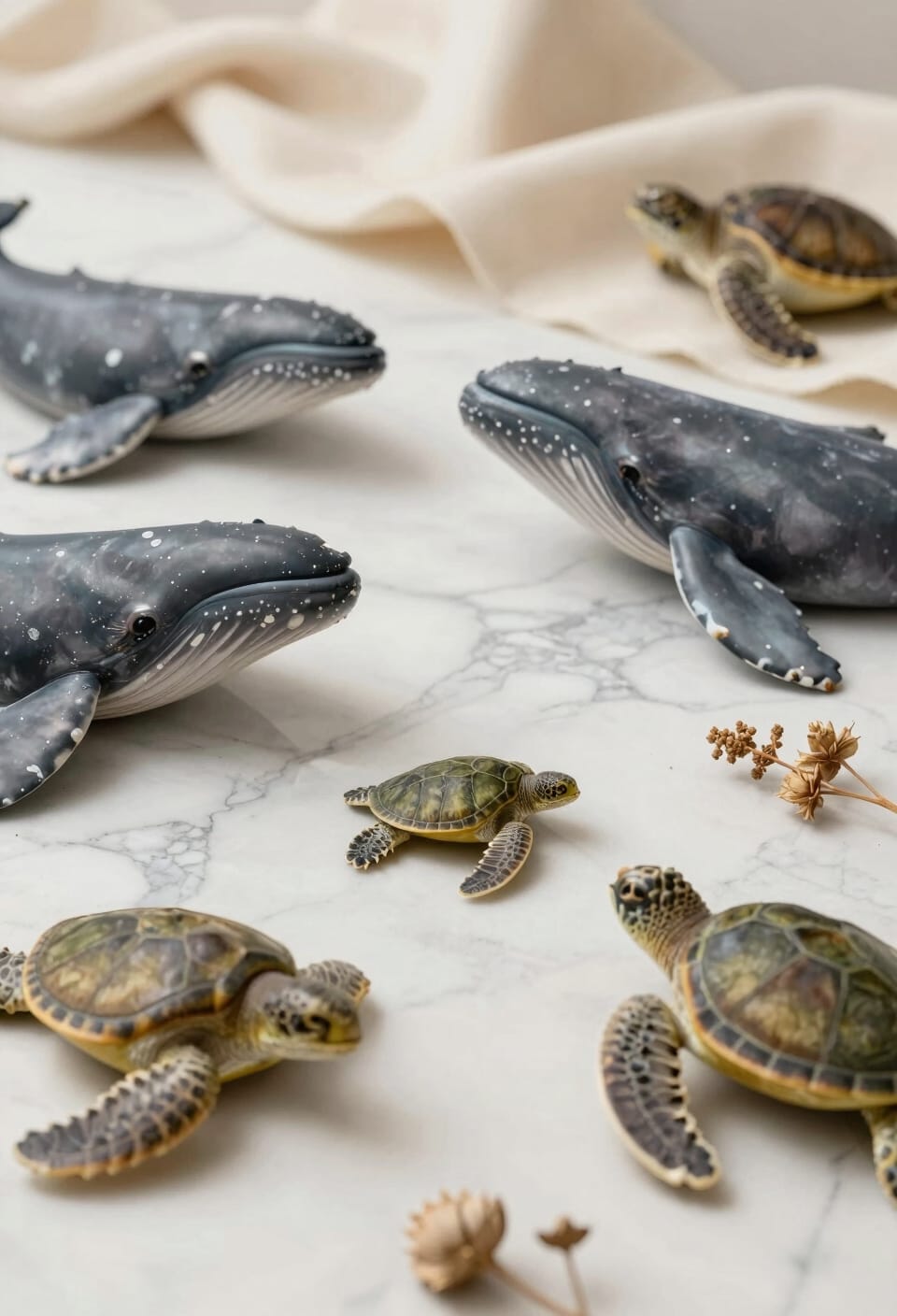
Have you ever seen those heart-wrenching images of marine animals in trouble because of plastic? It’s more than just a news story; it’s happening right now in our oceans. Whales, for instance, can get caught up in plastic debris, leading to severe injuries or even death. It’s shocking to think that over 100,000 marine mammals, including these incredible whales, suffer this fate every year.
Sea turtles aren’t any safer either. They often confuse plastic for their food, which can cause them to eat it. The result? Starvation and major health problems. Just think about it—when you see plastic bags, straws, or discarded fishing gear floating in the ocean, it’s not just trash; it’s a real threat to these beautiful creatures.
So, why does this matter? If we don’t pay attention to our plastic use, these issues will only get worse. Here are a few things you can do to make a difference:
- Reduce your single-use plastic consumption.
- Opt for reusable bags and bottles.
- Support local clean-up efforts at your beach or favorite waterway.
Many eco-conscious people are turning to sustainable materials like bamboo to reduce plastic waste.
Every little bit helps. The best part is that by making small changes in your daily life, you can have a positive impact on the ocean and its inhabitants.
You’ve seen the problem, now let’s be part of the solution. What steps are you willing to take to help protect our ocean friends?
The Harmful Effects of Macroplastics on Marine Animals

Have you ever thought about what’s really lurking beneath those beautiful waves while you’re enjoying a sunny day at the beach? It’s a bit unsettling, but macroplastics—larger pieces of plastic trash like fishing nets and food containers—are a huge concern. These discarded items seriously endanger marine animals, including dolphins and whales, which can get stuck in abandoned fishing nets. The outcome? Drowning or painful injuries, and that’s heartbreaking.
Sea turtles are another story. They often mistake plastic bags for their favorite treat—jellyfish. This confusion can lead to life-threatening health problems, including starvation. And let’s not forget our feathered friends, the seabirds, who sometimes scoop up macroplastics along with the food they eat. This unfortunate mix can result in severe blockages and malnutrition, posing a real risk to their survival.
So, what can you do about it? Here’s the trick: be proactive about cleaning up these toxic plastics. Organize or join beach clean-ups with friends or family. Every little effort counts! It’s not just about keeping our beaches looking nice; it’s about ensuring our ocean friends can thrive, not just survive.
In the end, it’s essential to recognize our role in this issue. Keeping our beaches beautiful means protecting marine life. Honestly, have you ever thought about how your actions can make a difference? Each piece of plastic picked up is one less potential hazard for these creatures. Let’s commit to making a positive impact! Using compostable trash bags for your waste is a great way to reduce the plastic pollution threatening our oceans.
Dangers of Mesoplastics to Marine Life
Have you ever considered what happens to the ocean when we toss away plastic? Mesoplastics—those annoying pieces of plastic that range from 5mm to 20mm—are causing serious trouble in our waters. Fish often confuse these plastic bits for food, leading to things like choking or not getting the right nutrients. Isn’t it heartbreaking to think that a simple mistake could harm them so much?
And let’s talk about sea turtles. They mistake mesoplastics for jellyfish, and that really messes with their digestive systems. It’s not just one species affected—seabirds that gobble up these little bits are also in trouble. The chicks of those birds struggle to grow because they’re getting contaminated meals instead of the nutrients they need. So, why does this matter? When these animals ingest plastic, toxic substances can climb the food chain, affecting other animals and, ultimately, us.
To help tackle this problem, we really need to rethink how we handle our plastic waste. It might be as simple as choosing reusable bags or making sure we properly recycle plastics. Every little bit helps.
Using eco-friendly materials instead of plastic can significantly reduce the amount of harmful debris entering marine ecosystems.
Let’s be honest here: the health of our oceans and the vibrant life within them depends on our choices today. Giving a thought to your plastic waste can make a huge difference. So, what change will you make to protect our oceans?
Microplastics: The Invisible Threat to Ocean Ecosystems
Have you ever thought about what’s lurking in our oceans? It’s not just plastic bottles and bags anymore; we’ve got microplastics joining the party too! These tiny bits of plastic, smaller than 5mm, have become a big problem for marine life. It’s pretty alarming when you realize that many of the fish we buy and eat might be packed with plastic bits. Studies show that around 35% of fish caught in the Pacific have microplastics in them.
What about sea turtles? They’re not out of the woods either. These intelligent creatures often mistake plastic for food, leading to serious issues, including being trapped in it. A staggering 86% of sea turtle species are affected by these little plastic particles. So, why does this matter? As microplastics creep into the food chain, they carry harmful pollutants that threaten marine life and, ultimately, our health. Yikes!
Here’s the trick: Be mindful about your plastic use! Try these small steps to make a big difference:
- Use reusable bags instead of plastic ones.
- Choose products with minimal packaging.
- Avoid single-use plastics whenever possible.
Truth is, every little bit helps. By getting involved in beach cleanups or spreading awareness about the impact of microplastics, we can all contribute to healthier oceans. Using alternatives like airtight glass containers can reduce reliance on plastics that often end up polluting marine environments.
Specific Risks for Sea Turtles and Their Habitats
Have you ever thought about what sea turtles go through in our oceans? It’s heartbreaking to realize they’re swimming around in a world filled with plastic. All seven species often mistake plastic bags for their preferred jellyfish snacks, which can lead to serious health issues. Imagine a loggerhead turtle that had 67 pieces of plastic in its stomach—that’s wild and alarming! Plus, plastic can entangle these gentle giants, causing them serious injuries.
When sea turtles ingest plastic, it messes with their ability to dive properly, putting them at risk for starvation or making them easy targets for bigger predators, including boats. So, what can you do to help? Reducing plastic pollution is key. Here are a few simple steps you can take:
- Choose reusable bags instead of plastic.
- Ditch single-use items when possible.
- Make an effort to pick up litter when you see it.
Additionally, switching to plastic-free alternatives like shampoo bars can significantly reduce the amount of plastic waste entering our oceans.
Every little bit helps, and if we all do our part, we can protect their habitats. The best part is that by addressing this issue, we’re not just helping sea turtles but also keeping our oceans cleaner for everyone.
Let’s wrap this up: protecting sea turtles means taking action against plastic waste. So, what steps will you take today to make a difference?
How Plastic Pollution Affects Seabird Health
Have you ever stopped to think about how plastic pollution impacts our oceans? It’s not just the sea turtles that are suffering; seabirds are also facing serious health challenges because of all that plastic floating around. Recent studies reveal that a shocking 98% of seabird chicks examined have swallowed plastic debris. That’s a huge number! This ingestion can really affect their growth and survival.
When seabirds eat plastic, they can develop painful conditions like plasticosis, which really messes up their digestion. Think about it—every year, over a million seabirds lose their lives due to this ongoing crisis. It’s heartbreaking to realize that they can even get tangled in fishing lines and nets, leading to even more disastrous outcomes.
So, why does this matter? These birds are a key part of our marine ecosystem, and their declining health impacts all of us. Here’s the trick to helping: reducing plastic waste and keeping our oceans clean. Simple actions like choosing reusable items or participating in beach cleanups can go a long way in protecting our feathered friends. Using products made from biodegradable materials can further reduce plastic pollution.
It’s on all of us to make a difference! Every small action can contribute to a larger change. The best part is, you’re not just helping the seabirds; you’re also improving the health of the entire ocean. What are you doing to reduce your plastic footprint? Let’s work together to create a healthier planet for all living creatures.
Consequences of Fish Ingestion of Plastics on the Food Chain
Have you ever thought about what’s really on your plate when you dig into a delicious seafood meal? Plastic pollution is a pressing issue, and its impact on fish is something we can’t overlook. Fish often confuse plastic for food, which can lead to them ingesting harmful substances. Surprisingly, around 35% of fish caught in the Pacific Gyre have plastic debris in their stomachs. That’s alarming, right?
When fish consume microplastics, those tiny bits of plastic can carry harmful chemicals. This isn’t just a fish problem; it affects the entire food chain, including larger predators like us! If you’re enjoying fish that’s ingested plastic, you might end up absorbing those toxins too. Truth is, that could mean some serious health risks down the line.
So, what can you do about it? Here’s the trick: be mindful when buying seafood. Look for sustainable sources. Try to educate yourself on the fish you’re eating and where it comes from. Knowing this information can help you make better choices and reduce your exposure to these harmful chemicals.
Using eco-friendly alternatives in your daily life, such as reusable shopping bags, can also contribute to reducing plastic pollution in oceans.
Next time you’re at the seafood market, think about the journey that meal took before it reached you. It’s more than just a tasty dish; it’s part of a bigger story about our environment and our health. Let’s be proactive and ensure that both the ocean and our dinner plates remain healthy. What steps will you take to make informed choices about your seafood?
Strategies to Mitigate Plastic Pollution’s Marine Impact
Did you know that discarded fishing gear can seriously harm marine life every year? Plastic pollution is a real problem for our oceans, and it’s something we can all work on together. Here are some straightforward strategies that can actually make a difference.
Try this: promote the use of reusable and recyclable materials in your daily life. Every small change can add up. Supporting a global plastics treaty is also crucial. This approach would help manage plastics from production to disposal, cutting down on pollution before it even reaches our ecosystems.
It’s important to raise awareness about issues like harmful microbeads in cosmetics. Did you know these tiny plastics can contribute to marine pollution? Pushing for government changes to ban them is something we can all get behind. Collaborating with industries and community groups is vital. When we shift perspectives together, we can adopt better practices that benefit everyone involved.
Honestly, investing in better waste management solutions can really help lessen our reliance on single-use plastics. Using eco-friendly alternatives such as silicone straws instead of disposable plastic ones is one practical way to reduce waste. Imagine a future with cleaner oceans and safer marine environments. Together, we can make that happen!
Let’s recap: each one of us has a role to play in tackling plastic pollution. So, how will you contribute to keeping our oceans cleaner?
Frequently Asked Questions
How Does Plastic Pollution Influence Marine Ecosystem Health Overall?
Plastic pollution severely harms ocean ecosystem health, leading to increased ocean acidity effects, habitat degradation, and food chain disruption. Together, we must address these issues to prevent species extinction and enhance overall ecosystem resilience.
What Are Common Sources of Plastic Pollution in Oceans?
We see the ocean’s delicate waves choked by plastic—single-use plastics, discarded fishing gear, and river runoff all contribute. Even the tiniest microplastic sources float aimlessly, spiraling into a cycle that harms marine life everywhere.
Can Plastic Pollution Affect Marine Breeding Patterns?
Yes, plastic pollution can disrupt marine breeding patterns. It affects breeding success and reproductive behaviors through habitat disruption and harmful chemical exposure, potentially altering species interactions, and ultimately threatening overall marine biodiversity and ecosystem stability.
How Does Plastic Waste Impact Coastal Communities Economically?
Plastic waste devastates coastal communities economically, hampering fishing industries and cutting tourism revenue, while increasing cleanup costs. Yet, we can combat these issues together, fostering coastal development and promoting community health through sustainable practices and awareness.
What Role Do Ocean Currents Play in Plastic Distribution?
Ocean currents, like surface currents and ocean gyres, distribute plastics, creating hotspots that connect ecosystems. These movements affect not just surface life but also deep ocean habitats, highlighting our interconnectedness with marine environments.


