


Got a busy schedule and don’t know what to eat? Meal prepping with reusable containers can really simplify your life. Let’s dive into how you can set this up easily.
First things first, you’ve got to choose the right containers. Glass or stainless steel are fantastic options—they’re tough and good for the planet. When you’re looking around, pick stackable, microwave-safe ones that have airtight lids. It makes storing and reheating a breeze.
Creating a designated prep area in your kitchen is key. It helps keep everything organized and makes the whole process smoother. Don’t forget to incorporate a smart labeling system. You want to track freshness, right? It’s frustrating when you can’t remember when you cooked that delicious stew.
Batch cooking? That’s your best friend here. Cook up a big portion of your meals and store them in your containers. This not only saves time but also means you’ll have ready-to-eat food on hand for those busy nights.
And here’s a tip: follow FIFO (First In, First Out) to avoid food waste. You’ll feel better knowing you’re not tossing out old food.
Now, let’s talk cleaning. Keeping those containers spotless doesn’t have to be a chore. They can usually go right in the dishwasher, but a little hand washing can help maintain their longevity. Just a quick scrub with soap and water does the trick.
So, why does this matter? Because with a solid meal prep system, you’re not just saving time and money; you’re also making healthier choices. It’s all about those small changes that can have a big impact.
In summary, pick the right containers, set up your space, batch cook, and keep everything clean. You’ll find meal prepping can be a simple and rewarding habit. What meals are you excited to prep this week?
Key Takeaways
- Designate a specific area in your kitchen for meal prep and store only reusable containers for easy access and organization.
- Select durable containers made of glass or stainless steel with airtight lids to maintain food freshness and reduce waste.
- Implement a labeling system to note contents and preparation dates on each container for tracking freshness and effective meal organization.
- Batch cook multiple meals at once, using stackable containers to maximize space and streamline storage while preserving meal quality.
- Regularly clean and maintain containers, using eco-friendly cleaning methods and replacing any worn-out containers to ensure long-term usability.
How to Implement Reusable Containers for Meal Prep

Meal prep can sometimes feel overwhelming, especially when you’re trying to eat healthy and not waste food. Using reusable containers can make a big difference in your kitchen. Let’s talk about some simple ways to get started.
First off, consider using sturdy materials like glass or stainless steel. They won’t leach harmful chemicals into your food, which is a real plus. When you batch cook, try storing meals in larger containers to get everything organized. Smaller, stackable containers are perfect for day-to-day meals. It’s really convenient to have a portion ready to go whenever you need it, right?
So, why does this matter? To avoid wasting food, make it a habit to label your containers with the prep dates. Follow the First In, First Out method to keep things neat—this way, you’re eating the older meals first, reducing waste and keeping your fridge tidy.
Cleaning and checking your containers regularly is also important. It’s a straightforward way to ensure they stay in great shape. Honestly, a little upkeep goes a long way toward making meal prep easier. Choosing containers made from BPA-free 304 stainless steel ensures safe meal storage and helps maintain food freshness.
Choosing Reusable Materials: Glass or Stainless Steel?

What’s better for meal prep: glass or stainless steel containers? This is a question many of us face after we decide to ditch those single-use options. Both materials have their strengths, so let’s break it down.
Glass containers are a solid choice if you’re looking for something non-toxic and microwave-safe. You can easily heat up your meals without worrying about harmful chemicals leaching into your food. And don’t forget, they can go from the oven to the freezer seamlessly. That’s pretty handy, right?
On the other hand, if you’re after something lighter and incredibly durable, stainless steel might be your go-to. These containers won’t stain or hold onto food odors—perfect for your snacks or dry goods. Just keep in mind that stainless steel isn’t microwave-friendly, so plan ahead if you need to reheat.
Both options help cut down on food waste and promote sustainable habits, which is what we’re aiming for, isn’t it? When pondering the costs, glass can actually save you money over time due to its longevity. Additionally, stainless steel containers often feature airtight seals that ensure food freshness and prevent spills, adding convenience to your meal prep system.
Key Features for Effective Meal Prep Containers
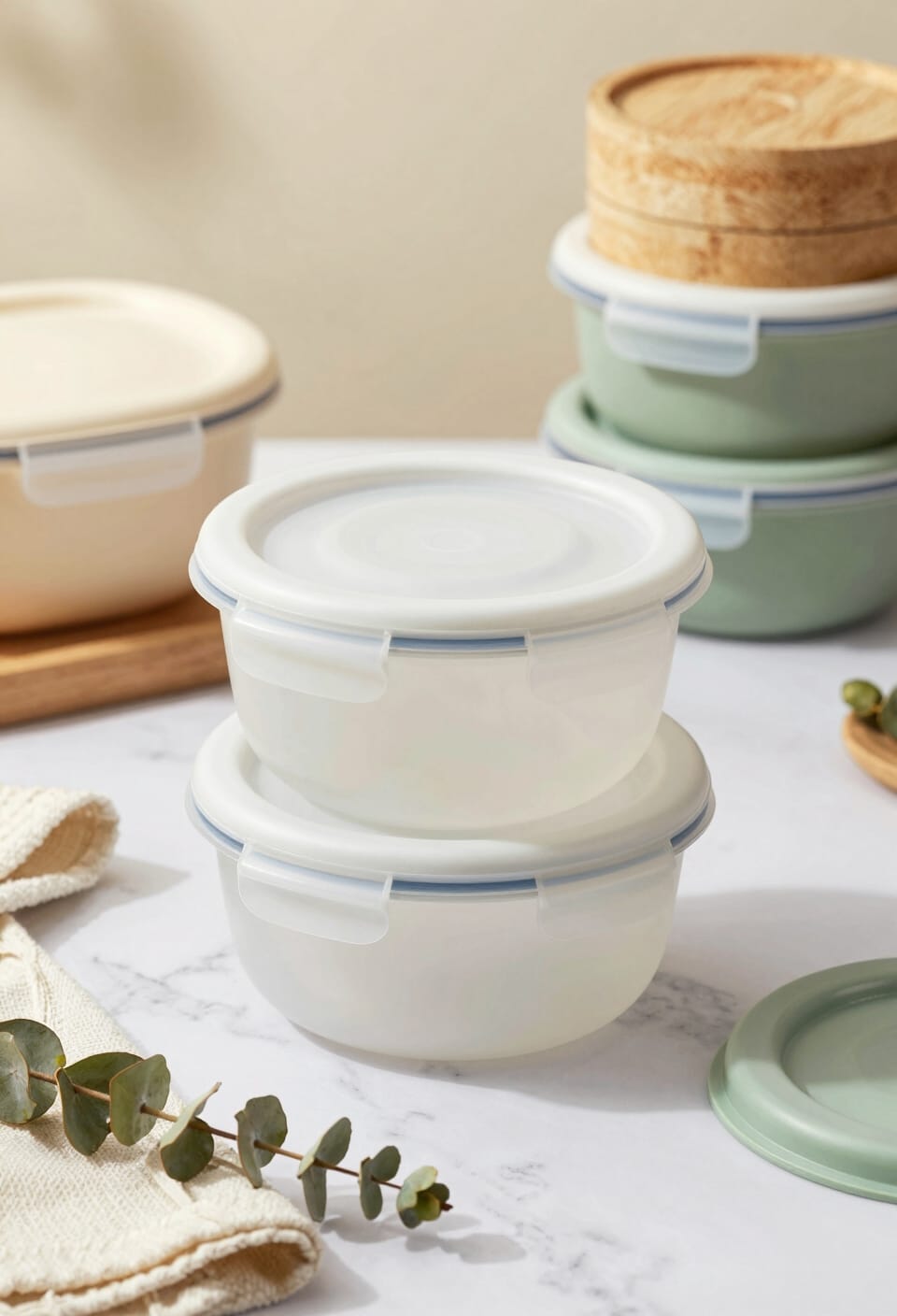
Meal prepping can feel overwhelming, right? But with the right containers, it doesn’t have to be! Choosing the right containers can seriously simplify your kitchen adventures.
First, look for materials that are durable. Glass or BPA-free plastic is your best bet for containers that will hold up over time. You don’t want flimsy options that crack or warp after a few uses.
Stackable designs can also be a game changer. They maximize fridge or pantry space, making everything look tidy and organized. Nothing’s worse than a messy fridge when you’re trying to find that perfect meal.
Airtight lids are essential, too. These help keep your meals fresh longer and, believe it or not, they prevent leaks which can save you from serious kitchen messes. You might think, “Is it that important?” Well, if you’ve ever opened a container only to find your meal has spilled everywhere, you’ll know exactly what I mean.
For portion control, consider divided containers. They let you mix and match your favorite foods without any hassle. It’s a simple way to ensure you’re not overloading your plate, and you can enjoy a bit of variety at the same time.
Also, keep an eye out for microwave-safe options! They make reheating a breeze, so you can go straight from the fridge to the microwave without transferring everything to another dish.
Lastly, opt for containers that are safe for the freezer and dishwasher. This will save you time on clean-up, allowing you to focus more on what you love—cooking and enjoying good food!
Additionally, choosing containers made from borosilicate glass ensures resistance to staining and thermal shock, making them ideal for versatile meal prep needs.
How to Organize Your Kitchen for Meal Prep
What if I told you that a well-organized kitchen can make meal prep feel like a breeze? Imagine opening your cabinet and everything you need is right there at your fingertips. To make this a reality, start by carving out a dedicated space for meal prep essentials—think containers, utensils, and all those ingredients you love to use.
Using stackable, clear containers is a lifesaver when it comes to maximizing space. You can easily see what you’ve got, which really helps cut down on food waste. Another tip? Set up a labeling system. Marking what’s inside and when it was prepared keeps everything fresh and lets you use up what you have before it goes bad. Plus, try grouping containers by size. Small for snacks, larger for batch cooking—this little tweak can save you so much time when you’re in the zone.
And let’s not forget about the importance of regular storage audits. Take a moment to clean out your fridge or cabinets now and then. Toss out anything broken, expired, or just plain annoying to deal with. Keeping things tidy is key for hygiene and ease. So, why does this matter? Because a neat space helps you focus on what really counts: cooking delicious meals!
In addition, choosing containers made from durable borosilicate glass can enhance your meal prep system by ensuring your storage solutions withstand temperature changes and remain long-lasting. In the end, preparing your kitchen for meal prep can actually elevate the whole experience. Start small, stay organized, and enjoy the process. What’s one thing you could organize today to kick things off? Happy prepping!
Batch Cooking Basics: How Can You Maximize Your Meal Prep Efficiency?
Feeling pressed for time between work, school, and family commitments? You’re not alone! Cooking every day can turn into a real challenge. That’s where batch cooking steps in. By preparing multiple meals in one go, you could save yourself about four hours each week. Plus, planning your cooking sessions around the perishable items in your fridge can help reduce food waste.
To streamline your meal prep, stackable and labeled reusable containers can make a big difference. They simplify storage and ensure you grab the oldest meals first—nobody wants to end up with last week’s leftovers! You can use larger containers for big meals and smaller ones for snacks or lunches. It makes portion control way easier. And if you freeze any extras, it’s like having a handy stash of meals waiting for you.
So, what’s the best part? It not only saves time but also keeps your meals organized and fresh. If you’re wondering whether this is worth the effort, think about all those nights when cooking sounds like a chore. Isn’t it nice to just reach for something tasty that’s already ready to go? Using eco-friendly reusable containers also supports sustainability by reducing the use of single-use plastics.
Storage Techniques to Keep Foods Fresh After Batch Cooking
Have you ever opened your fridge, only to find your batch-cooked meals looking less than fresh? It’s a common issue, but the way you store those meals can really help maintain their taste and quality over time.
Try using glass containers with airtight lids. They do a fantastic job of sealing in freshness. Plus, consider separating your meals into single-serving sizes. This way, you won’t have to keep opening the same big container, which can let air in and spoil your food faster. And don’t skip on labeling! Mark each container with the date it was prepared; this little step makes it so much easier to keep track and cut down on food waste.
When it comes to fresh herbs, go the extra mile. Wrapping them in damp paper towels and putting them in breathable glass containers can help them stay fresh longer. So, why does this matter? Fresh herbs can really elevate your meals, and nobody likes throwing them out just because they wilted.
And about those leftovers you’ve cooked up—freezing meals in smaller containers is a smart move for easy thawing later on. Trust me; it keeps the quality high when you’re ready to heat them up again.
In short, thoughtful storage makes a big difference in maintaining the freshness of your meals. What are your go-to tricks for keeping food fresh?
Labeling and FIFO: How to Reduce Food Waste Smartly
Ever opened your fridge and felt a wave of confusion when faced with a mystery meal hiding in the back? Yeah, we’ve all been there. That’s why labeling your containers and practicing the FIFO (First In, First Out) method can be a total lifesaver. By sticking a label on your meal prep containers with the prep date, you’re not just keeping track of freshness—you’re making sure you eat those older meals before they just slip away into the depths of your fridge.
This simple approach not only cuts down on food waste but also keeps your ingredients in good shape for longer. Plus, there’s a financial perk! Did you know a family of four can save about $500 a year just by being a bit more organized? Who couldn’t use an extra $500?
Here’s the trick: get a bit creative with your meal prep! Turn it into a fun little challenge to see how quickly you can use up what’s already there. Prioritize what’s in your fridge and rotate your reusable containers so your meals have a cozy, organized space. It can be satisfying, and a lot less stressful!
So, why does this matter? It’s about making your life easier while also being mindful of your budget and the environment. You get to enjoy fresh meals without the guilt of wasted food. Honestly, who wouldn’t want that?
In the end, a little labeling and smart organization can go a long way in keeping your fridge tidy and your wallet happy. Choosing durable and machine washable containers also helps maintain hygiene and ensures your system lasts.
So, what will you do the next time you open that fridge door?
Cleaning and Maintaining Your Reusable Containers for Longevity
Ever notice how those reusable containers seem to lose their charm over time? You’re not alone! Keeping them clean and well-maintained can definitely stretch their life—and it’s simpler than you might think.
First off, don’t reach for that steel wool or abrasive scrubber. Instead, stick with non-abrasive sponges and mild detergents for your glass and stainless steel containers. Trust me, scratches can make them look worn out pretty quickly and no one wants that! For all those plastic containers hanging out in your kitchen, checking for wear and tear regularly is a must. You want to make sure they’re safe for your food, right?
Got some tough stains? Here’s the trick: mix baking soda and water into a paste and use it on the stained area. It works wonders! After cleaning, consider rinsing your containers with white vinegar. It not only neutralizes odors but also keeps them smelling fresh—and who doesn’t want that? Just remember to let them dry completely. Moisture buildup is a recipe for disaster.
When you store them, try keeping the lids on, but don’t seal them tightly. This helps you stay organized and prevents any funky smells from creeping in.
Using biodegradable sponges during cleaning can help maintain your containers while being gentle on the environment.
Simple steps can really lead to containers that last a long time! What’s your go-to method for keeping your kitchen items fresh?
Frequently Asked Questions
What Is the 3 3 2 Meal Prep Method?
The 3 3 2 meal prep method’s all about efficient meal planning. It combines batch cooking with recipe variation for diverse nutrition. We save time, enhance portion control, and streamline grocery lists while organizing our kitchens effectively.
What Type of Container Is Best for Meal Prep?
Think of our meal prep journey as a treasure hunt; glass containers hold the jewels of freshness, while stainless steel and silicone bags provide portability and adventure. Choosing BPA-free, stackable, microwave-safe, and freezer-friendly options guarantees we succeed!
Why Should You Not Store Food in Plastic Containers?
We shouldn’t store food in plastic containers due to health risks like chemical leaching, especially with non-BPA-free materials. Choosing reusable options or alternative containers guarantees food safety and reduces our environmental impact over long-term storage.
How to Make a DIY Airtight Container?
To make a DIY airtight container, we can use glass jars with rubber seals, vacuum sealing for added freshness, and eco-friendly materials like beeswax wrap. Let’s choose appropriate container sizes for effective food preservation.


