
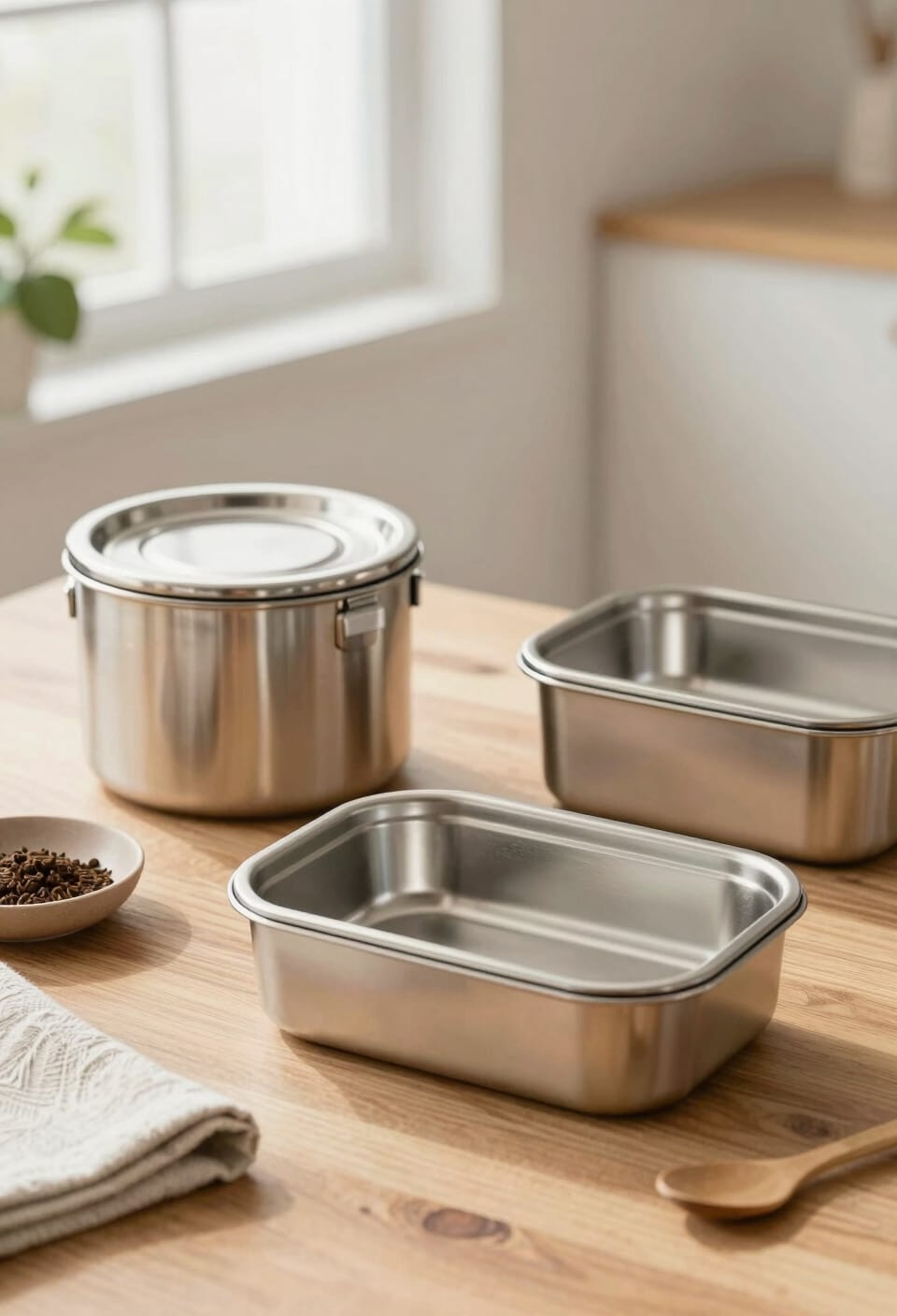

Do you ever wonder what’s really in the containers you use for food storage? It’s a fair question! When it comes to stainless steel, not all of it is created equal, and the quality matters, especially for food safety.
So, how do you tell high-quality stainless steel apart?
Look for containers made from AISI 304 or AISI 316 stainless steel. These specific grades are less likely to rust and won’t leach harmful metals into your food—huge plus, right? It’s also smart to examine the surfaces. Go for smooth, non-porous finishes that give you peace of mind. Check for certification marks like FDA or NSF! That way, you know you’re making a safe choice.
Here’s a neat trick: try using a magnet when you’re shopping. Good stainless steel is generally non-magnetic. So if the magnet sticks, keep looking!
Caring for these containers is key to keeping them in tip-top shape. Use mild soap and a soft cloth to clean them—this will help maintain their shine and ensure they stay food-safe.
So, why does all this matter? The right stainless steel can make a big difference in your food storage and your overall health.
Remember, it’s about making choices that benefit you!
In the end, investing in high-quality stainless steel for food storage is worth it. You deserve safe and reliable storage options! What’s your go-to method for keeping your food fresh?
Key Takeaways
- Look for food-grade stainless steel grades like AISI 304 or AISI 316, known for their corrosion resistance and safety in food storage.
- Check for certification marks from organizations like the FDA or NSF International to ensure the container meets hygiene standards.
- Conduct the magnet test; non-magnetic stainless steel typically indicates higher quality and durability.
- Inspect for a smooth, non-porous surface that prevents bacteria growth and is easy to clean without damage.
- Choose heavier containers with well-finished surfaces, as quality stainless steel is often more durable and resistant to dents and scratches.
Understanding Food-Grade Stainless Steel: Why It Matters
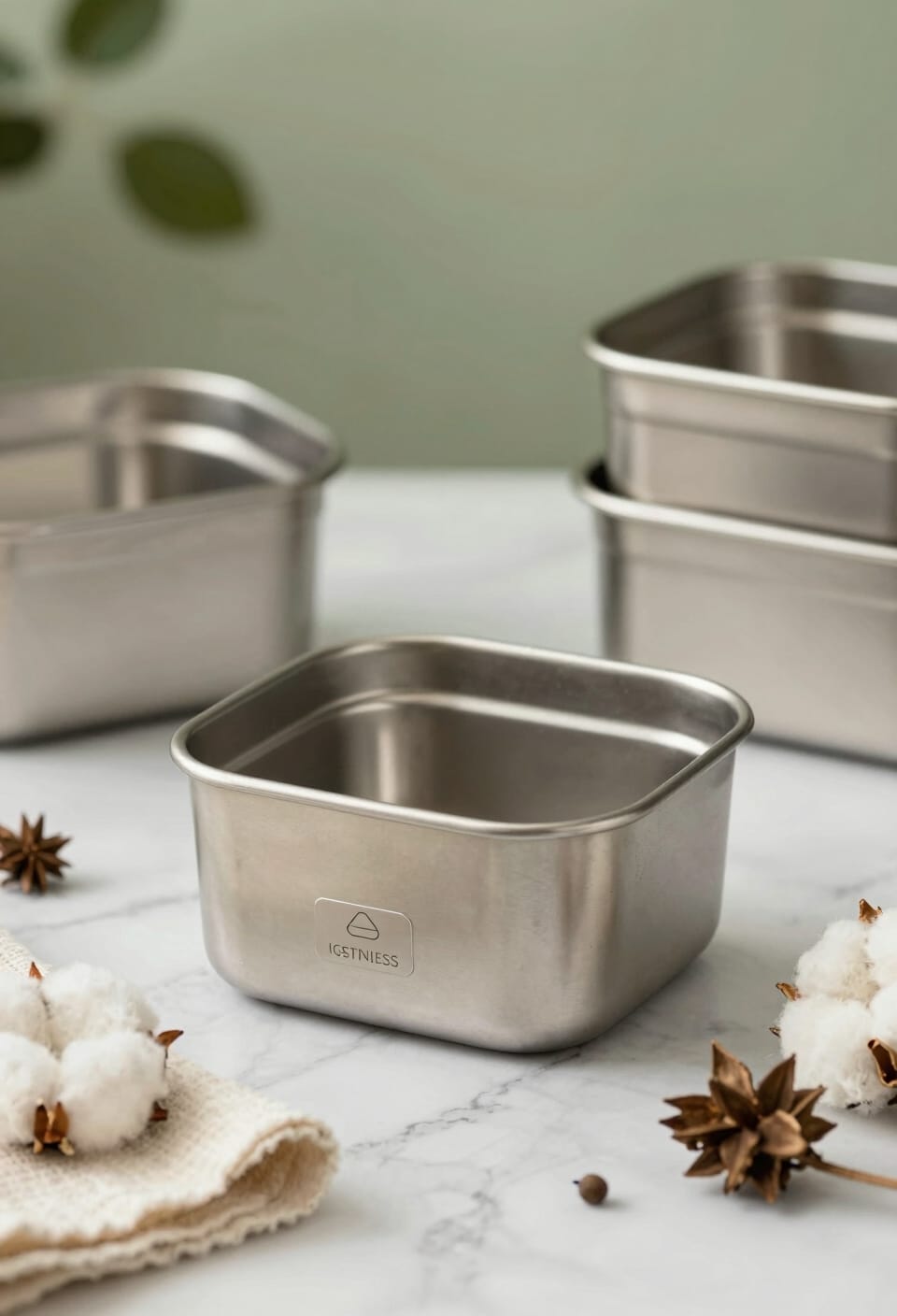
When it comes to food storage, have you ever thought about what kind of stainless steel you’re using? It might not be top of mind, but knowing what qualifies as “food-grade” is really important! Food-grade stainless steel, particularly grades 304 and 316, is designed with high levels of chromium and nickel. These elements provide great resistance to rust and corrosion, which is exactly what you want for storing food—especially acidic items like tomatoes.
So, why does this matter? Well, you want your stainless steel to meet strict hygiene standards. Containers that are truly food-grade won’t leach harmful metals into your meals, which is a huge plus. When shopping for containers, look for certifications from recognized organizations like the FDA or NSF International, just to ensure that they’re safe to use.
And here’s a thought—nobody wants harmful coatings in their cooking supplies, right? It’s always better to play it safe, so keep an eye on what you’re buying. The best part is that by making informed choices, you can confidently cook and store food without worrying about safety.
Choosing a lunch box with BPA-free materials further guarantees that your food storage is free from harmful chemicals.
To wrap it up, choosing the right food-grade stainless steel can make a big difference in your kitchen. Have you checked your food storage items lately? Happy cooking!
Key Characteristics of High-Quality Stainless Steel Containers

Choosing the right stainless steel containers can feel a bit overwhelming, right? But don’t sweat it—I’ve got some tips that can make this easier for you!
First off, make sure you’re picking food-grade stainless steel. Look for something like AISI 304 or AISI 316; these types resist corrosion like champs. You want containers that don’t stain or bend, even if they’re heated up or scrubbed down hard. What about the surface? It should be smooth and non-porous to keep everything clean and bacteria-free.
Worried about quality? Check for certification marks like FDA or NSF International. Those little stamps can tell you a lot! Here’s the trick: do a simple magnet test. If the magnet doesn’t stick, you’re likely dealing with high-quality stainless steel.
Also, selecting containers with airtight seals using silicone lids helps maintain freshness and prevents spills, making them a smart choice for food storage.
Choosing Between AISI 304 and AISI 316 for Food Safety
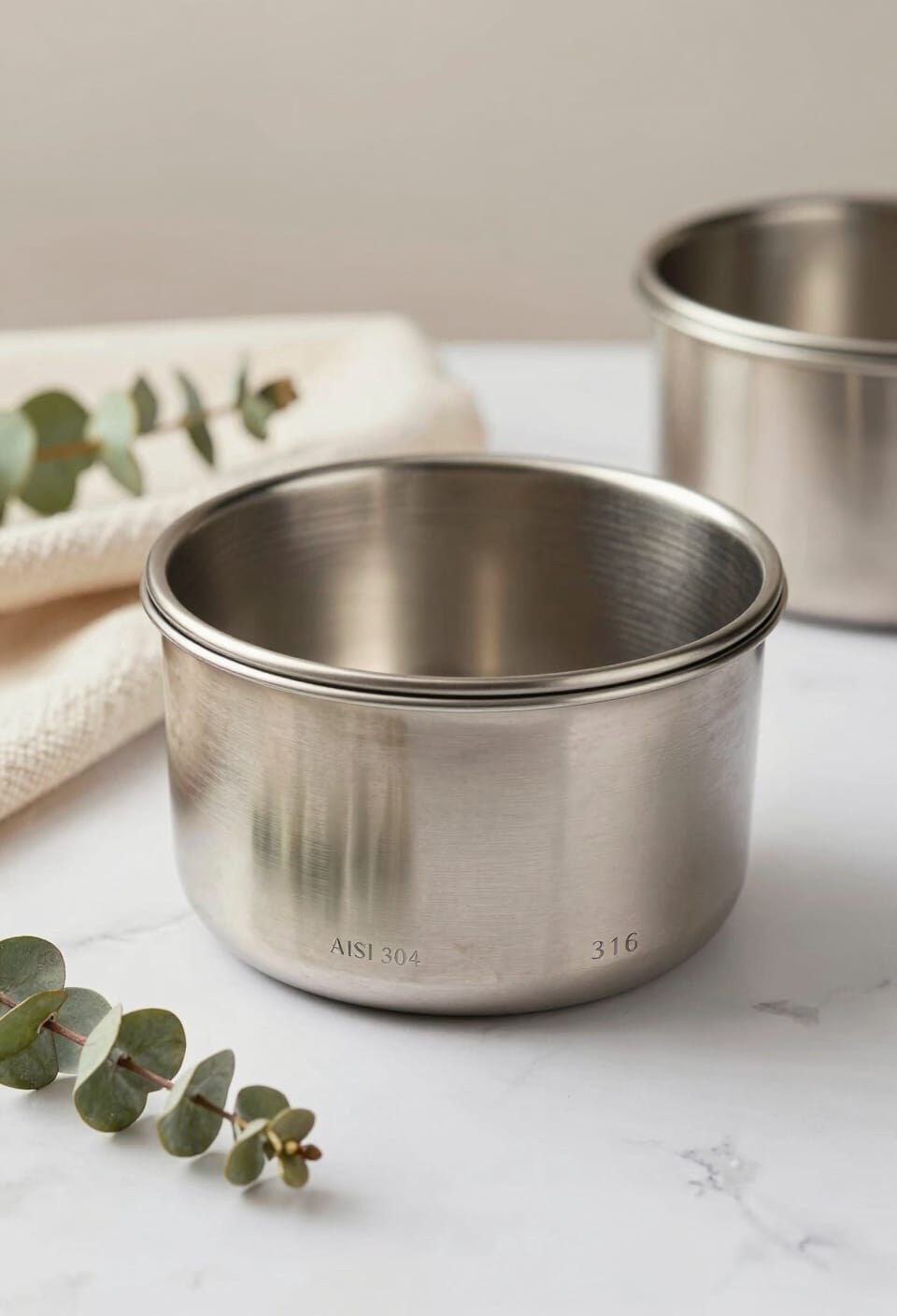
Trying to decide between AISI 304 and AISI 316 stainless steel for your food storage can feel like a bit of a puzzle. What you really need to think about is the kinds of food you’re storing. AISI 304 is generally reliable for most foods with solid corrosion resistance. However, if you’re dealing with acidic or salty items, AISI 316 is the smarter pick—its higher nickel and added molybdenum content make it way tougher against pitting.
Let’s break it down a bit. AISI 316 is perfect for those crazy busy kitchens or even if you’re near the ocean. It holds up better where the conditions get rough, so if you’re working with more challenging ingredients, it’s a much better choice. Both types of stainless steel are food-grade and non-magnetic, making them easy to identify.
Here’s the thing to remember: investing in AISI 316 is often worth it for long-term durability and high performance. So, ask yourself—what’s your kitchen environment like? Are you keeping things simple or do you need that extra toughness? Whatever you choose, make sure it fits your needs! For optimal safety and durability, look for food storage that uses 18/8 stainless steel, a material also commonly used in high-quality vacuum insulated bottles.
Why Seamless Designs Matter for Your Food Storage
Have you ever thought about how the design of your food storage containers affects your family’s health? Seamless designs might not be the first thing that comes to mind, but they can really make a difference in your kitchen.
Choosing seamless stainless steel options can keep harmful bacteria from setting up shop in tiny gaps. This means that your food stays safer, and that’s something we can all appreciate. Not to mention, these containers skip the toxic adhesives, so you can feel good about what you’re serving your family.
Cleaning these containers is so easy too. There’s no need to worry about seams getting damaged when you toss them in the dishwasher. They simply last longer and look great over time.
So, why does this matter? These seamless designs also ensure that harmful substances aren’t leaching into your food, so you can feel confident knowing you’re meeting food safety guidelines. Plus, with their high resistance to wear and tear, investing in these types of storage means that your food can stay fresh and tasty for longer.
The best part is, when you opt for seamless stainless steel storage, you’re making a choice that’s better for both your health and convenience. Many of these containers are also made of food-grade 304 stainless steel, which ensures durability and safety.
So, next time you’re on the hunt for food storage, keep these options in mind—it could make all the difference! What’s your go-to container for keeping your food fresh?
Essential Tests for Food-Grade Stainless Steel Quality
Are you tired of buying cookware that just won’t stand the test of time? Knowing how to pick quality food-grade stainless steel can save you from kitchen headaches. Start by doing the magnet test; true austenitic steels like 304 and 316 won’t stick to a magnet. If it does, that’s a red flag!
Next up, try a vinegar soak test. If you notice a metallic smell after soaking, it might be best to put that pot back on the shelf. Look for markings like “304” or “316” on the bottom; these tell you the metal meets food-grade standards and has good corrosion resistance. A smooth, non-porous surface is also key—it keeps bacteria at bay and makes cleanup a breeze.
And let’s not forget to consider lingering odors. If something smells off, it could mean the stainless steel is of lower quality or has some unwanted coatings. When you keep these simple tests in mind, you’ll feel a lot more confident picking out kitchen gear that’s safe for your meals!
Additionally, choosing stainless steel with scratch-resistant surfaces ensures durability and long-lasting appearance in your cookware.
Tips for Maintaining Your Stainless Steel Food Containers
How often do you find yourself tossing out stainless steel containers because they just don’t hold up? It’s frustrating when you want them to last, but there’s definitely ways to keep them in great shape!
To start, washing them regularly with warm water and a gentle dish soap goes a long way. Harsh cleaners might seem tempting, but they can really damage that important protective layer. And when it comes to scrubbing, opt for a soft sponge or cloth instead of those metal brushes. This simple switch helps prevent scratches that could lead to pesky hygiene issues.
You should also keep an eye out for wear and tear. If you spot any discoloration, that can be a sign something’s not right! Plus, storing your containers in a dry place is key—it keeps moisture away and helps prevent rust.
Want an extra tip? Consider electropolishing your containers; it adds resistance against bacteria. This little trick can make a big difference!
Also, choosing containers made from high-quality 18/8 stainless steel ensures rust resistance and durability, which contributes to long-lasting food storage.
Simply put, by following some straightforward maintenance steps, you can keep your stainless steel containers looking and functioning well for years to come. So, are you ready to give your containers the care they deserve?
Frequently Asked Questions
What Is the Best Grade of Stainless Steel for Food Storage?
When we talk about the best stainless steel for food storage, it’s Grade 316! With exceptional corrosion resistance, it exceeds food safety standards. Let’s remember maintenance tips and follow precise purchasing guidelines for ultimate protection!
How to Tell if Stainless Steel Is Food-Grade?
To tell if stainless steel is food-grade, we should check for material certification, like FDA compliance. Additionally, ensuring corrosion resistance and hygiene standards helps guarantee it meets food safety requirements, keeping our food safe and clean.
How to Tell if Stainless Steel Is Good Quality?
To determine stainless steel quality, we should consider corrosion resistance, metal thickness, and surface finish. Weight comparison helps too; heavier pieces often indicate durability. Additionally, verifying manufacturing standards guarantees we’re getting a trustworthy product.
Is 304 or 316 Stainless Steel Food-Grade?
Yes, both 304 and 316 stainless steel are food-grade. However, 316 offers better corrosion resistance and heat resistance for industrial applications, though it typically costs more than 304, which is still adequate for many uses.


