
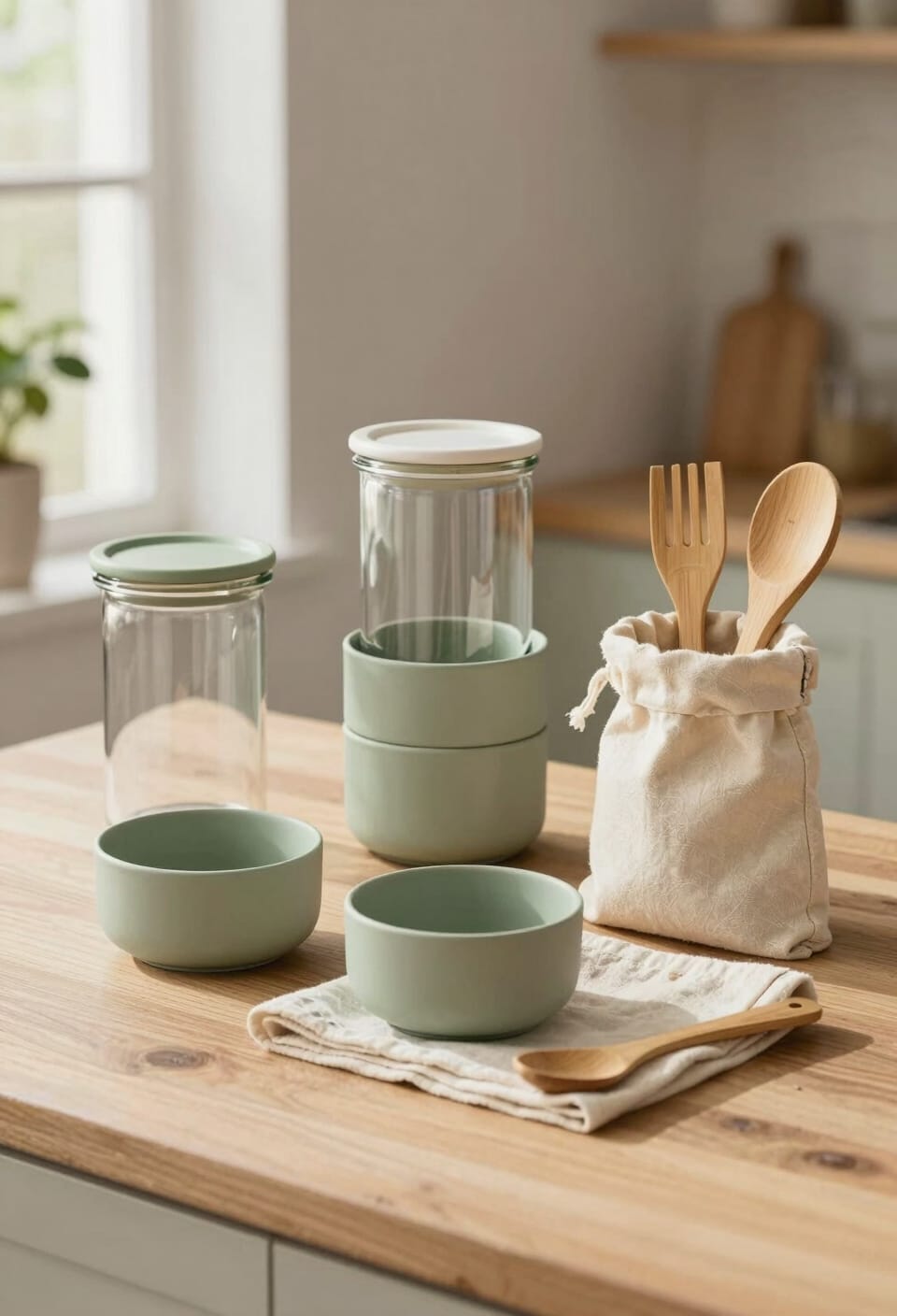

Ever looked around your kitchen and thought about how much waste we create daily? It can be eye-opening, especially when you realize how many disposables we use without even thinking. If you’re ready to make a change, transitioning your kitchen to reusables in just 30 days can be a surprisingly simple process.
Start by swapping out items you probably use daily. Try replacing plastic wrap with beeswax wraps — they’re way more versatile than you might expect! Instead of plastic containers, go for stainless steel ones. And don’t forget to track your waste; it really opens your eyes to how much you’re tossing out.
Also, think about ditching paper towels for unpaper towels. Seriously, they’re softer and do the job just as well!
Organizing your kitchen can make a big difference, too. Glass jars are perfect for storing everything from grains to spices, and reusable bags keep your fruits and veggies fresh without the plastic. Plus, if you plan your meals ahead of time, you’ll cut down on that pesky food waste.
So, why does this matter? It not only helps the planet but can save you money in the long run.
The best part is that these changes don’t have to be overwhelming. Focus on one small swap each week, and before you know it, you’ll be well on your way to a more sustainable kitchen. Honestly, it can be kind of fun to discover new products and methods for reducing waste.
So, take it one step at a time. You’ve got this! What reusable item will you try to swap out this week?
Key Takeaways
- Start with a waste audit to identify disposable items in your kitchen that can be replaced with reusables.
- Swap plastic wrap for beeswax wraps and plastic storage containers for glass or stainless steel alternatives.
- Use reusable produce bags while shopping and consider unpaper towels instead of paper towels for cleaning.
- Plan meals using existing ingredients to minimize waste, and creatively use leftovers in new dishes.
- Establish a cleaning routine for your reusables and celebrate your progress towards a more sustainable kitchen.
The Importance of Switching to Reusable Kitchen Items
When you look around your kitchen, do you ever feel overwhelmed by all the waste you see? That mountain of single-use items can really add up, and it can be frustrating. Switching to reusable kitchen items is a practical way to tackle this issue.
Try this: Replace plastic wrap with beeswax wraps for your sandwiches. They keep your food fresh and are way safer for storage. Another great option is stainless steel containers. Not only do they last longer than their plastic counterparts, but they also keep your family safe from harmful chemicals.
So, why not take it a step further? You could start using reusable produce bags instead of those flimsy plastic ones at the store. Cloth napkins are another simple switch that can drastically cut down on waste. These little changes add up over time, making a noticeable difference in the amount of plastic waste your household sends to the landfill each year.
Beeswax wraps are made of organic cotton and beeswax, offering a natural, compostable alternative that supports this shift.
The best part is that adopting these sustainable choices isn’t just good for the environment; it can also be a fun challenge. You might even find it rewarding to think creatively about how to reduce your household waste.
Honestly, every effort counts, no matter how small. Let’s make the shift to reusable items in our kitchens and see what kind of positive change we can create. What small change will you make today?
How to Find Out How Much Waste You’re Creating?

Ever wonder how much waste you’re actually tossing out? It’s a question a lot of us don’t think about until it starts piling up. A good way to start is by doing a waste audit for a week. Sorting your trash into recyclable, compostable, and landfill items gives a clear snapshot of your habits.
Try this: keep track of your daily waste, focusing on those sneaky disposable items like plastic wrap and takeout containers that seem to multiply. A simple diary can really help here; jotting down what you throw away might reveal some repeat offenders. Once you spot them, it’s easier to switch to reusable alternatives!
Honestly, don’t forget to take “before” photos of your trash bins. I promise, looking back at them later will be quite an eye-opener!
With the average American household producing over 1,600 pounds of waste each year, it’s crucial to stay aware of the choices you’re making. To make a real impact, consider integrating reusable shopping bags into your routine as they significantly reduce plastic waste.
So, what small change will you make this week to reduce your waste?
Recommended Products

Bulk Quantity and Size: 96000 bag (96K) Count Plastic shopping bags With dimensions of 11.5" x 6.5" x 21", Pallet Package

SIZE and Bulk Quantity: 96000 (96K) Count (96 Boxes,1000 Count/box) Pallet Packageplain black bags ,Measuring 11.5x6.5x21 inche,thickness of 0.47 mil, 1000 bags in box features convenient handles, making them ideal for storing food, goods, gifts, plastic bags for small business, and more

Bulk and Size:96000 bags (96 Boxes,1000 Count/box) Pallet Package pure white plastic shopping bags With dimensions of 11.5" x 6.5" x 21",Quality, Price Economy,Manufactured in the USA and sold directly for business
Simple Swaps for Sustainable Living

Have you ever looked at the amount of waste in your kitchen and felt a bit overwhelmed? You’re definitely not alone! Let’s talk about some simple swaps you can make for a more sustainable lifestyle without turning your life upside down.
Instead of using plastic wrap, try beeswax wraps. Not only do they look great, but they also help cut down on plastic waste. They’re reusable, making them a smart choice for both your kitchen and the planet.
When it comes to food storage, consider switching to glass containers. They’re sturdy, safe, and don’t leach chemicals into your food like some plastics can. You’ll feel good knowing that your leftovers are stored in a more eco-friendly way.
Another easy change? Swap your paper towels for unpaper towels. These can really help save trees and are washable, so you’re reducing waste with every cleanup. Plus, they come in fun patterns, making cleaning up a little more enjoyable!
When you’re out shopping, take along reusable produce bags instead of grabbing those single-use plastic ones. They’re lightweight and easy to carry, and using them is a small step towards a cleaner environment.
Also, have you thought about your dish scrubbers? Switching to stainless steel dish brushes can keep your sponge game eco-friendly and durable. They last much longer and didn’t contribute to plastic waste that ends up in our oceans.
Another great swap is to replace plastic or metal utensils with bamboo cooking utensils which are sustainable, naturally antimicrobial, and safe for all cookware types.
Truth is, these small changes can bring you closer to a zero-waste kitchen. Each step, no matter how small, counts toward a more sustainable future. Have you tried any of these swaps yet? What does your kitchen journey towards sustainability look like?
Recommended Products

CHEESE STORAGE: Don't let your cheese spoil by using sandwich bags, produce bags or plastic bags that are made with non porous materials. Ensure that your cheese maintains freshness and flavor for longer with a freshness extender bag and paper from Formaticum that are porous and ideal for any cheese lover. Each package contains 15 easy-to-use 6.25” x 11” storage bags and 15 useful 11” x 14” sheets of paper so you can store just about any type of aged cheese.
CHEESE STORAGE: Don't let your cheese spoil by using sandwich bags, produce bags or plastic bags that are made with non porous materials. Ensure that your cheese maintains freshness and flavor for longer with a freshness extender bag and paper from Formaticum that are porous and ideal for any cheese lover. Each package contains 15 easy-to-use 6.25” x 11” storage bags and 15 useful 11” x 14” sheets of paper so you can store just about any type of aged cheese.
CHEESE STORAGE: Don't let your cheese spoil by using sandwich bags, produce bags or plastic bags that are made with non porous materials. Ensure that your cheese maintains freshness and flavor for longer with a freshness extender bag and paper from Formaticum that are porous and ideal for any cheese lover. Each package contains 15 easy-to-use 6.25” x 11” storage bags and 15 useful 11” x 14” sheets of paper so you can store just about any type of aged cheese.
Organizing Your Kitchen With Reusables
Are you tired of sifting through a chaotic kitchen every time you want to whip up a meal? Organizing with reusables might be the answer you need. It’s amazing how much a little organization can streamline your cooking and reduce waste in the process!
Try this: start with glass jars and stainless steel containers for your bulk storage. These aren’t just environmentally friendly; they also add a nice touch to your kitchen decor. Labeling the jars with removable stickers can keep food fresh and help prevent spoilage. You’d be surprised how much food goes to waste simply because we forget what we have tucked away.
Here’s the trick: create a cozy nook for your reusable bags, beeswax wraps, and cloth napkins. When these items have a dedicated spot, you’ll find yourself reaching for them more often during meal prep. Don’t overlook silicone food covers and cloth produce bags either; they’re great additions to your setup.
Truth is, decluttering is just as important as organizing. Donate any unused gadgets you haven’t touched in years. This way, your kitchen stays focused on eco-friendly items that you actually love and use.
To keep your reusable items effective and long-lasting, make sure to choose options with high absorbency and wash them regularly according to care instructions.
Recommended Products

Motor: Ultra heavy duty 3.75 HP commercial blender motor delivers consistent power for high-volume smoothie production and professional kitchen applications in restaurants and cafes.

Generous 20 Cu. Ft. Capacity: Our full size refrigerator with freezer offers organized storage for fresh and frozen foods. Top freezer refrigerator fits perfectly in kitchens in homes and apartments

Summit Appliance manufactures one of the industry's most extensive lines of frost-free refrigerator freezers in unique footprints for apartments and smaller kitchens.
Cooking Smart: Reducing Food Waste With Upcycling Ideas
Tossing leftovers in the trash might seem like the easy way out, but what if there’s a better route? Upcycling food is not just about saving a few bucks; it’s a smart way to treat our planet better and cut down on waste. Instead of throwing away those roasted veggies, consider transforming them into a delicious frittata. Got some stale bread lying around? Turn it into crunchy croutons instead of tossing it in the bin.
Think about kitchen scraps, too. Instead of discarding vegetable peels, you can toss them in a compost bin or simmer them into a rich broth. This way, you’re adding nutrients to your meals while reducing what goes to the landfill. So, why does this matter? It’s not just about being frugal; it’s about making choices that benefit both your wallet and the environment.
When it comes to meal planning, don’t shy away from creativity. Start by making a list of what you already have in your fridge, then brainstorm some recipes. The best part is, with smart planning and creative reuse, you could save anywhere from $1,500 to $2,500 a year. Seriously, that’s a significant amount!
Here’s the trick: look at each leftover as an opportunity, not a problem. You can whip up new meals instead of letting food go to waste. There’s something satisfying about seeing your leftovers transform into something fresh and inviting.
Let’s get more intentional about how we use our food. It’s all about making small changes that add up. Together, we can make a difference in reducing food waste. What’s one leftover you could repurpose today? Using eco-friendly materials in your kitchen products can further enhance your sustainable lifestyle.
Recommended Products

Composting,Waterless,Urine diverting, off-grid, toilet

TRUE COMPOST, NOT DEHYDRATION: with advanced Microbial Degradation Technology, GEME Electric Composter truly breaks down food waste, producing authentic, nutrient-dense organic compost—not just a dehydrated imitation

EFFORTLESS COMPOSTING: Introducing the Reencle Gravity Electric Composter for your kitchen, the one true odor-free, mess-free solution for your kitchen waste. This revolutionary composter utilizes patented microbe technology to turn food scraps into real, nutrient-rich compost effortlessly.
Zero-Waste Meal Planning Tips
Are you tired of tossing out leftover food every week? If you’re like most people, meal planning can feel overwhelming, but it doesn’t have to be! Zero-waste meal planning is a great way to save money and cut down on food waste while making the most of what you already have. For example, turning roasted veggies into a frittata is a delicious way to breathe new life into them.
Keeping a well-stocked pantry is crucial. Check your fridge weekly to make sure you’re using up ingredients before they spoil. It’s easy to forget what you have, so keeping that inventory will help you make the most of your groceries.
Shopping at farmer’s markets or joining a Community Supported Agriculture (CSA) program supports local farmers while also ensuring you get fresh food with a lower carbon footprint. It feels good to know your purchases are helping the community, right? And if you’re aiming to ditch single-use items, try using reusable containers made of glass or stainless steel. They keep food fresher for longer.
Don’t forget about composting food scraps. It’s a simple way to enrich your garden soil and reduce kitchen waste at the same time. Honestly, it feels good to take that extra step for the environment. Additionally, switching to reusable kitchen products can significantly reduce plastic waste in your home.
Recommended Products


𝗦𝗰𝗲𝗻𝘁 - 𝗣𝗿𝗼𝗼𝗳, 𝗔𝗶𝗿𝘁𝗶𝗴𝗵𝘁 𝗮𝗻𝗱 𝗟𝗲𝗮𝗸 𝗣𝗿𝗼𝗼𝗳 : Heavy durable ultraviolet glass locks in aroma with airtight BPA free plastic lid. Insurance against the potency of your goods from leaking. Apothecary jars are good for long term storage.Our Sleek design jars come with an airtight seal with a tightly fitting black glass lid.These miron jars have substantive size, and they can easily fit a variety of organic and all-natural products.

VALUE PACKAGE: Contains 1062pcs 12oz plastic juice bottles with tamper-proof lids, size: 2.2 inches x 6.5 inches. It comes with 1062 bottles and 1062 stickers, making it easy to use.
Engaging Your Family in Sustainable Practices
Engaging your family in sustainable practices can feel overwhelming, but it doesn’t have to be! What if I told you it could actually become a fun bonding activity? Start with a scavenger hunt to find items around your home that you can swap for reusable bags. It’s a great way to get everyone excited about making the switch!
Meal planning can also be a fun family affair. Set aside time each week where everyone can bring their favorite ideas to the table. This not only helps with reducing waste, but it also strengthens teamwork within your family. Think about assigning everyone specific tasks—like composting food scraps or managing those reusable bags. It gives each person a role, which makes them more invested in the practice.
While cooking together, why not chat about your kitchen habits and the positive impacts those choices can have? It’s a great way to raise awareness without sounding preachy. Plus, let’s take a moment to celebrate the little wins! If you’ve gone a week without using plastic or have all your groceries in reusable bags, that deserves a high-five!
To keep your produce fresh longer and reduce food waste, consider using vegetable storage containers that help maintain optimal humidity and freshness.
How to Maintain Your Reusable Items
Once you’ve got your family excited about using reusables, keeping them in good shape is key to making them last! You want your items to stay clean and safe, right? Eco-friendly cleaning solutions are a must for that! For stainless steel containers, warm soapy water or a little vinegar will do the trick—just be careful not to use anything too rough, or you’ll dull that shiny finish.
Silicone and beeswax wraps can be gently washed with cold water and mild soap. Just make sure you let them dry completely before you put them away. Establishing a deep cleaning routine each week can really help extend their life. So, why does this matter? Well, worn-out items aren’t safe for food prep anymore, so if something’s starting to show its age, it’s best to toss it.
You want to keep your family healthy, and maintaining these reusable items is an easy way to contribute to that goal. Remember, a little care goes a long way! What are some of your go-to tips for keeping your reusables fresh? Also, choosing products made from durable materials can make maintenance easier and improve longevity.
Celebrating Progress Towards a Sustainable Kitchen
As we make the switch to reusables in our kitchen, it’s time to take a breather and appreciate the progress we’re making—even if it’s just a little bit! Every time you choose an eco-friendly alternative over a single-use product, like Ahimsa’s stainless steel dishware, you’re playing a part in reducing plastic waste. Have you ever thought about how cutting out 200-300 pounds of plastic each year could change things for us? It’s pretty impressive!
Getting the whole family involved in this transition is key. Not only does it teach kids about responsibility, but it also transforms the kitchen into a hub for positive change. After all, why should sustainability feel like a chore when it can be a fun family project?
The best part is that our journey toward a more sustainable kitchen isn’t meant to be a quick fix. This is about forming long-lasting habits, not just tackling a 30-day challenge. It’s easier to stay motivated when you can see the cumulative impact of your choices. Choosing BPA-free 304 stainless steel lunch boxes ensures safety and durability in your reusable kitchenware, making the transition even more effective.
Frequently Asked Questions
What Is a Zero Waste Kitchen?
A zero waste kitchen focuses on waste reduction, using kitchen essentials like reusable containers and eco-friendly swaps. By embracing composting practices, mindful cooking, and sustainable storage, we can organize our pantry and enhance energy efficiency.
How to Start a Zero Waste Lifestyle?
To start a zero waste lifestyle, we can focus on mindful consumption by using plastic alternatives, reusable containers, and practicing composting basics. Let’s embrace sustainable shopping and kitchen organization for waste reduction and nutrient retention together!
How Can I Make My Kitchen More Sustainable?
We’ve found that transforming our kitchen’s environment to one filled with eco-friendly products and sustainable utensils feels like planting a garden. Embrace waste reduction, green cleaning, composting methods, and local sourcing for a blossoming, efficient space.
How to Reuse in the Kitchen?
To reuse in the kitchen, we can embrace reusable bags, glass containers, and silicone lids. Cloth napkins and kitchen towels replace disposables, while compost bins and bulk bins streamline meal prep, reducing waste effectively.


