


Did you know that millions of tons of plastic end up in our oceans every single year? It’s a staggering reality, and it affects all of us. But here’s the good news: we can make a difference!
Switching to reusable products is a simple yet impactful step. Think about it—using stainless steel water bottles or cloth shopping bags can significantly reduce plastic waste.
For example, consider DevaCurl’s bottles—they’re made from ocean-bound plastic! That means every time you choose reusable, you’re not just saving money; you’re also playing a part in helping our environment. It’s amazing how small changes can add up over time.
So, why does this matter? Protecting marine life is crucial for our ecosystem. When you swap your single-use plastic for reusables, you’re directly contributing to less pollution in our oceans, which benefits everything from fish to shorelines.
Here’s a tip: next time you’re out shopping, bring a tote bag or grab a reusable water bottle before heading out. It’s a small effort on your part, but it makes a real difference.
The best part is, you’re not alone in this journey. There are countless resources and communities that support these sustainable practices. Everyone’s got to do their part to tackle the ocean plastic crisis.
In summary, making the switch to reusable products is a straightforward way to help reduce plastic waste. What small change will you make today to protect our oceans?
Key Takeaways
- Annually, 4 to 12 million metric tons of plastic waste enter oceans, harming marine life and ecosystems.
- Switching to reusable products can significantly reduce single-use plastic consumption, contributing to a cleaner ocean.
- Innovations in reusable packaging could prevent over 1 trillion single-use items from entering waste streams by 2030.
- Supporting brands committed to sustainability encourages wider adoption of reusable practices and reduces plastic pollution.
- Legislation promoting reusables, such as the Break Free From Plastic Pollution Act, can enhance accountability and push for sustainable product lifecycles.
The Ocean Plastic Crisis: A Global Challenge
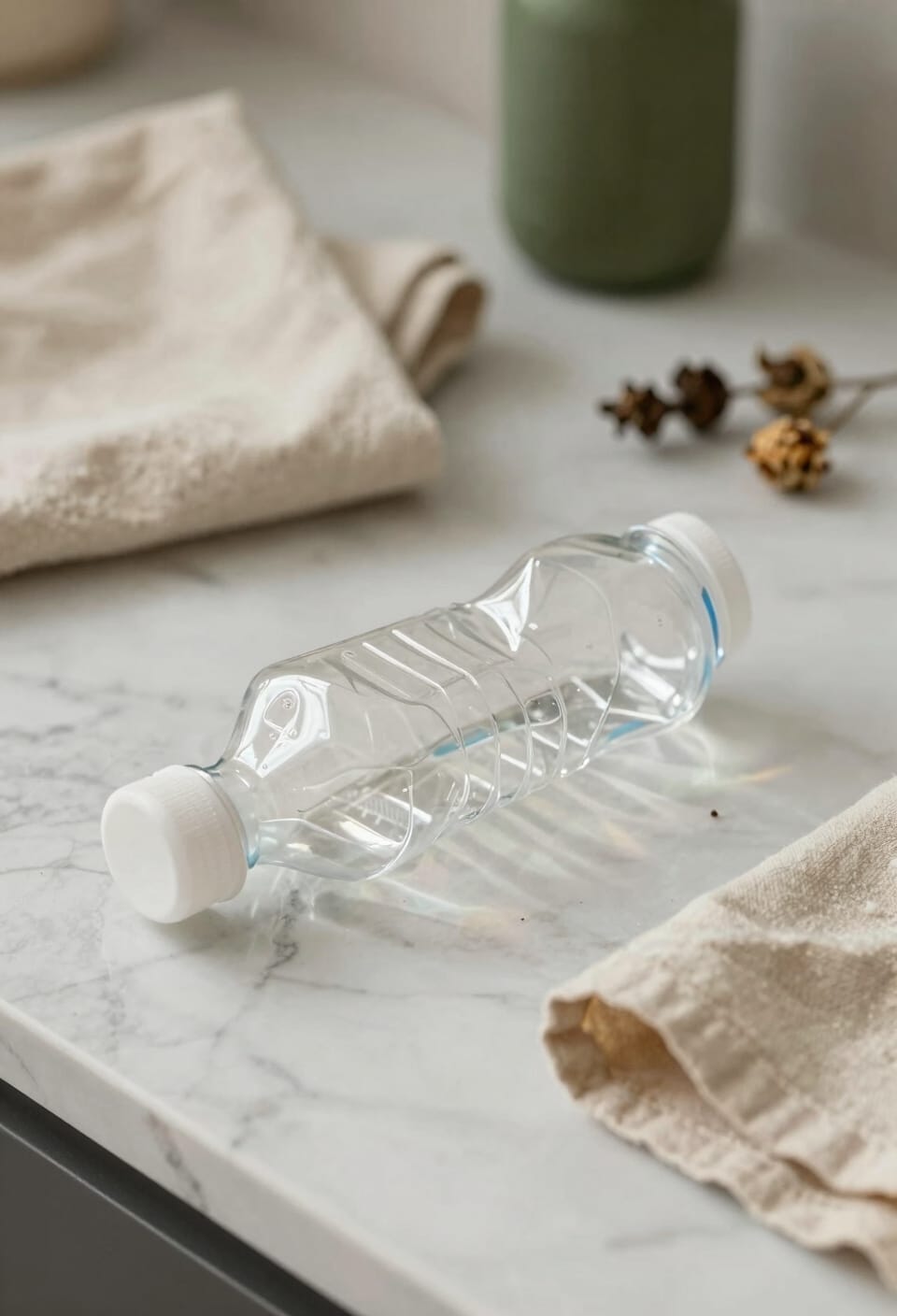
Have you ever tossed a plastic bottle into the ocean and thought it wouldn’t make a difference? It’s easy to feel like our individual actions don’t matter, but the truth is, the ocean plastic crisis is a big deal—and it affects us all. Each year, a staggering 4 to 12 million metric tons of plastic waste ends up in our oceans, and it’s causing serious harm to marine life. Animals like sea turtles and seabirds are getting tangled up in our mess or swallowing plastic that breaks down into tiny, harmful pieces called microplastics. So, why does this matter? If we don’t change our habits, our beautiful oceans and the creatures that call them home are at risk.
Here’s the trick: you can make a real impact just by being mindful of what you use every day. Try these simple suggestions to reduce your plastic footprint:
- Choose reusable products, like stainless steel water bottles or cloth shopping bags, instead of single-use plastic.
- When you go grocery shopping, bring your own containers for bulk items.
- Support businesses that prioritize sustainable packaging.
- Switching to reusable silicone food storage bags is an effective way to cut down on single-use plastic waste.
Honestly, every small step counts and can lead to bigger changes over time. If we all commit to recycling more and cutting down on plastic waste, we can make our oceans cleaner and healthier.
Let’s work together to keep our oceans vibrant for the future. It starts with you. What small change will you make today?
Understanding Ocean-Bound Plastics: A Key Solution

Have you ever stopped to think about where all that plastic goes once it ends up in the ocean? It’s a sobering reality that ocean-bound plastics are a significant contributor to marine pollution, and the good news is—there’s something you can do about it! These plastics are generated close to coastlines, making up a staggering 80% of what ends up in our oceans. By stepping in and collecting these materials before they wash away, we can stop millions of tons of waste from harming our sea life.
So, why does this matter? Companies like DevaCurl and Kenra are already on board, using ocean-bound plastics for their packaging. This isn’t just a neat marketing gimmick; it’s a way to support a circular supply chain that helps the environment. Plus, investing in these sustainable materials can boost job opportunities in coastal communities that focus on collecting and recycling.
Here’s a trick: next time you go shopping, look for products that incorporate recycled content. It’s a simple change that can have a big impact. By choosing these items, you’re not only supporting cleaner oceans but also encouraging brands to keep making greener choices.
Honestly, we all have a role to play in this. It’s about raising awareness and making sure the demand for recycled products keeps growing. The best part is, every little step counts.
Using heavy duty reusable bags can drastically reduce single-use plastic waste, helping to alleviate the ocean plastic crisis.
As you think about your own habits, consider what you can do to make a difference. Are there brands you support that align with this initiative? Together, let’s tackle ocean-bound plastics and make our planet a better place.
Recommended Products

SPECIFICATIONS: These Clear 18"x24" plastic produce rolls come with 250 bags per roll. Each order comes with your selected quantity packaged and sealed for your protection. Easily store your favorite fruits, vegetables and meats. Works great as a dog poop scooper as well!

Sustainable Glass Water Filter: Upgrade your kitchen with a glass water filter pitcher that eliminates the need for disposable plastic. The Aarke Purifier features a patented, refillable stainless steel filter cartridge paired with a timeless glass carafe for a cleaner drinking experience
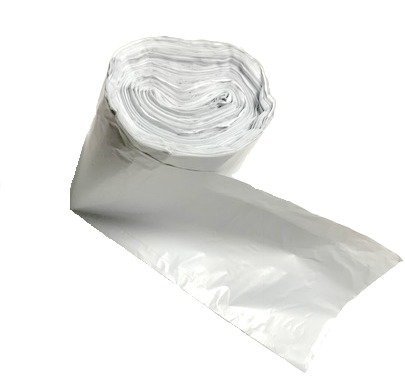
Star seal bottom to help prevent leakage, recycled plastic, 5 mil, 16" x 12"
The Role of Reusable Products in Combating Ocean Plastics

Have you ever stopped to think about how many single-use plastic items you grab each day? Whether it’s a water bottle for your workout or a coffee cup on your morning commute, these seemingly harmless habits add up. Shifting to reusable products is a simple change that can have a huge impact on our oceans and the environment.
Try this: if everyone made the switch to reusable packaging, we could prevent over 1 trillion single-use bottles and cups from ending up in landfills and oceans by 2030. That’s a significant win against plastic pollution! Major brands like Coca-Cola and PepsiCo are also getting on board, implementing better reusable systems.
Here’s a mind-blowing fact: only 9% of plastic waste gets recycled. With that in mind, it’s clear that ditching single-use items is more critical than ever. So, why does this matter? It’s not just about keeping our oceans clean; it’s about creating a sustainable future for generations to come.
If you’re looking for inspiration, check out Live Nation’s TURN system at festivals. They show that using reusable containers can be both fun and easy. Plus, you’ll feel great about making a positive choice for the planet!
Truth is, every small step counts. By choosing reusable options, you’re helping to tackle the ocean plastic problem, one cup at a time. Think about how many single-use items you use in a week and challenge yourself to find alternatives. Choosing durable materials like stainless steel water bottles ensures longevity and reduces waste significantly.
Recommended Products

【Good Option】 Customized and Shipped in the USA. our water bottles allow photo/logo/text personalization. Tailor-made for moms, dads, husband, kids, friends—or rewarding yourself with a unique souvenir

【Ideal Gift Choice】Our bottle will be peosonlized and shipped in the USA. You can customize the tumblers with photos, logos or text according to your preferences.It is sure to be a great gift to mother, father, wife, husband, son, daughter, frineds or yourself.

STAINLESS STEEL WATER BOTTLES – 20 Ounce Water Bottles are perfect for the car, office, gym, and school. The screw-on cap provides you with peace of mind knowing your water is not going to spill. Never worry again while you are on-the-go.
Why Consumers Are Choosing Reusable Packaging Options
Have you ever thought about the impact of all those single-use plastic bottles and cups piling up in landfills? It’s becoming clear that switching to reusable products is more than just a trend—it’s a way to help reduce plastic pollution and make a real difference in our world. Major brands like Coca-Cola and PepsiCo are catching on too, ramping up their reusable packaging sales. Imagine cutting out over 1 trillion single-use bottles and cups by 2030! It sounds ambitious, but it’s part of the solution we need.
Using reusable packaging isn’t just good for the planet; it supports circular supply chains, which is essential for lowering our overall environmental impact. It’s impressive to see how some countries, like the Philippines, manage to use 40% reusable bottles. So, why can’t we do that here? The best part is, making small changes can lead to significant results.
If you’re looking to jump on the reusable bandwagon, here are some practical tips you can try:
- Start with what you often buy—maybe a reusable water bottle or coffee cup.
- Consider bulk buying to reduce packaging waste.
- Look into stores that support refills for home products like detergents or oils.
Choosing durable and washable reusable shopping bags can enhance your efforts by reducing plastic use while remaining convenient and long-lasting.
Truth is, every little bit helps! It feels good to take these steps and contribute to a healthier planet. Let’s make this a collective effort—it’s time to embrace change!
Recommended Products

[Personalized Bottle for Women]:Searching for the personalized Birthday Mother's Day, Christmas, Thanksgiving, Valentine's Day, or Anniversary gift?This custom water bottle is a great choice. Customize the water bottle with a name.quote, or message to surprise your mom, dad, lover, friends, teachers,colleagues or even treat yourself! lt's a heartfelt, practical gift that combinesfunctionality with personalization

PRINTED in USA:All SMLIXE stainless steel water bottles are personalized and sent from USA. The patterns,waterproof and heat resistant stick on cup all life span

[PRINT in USA - Quality Assurance]: COKTIK stainless steel Water Bottle are personalized and Shipped in The USA.It is made of 18/8 (304) stainless steel, featuring rust-proof and corrosion-resistant properties.Using high-precision equipment and environmentally friendly ink, clear pictures are printed on the cups.
Challenges and Opportunities in Sourcing Ocean-Bound Plastic
Have you ever thought about how much plastic ends up in our oceans each year? Millions of tons, and it’s a huge problem for our planet. But there’s a silver lining: sourcing ocean-bound plastic. This plastic is gathered from areas close to shorelines, particularly in developing countries like Haiti and the Philippines, where waste management is often a big challenge.
Here’s the tricky part. While recycling this ocean-bound plastic into new products sounds great, it costs about three times more than using virgin resins. This price difference can make it hard for companies to switch over completely. Plus, blending these materials right is essential to ensure that the products we create are both strong and durable. So, what’s the solution?
One innovative approach comes from companies like Rivian, which are using ocean-bound plastic to make pallets and containers. This shows that it’s possible to make a real impact while also being cost-effective. If you’re looking to help address plastic pollution, consider supporting brands that are committed to sustainable practices.
The best part is that every little bit helps. Supporting effective waste management and backing products made from ocean-bound plastic can lead to a big change over time. So, how can you get involved? Look for products made from recycled materials, and consider advocating for better waste management policies in your community. Using certified biodegradable products, such as those meeting ASTM D6400 standards, further reduces environmental impact.
Honestly, tackling plastic pollution feels overwhelming at times, but we all can make a difference in our own way. What steps will you take to be part of the solution?
Successful Innovations in Reusable Packaging: Case Studies
Have you ever thought about how much plastic waste we create? It’s pretty alarming! However, there’s a bright side—reusable packaging is really making waves in reducing plastic waste. For example, did you know that in the Philippines, 40% of non-alcoholic beverages are sold in reusable bottles? That just shows how effective this system can be.
In the beauty sector, some brands are stepping up their game as well. For instance, DevaCurl packs its products in bottles made from 50% ocean-bound HDPE, and Kenra’s Sugar Beach shampoo is housed in 100% ocean-bound plastic. It’s encouraging to see companies taking these steps.
Then there’s a larger initiative—Live Nation has adopted the TURN reusable cup system at festivals, which helps combat single-use plastics. And let’s not forget about the upcoming 2026 Olympic Games, where Re-uz plans to minimize the plastic footprint. So, why does this matter? These examples show us that there are exciting solutions in reusable packaging that could help us create a cleaner planet.
The best part is that everyone can contribute to this movement. Why not start looking for reusable options in your daily life? It’s all about making small changes that add up. For example, switching to stainless steel straws can significantly reduce single-use plastic usage. Are you ready to do your part?
Recommended Products

FILTRATION SYSTEM AND FAUCET SET: improves water quality by removing contaminants – DIMENSIONS: Faucet Height: 12" – Spout Height: 8 3/8" – Spout Reach 6" – Swivels 360° – Filter Flow Rate 1.0 gpm – Filter System: 9 1/2" L x 4 7/8" W x 15 1/2" H

OCEAN BOTTLE: Our award-winning 34 oz Ocean Bottle is designed to accompany you at home and beyond. It keeps your cold drinks cold and your hot drinks hot. From soup to smoothies, its double lid lets you sip, fill, and pour.

STAYS COLD ALL DAY: Thanks to the advanced double-wall vacuum insulation, this 50 oz insulated tumbler keeps your beverages cold for up to 32 hours, ensuring you stay refreshed and hydrated throughout your day at the gym, beach, or during outdoor adventures.
How Reusable Packaging Can Protect Marine Life
Have you ever thought about how much plastic ends up in our oceans? It’s a big problem that affects all of us, especially our marine friends like sea turtles and seabirds. Every year, over 4 million metric tons of plastic end up in the ocean. That’s an eye-opening figure, right?
So, what can you do about it? One simple step is to switch from single-use plastics to reusable packaging. This small change can really reduce the ocean pollution that’s causing havoc in marine ecosystems. If we all boost reusable systems by just 10%, we could get rid of over a trillion single-use bottles and cups by 2030. Just imagine that!
Here’s the trick: when you choose packaging made from ocean-bound plastics, you’re making a positive impact. It’s not just about reducing our waste—it’s about finding ways to turn what’s already there into something new and useful.
Honestly, protecting marine life is within our reach. Reusable products like food-grade silicone bags can replace hundreds of disposable plastic bags, cutting down on harmful waste.
So, why does this matter? Because our oceans are vital for our planet, and every bit helps. Let’s support reusable solutions and work together to keep our oceans safe and clean for the creatures that call it home.
How Legislation Can Enhance the Shift to Reusable Products
Have you ever looked at a pile of plastic waste and felt overwhelmed? You’re not alone. The good news is that we can change this by shifting how we think about plastic. Supporting laws that encourage the use of reusable products can make a big difference in tackling the plastic waste crisis.
Take the Break Free From Plastic Pollution Act, for example. This kind of legislation isn’t just about reducing single-use plastics; it also holds producers accountable for their actions. Imagine if manufacturers had to think about their products from start to finish, pushing them to come up with reusable packaging options instead of just tossing everything aside once it’s sold.
Countries that have banned single-use plastics have seen a rise in the use of reusable products. When people adapt to these new rules, they often find it easier to make eco-friendly choices. So, why does this matter? Because we have the power to promote a circular economy where materials are reused and not discarded after one use.
Here’s the trick: supporting Extended Producer Responsibility (EPR) laws can really help too. When manufacturers are responsible for the entire lifecycle of their products, they’re more likely to seek sustainable solutions that benefit everyone.
Collaboration is essential, too. Working on a global treaty could help set firm targets that address the plastic waste issue directly. The best part is that each step we take in this direction builds momentum for meaningful change.
Moreover, choosing products like bamboo hair brushes can reduce plastic waste and promote sustainable living by offering durable, biodegradable alternatives.
Let’s recap: We all have a role to play in reducing plastic waste. By advocating for supportive legislation and adapting our habits, we can create a brighter future for our planet. So, what small change will you make today to contribute?
How You Can Easily Switch to Reusable Products
Ever think about how much plastic we toss out every day? It’s startling, right? But making the switch to reusable products doesn’t have to feel overwhelming. It’s really about small tweaks in your daily routine that can make a big difference!
Start by swapping out those one-time-use plastics for reusable bags, bottles, and utensils. Keeping a strong tote bag in your car or backpack for shopping trips is a simple step. You’d be surprised how often you’ll need it! And don’t forget to pack reusable straws and containers for your lunches—these little changes can really add up.
The best part is that you’re not just cutting down on your own plastic waste. You’re also supporting a shift away from single-use items, which is something we all need. So, why does this matter? Because every time you choose reusables, you’re helping marine conservation efforts too! When you support businesses that promote reusable packaging, you’re contributing to a better environment.
Using products like unpaper towels made from natural fibers not only reduces plastic waste but also helps reduce kitchen waste that would otherwise end up in landfills.
Want to take it a step further? Join local initiatives that encourage the use of reusables. Working together, we can really impact our oceans and communities.
In the end, switching to reusable products is about making mindful choices. What’s one small change you can make today to start reducing your plastic waste?
Recommended Products

WHITE KRAFT PAPER BAGS - Halulu white kraft paper bags measure 16x6x12 inches, pack of 6000 bags. Great for merchandise and retail shopping use, party favor bags, or gift bags. Can also be used for food service and take-out. These recycled paper bags are perfect for business or restaurant use, kraft paper bags are a popular choice among many retailers. These all purpose, high quality kraft paper bags are sturdy and easy to load.

Wholesale Bulk Pack for Businesses – Get 100 custom canvas tote bags perfect for corporate giveaways, trade shows, and retail branding campaigns.

Keep food fresh in the freezer up to 5x longer and in the fridge or pantry up to 2x longer, compared to ordinary storage methods
Adopting a Circular Economy: The Future of Sustainable Packaging
Have you ever thought about how many single-use containers we toss away every day? Tackling the ocean plastic crisis isn’t just as simple as swapping out your disposable cup for a reusable one. To really make an impact, it’s essential to embrace a circular economy. This approach encourages us to design products that can be reused, recycled, or composted. Less waste means more good vibes, right?
Try this: consider boosting your use of reusable packaging by just 10%. Imagine the difference—it could save over 1 trillion single-use containers by 2030. That’s a huge win for the planet! Plus, using post-consumer recycled (PCR) plastics in packaging meets the growing demand for eco-friendly options.
So, why does this matter? Companies that adopt these sustainable practices not only align with current regulations, but they also cultivate strong loyalty among eco-conscious consumers like us. People are drawn to brands that care.
Truth is, as we strive for a cleaner future, let’s commit to solutions that protect our oceans and benefit everyone. Every little bit helps, and together we can make a bigger difference than we realize. One way to reduce waste is by choosing eco-friendly bamboo products, which are sustainable and help minimize plastic use. What steps will you take to support sustainable packaging?
Frequently Asked Questions
What Types of Reusable Products Are Most Effective for Reducing Ocean Plastics?
Stainless steel bottles, bamboo toothbrushes, cloth grocery bags, silicone food storage, glass containers, and reusable straws are our best choices for reducing ocean plastics. Let’s make these simple swaps for a cleaner, healthier planet together!
How Long Does It Take for Plastics to Degrade in the Ocean?
Plastic can take centuries to degrade in the ocean, affecting marine ecosystems. With various factors influencing plastic biodegradation, exploring biodegradable alternatives and recycling processes explained can help alleviate ocean plastic pollution for future generations.
Are All Reusable Materials Environmentally Friendly in Their Production?
Not all reusable materials are environmentally friendly in their production. We need to take into account sustainable manufacturing, energy consumption, biodegradable materials, and responsible material sourcing throughout the life cycle to guarantee effective waste management and minimal impact.
What Are Some Misconceptions About Reusable Products?
We often encounter reusable misunderstandings, like longevity myths suggesting they’re short-lived, or cost concerns overshadowing their long-term savings. Sanitation issues and style preferences might also deter us, while accessibility challenges keep many from trying them.
How Can Businesses Incentivize Customers to Use Reusable Options?
We can encourage customers to use reusables by launching loyalty programs with reusable discounts, running promotional campaigns highlighting eco-friendly branding, and organizing community challenges that reward sustainable choices. It’s a win-win for everyone!


