


Do you ever look around your home and feel overwhelmed by all the waste? It’s super easy to let single-use plastics and packaging pile up, especially in the kitchen. Those food wrappers seem to multiply, don’t they?
Let’s start with a few simple swaps. In the kitchen, try using reusable containers for leftovers instead of cling wrap. It not only cuts down on plastic waste but also keeps your food fresh longer.
And speaking of the bathroom, have you considered switching to bamboo toothbrushes? They’re biodegradable, plus they look great on your sink!
The laundry room is another spot where we can make a difference. Opt for laundry sheets instead of those big plastic containers of liquid detergent. It saves space and dramatically reduces plastic use. Honestly, every little change counts in the big picture of zero waste living.
So why does this matter? It’s about building good habits that are kind to our planet. The best part is, these changes don’t have to be overwhelming!
When it comes to creating your own zero waste haven, there are tons of fun and easy swaps to explore. Remember, it’s not about perfection—just making small, manageable changes can lead to a big impact.
What will you change first?
Key Takeaways
- Conduct a trash audit in each room to identify major waste culprits and target areas for improvement.
- Implement reusable alternatives like beeswax wraps, stainless steel containers, and bamboo toothbrushes to minimize single-use plastics.
- Introduce composting for organic waste and consider bulk purchases to reduce packaging across all rooms.
- Select eco-friendly materials like organic cotton or reclaimed wood for furniture and decor to promote sustainability.
- Set monthly challenges for each room to creatively tackle specific waste habits and track progress over time.
Understanding Zero Waste: A Beginner’s Guide

When considering a zero waste lifestyle, it can feel a bit overwhelming at first. But honestly, it doesn’t have to be! By focusing on sustainable living, we can really cut down the amount of trash we produce in our homes.
Start with the basics: refuse items that aren’t necessary. Think about what you really need – do you use plastic straws or single-use bags? Maybe it’s time to say no to those. Next up, look for ways to reduce the waste you create. Buying in bulk is a great way to limit packaging and save money, too.
And here’s a thought: have you ever considered teaming up with friends for bulk buying? It’s not just eco-friendly, it can be a fun social activity. Don’t forget about reusing what you can; every bit counts.
Now let’s not overlook composting. It’s fantastic for turning food scraps into nutrient-rich soil instead of tossing them in a landfill. Ever tried it? It might seem messy at first, but once you get the hang of it, it can feel super rewarding.
Choosing products made from biodegradable materials can also significantly reduce your household waste impact.
As you take these little steps, turning zero waste into your lifestyle can transform from a daunting challenge into an enjoyable family adventure. So, what small change can you make today towards a more eco-friendly home?
Identifying Waste Sources in Your Home

Have you ever wondered how all that trash sneaks into your home? One effective way to spot waste sources is through a trash audit. By examining what you throw away, you can tackle those everyday culprits like single-use plastics, food packaging, and leftover food scraps that clutter your kitchen. And let’s not overlook the bathroom, where those shiny plastic bottles and disposable razors can really pile up. Yikes!
The 5Rs—Refuse, Reduce, Reuse, Recycle, Rot—are great guides for noticing wasteful habits. When you get down to it, these principles can help you rethink your choices. So, why does this matter? Well, reducing waste not only helps the environment, but it can also save you money in the long run.
You might be surprised by the hidden waste lurking in your closets or under the sinks. It’s a treasure trove of forgotten items that could be sorted out! When you start looking for sustainable alternatives, the best part is that you’re often making better choices for your home and the planet.
Try this: take a week to collect your trash in a separate bin. At the end of the week, go through it and see what you can cut down on. You might find that you have more control over your waste than you thought. Honestly, it’s all about being mindful and making small changes that add up.
In short, focusing on your waste sources and making better choices can drastically reduce what you throw away. One practical swap is using reusable sandwich bags instead of single-use plastic ones to cut down on daily plastic waste. What’s one small change you could make today to cut down on waste in your home?
Eco-Friendly Kitchen Swaps and Practices for Waste Reduction
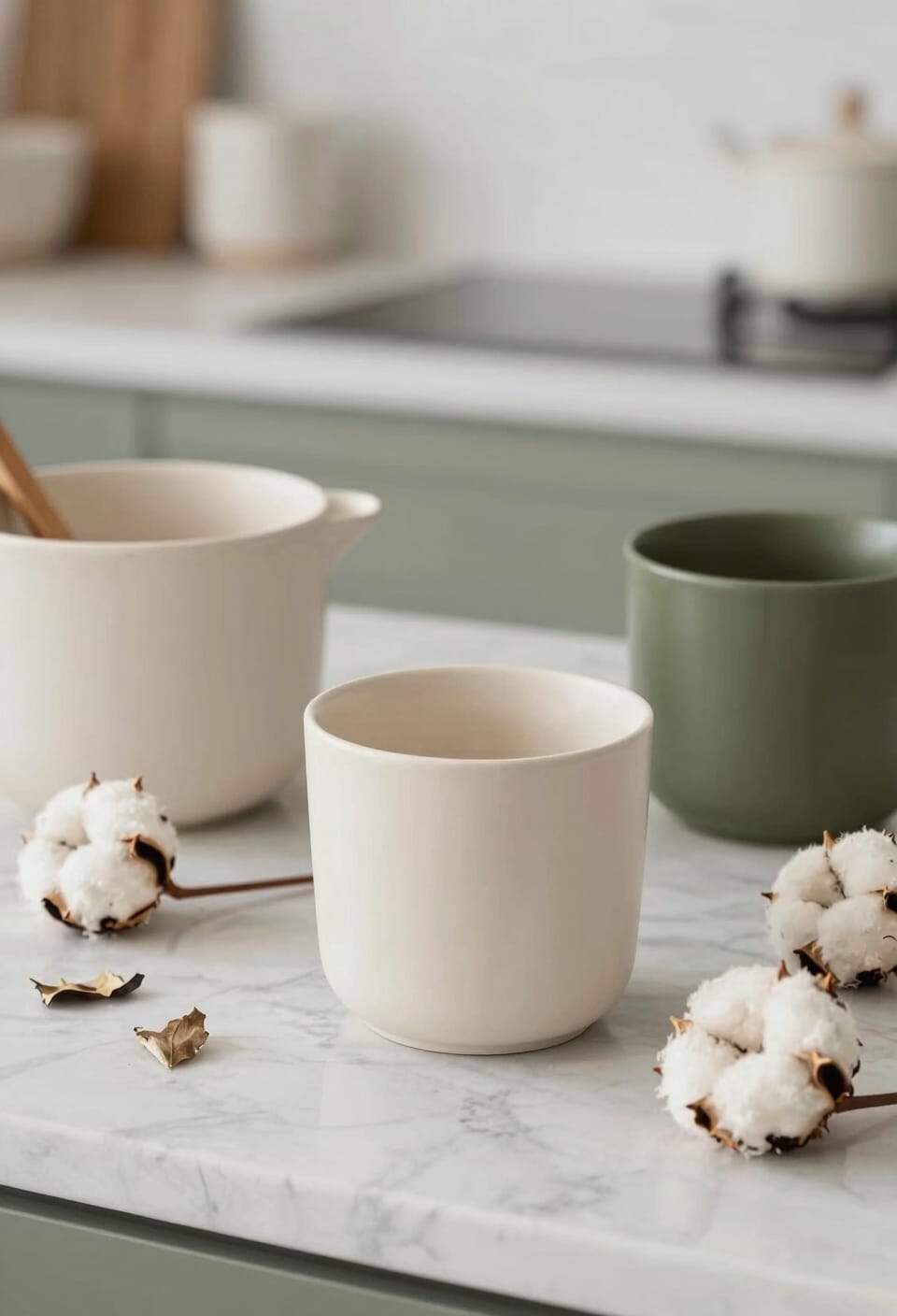
Isn’t it frustrating to think about all the food scraps and plastic we mindlessly toss in the trash? It’s time to rethink our kitchen habits and make it a greener space. Transitioning to an eco-friendly kitchen can really help cut down on food waste and reduce those pesky plastics.
One solid step you can take is getting a compost bin for those veggie scraps and leftovers. Instead of them piling up in a landfill, why not let them feed your plants? It’s a win-win situation that makes your garden happy and reduces waste.
Now, let’s talk about storage. Instead of reaching for those single-use plastic bags, consider switching to reusable bags or beeswax wraps. They keep your food fresh without adding to your guilt about waste. No more tossing out plastic — it feels good, doesn’t it?
When you go grocery shopping, try to buy pantry items in bulk. Not only does it save money in the long run, but bringing your reusable bags or jars helps cut out unnecessary packaging. It’s such a simple change that can make a big difference.
Honestly, if you’re looking to cut down on plastic use, consider using dish soap bars instead of liquid soap in plastic containers. They clean just as well, and you won’t have to worry about the plastic waste piling up. The best part? It’s an easy swap!
For food storage, opting for stainless steel containers can be a durable and eco-friendly alternative that reduces reliance on single-use plastics.
Essential Bathroom Swaps for Eco-Friendly Living
Ever think about how much waste we create in our bathrooms? It’s kind of wild, right? But there are simple swaps that can help you make your bathroom a little greener without too much hassle. For starters, consider swapping your plastic toothbrush for a bamboo one; they break down easily in your compost pile, and you’re doing the planet a favor.
Liquid soaps can be a sneaky source of plastic waste, so why not switch to solid bar soaps and shampoo bars? They come with no plastic packaging! You might feel better knowing your shower routine is a lot more eco-friendly. And let’s not forget about disposable cotton swabs and pads. Instead, try using washable cloth wipes and silicone menstrual cups. How easy is that?
The best part is you can start using refillable containers for your toothpaste and body care products. It’s a small change, but it makes a big difference in reducing waste. If you’re feeling adventurous, you could even implement a cloth toilet wipe system instead of traditional toilet paper. Sounds a bit unconventional, right? But hey, it keeps you clean and is way better for the environment.
Honestly, small changes add up. It’s all about creating a more sustainable routine, and these swaps are a step in the right direction. So next time you think about your bathroom habits, consider these tips. What are some other easy swaps you think you could make? Choosing bathroom tools made from rapidly renewable resources like bamboo can further reduce your environmental footprint.
Creating a Sustainable Bedroom
Creating a cozy, sustainable bedroom can feel like a juggling act, right? Between comfort and being eco-friendly, it’s easy to get overwhelmed. But there are some simple changes you can make that won’t just have a positive impact on the planet but can also make your space a soothing retreat.
Start by switching out your bedding for organic cotton or linen. These materials are not only biodegradable but also free from harmful chemicals that you don’t want anywhere near your sleep space. It’s a small change that makes a big difference to your health!
When it comes to painting your walls, opt for low-VOC paints. These can seriously improve indoor air quality, leaving your space fresh and breathable. While you’re at it, consider adding some indoor plants, like snake plants or peace lilies. They’re not just pretty to look at; they also filter out air pollutants. Who doesn’t want fresh, clean air in their bedroom?
Furniture is another opportunity to make sustainable choices. Look for pieces made from reclaimed wood or bamboo. These materials are both eco-friendly and chic. Plus, they add a unique character to your room that’s hard to resist.
Lastly, think about lighting. Switching to energy-efficient LED bulbs is a smart move. They not only reduce energy use but also provide bright, beautiful lighting that can transform the mood of your space. It’s an easy and effective way to go green.
To elevate comfort and sustainability, consider bedding with GOTS certifications, which ensures organic cotton is grown without harmful pesticides and adheres to eco-friendly standards.
Zero Waste Living Room Makeover Tips
Have you ever thought about how much waste your living room produces? Tackling this problem doesn’t have to be a chore; in fact, it can be a fun project! To start, consider hunting for secondhand or upcycled furniture. Not only does this give your space a unique flair, but it’s also a great way to make a sustainable choice that benefits the planet.
Indoor plants are another fantastic addition. Think about bringing in some snake plants or pothos. These not only brighten things up but also help improve air quality and make you feel a bit more connected to nature.
For the cozy factor, choose natural fiber rugs and opt for reusable decor items like cloth throw pillows and organic cotton blankets. This can make your living space feel warm and inviting while being gentle on the environment.
Also, here’s the trick: Instead of cluttering up with dusty DVDs, switch to digital media. It’s a space-saver and keeps things tidy. Energy-efficient appliances are a wise investment too; they can save you money over time while being kinder to the Earth.
Consider adding bamboo furniture or decor for a stylish, durable, and eco-friendly touch due to its sustainability and low carbon footprint.
With these tips, your living room can become an eco-friendly refuge that looks great too. So, what’s the first change you’ll make?
Eco-Conscious Practices in the Laundry Room
Laundry can feel like a never-ending chore, can’t it? But what if you could turn it into a chance to be a little more eco-friendly? There are simple steps you can take that not only help the planet but also make your laundry routine a bit easier.
Start by switching out those plastic detergent containers for laundry detergent sheets. They’re lightweight and so much better for the environment. Plus, you won’t have to deal with bulky bottles taking up space in your laundry room. Another great tip? Use wool dryer balls. They’re fantastic! Not only do they cut down on drying time, saving you energy, but they also help minimize static cling, which keeps your clothes looking great longer.
So, how about keeping our waterways free from microplastics? A Guppyfriend washing bag can help capture those pesky microfibers during laundry. It’s a simple way to make sure we’re doing our part to protect our oceans.
Now, when it comes to tackling stains, why not choose eco-friendly stain sticks instead of harsh chemical alternatives? They work wonders and keep harmful substances out of our rivers. And here’s another easy change: wash your clothes in cold water and always do full loads. This can save a ton of energy and water—making laundry more sustainable without much effort.
Additionally, selecting hypoallergenic detergent options ensures gentle care for sensitive skin while maintaining eco-friendly laundry practices.
To wrap it all up, making small changes in your laundry room has the potential to create a big impact. Which of these practices will you try first? Let’s work together to make our laundry rooms eco-friendly!
Maintaining Your Zero Waste Lifestyle Progress
Keeping up with a zero waste lifestyle can be a bit daunting, right? You’re not alone if you’re feeling overwhelmed. One solid step to stay on track is to regularly do waste audits. Think of this as taking a good look at what you’re throwing away so you can identify what’s causing the most waste. The goal is to tackle those major waste offenders and really make a dent in your output.
Documenting your journey is also super helpful. Celebrate those wins, no matter how small—like finally getting rid of those pesky single-use plastics. It’s all part of the process! Want a fun way to boost your commitment? Try setting a zero waste challenge each month. It can spark your creativity and bring some excitement to your routine.
Connecting with zero waste communities, whether online or in person, is a fantastic support system. They offer fresh ideas and encouragement when you’re feeling like it’s all too much. So, why does this matter? Because adapting your approach is crucial; every zero waste journey is unique, just like each one of us! Incorporating sustainable alternatives like beeswax food wraps can significantly reduce plastic waste in your kitchen routine.
Frequently Asked Questions
What Are the 5 R’s of Zero-Waste Living?
The 5 R’s of zero-waste living are: Refuse plastic, Reduce consumption, Reuse materials, Recycle responsibly, and Rot organic waste. Together, we can create a sustainable lifestyle that benefits both us and the planet.
What Are the 5 Steps of a Zero-Waste Lifestyle?
To live a zero-waste lifestyle, let’s reduce consumption, avoid single-use plastics, embrace recycling as a last resort, prioritize composting our organic waste, and support sustainability in every choice we make together for a healthier planet.
How to Create a Zero-Waste Home?
To create a zero-waste home, we can embrace minimalist living, choose sustainable materials, opt for eco-friendly decor, prioritize waste-free products, and practice conscious consumption, making thoughtful decisions to reduce our environmental impact together.
How to Make Your Bedroom More Sustainable?
If we want a superhero bedroom fighting against waste, let’s choose sustainable bedding, eco-friendly decor, energy-efficient lighting, minimalist organization, and ethical fashion. Together, we’ll create a sanctuary that’s both stylish and planet-friendly!


