

Single-use plastics have really made their mark since their debut with Parkesine in the 1860s. After World War II, they started popping up everywhere, making life a bit smoother with everyday items like plastic bags and water bottles.
But let’s be real—this ease has come at a huge cost. Pollution is choking our oceans, and animals like turtles are mistaking plastic for food. So, what can we do about it?
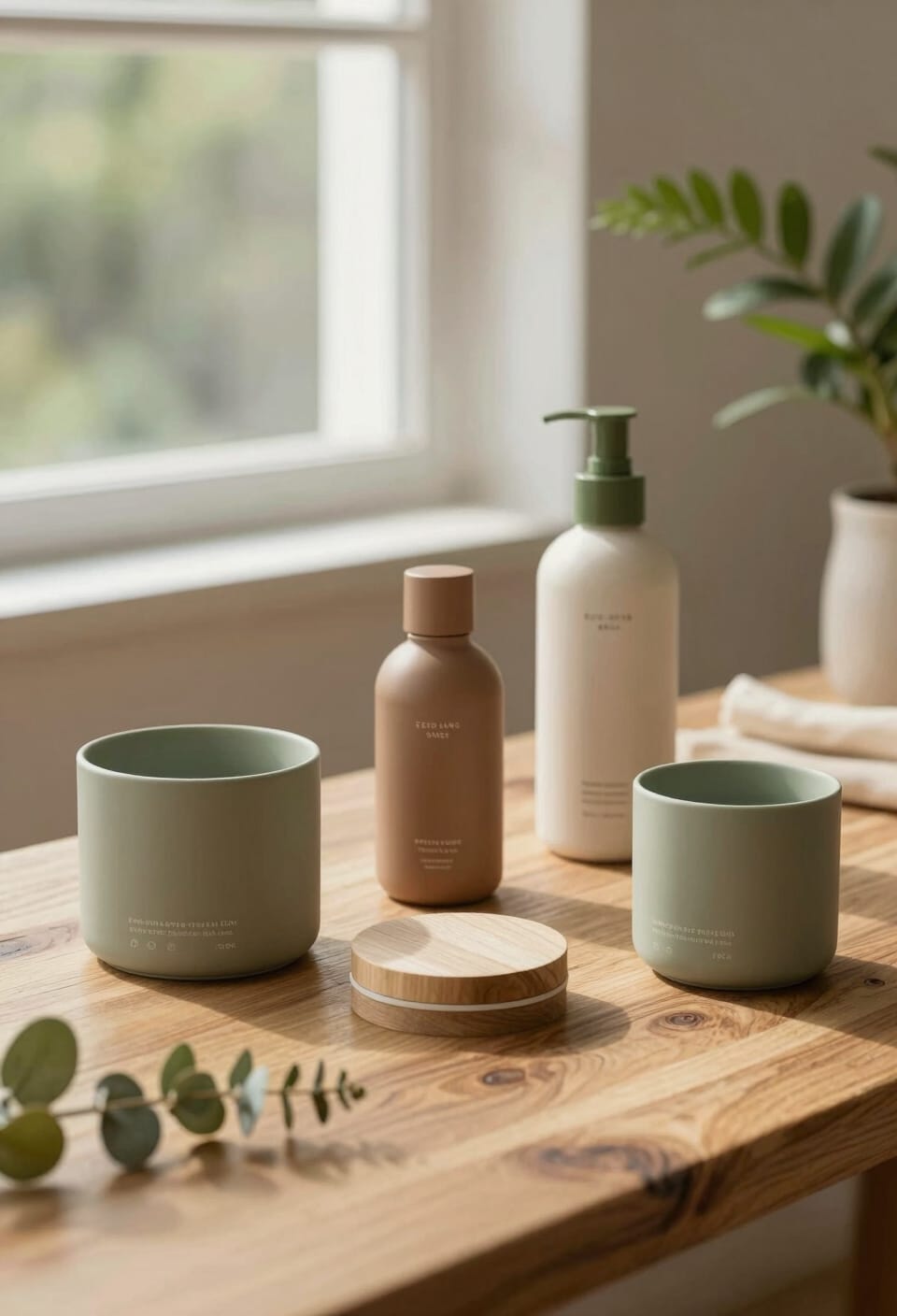
Try swapping out those disposable items for reusable ones. It sounds simple, but it can lead to a big difference. Consider using metal straws instead of plastic ones, carrying a refillable water bottle, or investing in cloth bags for shopping trips.
Honestly, little changes can add up quickly and help reduce the plastic mess we’re leaving behind.
So, why does this matter? There’s a direct connection between our choices and the health of our planet. Every piece of plastic you don’t use is one less threat to ocean life.
The best part is making these changes doesn’t have to be a burden. You’re not giving up convenience; you’re just switching gears.
Next time you reach for a single-use item, ask yourself if there’s a reusable alternative.
In the end, it’s about taking small steps toward a healthier world. Every effort counts. Are you ready to start your journey toward using less plastic?
Key Takeaways
- The invention of Parkesine in 1862 marked the beginning of the plastic age and foreshadowed the rise of single-use plastics.
- Polyethylene’s accidental discovery in 1933 paved the way for the mass production of single-use items in modern consumer culture.
- Post-World War II, the shift toward affordable plastic goods contributed to the widespread adoption of single-use plastics in everyday life.
- Single-use plastics became entrenched in the throwaway culture from the 1950s, leading to significant environmental consequences and waste challenges.
- The average daily consumption of one pound of plastic per person illustrates the extensive impact of single-use plastics on modern society.
The Birth of Plastics: How It All Began

When you think about how plastics came to be, it’s a fascinating story that starts with a curious guy named Alexander Parkes. Back in 1862, he introduced Parkesine, and believe it or not, this was the start of the plastic age! Fast forward a bit, and you’ll find John Wesley Hyatt coming up with celluloid—the first synthetic polymer. This invention opened the door to countless plastic innovations we see today.
Here’s where it gets interesting. By 1908, Jacques E. Brandenburg amazed everyone with cellophane, which completely changed plastic packaging and how we store food. Then in 1933, polyethylene was discovered by accident, and it became a huge player in the world of single-use items. So, why does this matter? Early plastics were mostly just novelties. Look at how far we’ve come since then!
On a practical note, you might appreciate how much plastics influence our daily lives. From toothbrushes to containers, it’s hard to imagine a world without these materials. The best part is that the story of plastics isn’t just about their past; it’s about how we can use them wisely in the future. Using eco-friendly packaging alternatives is one way to reduce the environmental impact of single-use plastics.
The Industrial Boom: Plastics During and After WWII

Have you ever wondered how a global conflict reshaped our daily lives? When World War II kicked off, it pushed the limits of technology and sparked a boom in plastic production. Suddenly, materials like rubber became hard to find, and plastics swooped in to save the day. They became the go-to choice for everything from military gear to household items.
As factories cranked out new products, innovation flourished. You might be surprised to know that essential items like nylon and Plexiglas were born during this time. After the war, people were eager to embrace change, and plastic consumer goods became really affordable. It’s pretty remarkable that a crisis could lead to such a surge in new materials that transformed how we live.
Take a look at the first National Plastics Exposition in 1947. It was a big deal, showcasing exciting new plastic products that would soon find a place in our homes. This was the beginning of a shift towards convenience, laying the foundation for what we now call our throwaway culture. So, why does this matter? It reshaped not just what we buy, but how we think about consumption and waste.
Truth is, we’re living in the plastic paradise that emerged from wartime necessity. To make the most of it, think about what you really need and how often you use items made from plastic. You’ll find it’s often about striking a balance between practicality and being environmentally conscious. Incorporating eco-friendly materials like recycled polyethylene in modern products can help mitigate some environmental impacts of plastic use.
In wrapping up, the relationship between WWII and our modern use of plastics is a fascinating story of necessity leading to innovation. How do you plan to navigate living in this plastic-filled world?
The Rise of Convenience Culture and Single-Use Plastics

Ever noticed how easy it is to grab a plastic bottle of soda or takeout container without thinking twice? It’s kind of a trap, isn’t it? This convenience has reshaped our lives in ways we might not even notice. Since the 1950s, we’ve jumped on the single-use plastic bandwagon, and now throwaway culture feels normal. Remember those Tupperware parties? They pitched durable plastic as the way to go, making us forget just how disposable it really is.
These days, you might be using around a pound of plastic every single day. That’s a crazy amount of plastic waste—seriously! And what’s worse? Less than 9% of that waste actually gets recycled. So, why does this matter? It’s high time we start thinking about our packaging choices. When you’re getting takeout, consider that reusable options can be just as easy and so much better for the planet.
Try this: next time you’re tempted to grab that plastic container, pause for a sec. Maybe bring your own reusable bag or container instead—after all, that’s a small change that adds up. Truth is, every little step counts when it comes to tackling this waste problem. Choosing reusable canvas bags is a simple yet effective way to reduce plastic use and support sustainability.
Environmental Costs of Plastic Pollution
Have you ever thought about where all that plastic you throw away ends up? It’s not just a nuisance; it’s actually causing serious problems for our environment! Each year, about eight million metric tons of plastic make their way into the oceans, bringing chaos to marine life and ecosystems. The Great Pacific Garbage Patch is a stark reminder of how plastic pollution gathers and creates huge environmental headaches.
It’s alarming to know that over 1,565 wildlife species accidentally ingest plastic. This leads to injuries and even starvation, which is really heartbreaking. Microplastics are another concern—they seem to be everywhere, sneaking into our soil and food chain. Given that the production of single-use plastics is projected to jump by 70% by 2040, it’s clear that we need to focus on finding sustainable alternatives.
One effective way to combat plastic pollution is by switching to plastic-free dish soaps, which reduce plastic waste while maintaining cleaning power.
So, what can you do? Here are some practical steps to help reduce your plastic footprint:
- Opt for reusable bags, bottles, and containers.
- Choose products with minimal packaging or those made from alternative materials.
- Support brands that prioritize sustainability.
Every little bit counts. By making conscious choices to cut down on plastic use, you contribute to a healthier planet. So, let’s tackle this challenge together! After all, the health of our environment is crucial for future generations. What small change can you make today?
How Plastic Pollution Affects Ecosystems and Human Health
Have you ever thought about what happens to that plastic bottle after you toss it in the recycling bin? It’s pretty shocking, but around eight million metric tons of plastic find their way into our oceans every year. This plastic isn’t just cluttering up the ocean; it’s harming marine life and throwing ecosystems off balance.
Microplastics are everywhere, and they’re not just hanging out in the ocean. They can end up in the food chains of over 1,565 wildlife species, raising some serious concerns. So, why does this matter? It’s not just a wildlife issue; it directly affects human health, too. Chemicals found in plastics, like endocrine disruptors, have been discovered in our organs. That’s a wake-up call we can’t ignore! Plus, think about how these contaminants are sneaking into our food supply, leading to health risks associated with what we eat.
Here’s the trick: next time you’re about to reach for that single-use plastic, take a moment to think about the ripple effect of your choices. It’s easy to feel like your actions are small, but when millions of us make an effort, it can add up to a real difference.
As we tackle plastic pollution together, consider swapping out that plastic bottle for a reusable one or seeking out plastic-free alternatives. The best part is that these small changes can have a big impact on both our planet and our health. For example, choosing products with eco-friendly ingredients can reduce the harmful effects of synthetic chemicals on the environment.
In the end, it’s all about making conscious choices. Every step counts, and you can be part of the solution. What’s one change you can make today that will benefit the earth and your health?
Limitations of Recycling: Why It’s Not a Complete Solution
Have you ever tossed your plastic bottles into the recycling bin and felt good about it? It’s a nice thought, but here’s the kicker: only about 9% of the plastic we produce worldwide actually gets recycled. That’s surprising, right? Most of our single-use plastics end up in landfills instead of being transformed into something useful. And those little things, like plastic lids? They often slip through the cracks and only add to the mess in our environment.
You might hear a lot about chemical recycling hitting the scene, but it’s not always the answer we hope for. This process can lead to toxic emissions and create hazardous waste—a real downside, if you ask me. With plastic production projected to increase by a whopping 70% by 2040, depending on recycling alone won’t cut it. So, what can you do? Here’s the trick: focus on reducing waste right from the start.
Try this: think about your plastic habits. Can you swap out that single-use water bottle for a reusable one? Or maybe opt for glass containers instead of plastic? These small changes can add up to make a real difference. It’s not just about recycling; it’s about cutting down on the plastic we use in the first place. For instance, choosing BPA-free silicone containers for travel can reduce reliance on disposable plastic bottles and promote sustainability.
Honestly, rethinking our plastic consumption is vital. We don’t have to wait for some magical solution to fix our problems. Each of us can contribute to a healthier planet by making smarter choices today. So, what’s your next step in reducing plastic waste?
How Are We Addressing Plastic Pollution Globally?
Have you ever stopped to think about the mountains of plastic waste piling up around us? It can feel like a huge problem, but there’s plenty of hope out there! In 2022, an impressive 175 nations got together to create a new global plastics treaty aimed at cutting down plastic pollution. This international effort is a step in the right direction, but the real change often starts at the community level.
Local towns and cities are stepping up by banning single-use plastics and creating more sustainable habits. Ever seen a beach cleanup? Communities are coming together, organizing local clean-up events, and making a cultural shift toward sustainability. These grassroots efforts remind us that everyone can play a part.
So, why does this matter? The quiet threat of microplastics is something we can no longer ignore. Advocacy groups are raising awareness and pushing for crucial changes at the government level. These efforts highlight the importance of staying informed about what’s in the products we use every day.
The best part is, movements like Break Free from Plastic conduct annual audits that spotlight major plastic polluters. This isn’t just about pointing fingers; it’s about holding corporations accountable for their role in pollution. You have the power to make noise! Talk about these issues, participate in clean-ups, and hold companies to their promises.
With all these efforts happening around the globe, it’s clear that change is possible. One practical step individuals can take is switching to compostable food scrap bags to reduce plastic waste and support sustainable disposal methods. So, what can you do today to contribute? Every small action counts—together, we can create a cleaner future!
How Corporations Contribute to Plastic Waste
Have you ever looked at all the plastic waste piling up in your home and thought, “Where’s this all coming from?” It’s easy to point fingers at ourselves, but it’s important to take a hard look at the companies behind the products we use every day. Since the 1950s, the plastic industry has pushed disposable products on us, making it a norm to just throw things away. And while you might be doing your part to recycle, I have to say, it’s pretty frustrating to see companies like PepsiCo and Coca-Cola contributing to the plastic mess that ends up in our streets and oceans.
So, what’s the deal with recycling? Despite shiny advertisements promising eco-friendliness, we should know the global recycling rate for plastics is under 10%. That means most of what we’re trying to recycle isn’t actually being recycled. It’s disheartening to think that our efforts might be going to waste—literally!
Here’s a thought: Next time you grab a drink or snack, ask yourself if you really need that plastic-wrapped product. Is there a better option available? Companies must take responsibility for the waste they create. It’s not just our choices that lead to plastic pollution; it’s also this larger system that encourages a throwaway attitude towards products.
Truth is, while you can make changes in your everyday life, it’s going to take more than just individual action to tackle this issue. Corporations need to step up and offer sustainable alternatives. The best part is, when we hold them accountable, we can push for change that benefits everyone.
One solution gaining momentum is the use of biodegradable plant pots, which reduce plastic waste by decomposing naturally and enriching the soil.
Let’s recap: You’re doing your best to reduce plastic use, but remember that corporations have a huge part to play in this mess too. So next time you reach for that item, think: what’s behind that packaging, and how can I make a choice that’s better for the planet?
Steps Towards a Sustainable Future: Reducing Our Plastic Footprint
Have you ever noticed how much plastic waste we create every day? It’s honestly a staggering amount. Every little action we take can make a noticeable difference in reducing that plastic footprint. So, what can you do? For starters, say no to single-use plastics like bags and straws. Those tiny items might seem harmless, but they really add up over time!
Here’s the trick: get involved in your community. Advocate for local bans on those annoying plastics and support laws that promote sustainable practices. When we band together to raise awareness about plastic pollution, it not only helps our environment but also inspires others to take action. Community engagement is crucial!
Consider adopting refill and reuse habits when grocery shopping. Some stores offer zero-waste sections where you can bring your own containers, and that’s a fantastic way to cut down on waste. Also, try looking for products that come with minimal packaging. It might take a little extra effort, but it’s a step in the right direction. One great alternative to single-use plastic bags is investing in reusable silicone food storage bags, which are durable, eco-friendly, and versatile for many uses.
Frequently Asked Questions
What Are the Main Types of Single-Use Plastics?
We often encounter single-use plastics like bottle caps, plastic bags, food packaging, disposable cutlery, straws, single-use containers, and polystyrene foam. These items are ubiquitous in our daily lives, yet they contribute considerably to environmental issues.
How Do Single-Use Plastics Impact Wildlife Directly?
Single-use plastics harm wildlife through plastic ingestion and entanglement, leading to habitat destruction and ecosystem disruption. Endangered species suffer from toxin accumulation and food chain impacts, threatening marine life and overall biodiversity. We’ve got to act.
Are There Alternatives to Single-Use Plastics in Daily Life?
Yes, there are numerous alternatives! We can use reusable products, biodegradable materials, sustainable packaging, plant-based alternatives, compostable solutions, glass containers, metal straws, and other eco-friendly options to reduce our reliance on single-use plastics.
What Efforts Are Being Made to Ban Single-Use Plastics?
We’re seeing legislative measures and public awareness grow alongside environmental campaigns. Corporations are embracing responsibility, while recycling initiatives and policy changes encourage better consumer behavior, bolstered by international agreements aimed at reducing single-use plastics globally.
How Can Individuals Reduce Their Reliance on Single-Use Plastics?
We can reduce our reliance on single-use plastics by embracing eco-friendly habits, like using reusable options, supporting community initiatives, and exploring plastic substitutes. Thrift shopping and local activism further enhance our zero-waste lifestyle and consumer awareness.


