
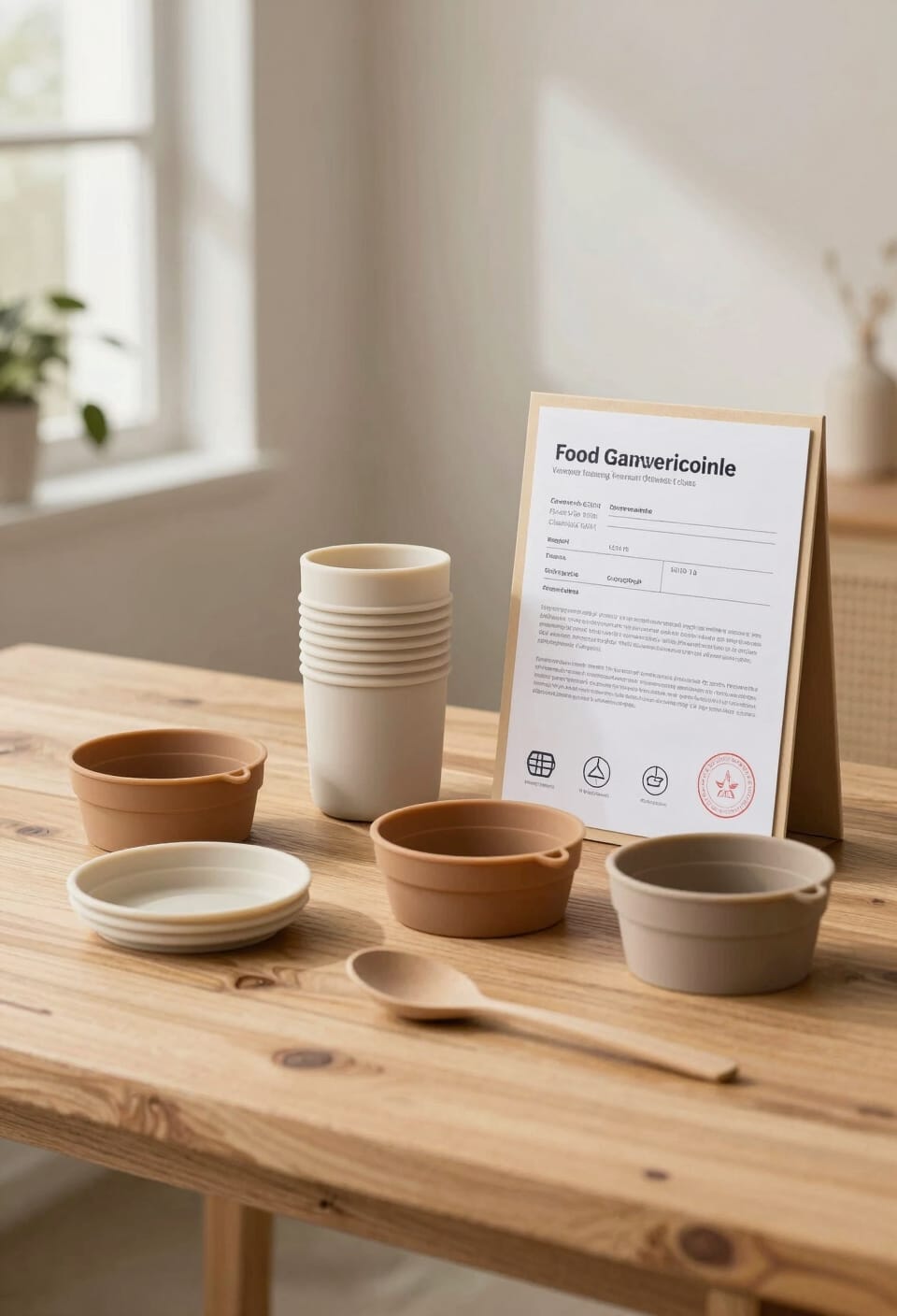

Ever wondered if the silicone utensils and bakeware in your kitchen are actually safe? Understanding food-grade silicone is crucial for your health. It’s designed to follow strict safety standards, like FDA certification, which means you don’t have to worry about harmful substances leaching into your food.
When you’re on the hunt for silicone kitchen products, make sure to check for certifications like NSF/ANSI 51. Not all silicone is created equal, and choosing high-purity, platinum-cured types can make a big difference.
You might have heard some crazy myths about silicone, right? Truth is, there’s a lot of misinformation out there! So, what should you look for? Here are a few tips:
- Always check for FDA or NSF certification.
- Stick with brands that specifically label their products as food-grade.
- Don’t settle for cheaper silicone that might not meet safety standards.
The best part is, you can enjoy cooking without the worry when you make informed choices!
Remember, keeping your kitchen safe doesn’t have to be complicated.
So, next time you’re shopping for silicone products, keep these tips in mind. What will you choose for your kitchen?
Key Takeaways
- Food-grade silicone is safe for food contact and must meet strict certification standards like FDA and NSF/ANSI 51 to ensure safety.
- Certifications ensure that the silicone has passed rigorous testing for harmful chemicals and leaching, confirming it is non-toxic and durable.
- High-purity platinum-cured silicone is safer than tin-cured silicone, which may contain harmful additives; seek this type for better quality.
- Always check for certification logos, like NSF, on products to guarantee compliance with safety standards for culinary use.
- Technical Data Sheets (TDS) provide essential details about silicone products, including safety specifications and temperature resistance limits.
What Is Food-Grade Silicone and Why Does It Matter?
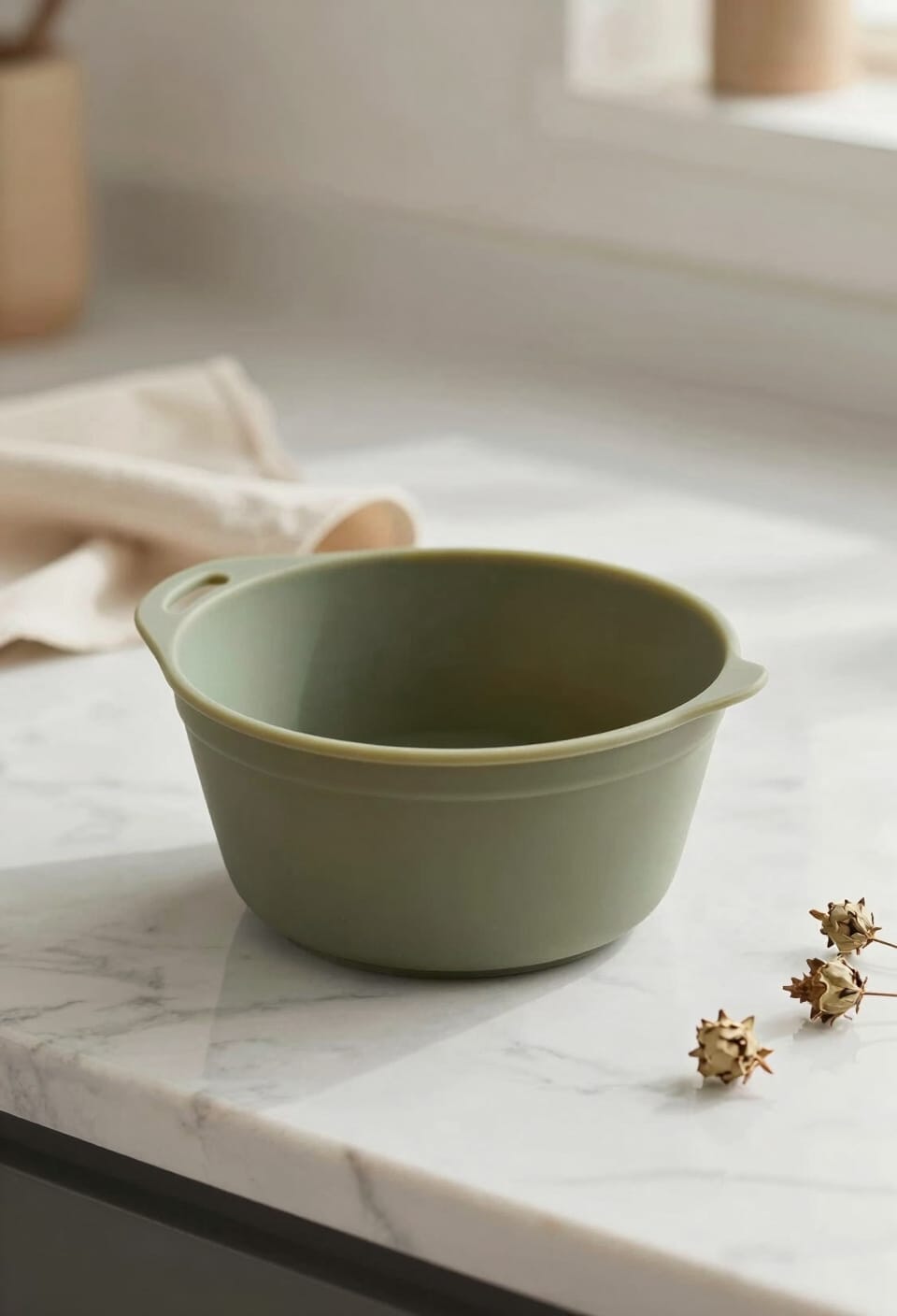
When you’re in the kitchen, the last thing you should worry about is whether your cooking tools are safe. That’s where food-grade silicone comes into play. It’s made specifically for direct contact with food and meets safety standards, like FDA approval.
Regular silicone can contain harmful chemicals, but food-grade silicone is non-toxic and much purer. You definitely don’t want any nasty stuff in your meals! Not to mention, it’s great at handling extreme temperatures, ranging from -60°C to 230°C. Whether you’re using it for baking trays or spatulas, it gets the job done without breaking a sweat.
So, why does this matter? It’s certified by trusted groups like NSF/ANSI 51, meaning it won’t leach any harmful substances or harbor bacteria. Using silicone products in your kitchen allows you to whip up delicious meals without worrying about your health.
The best part is that you can mix different colors and styles to match your kitchen décor. Plus, cleaning silicone is a breeze; just toss it in the dishwasher or wash it with soap and water. Many food-grade silicone products are also designed to be dishwasher safe, making cleanup even easier.
In short, food-grade silicone is a safer choice for your kitchen. Are you ready to make the switch?
Key Applications of Food-Grade Silicone in Various Industries

Have you ever thought that food-grade silicone is just another fancy gadget for your kitchen? Well, it’s actually so much more than that! This material is a true multitasker, popping up in a variety of industries.
Let’s start with the kitchen, where you probably see it the most. Bakeware made from food-grade silicone is not just trendy; it’s durable and safe for cooking. From baking molds to spatulas, these items are FDA compliant, meaning they’re safe for direct contact with food. But the benefits don’t stop there.
In the food processing sector, silicone is vital. It’s used for gaskets and seals, which play a crucial role in preventing contamination during food production. So, why does this matter? Well, it keeps everything safe and sound, ensuring that what you eat is clean and free from harmful substances.
The medical field takes advantage of food-grade silicone too. You probably didn’t realize that baby bottle nipples and pacifiers often contain this non-toxic material. It’s a great choice for these products, giving peace of mind to parents who want the best for their kids. The dairy industry also loves silicone. It’s commonly found in tubing and connectors that transport beverages while adhering to strict safety standards.
The hospitality sector is another big fan. Silicone’s temperature resistance and easy cleaning make it a favorite in commercial kitchens. If you’ve ever worked in one, you know how important that is.
Additionally, many chefs prefer using eco-friendly cooking utensils made from bamboo alongside silicone tools, as both materials protect cookware surfaces and promote sustainable kitchen practices.
In short, food-grade silicone is far from just another kitchen fad. It’s making a difference across many fields. Have you considered using more silicone products in your daily life?
Why Does FDA Certification Matter for Food-Grade Silicone Products?
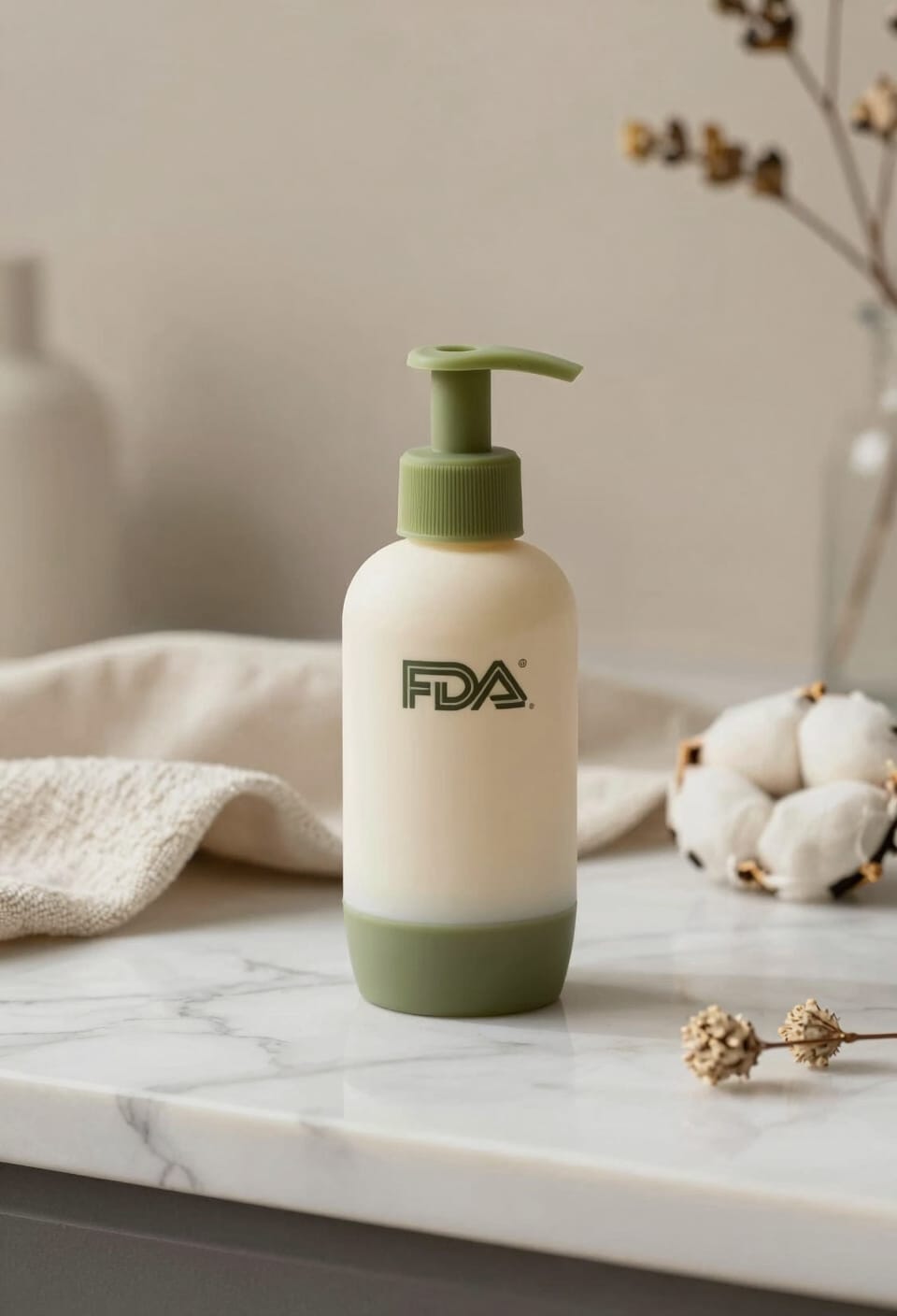
Ever wonder what really makes food-grade silicone safe for our kitchens? It’s a question worth exploring, especially when it comes to the products we use daily. FDA certification for food-grade silicone isn’t just a fancy label—it’s about keeping our food safe from harmful substances.
So, what does it mean when silicone is FDA certified? This mark guarantees that the silicone has been through some serious testing to ensure it doesn’t leach harmful chemicals into our food. We’re talking about rigorous checks that confirm there are no nasty toxins lurking in that colorful spatula or baking mat you might be using.
Here’s the trick: when you’re shopping for kitchenware, look for that FDA mark. Approved silicone is not only safe but also non-toxic and odorless, making it ideal for all kinds of food contact materials. It’s a simple way to know you’re making safe choices.
Now, don’t just settle for any “food safe” label you see. Honestly, those products without FDA backing might not have faced the same strict tests. Are you willing to risk it? It’s always better to be cautious.
To sum it up, FDA certification is essential for ensuring the safety of food-grade silicone products. The next time you’re in the store, keep this in mind and choose wisely—your kitchen deserves the best! What are your go-to tips for safe kitchen products?
Additionally, just as with reusable razors, considering sustainability and eco-friendliness in your kitchen tools can contribute to a healthier planet while maintaining safety and quality.
The Role of Independent Testing in Certifying Safety
Ever feel like you can trust a product just because it has that shiny FDA certification? Well, hold on a second! Independent testing is key to making sure food-grade silicone is truly safe. Remember, certifications like NSF/ANSI 51 and LFGB are more than just fancy labels; they prove that these materials meet FDA regulations and other safety standards.
These tests look at crucial aspects like chemical leaching and how well the material resists bacterial growth. So, why does this matter? Because it helps keep your food safe and healthy. Plus, having independent third-party verification means that manufacturers are held to these standards. It’s definitely worth your time to check for certifications like the NSF logo or take a peek at the NSF Certified Products Directory.
Many products that meet these certifications also ensure non-toxic safety, which is essential in reducing health risks when materials come into contact with food.
Here’s the trick: before you trust any silicone product for your cooking, make sure it has been properly tested and certified. It’s always better to be safe than sorry! Just a quick look can save you from potential issues down the line.
In short, knowing about certifications can really make a difference in what you choose for your kitchen. Have you checked the labels on your silicone cookware lately?
Dispelling Myths: Is All Silicone Food-Safe?
Ever wondered if all silicone products are safe for food? You’re not alone! It turns out not all silicone is created equal. To ensure your kitchen gear is food-safe, it’s important to look for specific certifications such as those from the FDA or LFGB.
High-purity platinum-cured silicone is usually the safest option. It’s non-toxic and odorless, which is exactly what you want when making food. On the other hand, stay away from tin-cured silicone. This cheaper alternative can retain harmful chemicals, which is a big concern for anyone who loves cooking!
Always keep an eye out for safety certifications, like NSF logos, which can help you confirm that the silicone rubber materials you’re using are truly safe for your culinary adventures. Additionally, many food-grade silicone covers boast a temperature resistance range from –40°F to +430°F, ensuring durability and safe use across diverse kitchen tasks.
Essential Certifications for Food-Grade Silicone
How can you be sure that the silicone in your kitchen is safe? It’s crucial to look for essential certifications because not all products are created equal! First off, keep an eye out for the FDA food grade standard. This certification ensures that the silicone doesn’t release harmful substances during food processing, which is a huge relief.
Next, you’ll want to check for NSF/ANSI 51 certification. This is really the gold standard when it comes to materials that come in contact with food. It means the product underwent rigorous testing, which helps prevent chemical leaching and keeps pesky bacteria at bay. If you happen to be in Europe, look for products meeting the LFGB standard. This is your best bet for ensuring quality.
When shopping, remember this trick: always search for that NSF logo. It’s a reliable way to know you’re making a safe choice. Don’t hesitate to ask for Technical Data Sheets, and take a moment to consult their Certified Products Directory. Honestly, vague claims like “food safe” often lead to more questions than answers.
To ensure longevity and safety, also consider silicone that is reinforced with fiberglass for added durability and heat resistance.
Tips for Choosing the Right Food-Grade Silicone Products
Choosing the right food-grade silicone products for your kitchen can be a bit tricky, right? You want to feel confident that you’re making smart decisions when it comes to food safety.
Start by looking for certifications that matter. Check for FDA approved, NSF/ANSI 51, or LFGB labels. These guarantees can make a big difference in ensuring the products are safe for food contact. It’s a simple step that provides peace of mind.
Next, consider the type of silicone. Opt for platinum-cured silicone; it’s purer and won’t leak harmful toxins into your food. You want your cooking tools to help, not hinder, your healthy meals. Moreover, don’t overlook temperature ratings. Look for products that can withstand a temperature range from -60°C to +230°C. It’s essential, especially for cooking and proper food storage.
And here’s the trick: always ask for the Technical Data Sheets (TDS) and Safety Data Sheets (SDS) from the supplier. These sheets contain important details about the materials, which can be a real help in making your decision.
One last thing—be wary of vague claims like “food safe.” What does that even mean? Make sure to stick with certified products; this way, you know you’re on the safe side.
Additionally, choosing silicone products that are BPA-free and eco-friendly supports both your health and the environment.
In the end, choosing the right food-grade silicone is all about being informed. Are you ready to take your kitchen safety seriously? Happy cooking!
Understanding the Compliance Process for Food-Grade Materials
Understanding the compliance process for food-grade materials can feel overwhelming, right? But it’s super important for our health! If you’re curious about how food-grade silicone meets FDA standards, it all starts with extensive testing for harmful substances and chemical leaching.
Manufacturers can’t just claim their products are safe; they need to back it up with certifications from trusted organizations like NSF/ANSI 51. This certification process includes evaluations for things like resistance to bacterial growth and durability under various temperatures. Plus, ongoing audits keep manufacturers on their toes, ensuring that quality stays consistent throughout production.
So, how can you tell if a product’s safe? Check the labels—if you see certification logos, that’s a great sign! And don’t hesitate to ask for Technical Data Sheets (TDS) from the manufacturer if you want more details.
Truth is, making informed choices benefits your health. Remember, choosing food-grade materials that meet safety standards is a wise move. For example, many airtight food storage products use silicone sealing rings that are tested for safety and durability. So, the next time you’re shopping, take a moment to check those certifications. After all, your health is worth the extra effort!
Frequently Asked Questions
How to Recognize Food Grade Silicone?
To recognize food-grade silicone, we should look for high-quality manufacturing processes, compliance with health standards, and durability testing results. Understanding its properties, benefits, and environmental impact helps us choose safe silicone alternatives while ensuring food safety.
What Does 100% Food Grade Silicone Mean?
Imagine baking with a trusty non-stick pan—we’re talking about 100% food grade silicone! It meets food safety standards, offers eco-friendly benefits, and outlasts plastic, ensuring exceptional durability for all our culinary adventures.
What Does LFGB Certified Mean?
LFGB certified means products meet stringent safety standards, ensuring no harmful substances migrate, especially in kitchenware. Compared to FDA, LFGB offers greater consumer trust and benefits sustainability, making it an essential certification for food safety.
Is Food Grade Silicone Really Non-Toxic?
Is food-grade silicone really non-toxic? Yes, we’ve found it’s safe, with no toxic chemical exposure like with plastics. It’s perfect for cookware, baby products, and food storage, minimizing allergy issues and promoting health benefits while considering environmental impact.


