


Have you ever wondered what makes silicone safe for your food? It’s a great question! Silicone is food-safe because it’s made from a combination of silicon, oxygen, carbon, and hydrogen. This combination creates a stable, non-toxic polymer that won’t absorb harmful substances, keeping your food safe.
Here’s the trick: when you’re shopping for silicone products, make sure to look for ones that are platinum-cured. These are not only more durable but also more reliable for cooking and baking. You’ll find that FDA guidelines confirm food-grade silicone is free from harmful fillers, which is reassuring.
So, why does this matter? Keeping your kitchen tools safe is essential for both your health and the quality of food you prepare. Plus, dependable kitchenware can make cooking more enjoyable!
Honestly, it’s easy to get overwhelmed with all the options available. Just remember to check for those platinum-cured silicone items, and you’ll be on the right track.
In summary, silicone’s unique chemical composition makes it a safe choice for food preparation. What’s the next step on your journey to a safer kitchen?
Key Takeaways
- Food-grade silicone is FDA approved and follows strict guidelines ensuring non-toxicity and safe food contact.
- Its composition includes silicon, oxygen, carbon, and hydrogen, creating a stable polymer that does not react with food.
- The lack of harmful fillers like BPA and BPS in high-purity silicone ensures no harmful chemicals leach into food.
- Platinum-cured silicone enhances safety, offering high durability, extreme temperature resistance, and hypoallergenic properties for food applications.
- Silicone’s chemically inert nature prevents flavor absorption and contamination, making it ideal for cooking and food storage.
What Makes Silicone Safe for Food Contact?

When you’re in the kitchen, food safety is a big deal, right? That’s why I always reach for silicone products like baking mats, spatulas, and storage containers. They’re not just trendy; they actually come with some serious safety benefits. For starters, food-grade silicone is FDA approved, which means it can safely touch your favorite snacks without any worries. It’s a blend of silicon, oxygen, carbon, and hydrogen, so it’s free from harmful stuff like BPA, which is a huge relief.
Now, you might be wondering why this matters. Silicone’s chemically inert nature means it won’t react with your food or soak up weird flavors. Imagine baking a cake and it tasting like the last thing you made—no thanks! Plus, if you opt for platinum-cured silicone, you get even better durability. You can bake at high temps—up to 450°F—without stressing about it losing its shape or function. That’s perfect for those delicious creations you love to whip up.
Another great advantage is that silicone seals in bento boxes help maintain freshness and are easy to clean.
So, try this: when you’re choosing kitchen gadgets, take a closer look at silicone options. They’re practical, safe, and can really take the heat. Honestly, finding the right cooking tools can make all the difference in your kitchen experience.
Key Elements of FDA Food-Grade Silicone
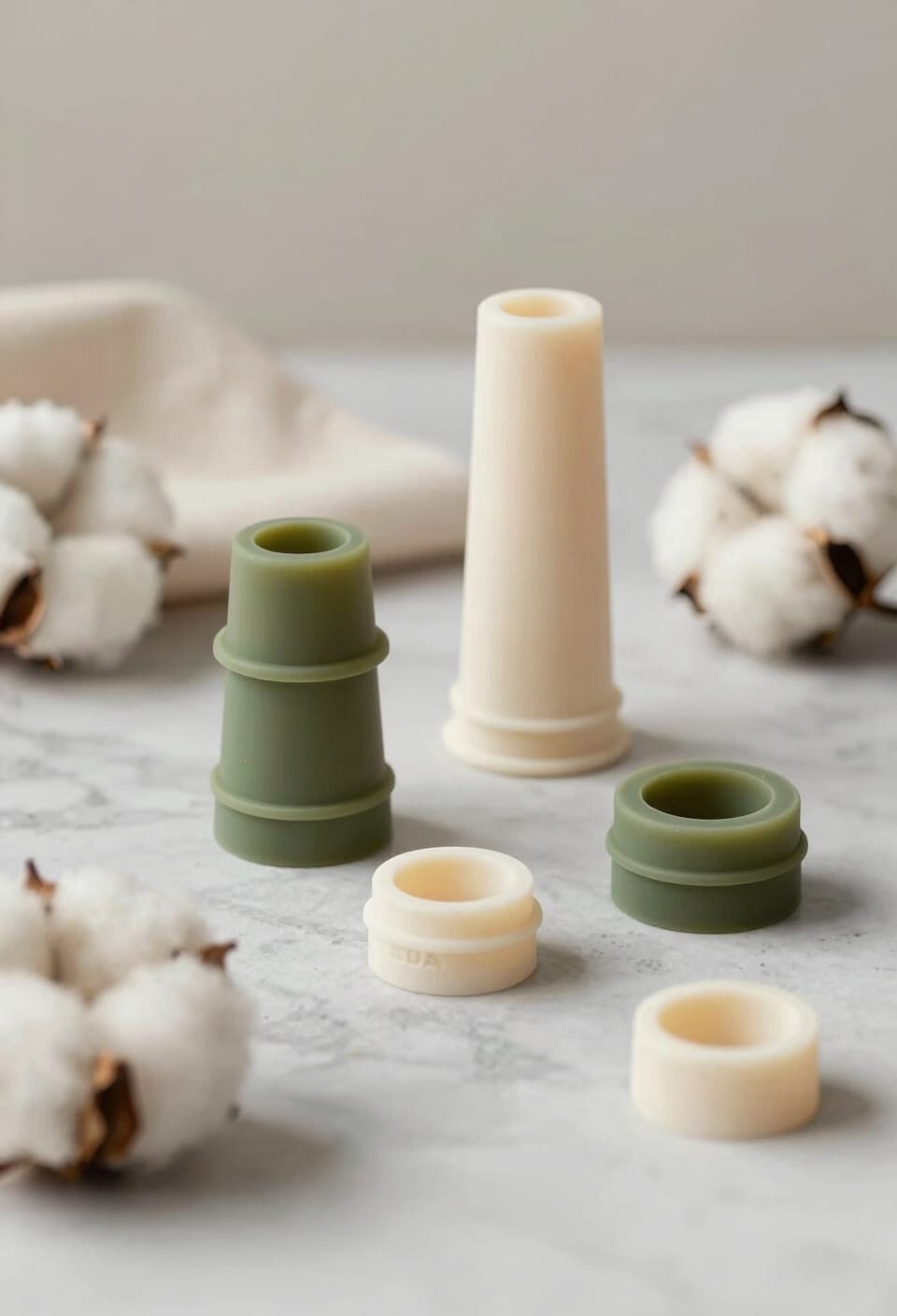
Ever wonder what really makes silicone safe for food? Let’s dive into it! FDA food-grade silicone is crafted from four main elements: silicon, oxygen, carbon, and hydrogen. Together, these elements form a stable polymer that’s non-reactive, meaning it won’t mess with your food. It’s cool to know this silicone is derived from natural sources like sand and quartz, giving us a flexible and durable material that’s perfect for all your cooking and storage needs!
So, why should you care about what’s in your silicone kitchenware? Manufacturers stick to strict guidelines to keep it safe, avoiding nasty fillers like BPA or BPS. This is crucial for ensuring that when you cook or store food, you’re not introducing harmful chemicals into your meals. The best part is that you can find high-purity options, like platinum-cured silicone, which provide extra stability and have an even lower risk of breaking down over time.
Next time you grab your silicone bakeware, remember you’re using something designed with food safety in mind. It’s a great choice for those who love cooking without the worry of chemicals leaching into their food. Honestly, that’s something we all can appreciate!
When it comes down to it, silicone can be a smart option for your kitchen. But do you ever think about the materials in the tools you use? It’s worth considering how those choices affect your cooking and health!
What Are the Key Benefits of Platinum-Cured Silicone?

Do you ever wonder what makes some silicone products safer and more reliable than others? Platinum-cured silicone really deserves a spot on your radar, especially if you’re cooking for your family. It’s specifically made for food contact, which means you can feel good about using it for all your kitchen needs.
One of the best parts is that it’s non-toxic and hypoallergenic. This is especially important if you have little ones around. You wouldn’t want anything harmful slipping into your meals, right? Plus, you don’t have to worry about allergies when using this stuff.
Temperature resistance is another area where platinum-cured silicone shines. It can handle everything from extreme cold (-60°C) to high heat (+230°C) without breaking a sweat. Honestly, how many kitchen tools can boast that kind of temperature range? It’s perfect for everything from freezing to baking.
You can also count on it to be durable. It has a slow degradation rate, meaning it lasts longer than many alternatives. And since it’s highly resistant to chemicals, it won’t react with the food you prepare or any industrial chemicals you might have around.
Similar to bamboo utensils that offer durability and longevity, platinum-cured silicone is designed to endure frequent use in various cooking conditions.
So what does all this mean for you? If you’re tired of constantly replacing your kitchen tools or worrying about the safety of what you’re using, platinum-cured silicone can really check all those boxes for a reliable kitchen companion. Plus, it meets tough FDA standards, giving you that extra peace of mind!
How Do FDA Standards Ensure Silicone Safety?
How Do FDA Standards Ensure Silicone Safety?
Ever wonder if the silicone bakeware or kitchen tools you’re using are safe? You’re not alone! Understanding FDA standards helps you make choices that keep your kitchen—and your food—safe.
The FDA has specific guidelines for food contact materials, primarily found in 21 CFR Part 177.2600. This means that if a product is labeled as food-grade silicone, it must be non-toxic and free from harmful fillers like BPA and BPS. That’s a huge relief! When you’re prepping your favorite meals, you can feel comfortable knowing that the silicone you’re using isn’t leaching harmful chemicals into your food.
Manufacturers don’t just slap a label on their products; they go through rigorous testing to ensure everything’s up to snuff. Regular audits by third-party organizations help keep them honest and compliant with these strict regulations. So, how does silicone stay safe? Its composition mainly includes silicon, oxygen, carbon, and hydrogen, making it stable and inert. This means you can whip up those delicious dishes without worrying about unexpected chemical reactions.
Additionally, silicone’s non-toxic materials contribute to its safety and compatibility with food preparation, as highlighted by standards seen in reusable consumer products.
Want to know the best part? When you’re using quality silicone products, you can focus on what matters: cooking and sharing meals with loved ones. So much to appreciate in our daily kitchen adventures!
Common Uses of Food-Grade Silicone in Industries
Ever wonder where food-grade silicone shows up outside your kitchen? It pops up in quite a few surprising places! It’s great for food production, acting as safe seals, gaskets, and molds that ensure everything touching our food is safe. Its non-toxic nature makes it a no-brainer for food storage containers and cooking utensils—no mystery chemicals sneaking into our meals here!
The best part is, silicone that’s FDA-approved meets some serious testing standards, putting public health first. You’ll also spot it in food processing machinery, where it creates effective seals that keep everything hygienic. And since it’s easy to clean and water-repellent, food-grade silicone is a solid choice for all your cooking and baking adventures.
So, why does this matter? Think about how often you rely on your kitchen tools and storage. Knowing they’re made from safe materials can really put your mind at ease, right? Next time you’re using silicone in your meal prep, you can feel confident that it’s looking out for your health, too!
In addition, many silicone cooking utensils feature heat resistance over 440°F, ensuring safety and durability during high-temperature cooking.
In short, food-grade silicone is everywhere, and it’s making a real difference. Have you noticed it in your kitchen supplies yet?
What to Look for in Safe Food-Grade Silicone Products?
When you’re out shopping for safe food-grade silicone products, have you ever stopped to think about what really makes them safe? It’s crucial to check if the materials follow FDA regulations, especially 21 CFR Part 177.2600. This ensures they’re safe for direct contact with your food.
Try this: go for platinum-cured silicone whenever you can. It’s much purer and way more stable than other alternatives. And don’t miss checking for NSF certification on the products you consider. That little stamp means they’ve gone through strict safety checks to make sure no harmful chemicals leak into your food.
How about temperature resistance? You’ll want your silicone to handle some serious heat (or cold, for that matter). Quality silicone can take temperatures from -60°C to +230°C! That’s like having a trusty tool in your kitchen that helps you whip up meals without worrying about those scary fillers.
In addition, choosing products with eco-friendly packaging supports both safety and environmental sustainability.
Frequently Asked Questions
What Makes Silicone Food Safe?
Silicone’s food safety comes from its durable properties, heat resistance, and compliance with health regulations. With proper cleaning methods and adherence to usage guidelines, it’s perfect for various cooking applications while minimizing environmental impact.
What Is the Chemical Composition of Food Grade Silicone?
So, we’ve all been fooled by shiny plastics, right? Food grade silicone’s composed of silicon, oxygen, carbon, and hydrogen—a polymer that’s durable, heat resistant, versatile for applications, and adheres to FDA regulations for our safety.
What’s the Difference Between Food Grade Silicone and Regular Silicone?
The difference between food grade silicone and regular silicone lies in food safety, heat resistance, and silicone properties. For cooking utensils and baking molds, we prefer eco-friendly materials that guarantee food preservation and effective silicone seals.
Does Silicone Leach Chemicals in Food?
Silicone generally doesn’t leach chemicals into food when it’s high-quality and food-safe. Its temperature resistance and durability align with safety standards, reducing toxicity concerns during microwave use or baking. We recommend trusted brands for peace of mind.


