

Have you ever thought about how much waste we generate every day? Teaching kids about zero waste isn’t just important—it’s also a fun experience for everyone involved!
For the little ones, start with something simple like a sorting activity. Gather some colored items around the house and let toddlers figure out which items go in which bins. They’ll love playing while learning about recycling.
For those in elementary school, creativity is the name of the game! How about diving into some recycled art projects? Use old magazines, cardboard boxes, or any materials you’d typically toss out to create something new. It’s a great way for kids to express themselves while also understanding the value of reusing materials.
As kids become tweens and teens, you can take things to another level. Have they ever thought about upcycling? Turn old jeans into stylish bags or transform plastic bottles into cool planters. It’s amazing what you can make with a little imagination!
And don’t forget about community involvement. Participating in local clean-up events can foster a sense of responsibility and teamwork while making it a fun social gathering.
Honestly, the best part about all of this is that you’re not just teaching them about sustainability—you’re inspiring them to make eco-friendly choices in their everyday lives.
So, why does this matter? Because instilling these habits early on helps cultivate a generation that cares for our planet.
In summary, getting kids involved in zero waste activities can be a wonderful bonding experience that teaches valuable lessons. What eco-friendly activities will you try with your children?
Key Takeaways
- Implement sorting games for preschoolers to teach recycling principles through colorful items and designated bins.
- Promote art projects for elementary school kids using recyclables to encourage artistic expression while reducing waste.
- Engage tweens and teens in upcycling projects, like transforming old jeans into bags, to inspire creativity and sustainability.
- Organize family challenges to monitor waste reduction progress together, fostering responsibility and teamwork in waste management.
- Participate in community clean-up events to instill a sense of environmental stewardship and collective action in children.
Understanding Zero Waste: What It Means for Kids
Have you ever thought about how much waste your family produces every day? It’s a surprising number—about 4.4 pounds per person in the U.S.! That can feel daunting, especially when we consider how this impacts our planet. But don’t worry; you’re not alone in wanting to make a difference. Let’s break down the idea of zero waste into something more manageable.
Zero waste is all about cutting down on trash by reusing, recycling, and composting whenever possible. It’s not just a trend; it’s a lifestyle change that benefits everyone. You might be wondering how to get started—simple changes can make a big impact. Here are a few everyday tips:
- Use reusable bags and bottles instead of single-use plastics.
- Keep a compost bin for food scraps.
- Sort your recycling right at home.
So, why does this matter? When kids learn to appreciate resources and question their consumption habits, they become more responsible stewards of the Earth. It’s essential to encourage conversations around waste with them. Ask questions like, “What can we reuse today?” or “How can we reduce our waste this week?” This helps them think critically and take ownership of their actions.
Honestly, the key is to inspire a zero waste mindset in a way that feels achievable rather than overwhelming. Small changes add up, and every little bit helps in keeping our planet clean. Let’s focus on teaching our kids the value of being mindful consumers.
In the end, it’s about making choices that benefit not just us, but future generations as well. One good example is choosing products with cruelty-free and environmentally conscious packaging to reduce pollution. What step will you take today to reduce your family’s waste?
Practical Strategies for Teaching Kids About Going Zero Waste at Home
Getting kids on board with zero waste at home can be an exciting journey for the whole family! Have you ever thought about how much food ends up in the trash each week? One way to combat that is by setting up a compost bin in a sunny spot in your backyard. Let your kids toss in food scraps and yard waste. It’s fascinating for them to watch how the compost breaks down over time!
Another idea is to make recycling a family affair. Assign age-appropriate tasks, like sorting recyclables during cleanup. This not only gets them involved but also teaches them valuable lessons about sustainability. And speaking of sustainability, think about switching to reusable containers for school lunches. Bento boxes, for example, can help kids realize the impact of minimizing single-use plastics while making lunchtime more fun.
Here’s the trick: engage them in creative projects! Gather some recycled materials and challenge them to make cool organizers or even toys. It’s a perfect way to let their imagination run wild while reinforcing the idea of reusing instead of tossing out.
Finally, how about setting a family challenge to reduce waste for a month? It’s not only fun, but it also shows everyone just how much of a difference you can make together. Making these small changes isn’t just good for your household; it can have a positive impact on the planet too. Using a compost bin with effective odor control helps keep the kitchen pleasant while teaching kids about managing waste responsibly.
Hands-On Recycling Games for Preschoolers
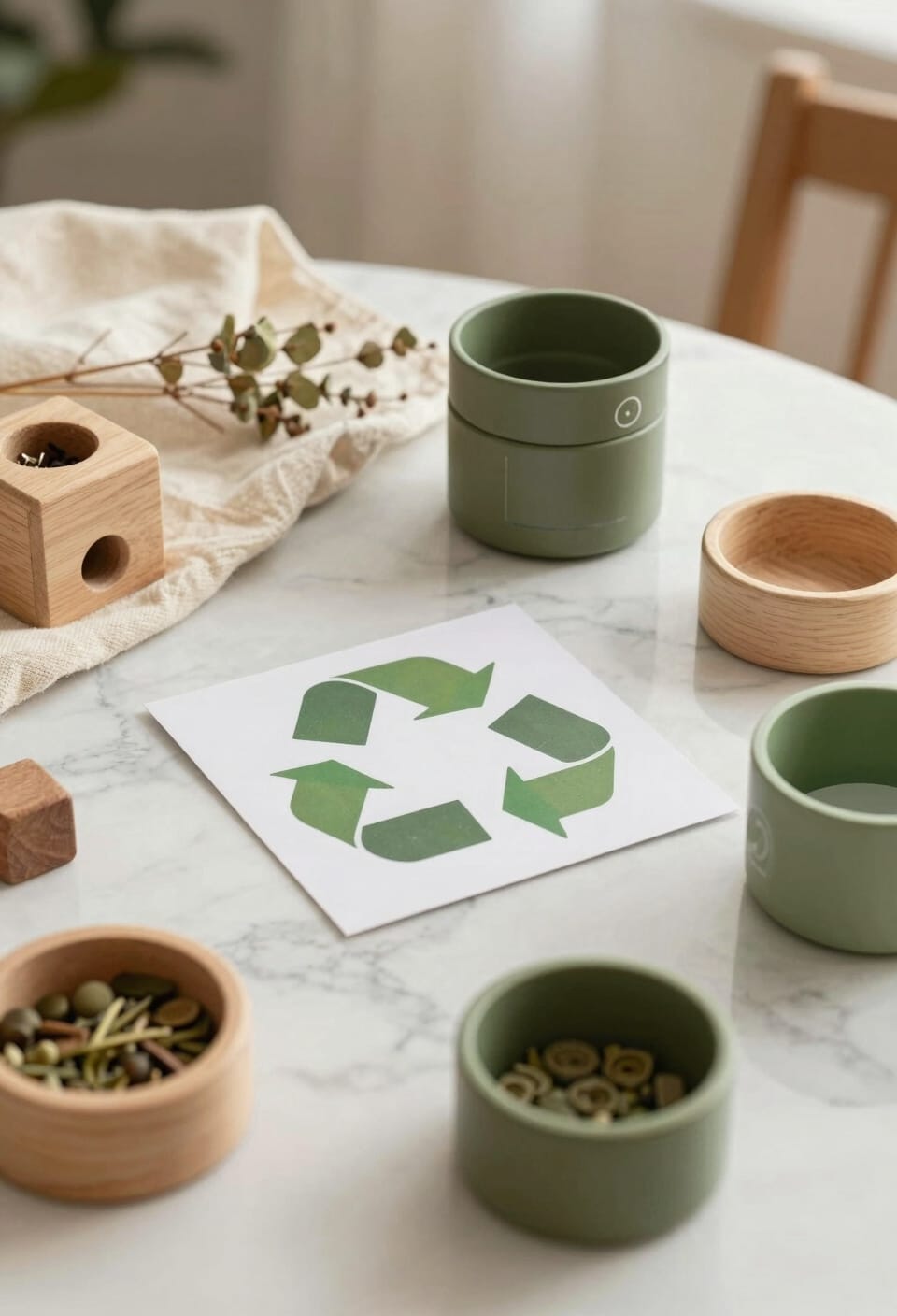
Have you ever thought about how early eco-awareness can be in a child’s life? Honestly, it starts right at home! Incorporating fun recycling activities into your preschoolers’ routine can spark their interest in taking care of the planet.
Try this: set up sorting games where kids can categorize colorful items into bins labeled paper, plastic, and trash. It’s a simple yet effective way to teach them about recycling. You might want to motivate them further by adding a point system. A small reward for correct sorting can make all the difference!
The best part is there are endless possibilities for creativity. You can create DIY toys from recycled materials. For example, turning old jeans into doll clothes sounds like a fun project, right? You could also craft quirky robots from matchboxes!
So, why does this matter? Teaching kids about recycling helps them see the benefits of reusing materials and reduces waste. Consider introducing simple composting with fruit scraps. Watching how organic waste can turn into valuable compost can be a real eye-opener for them!
Finally, don’t underestimate the power of storytelling and music. Using stories or fun recycling songs can make learning enjoyable, while also enhancing their vocabulary. It keeps the whole experience light-hearted and fun!
Incorporating hands-on activities that teach about moisture-wicking properties and sustainability can deepen their appreciation of eco-friendly materials.
To wrap it up, getting your little ones involved in recycling can have a profound impact on their understanding of the environment. What will you try first?
Engaging Elementary School Projects for Mindful Consumption
Have you ever noticed how much trash kids bring home from school? Mindful consumption is such an important lesson for our little ones, and making it fun can really drive the message home. A great idea is to organize a recycling art project where kids get to create crafts using materials they usually toss away—think of a robot made from old boxes or cereal containers!
You could also turn this into a friendly competition within the classroom. Challenge students to collect recyclables or reduce lunch waste by bringing in reusable containers. The more engaged they are, the more likely they are to really care about their choices. And here’s another thought: how about a school-wide “Waste Audit”? This is a perfect way to examine just how much trash is generated during lunch and identify what can actually be recycled.
Don’t forget about having a “Green Day”! Tree planting or starting a school garden can be such a rewarding experience for everyone involved. Not only do these activities beautify the school, but they also teach kids about nature and responsibility.
Sharing personal stories about reducing waste at home can also spark some great conversations. Kids love to hear what their peers are doing, and it shows just how tangible changes can be. So, let’s inspire some environmental action together, one fun project at a time!
Incorporating the use of compostable items like PLA cups during school events can also reinforce lessons about sustainable consumption.
What project will you start with?
Zero Waste Upcycling Projects for Tweens and Teens
Ever look around your room and think about all the stuff you don’t use anymore? It’s a pretty common issue, especially for tweens and teens. Upcycling can be such a fun way to tackle this problem while also making a positive impact on the planet. It’s all about getting creative and turning those unwanted items into something new and useful.
Let’s start with upcycling fashion. Got a pair of old jeans you’re thinking of tossing? Why not turn them into a trendy bag instead! It’s easier than you might think, and you get to show off your unique style. The best part is you’re not just saving those jeans; you’re also reducing the need for new materials.
You could also think about using plastic bottles for quirky planters. It’s a simple way to brighten up your space and give some plants a new home. Or how about transforming cardboard boxes into cool, personalized home decor? It’s amazing what you can create with a little tape and paint.
And here’s a cool idea: why not organize a workshop focused on refurbishing old electronics? You’d be surprised at how satisfying it feels to give those gadgets a new life. Plus, you’ll be learning valuable skills along the way.
So, why does this matter? By upcycling, you’re not just creating something new; you’re also helping reduce waste and being kind to the Earth. Choosing products made from renewable materials can enhance these efforts. What’s not to love about that?
Let’s get together and brainstorm some fun upcycling projects. Saving the planet can be stylish and enjoyable! Are you ready to craft something amazing?
Join Your Community’s Zero Waste Efforts
Getting involved in your community’s zero waste efforts can really enhance those upcycling projects you’ve been working on! Have you ever thought about how much more fulfilling it can be to team up with others who care just as much about sustainability? Joining local advocacy groups or even attending town hall meetings is a great way to connect with like-minded folks.
And let’s get real—cleaning up our neighborhoods together can be such a rewarding experience! Participate in community clean-up events like litter sweeps. Not only do you help reduce waste, but you’re also making your surroundings a better place to live.
Consider hosting a community swap event. This can be a fun way for everyone to trade items they no longer need instead of just tossing them. By sharing what you have, you’re not just decluttering your space—you’re also spreading the zero waste message. So, why does this matter? Because every little action counts!
Truth is, engaging with others makes learning about sustainability even more enjoyable. It’s about building relationships while making a positive impact on the environment. So, get out there, connect with your community, and see how you can contribute to a greener world together! What step will you take today to join the zero waste movement?
One effective way to reduce kitchen waste in your home and community is to start using a worm composting bin, which turns organic scraps into nutrient-rich compost while minimizing landfill contributions.
Resources and Tools to Help Kids Embrace Zero Waste
Getting kids to understand zero waste can feel like a challenge, but it doesn’t have to be! It’s all about using the right resources and tools to make it engaging. Have you heard of the “Waste Watchers” app? It turns recycling into a fun activity that kids can get excited about. Also, DIY kits can give them hands-on experience—think making beeswax wraps instead of relying on plastic.
Don’t forget to explore age-appropriate books featuring kids who are making a difference; those stories can spark inspiration! Community workshops can also be fantastic. Participating in hands-on activities like upcycling and composting can make the learning stick. Teaching kids about the benefits of beeswax wraps as an eco-friendly alternative to plastic can further enhance their understanding of sustainable choices.
Frequently Asked Questions
What Are the 3 R’s Activities?
We can explore fun activities like reducing our waste through mindful purchases, reuse by creating recycling crafts, and engage in waste sorting to foster awareness. Together, we’ll cultivate sustainability habits that benefit our planet!
What Are the 5 Rules of Zero Waste Movement?
The five rules of the zero waste movement are to refuse unnecessary items, reduce consumption, reuse products, recycle materials, and rot organic waste. Together, we can make sustainable choices for a healthier planet.
What Are Environmental Awareness Activities for Toddlers?
We can engage toddlers in exciting activities like nature walks, trash sorting games, and recycling projects. These fun experiences not only teach them about environmental awareness but also foster a deeper appreciation for our planet’s resources.
What Are Examples of Sustainable Activities?
We can engage in reusable crafts, try eco-friendly cooking using local ingredients, and practice shopping sustainability by choosing bulk items. These activities help us connect with our environment while fostering sustainable habits for our families.


