


Ever think about where your trash goes after you throw it away? Understanding product lifecycles—from manufacturing to composting—can really show you how compostable products can help our planet. When you choose items made from materials like cornstarch or sugarcane, you’re not just making a simple purchase; you’re backing a greener future.
These compostable products break down into nutrient-rich soil in just 2-4 months without leaving harmful toxins behind. It’s pretty amazing, right? It’s like nature has its own magic show!
Plus, going for compostable options can really enhance your brand image and make you feel good about helping the environment.
So, how can you get started?
- Look for products that are labeled compostable.
- Check the ingredients—things like cornstarch, bamboo, or sugarcane are good signs.
- Don’t forget to compost them properly once you’re done using them!
Truth is, making sustainable choices doesn’t have to be complicated. You’re not just reducing waste; you’re also contributing to a healthier planet.
In the end, it’s about making better choices. What small step can you take this week to help our environment?
Key Takeaways
- Compostable products are made from sustainable materials like cornstarch or sugarcane, designed to break down within 2-4 months in composting environments.
- Manufacturing compostable items emphasizes eco-friendly practices, utilizing renewable resources and avoiding harmful chemicals to lower environmental footprints.
- Certification bodies like ASTM and BPI ensure compostable products meet strict environmental and safety standards for effective breakdown.
- Composting enriches soil and supports ecosystems, whereas biodegradable items may leave harmful microplastics and take years to decompose.
- Compostable products contribute to a circular economy by reducing landfill waste and supporting organic waste recycling while enhancing brand loyalty among eco-conscious consumers.
Defining Compostable Products: What Sets Them Apart?

Have you ever wondered why some products feel different when it comes to being friendly to the environment? Compostable products are a prime example of how small choices can lead to big changes. These items, which are often made from materials like plant fibers or corn starch, are designed to break down within just 2-4 months when composted. That’s a world apart from regular plastics that can hang around for centuries, right?
The best part is, instead of leaving behind harmful toxins, compostable materials turn into rich soil that can nourish plants. Since these products are made from renewable resources, they really help lessen our footprint on the planet. So, if you’re looking to be more eco-conscious, keep an eye out for certifications like ASTM or BPI Compostable. They indicate that the product meets strict standards for compostability.
To put it simply, understanding the life cycle of these products is crucial. It empowers you to make smarter choices that can really cut down your environmental impact. Compostable trash bags, for example, often carry BPI Certification to ensure they break down properly and safely.
So why not give compostable options a try the next time you shop?
Recommended Products

CERTIFIED COMPOSTABLE: These EcoSafe compostable trash bags/ garbage bin liners are BPI certified compostable and CMA approved for food waste disposal (BPI Cert #890992).

57# Basis Weight, Brown Grocery Paper Bags — These recycled kraft paper bags provide enhanced resistance to tearing and puncturing during transportation. The heavy-duty brown bag structure are dependable for carrying bulky items, produce or grocery loads.

Product Information: SUPERBIO bags, 96 gallon bulk package,40 bags. 61 in x 68 in x 1.57 mil
The Difference Between Compostable and Biodegradable?

Have you ever stopped to think about what happens to all those disposable products we use every day? It might shock you, but not all eco-friendly items are created equal. Let’s dive into the key differences between compostable and biodegradable products, so you can make the best choices for your home and the planet.
Compostable products are designed to break down into nutrient-rich soil in just 2-4 months when you compost them correctly. That means they’re not just disappearing; they’re turning into something beneficial for the earth. On the other hand, biodegradable products can take years to decompose, and sometimes they leave behind harmful microplastics that can hurt soil health. So, why does this matter? Because we want to promote healthier, thriving ecosystems.
Here’s where it gets interesting. Composting not only enriches your soil but also helps the environment in ways that many biodegradable options can’t. Some of those biodegradable products may even leak toxins as they break down. So, if you’re making the switch to more sustainable options, look for certifications like ASTM and BPI. These labels will confirm that a product truly is compostable and won’t leave you with nasty residues.
The best part is that when you choose compostable products over traditional plastics, you’re supporting better waste management and promoting healthy growth in your local environment. It feels good to know that your choices can make a difference, doesn’t it?
Sourcing Sustainable Materials for Compostable Products

When it comes to making eco-friendly choices, have you ever thought about where your compostable products are coming from? It’s super important to consider how our decisions can positively impact the environment. Choosing materials like cornstarch, sugarcane, and bamboo means less reliance on fossil fuels.
Take VerTerra Palm Leaf Dinnerware, for instance. It’s made from fallen palm leaves, so trees aren’t harmed in the process! How cool is that? Then there are World Centric® NoTree® products, which use materials that grow back quickly and are made without harmful chemicals or dyes.
And let’s not overlook agricultural by-products! By incorporating them into our compostables, we create a circular economy that moves towards a zero-waste supply chain.
In addition, selecting products made from wheat straw fiber, a renewable agricultural residue, supports sustainability while offering durable and safe options.
Want to do your part for the planet? Focus on choosing compostable and biodegradable materials. Not only do you get to feel good about your choices, but you also play a role in keeping the planet healthy. What’s stopping you from going green?
Recommended Products

Case of 400 noodle bowls (50 per pack, 8 packs per case)
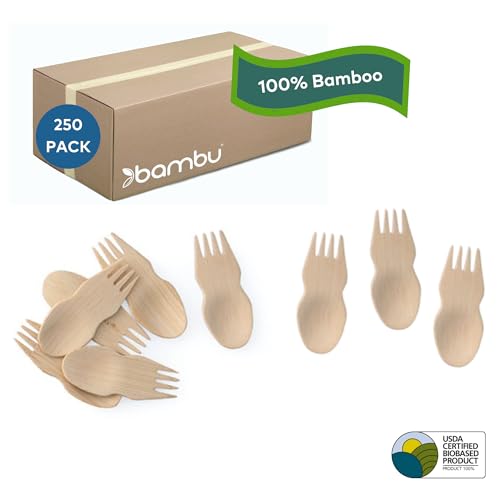
FSC-certified 100% Bamboo: Bambu makes its resuable dinnerware only from 100% bamboo which is certified annually and is an abundant renewable resource. These perfect eco friendly untesils are a step above other natural options and refrain from containing harmful chemicals and pesticides.

Case of 400 Vanguard noodle bowls (50 per pack, 8 packs per case)
Eco-Friendly Manufacturing: Creating Compostable Products
Have you ever thought about how your everyday choices impact the environment? Creating compostable products not only helps reduce waste but also satisfies our daily needs without hurting the planet. We often rely on renewable resources like cornstarch and bamboo for these items, which significantly lowers their environmental footprint compared to traditional plastics.
When making these products, energy efficiency is a big focus. We avoid harmful chemicals to ensure that the carbon footprint remains as low as possible. Think about it: are the materials you use every day really sustainable? Techniques like pulping and molding come into play here, allowing us to craft strong and functional items, such as compostable tableware that meets food safety standards.
The best part is that certification bodies like ASTM and BPI help us ensure these products meet strict standards for composting. So, when these products break down, they not only disappear but also transform into nutrient-rich compost. This supports a sustainable product lifecycle, ultimately nurturing our planet.
Additionally, many compostable cups feature PLA linings that improve heat resistance and reduce leaks, enhancing their functionality for hot beverages.
To sum it up, choosing compostable products can have a positive impact on the environment. What steps can you take today to make more eco-friendly choices in your daily life?
Recommended Products

𝐕𝐀𝐋𝐔𝐄 𝐏𝐀𝐂𝐊 𝐃𝐈𝐍𝐍𝐄𝐑𝐖𝐀𝐑𝐄 - It includes 2000 Square Plates of 6 inch. Make this your one-stop shop for all your dinnerware. They are available in multiply sizes and shapes for you to choose from on your special occasion. Being portable, they are best used for Birthday parties, weddings, picnic, camping and outdoors too.

𝐕𝐀𝐋𝐔𝐄 𝐏𝐀𝐂𝐊 𝐃𝐈𝐍𝐍𝐄𝐑𝐖𝐀𝐑𝐄 - It includes 20 Cases of 50-count of 10-inch and 7-inch square plates. Make this your one-stop shop for all your dinnerware. They are available in multiple sizes and shapes for you to choose from on your special occasion. Being portable, they are best used for Birthday parties, weddings, picnics, camping, and outdoors too.

🌱 Hassle-Free, Guilt-Free Disposal: 100% compostable and backyard-friendly, these plates break down within weeks without harming the environment, offering a zero-waste alternative that helps reduce landfill waste and lower your carbon footprint.
How Compostable Products Perform in Everyday Use
How do we really feel about compostable products handling our everyday messes? When you think about it, these eco-friendly alternatives—like bagasse and bamboo plates—are pretty impressive. They can handle heat and moisture with ease. Many food service businesses note that compostable tableware keeps its shape, even when filled with hot, greasy meals. And get this: they’re also microwave-safe, which adds a layer of convenience that’s hard to beat.
So, why does this matter? Not just for your next takeout order, but for the planet as well. By using these compostable options, you’re cutting down on greenhouse gas emissions. They break down naturally in industrial composting facilities in only 2-4 months! Pretty quick, right?
Palm leaf plates, crafted from 100% natural materials, offer biodegradable and sustainable dining solutions that both impress guests and reduce environmental impact.
Next time you’re grabbing food on the go, remember that you’re not just making a meal choice; you’re also opting for something that has long-term environmental benefits. Being mindful about the products you use can make a real difference. So, are you ready to make the switch?
The Decomposition Process After Composting?
Ever wondered what really happens after you toss your food scraps into a compost bin? It might seem like a complicated process, but composting is actually pretty straightforward! Compostable materials like certain food scraps break down in just 2-4 months if you give them the right environment. Think heat, moisture, and a little help from microorganisms working together to turn your waste into rich soil.
So, why does this matter? Unlike traditional plastics, compostable items won’t leave behind harmful microplastics or toxins. That’s a win for our planet! Plus, composting plays a huge role in reducing landfill waste, which means fewer greenhouse gases are released when things break down. Whether you’re working with a small home compost system or utilizing industrial composting, you’re making a difference by transforming trash into something beneficial.
Here’s the trick: Keep an eye on those compostable items! Not everything that’s labeled as compostable will break down easily, so make sure you’re familiar with what goes into your compost bin. Regularly turning the pile can also help speed up the process. It’s like giving your compost a little workout!
The best part is, composting not only benefits your garden, but it also contributes to a healthier planet overall. So, if you’ve been on the fence about starting a composting routine, now’s the time. Why not give it a shot? You’ll be surprised by how much you can positively impact the environment right from your kitchen.
In short, composting is an accessible way to reduce waste and improve your soil. Are you ready to start your composting journey? Choosing the right compost bin size can make managing your kitchen scraps even easier and more efficient.
Why Use Compostable Products for Sustainability?
Have you ever thought about what happens to all those disposable products we use every day? It’s a bit troubling, right? The truth is, switching to compostable products can really make a difference in our sustainability efforts, and it fits neatly into any composting routine.
Compostable products, made from materials like cornstarch, sugarcane, and bamboo, are designed to break down into nutrient-rich compost within just a couple of months. Imagine tossing something in the trash that could actually enrich the soil instead of just sitting in a landfill for who knows how long! By choosing these eco-friendly options, you’re cutting down on waste and keeping harmful chemicals out of our soil.
Here’s the trick: look for products that clearly state they’re compostable. This helps you lower your environmental footprint while also supporting a circular economy. When we compost organic waste instead of sending it to a landfill, we not only recycle but also contribute to the health of our environment.
Honestly, using compostable products doesn’t just make you feel good about your choices; it can also enhance your brand’s image or just your personal eco-friendly vibe at home. Plus, helping the planet can be a great conversation starter. So why not give them a try?
Certifications Ensuring Quality in Compostable Products
When it comes to choosing eco-friendly products, it can be tough to know which ones actually live up to their claims. Not all compostable items are created equal, and that’s where certifications come in. Certifications like ASTM and BPI Compostable are key indicators that these products can break down into nutrient-rich soil within 2-4 months—no nasty leftover goo!
So, why does this matter? These labels mean that the products have passed strict environmental and safety checks. They also consider things like manufacturing practices and where the raw materials come from, which helps support sustainability efforts. When you choose certified compostable options, you’re backing brands that really care about the planet.
Here’s the trick: Next time you shop, take a moment to check for those important labels. You don’t want your compost turning into a science experiment, do you? Supporting certified products means you’re making a conscious choice for both yourself and the environment.
Many compostable cutlery sets, such as those by MISISIPI and GreenWorks, proudly feature BPI certifications to ensure quality and environmental responsibility.
To wrap it up, look for the certifications when selecting compostable products. It’s an important step toward being more sustainable. So, what will your next eco-friendly purchase be?
Recommended Products

Case of 9,600 wrapped clear drinking straws (400 per pack, 24 packs per case)

Case of 9,600 green drinking straws (400 per pack, 24 packs per case)

Case of 4,800 wrapped green drinking straws (300 per pack, 16 packs per case)
The Business Case for Compostable Products
Have you ever thought about the impact of your everyday choices on the environment? Much of what we throw away ends up piling up in landfills, but there’s a simple way we can help change that — compostable products. By opting for these eco-friendly options, you might even find some unexpected savings.
Compostable products can actually lower waste management costs. When you reduce the amount of waste that goes to landfills, it can lead to lower fees for disposal. Who doesn’t want to save a little money here and there? And let’s not forget about packaging made from renewable materials, like cornstarch. People today really appreciate sustainable alternatives, so using these products can help your business resonate with eco-conscious customers.
Here’s the trick: compostable products break down in just 2-4 months under ideal conditions. This means you’re not just helping the planet; you’re choosing options that fit well into a circular economy. You’re actively participating in something bigger and can feel proud about your choices.
Moreover, embracing compostable products can polish your brand’s image. Attracting customers who care about sustainability can set you apart from competitors. Think about it — how appealing is it to support a brand that values the environment?
In short, compostable products aren’t just a trend; they’re a thoughtful way to make a positive change. If you’re looking for ways to boost your business while being kinder to the planet, why not consider going compostable? Many compostable options, like beeswax wraps, are reusable and contribute even more to waste reduction. What steps can you take today to make your products more sustainable?
Recommended Products
![[500 SET]Harvest Pack PFAS FREE 32oz Compostable Round Paper Bowls with Dome Lids, Heavy-Duty Eco-Friendly Disposable Bagasse Salad Bowl, from Sugarcane plant fibers for Meal Prep](https://m.media-amazon.com/images/I/41zfxaaiSwL._SL500_.jpg)
🌱 ALL NATURAL - SUGARFIBER is made from 100% natural sugarcane byproduct that is BPI CERTIFIED and PFAS free. The nontoxic material has a sturdy paper-like texture

COMPARTMENT DESIGN: Features three built-in compartments, facilitating organized meal presentations by separating an entree and two sides within the same container.
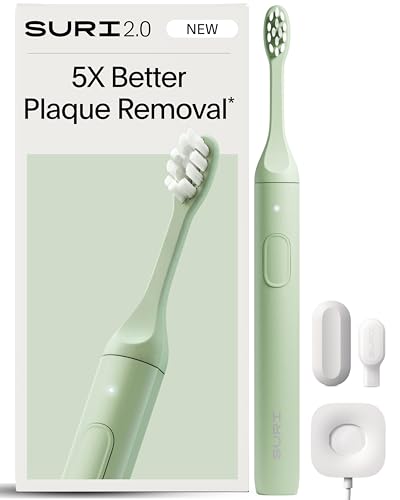
USA'S #1 RATED TOOTHBRUSH - The highest rated toothbrush on Trustpilot in the USA, based on over 17,000 verified reviews. Award-winning and loved by over 800,000 happy brushers.
Frequently Asked Questions
Can Compostable Products Harm Traditional Composting Systems?
Yes, compostable products can harm traditional systems. Contamination risks arise from improper labeling and material sourcing, affecting compost quality and microbial activity, especially if guidelines for industrial composting aren’t followed in composting facilities.
How Long Does It Take for Compostable Products to Decompose?
Compostable products typically decompose within three to six months, depending on composting techniques. Industrial composting often accelerates decomposition rates, enhancing soil health through microbial activity, while home composting may vary. Quality compost positively impacts waste management and environment.
Are Compostable Products Safe for Wildlife?
Compostable products are generally safe for wildlife, contrasting with harmful plastics. By choosing biodegradable alternatives, we enhance wildlife habitats and promote ecological balance, ensuring their nutrition while reducing negative environmental impact through responsible disposal methods and increased consumer awareness.
What Happens to Compostable Products in Landfills?
In landfills, compostable products decompose slowly due to poor conditions, releasing methane. Proper waste management and alternative disposal methods improve compost quality, while product labeling helps us divert biodegradable materials, reducing environmental impact and enhancing decomposition rates.
Can Compostable Products Be Recycled With Regular Plastics?
Ah, if only we could toss everything into one bin like a 90s mixtape! Sadly, compostable products can’t be recycled with regular plastics. They require specific composting facilities due to composting standards and plastics contamination risks.


