

Have you ever paused to think about the real impact of disposable menstrual products like pads and tampons? They not only take up to 800 years to decompose, but they’re also loaded with harmful chemicals that can disrupt hormones.
On top of that, the production of these products guzzles water and creates a ton of waste. So, why does this matter? It affects both your health and the environment!
Now, if you’re ready for a change, there are sustainable alternatives that can actually save you money. Consider options like menstrual cups or reusable pads. These are not just better for the planet; they can also make your life a little easier. The best part is they often last longer than disposable products!
Honestly, it might seem like switching to something reusable requires too much effort, but once you get the hang of it, it can be quite freeing. You’re not only helping the environment, but you’re also taking control of your own health.
If you’re curious about making the switch, start small—research what works best for you. There are so many resources and communities out there to support your journey.
In short, trading disposables for reusable options can be a win-win for your wallet and the planet. Are you ready to explore these choices?
Key Takeaways
- The environmental impact of disposable menstrual products includes long-lasting landfill waste, taking up to 800 years to decompose.
- Disposable products release harmful greenhouse gases and contribute significantly to plastic pollution, affecting marine life and ecosystems.
- Manufacturing disposables consumes vast water resources and contributes to pollution, exacerbating resource shortages and climate change.
- Chemical exposure from disposables raises health concerns, as they may contain hormone disruptors and hazardous substances that leach into water sources.
- Underserved communities face greater challenges from plastic waste, emphasizing the need for sustainable alternatives and equitable access to menstrual products.
The Hidden Environmental Impact of Disposable Menstrual Products

When was the last time you thought about the environmental impact of disposable menstrual products? It’s easy to overlook the issue, but each menstruating person uses about 11,000 pads and tampons in their lifetime. That’s a jaw-dropping statistic! In the U.S., we dispose of around 12 billion pads and 7 billion tampons every year—yikes!
What happens to all that trash? These single-use plastics can stick around for up to 800 years and break down while releasing harmful greenhouse gases like methane. This isn’t just a problem for our landfills; it affects ecosystems as well. So, why does this matter? The hidden costs of our convenience don’t just hit our wallets—they hit the planet too.
The good news is, there are sustainable alternatives out there! Consider switching to menstrual cups or reusable pads. Not only do they help cut down on waste, but they can also save you money in the long run. If you’re worried about comfort, trust me, there are plenty of options out there that work just as well, if not better, than their disposable counterparts.
Here’s a tip: try giving a menstrual cup a go for a cycle. You might just be pleasantly surprised by how easy and effective it can be. The best part is, by making this small switch, you’re doing your part in reducing menstrual waste.
What Chemicals Are Hiding in Your Disposable Menstrual Products?
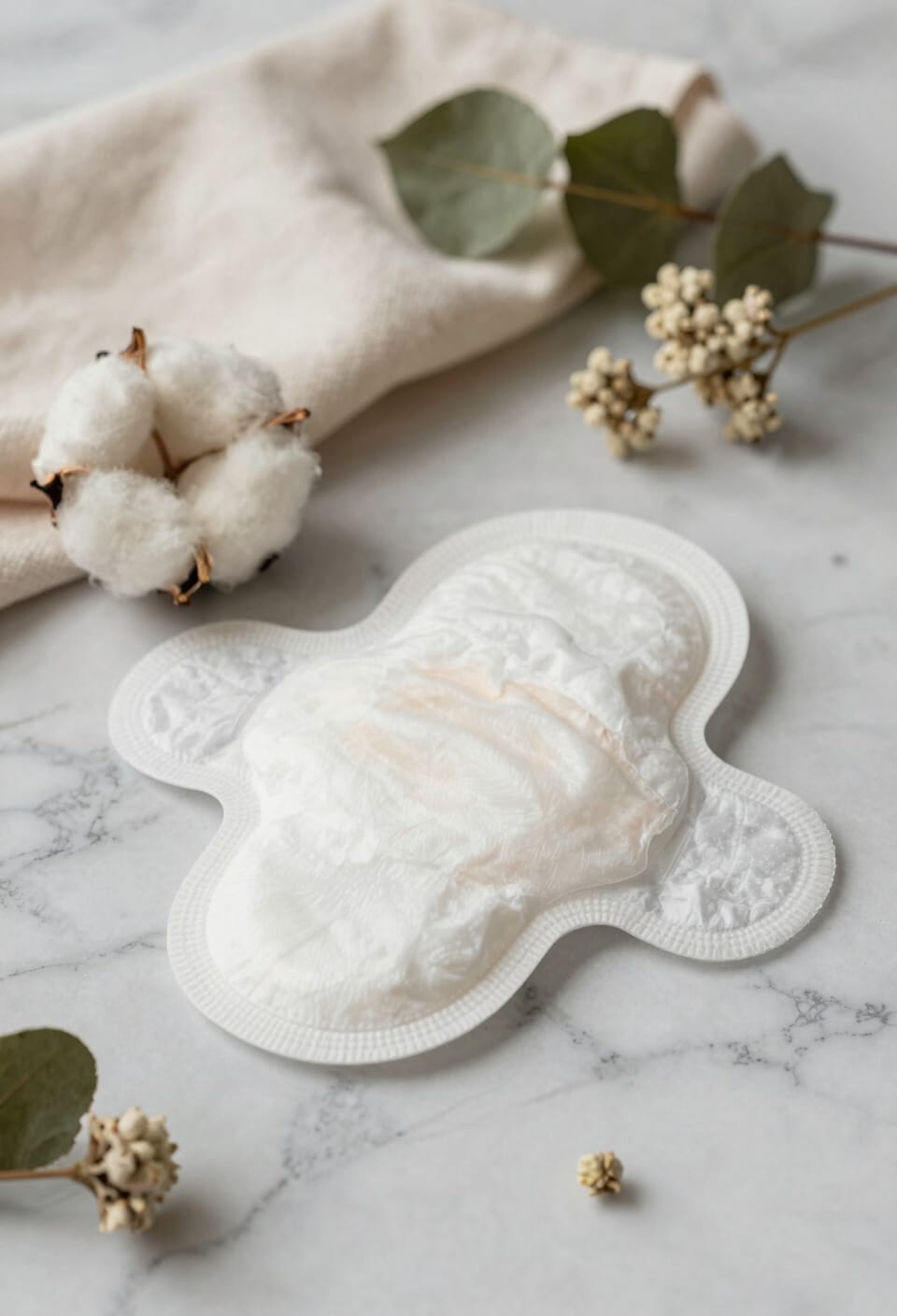
Have you ever thought about what’s actually in your disposable menstrual products? It’s a bit shocking to realize that those pads and tampons we’ve trusted for years are often loaded with hidden plastics—some pads can be made of up to 90% plastic! Plus, the chemicals used in processing can lead to real health issues.
You might be surprised to learn that harmful substances like bleach and “forever chemicals” (PFAS) are commonly added for leak protection. So, why does this matter? This not only raises concerns about hormone disruption but also adds to our environmental footprint with all that single-use plastic waste.
Switching to products made from natural, plant-sourced ingredients can reduce exposure to harmful additives and benefit your overall health through ingredient purity and safety.
Want to make a change? Consider looking for sustainable options like organic cotton products or menstrual cups. They’re not only better for you but for the planet, too. The best part is that you can make a difference just by being a smart shopper!
In the end, being aware of what’s in your menstrual products can help you choose better for both your body and the environment. Why not take a moment to rethink your options?
How Long Do Disposable Menstrual Products Last in Landfills?
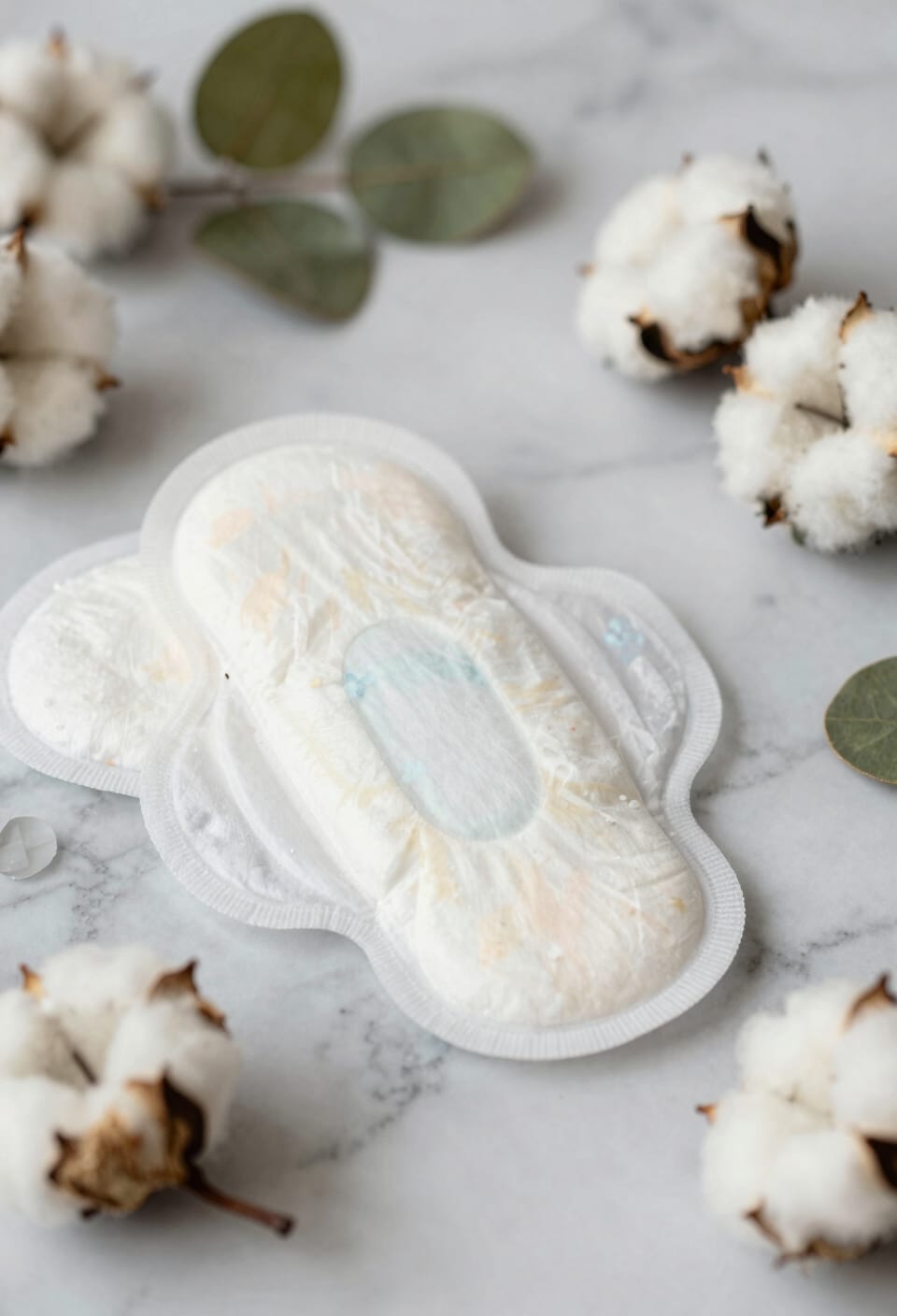
Did you know that disposable menstrual products can hang around in landfills for a staggering 800 years? That’s almost like letting a T-rex have a sleepover in your backyard! Every person who menstruates will use about 11,000 of these products in their lifetime. When you consider the 12 billion pads and 7 billion tampons tossed out each year in the U.S., it adds up to a huge problem—piles of plastic waste sitting in our landfills.
Now, I get it—these products are convenient. But have you ever thought about what happens after you toss them? Here are a few things to keep in mind:
- Chemicals: Many disposable products have harmful chemicals that can leach into the soil and water. This isn’t just bad for the environment; it can also harm marine life and ecosystems.
- Volume: With millions of people using these products every month, our landfills are filling up faster than we realize.
So, why does this matter? Choosing more sustainable options can make a genuine difference. Consider alternatives like reusable pads, menstrual cups, or organic cotton tampons. The best part is that these options can save you money in the long run and are often more comfortable, too! Organic cotton pads, for example, are made from biodegradable materials that lessen landfill waste and support eco-friendly practices.
Next time you reach for a pad or tampon, take a moment to think about the impact of your choices on our planet. It’s time to be mindful and make decisions that reflect care for the environment. What will you choose this month?
The Environmental Costs of Manufacturing Disposable Menstrual Products
Have you ever thought about the impact of disposable menstrual products on our planet? It’s something most of us don’t consider often, yet the environmental costs are pretty shocking. Just think about it: the production of these products involves tons of plastic and an eye-watering 5.3 liters of water for each one. When you realize that disposable pads can contain up to 90% plastic and take nearly 800 years to decompose, it definitely makes you pause and reconsider your choices.
So, why does this matter? The harmful chemicals used in manufacturing these products can seep into our water and affect human health. In the U.S. alone, around 12 billion pads and 7 billion tampons are thrown away every year! That’s a massive amount of waste that contributes to pollution and environmental degradation.
Here’s the trick: if we start embracing sustainable options, like reusable products, we can really cut down on this environmental mess. Not only is it a healthier choice for your body, but it’s also a way to lessen your carbon footprint. You might be surprised at how many great alternatives are out there today. Using reusable snack bags and other eco-friendly products can help reduce the reliance on single-use plastics in daily life.
Honestly, making the switch can feel daunting at first, but once you see the benefits, it’s worth it. The best part is that it can also save you money in the long run.
Let’s keep this conversation going: How can we make small changes in our lives that add up to a big impact? Together, we can create a healthier planet!
The Socioeconomic Impacts of Plastic Waste in Underserved Communities
Ever stop to think about what’s happening in the neighborhoods around you when it comes to plastic waste? It’s a serious issue, folks! In many underserved communities, the amount of trash is staggering—often up to six times worse than in more affluent areas. Streets filled with plastic bags and single-use plastics don’t just look bad; they contribute to a cycle of environmental damage that impacts people’s health and jobs.
You might have a recycling bin at home, but did you know that about 2 billion people worldwide live without proper waste collection? That’s hard to believe but it’s true. And then there’s the plastic industry, which keeps pushing for cheap fossil fuels, making it even tougher for those communities to recover. So, what can you do to help break this cycle?
Try supporting local recycling programs in your area. Many communities are working hard to improve their waste management. You can also make an effort to reduce your own plastic use. Here are a couple of easy steps:
- Carry a reusable bag when shopping.
- Say no to plastic straws and utensils when dining out.
Choosing reusable grocery bags is an effective way to reduce reliance on single-use plastics and support sustainability efforts.
Honestly, these small changes can ripple out and make a big difference. You might not see it immediately, but every effort counts!
In the end, it’s about lifting each other up. Together, we can help ease the burden on those hardest hit by plastic waste. What will you choose to do today to support your community?
Why the Harm of Disposable Menstrual Products Cannot Be Ignored
Ever thought about what goes into disposable menstrual products like pads and tampons? They might feel convenient, but we really need to consider their impact. Believe it or not, the average person might use around 11,000 of these products in their lifetime. That’s a staggering amount of plastic waste piling up! In the U.S. alone, we toss out about 12 billion pads and 7 billion tampons each year. That’s not just trash—it’s a hefty carbon footprint we’re leaving behind.
Here’s something to think about: many pads are made up of around 90% plastic. This contributes to the microplastic pollution that’s affecting our oceans and wildlife. So, why does this matter? Those tiny pieces create real harm for marine life, and we can’t ignore that! Besides, the chemicals in these products can leach into our water sources, which poses potential health risks to all of us.
Let’s talk about resources. The manufacturing of these products requires a lot of them, deepening the shortages many are facing today. So, what can you do about it? Try exploring reusable options like menstrual cups or washable pads. These alternatives can help reduce waste, save money over time, and often feel way more comfortable.
Honestly, it’s all about making mindful choices. Every small step can contribute to a brighter, cleaner future for our environment and our health. So, the next time you’re at the store, consider the impact of what you’re buying. How can your choices make a difference? Consider also switching to products made from renewable resources to further reduce plastic pollution.
Sustainable Alternatives to Disposable Menstrual Products: What Are Your Options?
Switching to sustainable menstrual products can make a real difference in both your wallet and the environment. Have you ever thought about how many pads and tampons you throw away each month? By opting for options like menstrual cups, discs, or leakproof underwear, you can cut down on waste significantly. These reusable products aren’t just environmentally friendly; they can last up to ten years, keeping thousands of disposables out of landfills.
Think about this: using a single menstrual cup can save you around $300 over its lifetime! It’s made from medical-grade silicone, which means it’s safer for your body and doesn’t contain harmful chemicals. Plus, companies like Saalt are doing their part too—some even donate a portion of their profits to help ensure that everyone has access to essential menstrual products.
So, why does this matter? It’s not just about saving money; it’s also about supporting period equity. You’re not just making a change for yourself; you’re helping others, too.
Here’s the trick: start small. You might want to try a menstrual cup or some leakproof underwear to see what works best for you. The best part is, you’ll feel empowered knowing you’re making a positive impact with every cycle.
In short, switching to sustainable menstrual products means making a choice that helps you save money and protects our planet. Are you ready to take the plunge and make a change?
Menstrual cups also offer up to 12 hours of leak-proof protection, reducing the need for frequent changes and increasing convenience.
Frequently Asked Questions
What Are the Economic Costs of Using Disposable Menstrual Products?
Using disposable menstrual products can lead to affordability issues and long-term expenses that strain our budgets. By considering their environmental impact and waste management, we can enhance our financial awareness and choose products with better lifespan.
How Do Disposable Products Affect Wildlife and Ecosystems?
Disposable products lead to plastic pollution, causing habitat destruction and wildlife hazards. They disrupt the food chain and pose chemical exposure risks, jeopardizing conservation efforts. It’s essential we recognize these impacts on ecosystems and wildlife.
Are There Health Risks Associated With Reusing Menstrual Products?
While menstrual product reusability can save money, it’s essential we assess health risks. Without proper personal hygiene, we might face bacterial infections or chemical exposure, underscoring the need for consumer education about product lifespan and safety.
What Role Do Corporations Play in the Disposable Product Crisis?
Corporations shape the disposable product crisis through marketing tactics that prioritize profit margins over sustainability practices. Their decisions impact consumer behavior and product lifecycle, ultimately contributing to significant environmental impact that we all need to address together.
How Can Individuals Reduce Their Reliance on Disposable Products?
We can reduce our reliance on disposables by embracing reusable alternatives like cloth bags. By supporting community initiatives and DIY solutions, we foster sustainable choices, promote eco-friendly practices, and inspire others through education campaigns, living a minimalist lifestyle.


