


Have you ever looked at your trash and felt overwhelmed by all the plastic? It’s a problem many of us face, but there’s some hope on the horizon with the Global Plastics Treaty. This treaty is designed to cut down on plastic waste and encourage the use of safer materials, ultimately leading to healthier products and a cleaner environment.
So, what can you expect? We’re likely to see tougher rules aimed at single-use plastics, a push for more eco-friendly packaging, and companies being held accountable for their waste. That means changes in the products you buy and the packaging they come in.
Plus, by using reusable bags and cheering on local businesses that embrace these practices, you’re really making an impact.
Here’s the trick: get involved in your community. Support initiatives that aim to reduce plastic use, and pay attention to the brands that are stepping up their game. Every small action counts.
Truth is, the way we use plastics can affect not just our own health but also the health of our planet. It’s about making informed choices. So, what steps can you take today to help? Whether it’s choosing items with less plastic or simply spreading the word about the treaty, every bit helps.
In a nutshell, the Global Plastics Treaty is pushing us toward cleaner living, and it’s up to us to embrace it. What changes will you make to contribute?
Key Takeaways
- The Global Plastics Treaty aims to reduce plastic waste and promote sustainable practices among over 170 countries globally.
- Consumers will see safer, more sustainable products as stricter regulations on harmful chemicals in plastics are enforced.
- Enhanced Extended Producer Responsibility (EPR) will hold companies accountable for their waste, leading to increased availability of eco-friendly packaging options.
- Expect improved recycling programs and community initiatives that encourage consumer involvement in waste management and recycling efforts.
- Advocacy for reducing single-use plastics will be essential, promoting a culture of sustainability and responsible consumption among consumers.
What Is the Global Plastics Treaty and Its Goals?

Ever notice how plastic waste seems to be everywhere? It’s a problem that’s become impossible to ignore, which is why the Global Plastics Treaty is such an important step forward. With support from over 170 countries, this treaty aims to reduce plastic waste and promote eco-friendly options, like using reusable bags instead of those one-time-use plastic ones that end up in the trash.
One aspect that stands out is Extended Producer Responsibility (EPR). This means companies have to take responsibility for the waste they create. So, rather than just tossing plastic products into landfills and moving on, manufacturers now have to manage their plastic right from production through to disposal. It’s a big shift, but it’s necessary if we want a cleaner planet.
The push for better recycling practices is also a big deal. Many of us throw away items thinking they’re recyclable, only to find out they don’t get processed properly. The treaty aims to address this issue and even suggests setting limits on how many single-use products can be made.
Of course, there are some challenges ahead, like political wrangling and slow negotiations. But the truth is, tackling plastic pollution is critical not just for environmental health, but also for consumer rights. Practical solutions like promoting reusable designs help reduce single-use plastic waste and encourage sustainable habits.
Why Does the Treaty Matter for Consumers’ Health and Safety?

Have you ever thought about what’s really in all that plastic we encounter daily? The Global Plastics Treaty is shaking things up, and for good reason. It’s set to tackle the scary stuff—harmful chemicals in plastics that can mess with our hormones and potentially lead to new diseases. And let’s not forget about microplastics; they’re sneaking into our air, water, and food. So, what’s at stake for our health?
With this treaty moving forward, we can expect regulations that help reduce plastic pollution. Why does this matter? Just think about the products you use every day. If there’s oversight in place, you can feel a bit more secure about what’s in your toys, containers, and other items.
One of the main points of the treaty is something called Extended Producer Responsibility (EPR). Here’s how it works: manufacturers will have to take responsibility for their plastic products throughout their entire lifecycle. In simple terms, they can’t just toss it aside once it’s sold. This means less chance of harmful substances ending up in what you buy.
The best part is, these changes could make it easier for consumers to choose safer products. You deserve to know what you’re putting into your body or giving to your family.
Honestly, it’s a big deal when you think about it. The more we can push for clear regulations on plastic, the healthier and safer our environments can become. Replacing single-use plastic products with eco-friendly alternatives like reusable towels can significantly reduce waste and chemical exposure.
How Will the Treaty Change Packaging Standards?

As we dig into the upcoming changes the Global Plastics Treaty is bringing, have you thought about how it will affect what we see on store shelves? Stricter rules on single-use plastics will mean brands need to find better, more sustainable options. Think plant-based containers or those biodegradable wraps that can break down naturally.
You might notice a big push for transparency, too. Brands will have to clearly state what materials are in their packaging—no more guessing what that wrapper is made of! The Extended Producer Responsibility (EPR) means companies will be held accountable for the waste they produce, encouraging them to innovate and rethink their approach. Here’s a thought: this could lead to global caps on plastic production, nudging everyone toward eco-friendlier solutions.
With more of us demanding green products, we all stand to benefit from these changes. It’s refreshing to think that packaging could soon be kinder to our planet. How do you feel about these upcoming shifts? Compostable materials like those certified by BPI Certification are likely to become more common in packaging innovations.
Recommended Products
![[500 SET]Harvest Pack PFAS FREE 32oz Compostable Round Paper Bowls with Dome Lids, Heavy-Duty Eco-Friendly Disposable Bagasse Salad Bowl, from Sugarcane plant fibers for Meal Prep](https://m.media-amazon.com/images/I/41zfxaaiSwL._SL500_.jpg)
🌱 ALL NATURAL - SUGARFIBER is made from 100% natural sugarcane byproduct that is BPI CERTIFIED and PFAS free. The nontoxic material has a sturdy paper-like texture
![[1000 Count]Sugarfiber by Harvest 22oz Round Compostable Bowls PFAS Free with PLA coating, Heavy-Duty Eco-Friendly Disposable Bagasse Bowl, Sugarcane made plant fibers for Meal Prep](https://m.media-amazon.com/images/I/51ASpHW6RLL._SL500_.jpg)
🌱 ALL NATURAL - Made with 100% non-toxic plant byproduct material that has a natural look with a sturdy paper-like texture

Banishing Grease with Excellence: Nellie's Dishwasher Powder stands as your guardian against grease, food particles, and more. Revel in spotless plates that speak volumes about your commitment to exceptional cleanliness and set the stage for meals that are as delightful as they are delicious.
Impact of Treaty Delays on Politics and Economics
Are you feeling frustrated by the delays in finalizing the Global Plastics Treaty? You’re not alone. With negotiations now pushed back to August 2026, it’s tough for brands to map out their production plans and invest in sustainable solutions. It’s a tricky situation—different political priorities and economic pressures are making it hard to pin down a binding agreement on plastic pollution.
Here’s what you need to know: These delays create a lot of uncertainty for companies trying to comply with regulations. You might be wondering how to navigate these obstacles while waiting for clearer guidelines. It’s not easy to make long-term plans when the rules keep shifting.
Honestly, these setbacks hinder not just individual businesses but global efforts to reduce plastic waste. We’re left with pressing environmental challenges that don’t have simple solutions. So, what can you do? Keep an eye on developments, and think about ways to adapt your strategies in real-time.
The best part is that every setback also comes with opportunities to rethink how we approach sustainability. For instance, switching to plastic-free packaging options can immediately reduce environmental impact even before treaty enforcement. Let’s hope this waiting game leads to something really worthwhile. What steps can you take to prepare for when the treaty finally rolls out?
What Practical Changes Should Consumers Expect?
Have you ever thought about how much plastic we use while shopping? With the Global Plastics Treaty on the way, things are about to change, and for the better! This treaty will put some serious rules in place, making companies liable for their products.
What should you expect? Look out for:
- More reusable packaging that’s easy to use and better for the environment.
- Alternatives to plastic popping up on shelves—think eco-friendly materials!
- Manufacturers stepping up with recycling programs that you can actually use, thanks to extended producer responsibility.
Frankly, it’s exciting to see brands reducing harmful chemicals and ditching non-essential plastics. This means the stuff you love will not only be safer but also more sustainable. For example, innovative products like reusable silicone food storage bags provide durable, eco-friendly options that reduce single-use plastic waste.
Recommended Products
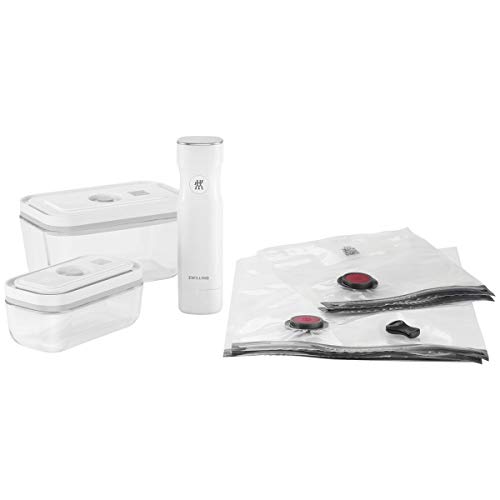
Set Includes: Vacuum pump body x 1, USB cable x 1, Vacuum glass container S / M x 1, Vacuum storage bag S / M x 2, Clip x 1, Liquid protector x 1
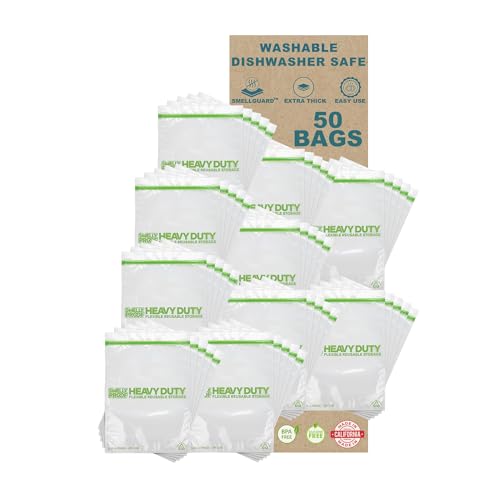
MAXIMIZE VALUE - 50 x (Non-Silicone) Strong Poly-Nylon Bags Made in USA, Subject to California's Relevant Regulations & Quality Control Standards, Ensuring Consumers Smelly Proof Bags Adhere to Highest Benchmarks,

Unmatched Quality & Durability - 50 x Washable Smelly Proof Bags Extra Extra Large Reusable Flat Bags, 5mil Heavy Duty Thickness, Puncture-Resistant, Tear Proof. Designed for Repeated Use Over & Over Again,
Resources for Sustainable Choices Under the Global Plastics Treaty
Have you noticed the buzz around sustainability lately? With the Global Plastics Treaty on the horizon, it’s crucial to know where to find resources that support your journey toward making eco-friendly choices. This treaty means brands are going to start shifting to sustainable packaging options, and thankfully, there are guides on plastic-free packaging and certifications that can help you make informed decisions.
Try this: Look for local consumer initiatives in your community, like clean-up events or educational campaigns. These activities not only tackle plastic pollution but also provide a sense of togetherness as you engage with others passionate about the environment. It’s inspiring to feel like you’re part of something bigger, isn’t it?
So, what can you do next? Stay in the loop about recycling options in your area, especially since the treaty emphasizes better waste management infrastructure. Understanding Extended Producer Responsibility (EPR) is also important. This means supporting companies that take responsibility for the entire lifecycle of their products, especially plastics. The best part is that this approach encourages companies to adopt more eco-friendly practices.
One practical way to reduce single-use plastic waste is by using reusable shopping bags, which combine convenience with sustainability.
Frankly, navigating these changes can feel overwhelming, but you’re not alone. With the right resources and community support, you can contribute to a cleaner planet. Have you checked out any initiatives or resources in your area yet?
Recommended Products

ECO FRIENDLY RECYCLABLE KRAFT PAPER - Size: 5.25 inches long,3.75 inches wide, 8 inches high.Mesha kraft paper bags are made of premium recyclable kraft paper. They are environment-friendly, durable, and reusable. FSC Compliant.Our kraft paper bags are a green alternative to plastic bags.

Personalized Insulated Takeout Bags: Click "Customize Now" to upload your logo and cleverly integrate your branding or restaurant slogan with the insulation function, creating a 24-hour walking advertisement
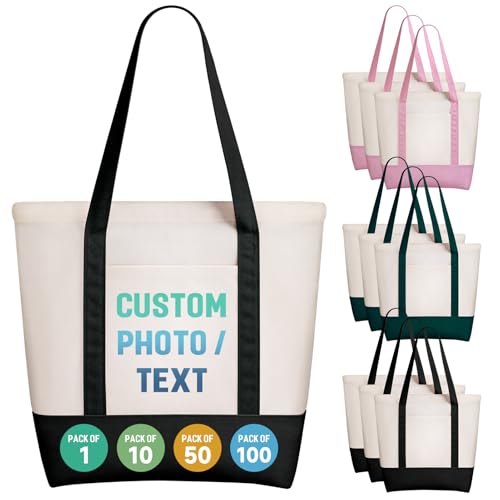
Personalized Tote Bags: Customize your canvas tote bag with a logo, text, or unique art design. Available in three colors: Black, Pink, and Dark Green, with bulk offer canvas tote bags
Frequently Asked Questions
Will the Treaty Affect Prices of Eco-Friendly Products?
We believe the treaty could initially raise eco-friendly pricing, affecting product affordability. However, increased consumer awareness and demand for sustainable alternatives might drive green innovation, influencing market trends and leading to better pricing strategies over time.
How Will Consumer Rights Be Protected Under the Treaty?
Consumer protections will be prioritized through rights awareness, clear product labeling, and advocacy efforts. We’ll make informed purchasing decisions that support sustainable choices, fair trade, and environmental accountability, enhancing waste management and ensuring regulatory compliance.
What Actions Can Consumers Take to Support the Treaty?
We can support the treaty by reducing plastic, opting for sustainable alternatives, engaging in recycling initiatives, practicing conscious shopping, and promoting consumer education. Let’s embrace eco-friendly brands and collaborate on community actions for lifestyle changes that matter.
Are There Penalties for Companies Not Complying With the Treaty?
Just like a parched land waiting for rain, companies face penalties for non-compliance with treaty regulations. Enforcement mechanisms guarantee corporate accountability, imposing financial penalties and legal ramifications to drive industry adherence and mitigate environmental impact.
How Will the Treaty Address Microplastics in Products?
The treaty’ll enforce microplastic regulations, improving product safety. By promoting eco labeling standards and biodegradability criteria, we’ll increase consumer awareness. It’ll also set packaging guidelines, enhance waste management, and mitigate health risks and environmental impact.


