


Plastic pollution is a real headache for our planet! Did you know that global plastic production soared to over 450 million tonnes in 2019? Sadly, only about 9% of that plastic is recycled. The rest usually ends up in landfills or, even worse, in our oceans, where it poses threats to wildlife.
So, why does this matter? Every time you grab a single-use plastic bag or bottle, you’re contributing to a larger issue. By cutting back on these items, you can make a difference.
Try this: bring your own reusable bags when shopping and opt for a refillable water bottle instead of buying a new one every time.
Here’s the trick: those tiny microplastics you might not even think about are a huge part of the problem too. They can be found in everything from our water to the fish we eat. Honestly, it’s pretty alarming when you start learning about their impact.
So, what can you do? Start small! It’s about making smarter choices in our daily lives.
Take a moment to consider alternatives when you’re out shopping or dining. The best part is, these small changes add up over time and lead to a cleaner environment for everyone.
In conclusion, while plastic pollution feels overwhelming, every little step you take helps. Curious about the impact of microplastics or how else you can take action? Let’s keep this conversation going!
Key Takeaways
- Plastic production surged from 2 million to over 450 million tonnes from 1950 to 2019, anticipating a tripling by 2060.
- Only about 9% of produced plastic is recycled globally, highlighting inefficient waste management practices.
- Approximately 15 million metric tons of plastic enter oceans annually, with nearly 80% of marine debris being plastic.
- Microplastics are found in 33% of fish, posing potential health risks as they can contaminate human food and water sources.
- Collaborative global initiatives, like UNEP’s “Beat Plastic Pollution,” aim to reduce plastic use and promote sustainable practices across nations.
Global Plastic Production Statistics and Trends

Did you know that global plastic production has skyrocketed from just 2 million tonnes in 1950 to over 450 million tonnes by 2019? That’s an increase of almost 230 times in only seventy years! Every year, tons of plastic end up in landfills or the ocean, and the reality is that only about 9% gets recycled. Sound surprising? It really shows us just how serious the challenges of plastic waste management have become.
If we don’t change our habits, we could see plastic production triple again by 2060, hitting a staggering 1.1 billion tonnes! So, what can you do to help? Start by reducing single-use plastic items like bags and bottles. Here’s the trick: small actions, like carrying a reusable bag when you shop, can lead to significant changes over time. Encourage your friends and family to join you—together, our efforts can really add up.
One effective approach is to switch to plastic-free alternatives in everyday products such as dish soaps to minimize plastic waste.
Truth is, every little bit counts. When you think about your daily habits, consider how you can swap out plastic for more sustainable alternatives. Here are a few quick tips:
- Bring a reusable water bottle instead of buying plastic ones.
- Say no to plastic straws; opt for metal or silicone ones instead.
- Use cloth bags for grocery shopping instead of the single-use plastic ones.
How Single-Use Plastics Drive Environmental Damage

Have you ever noticed how single-use plastics seem to invade our lives? It’s like they’re the uninvited guests at a party that just won’t leave! Every year, millions of items—think plastic bags, bottles, and straws—end up as waste. In the UK alone, households throw away around 100 billion pieces of plastic packaging each year. That’s a mountain of unnecessary plastic, especially when it’s wrapping our food and drinks.
So, why does this matter? Well, every year, about 15 million metric tons of plastic make their way into our oceans. That’s not a small problem! Nearly 80% of the debris found in our seas is plastic. This impacts marine life in a big way, disrupting ecosystems and harming creatures we care about. When you think about it, it’s a wake-up call for all of us.
Want to make a difference? Start using reusable items instead! Here are a few simple changes you can adopt:
- Switch to cloth bags for shopping.
- Invest in a stainless steel water bottle.
- Ditch the plastic straws and opt for a reusable one.
One effective approach to reducing plastic waste is choosing eco-friendly products that emphasize biodegradable and sustainable ingredients.
These small choices can lead to big changes over time. Honestly, every little bit helps when it comes to tackling plastic pollution.
Let’s be real about it: if we don’t take action now, our beaches and oceans will continue to suffer. So, the next time you reach for a single-use plastic item, think about what it might mean for the environment. Your choices matter!
Recommended Products

【Ideal Gift Choice】Our bottle will be peosonlized and shipped in the USA. You can customize the tumblers with photos, logos or text according to your preferences.It is sure to be a great gift to mother, father, wife, husband, son, daughter, frineds or yourself.

Chute Mag Magnetic Cap: Stows securely while you drink and is leak-proof when closed tightly

STAINLESS STEEL WATER BOTTLES – 20 Ounce Water Bottles are perfect for the car, office, gym, and school. The screw-on cap provides you with peace of mind knowing your water is not going to spill. Never worry again while you are on-the-go.
Unpacking Sources of Plastic Waste in Oceans

Have you ever thought about where all that plastic in our oceans comes from? It’s a huge problem that we really need to tackle! Every year, around 11 million tons of plastic make its way into our oceans—can you believe that? To put it into perspective, that’s like dumping 2,000 garbage trucks full of plastic every single day! A lot of this plastic waste originates from middle-income countries where waste management isn’t really effective.
But don’t think this issue is far away. It’s happening in our own backyards too. Urban run-off, littering, and industrial activities all play a big role in this mess. Surprisingly, macro-plastics, like those annoying plastic bags and water bottles, account for about 88% of the trash that’s seeping into our waters. So, why does this matter? Well, our oceans are essential for our planet’s health and our future.
One way to help reduce this issue is by switching to reusable water bottles, which can significantly cut down on plastic waste.
So, what can we do about it? Here are a few simple actions you can take:
- Cut down on single-use plastics. Carry reusable bags and bottles.
- Make sure to properly dispose of trash and encourage others to do the same.
- Support local policies that aim to improve waste management systems.
The best part is that every little bit helps! By understanding where plastic waste comes from, we can all pitch in to reduce it and keep our oceans cleaner. Honestly, it’s about making better choices every day.
Let’s all take a moment to think about our daily habits and how they might be impacting the ocean. Are you ready to take action? Remember, together we can make a difference!
Recommended Products



OCEAN BOTTLE: Our Go Water Bottle is designed to accompany you at home and beyond. Keep your drink ice cold regardless of outside temperature. A double wall also means there is no “sweat” feeling from condensation on the outside of the bottle.
Why Microplastics in Our Food and Water Are a Big Deal?
Have you ever considered how those tiny bits of plastic show up in your food? Microplastics are more common than you might think! They’re lurking in everything from your favorite fish tacos to the tap water you drink, and that’s raising some big red flags about pollution.
Did you know one-third of the fish we eat has plastic particles in them? Think about that. These little particles can even make their way into our bodies, popping up in organs like the heart and brain. This hints at possible health issues we can’t ignore. Plus, microplastics can leach harmful chemicals into our food, which definitely doesn’t make dinner sound appetizing.
So, why does this matter? Paying attention to what we consume is more important than ever. Here’s the trick: be mindful about where your food comes from. Look for fresh, local options. Reducing takeout from plastic-wrapped sources can be a step in the right direction.
Frankly, it’s concerning to think about microplastics lurking in our meals and drinks. We should start having conversations about how to tackle this issue. Remember, every little change can help protect our bodies and our planet.
In short, it’s time to take a close look at what’s on our plates. Are you ready to join the conversation about microplastics? Using non-toxic materials in everyday products can help reduce further contamination.
Recommended Products

COMPLETE 26-PIECE SET: Includes 10 glass containers with lids, 2 stainless steel scoops, 2 ¼ measuring cups, 2 modular storage bases, and 2 magnetic organizers, creating an all-in-one food storage system for a streamlined, clutter-free pantry.

KEEP YOUR FOOD FRESH: Look forward to leftovers with Caraway’s easy-to-store, non-toxic food storage containers. This set of six 10 cup glass containers was designed to be displayed and keeps your food fresh & organized.
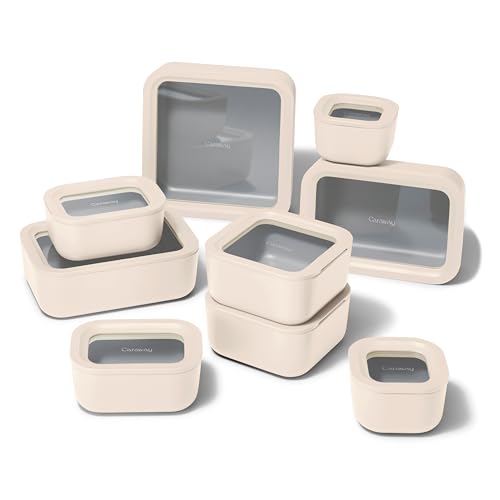
KEEP YOUR FOOD FRESH: Look forward to leftovers with Caraway’s easy-to-store, non-toxic food storage containers. This set looks great and most importantly keeps your food extra fresh and organized.
The Health Risks of Plastic Consumption
Have you ever thought about what’s really in your food and drinks? It’s a bit scary when you realize that microplastics aren’t just hanging out in the environment; they’re making their way into our bodies too.
Microplastics are turning up in places we’d rather they didn’t, like our seafood and even our drinking water. And it doesn’t stop there—research shows they can end up in our organs, including the heart and brain. Believe it or not, even newborns have been found to have trace amounts in their placentas. That’s a wake-up call if I ever heard one!
So, why does this matter? Well, there are over 4,200 chemicals in plastics that are considered harmful, and many of them act as endocrine disruptors. This can lead to hormonal imbalances, chronic inflammation, and other health issues.
Here’s the trick: try being mindful of what you consume. You don’t want plastic in your diet, right? Start by choosing fresh, whole foods whenever you can. For drinks, consider using glass or stainless-steel containers instead of plastic ones. Simple swaps can make a big difference over time!
The best part is that by being aware, you can make choices that help reduce your exposure to these tiny particles. Honestly, looking out for your health doesn’t have to be complicated. In addition, using products with biodegradable ingredients can reduce overall plastic contamination in the environment, helping to limit the cycle of microplastic pollution.
Recommended Products

Touchless, sensor activation (bottle filler) designed for easy use; easy-to-operate push-bar activation (bubbler).

Drop-down wrapper provides easy access to filter from front and side of cooler for convenient and efficient filter change in under a minute
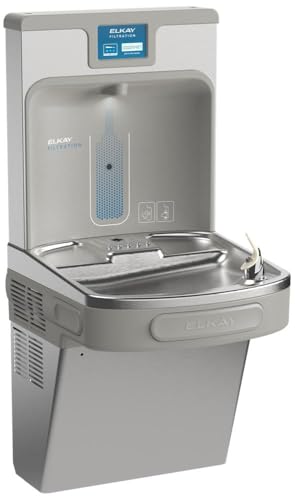
Touchless, sensor activation (bottle filler) designed for easy use; easy-to-operate push-bar activation (bubbler)
Plastic Decomposition Timeline
Did you know that some plastics can take hundreds of years to break down? It’s a real eye-opener! Take plastic straws, for instance—they can stick around for nearly 200 years. Those thin plastic bags that we often grab at the store? They linger for about 20 years. And don’t even get me started on drink bottles made of Polyethylene Terephthalate (PET); they can hang out for over 500 years!
So, why does this matter? Most plastic waste doesn’t fully decompose—it just breaks down into tiny microplastics that pollute our environment for centuries. Since the 1950s, we’ve produced about 8.3 billion tons of plastic, and a shocking 6.3 billion tons of that is simply thrown away. That’s a huge amount of waste contributing to environmental pollution!
Now, here’s the trick: be mindful of the plastic you use. Small changes can make a big difference. When you’re at the store, consider bringing your own reusable bags or opting for metal straws instead of plastic ones. It may seem insignificant, but every little effort counts.
Honestly, the next time you reach for something plastic, ask yourself if there’s a better option. Those seemingly harmless items do stay in our world for far longer than any of us would like. Choosing alternatives such as bamboo paper towels can help reduce waste and environmental impact.
The Impact of Plastic Pollution on Marine Life
Have you ever thought about how plastic pollution is impacting our oceans? It’s pretty alarming when you consider that more than one in three fish we catch for dinner contain plastic. That’s a shocking reality for something we often overlook! Each year, over 100,000 marine mammals and about a million sea birds die because of plastics—whether they’re getting caught in it or accidentally swallowing it.
As microplastics creep up the food chain, they don’t just affect fish. They increase toxicity levels that come right back around to us, too. By 2050, studies suggest we might find more plastic in the ocean than fish. Can you picture that? It certainly makes you want to take action!
So, what can you do? One easy step is to start saying no to single-use plastics. Bring your own bags to the store, use reusable straws, and try to avoid plastic packaging when possible.
Honestly, every little bit helps. Not only does it protect sea life, but it also contributes to a cleaner environment for everyone. Choosing sustainable materials like FSC certified bamboo can reduce reliance on plastics and promote ethical practices. Let’s make a commitment to do better for our oceans and the amazing creatures that call them home. What steps will you take to help combat plastic pollution?
Addressing Mismanaged Plastic Waste in Low-Income Regions
Mismanaged plastic waste is a problem we often overlook, but it’s a reality in many low-income areas where there isn’t enough funding for proper waste management. It’s shocking to think that about one-fifth of the plastic we produce ends up being mishandled. In these communities, this can lead to millions of tons of plastic polluting the environment.
Every year, 1 to 2 million tons of plastic find their way into our oceans, which is devastating for marine life. So, why does this matter? Because it affects not just the oceans but also the entire ecosystem and ultimately, us.
Here’s the trick: effective waste management strategies can lead to significant improvements. If wealthy nations step up and help build infrastructure in those communities, it can make waste management much more feasible for everyone. Think about it—supporting these initiatives could lead to cleaner oceans and a healthier planet for all of us.
Using biodegradable bags in these efforts can reduce pollution and support sustainable waste disposal.
Let’s take action and join forces to make a difference! What steps can you take to support this effort in your own community?
Recommended Products


Product Information: SUPERBIO compostable yard waste bags. 33 gallon (124.9L) 33 in x 40 in x 1.57 mils, 15 bags per roll. 8 rolls (120 bags) per pack. flat top

CERTIFIED COMPOSTABLE: These EcoSafe compostable trash bags/ garbage bin liners are BPI certified compostable and CMA approved for food waste disposal (BPI Cert #890992).
Examples of Successful Collaborative Strategies Against Plastic Pollution
Are you tired of seeing plastic waste everywhere? You’re not alone! Cities like Bogotá, Kingston, and Panama City are coming together to tackle the issue of plastic pollution. They’re proving that working together can create real solutions that make a difference in our communities.
Want to know more about how collaboration can help? For instance, the Global Plastics Hub is all about helping countries team up and share essential information to manage plastic waste better. The more we share what’s working and what isn’t, the more effective we can be in reducing plastic pollution.
The United Nations Environment Programme (UNEP) has also pitched in with its “Beat Plastic Pollution” plan, which encourages industries to come together and be more transparent about their practices. We’re not just dealing with plastic here; we’re also touching on larger issues like climate change and preserving biodiversity. So, why does this matter? Because every step counts!
Honestly, if we work together, we can tackle this problem and create a cleaner environment for future generations. Thinking about how you can get involved? Every little action and support for initiatives in your community counts. Let’s keep pushing for change! What actions are you hoping to take to reduce plastic waste? Using compostable trash bags is one practical way individuals can reduce their contribution to plastic pollution.
Frequently Asked Questions
What Is Number 3 6 and 7 Plastics?
Number 3 plastics (PVC), Number 6 plastics (polystyrene), and Number 7 plastics include various types. Their poor recycling methods can lead to severe environmental impacts and health concerns, making awareness and responsible choices essential for us all.
What Does Number 5 Mean in Plastic?
When it comes to plastic, number 5 means polypropylene, a strong material used in many products. Despite its recyclability, its environmental impact is significant, as only 9% gets recycled. We’ve got to do better!
Is Plastic Number 5 Good or Bad?
Plastic number 5 has both pros and cons. While it’s generally safe and less likely to leach harmful chemicals, recycling challenges and its environmental impact raise concerns we should all consider as responsible consumers.
What Does the Number 4 Mean on Plastic?
The number 4 on plastic means it’s low-density polyethylene. While its recycling process poses challenges, our consumer choices can still minimize environmental impact by promoting proper disposal and supporting programs that accept LDPE materials for recycling.


